What to Use for Dogs Itchy Skin: Ultimate Relief Guide
Senior Canine Nutritionist & Dog Behavior Specialist at Cozy Dog Go Wellness Lab
Does your dog constantly scratch, bite, or lick their skin? Itchy skin can be a frustrating problem for both you and your furry friend.
Watching your dog suffer is never easy, and you may feel overwhelmed trying to find the right solution. But you’re not alone, and there are effective ways to help your dog feel more comfortable. In this guide, we’ll explore what you can use to relieve your dog’s itchy skin, ensuring they’re happier and healthier.
Imagine the peace of mind you’ll feel when your dog is no longer scratching incessantly. Keep reading to discover solutions that will transform the way your dog feels and plays.

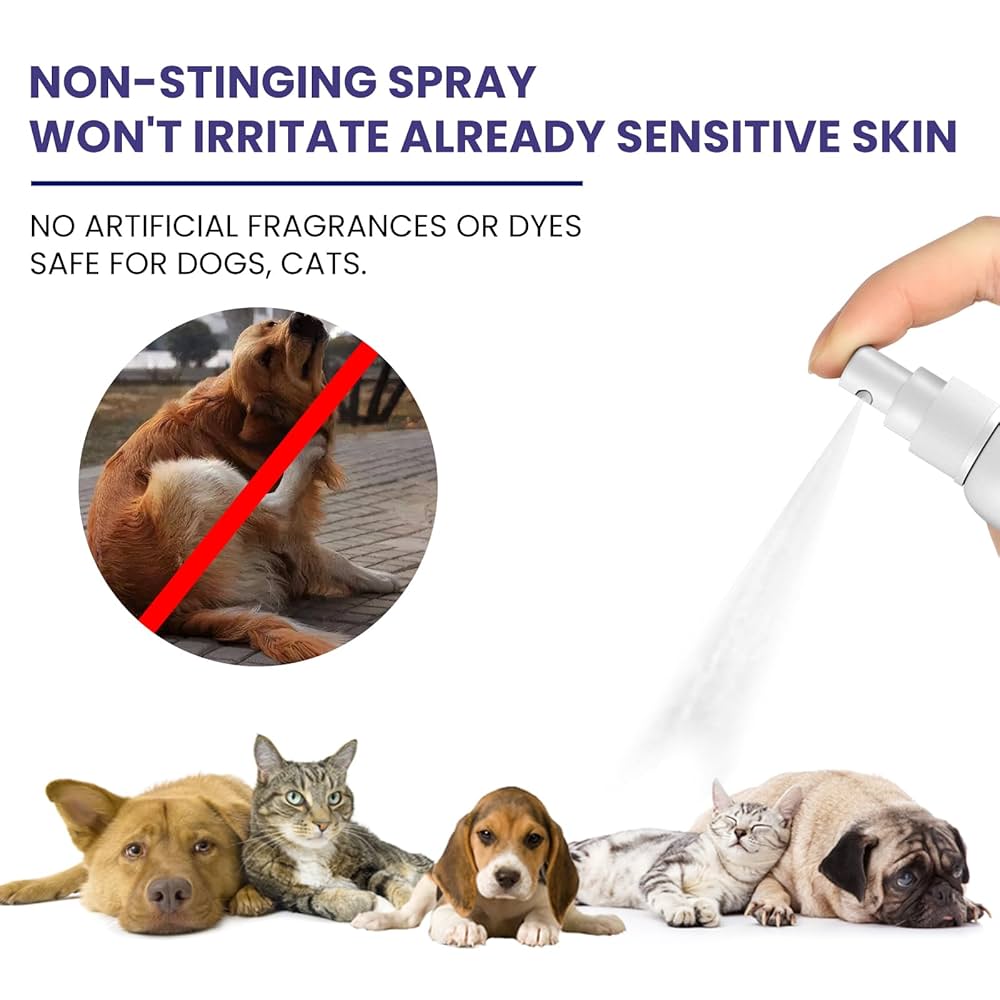
Credit: www.amazon.com
Common Causes Of Itchy Skin In Dogs
Dry skin, allergies, or parasites often cause itchy skin in dogs. Consider natural remedies like oatmeal baths or coconut oil to soothe irritation.
Understanding the common causes of itchy skin in dogs can help you provide the best care for your furry friend. Dogs often scratch due to a variety of reasons, some of which may be more serious than others. Knowing these causes allows you to address the root of the problem effectively and ensure your dog remains happy and healthy.Allergies And Irritants
Allergies are a leading cause of itchy skin in dogs. They can be triggered by various factors like pollen, dust mites, or even certain fabrics. If your dog starts scratching after a walk in the park, consider whether pollen might be the culprit. Household products, such as cleaning agents or perfumes, can also irritate your dog’s skin. It’s crucial to observe any patterns and consider swapping out potential irritants. Have you ever considered the ingredients in your dog’s shampoo? Sometimes, a simple change can make all the difference.Parasites And Infections
Parasites like fleas and ticks are notorious for causing itchiness in dogs. A single flea bite can lead to intense scratching, and if left untreated, it can result in skin infections. Regular grooming and the use of preventive treatments can keep these pesky intruders at bay. Infections, whether bacterial or fungal, can also cause significant discomfort. If your dog’s scratching is accompanied by redness or a bad odor, it might be time to consult your vet. Could a simple vet visit save your dog from unnecessary discomfort?Diet And Nutrition
Your dog’s diet plays a crucial role in their skin health. A lack of essential nutrients, such as omega-3 fatty acids, can lead to dry and itchy skin. Ensure your dog’s diet is balanced and rich in high-quality ingredients. Food allergies can also be a hidden culprit. If you notice your dog scratching more after meals, it might be worth exploring an elimination diet. Have you considered what’s in your dog’s bowl and how it might be affecting them? By understanding these common causes, you can take proactive steps to alleviate your dog’s itchy skin. Pay attention to their environment, monitor their health, and consider their diet. What changes will you make today to help your dog find relief?
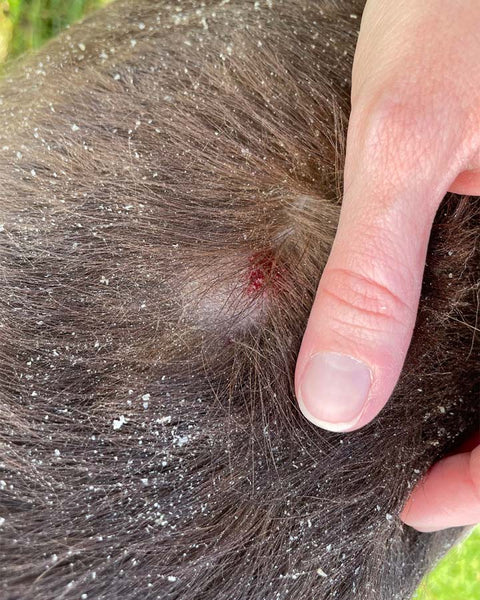
Credit: www.walmart.com
Natural Remedies For Itchy Skin
Does your dog constantly scratch and bite at its skin? It’s distressing to see them uncomfortable, but natural remedies can offer relief without harsh chemicals. These simple solutions are often found right in your pantry or garden, making them easy to try and gentle on your furry friend. Let’s explore some effective methods to soothe your dog’s itchy skin naturally.
Oatmeal Baths
Oatmeal baths are a classic remedy for itchy skin, and they can work wonders for your dog too. You might be surprised how something so simple can be so effective. Oatmeal has anti-inflammatory properties that help calm irritated skin. To prepare a bath, grind plain oatmeal into a fine powder and mix it with warm water. Let your dog soak for 10-15 minutes. Notice how their skin relaxes, and their scratching subsides. Isn’t it amazing that the same ingredient that soothes your skin can do the same for your dog?
Coconut Oil Applications
Coconut oil is not just for your kitchen; it’s a fantastic moisturizer for your dog’s skin. Its natural healing properties make it a go-to remedy for irritation and dryness. Apply a small amount directly to the affected areas. Massage gently, allowing the oil to penetrate the skin. You might find that your dog enjoys the massage as much as the relief it brings. Plus, the pleasant smell is a bonus! Can you imagine a remedy that’s beneficial, enjoyable, and aromatic all at once?
Aloe Vera Soothing
Aloe Vera is known for its cooling properties, making it perfect for soothing hot spots and itchy patches. Its gel provides instant relief and can be applied directly to your dog’s skin. Use pure Aloe Vera gel, avoiding any products with added chemicals. If you have an Aloe plant, break off a leaf and squeeze out the gel. Apply it gently and watch your dog’s discomfort fade away. Isn’t it intriguing how plants can offer such simple yet effective solutions for skin care?
Over-the-counter Solutions
Soothing shampoos and sprays can help relieve dogs’ itchy skin. Look for products with oatmeal or aloe vera. These ingredients calm irritation and moisturize your pet’s skin.
Dogs with itchy skin can find relief through over-the-counter solutions. These options are accessible and often effective. They offer a range of treatments tailored to soothe irritation and promote healing. Explore various products designed to address your dog’s skin discomfort.Medicated Shampoos
Medicated shampoos can soothe a dog’s itchy skin. They often contain ingredients like oatmeal or aloe vera. These elements help reduce inflammation and moisturize the skin. Some shampoos include antifungal or antibacterial agents, targeting specific skin issues. Follow the product instructions for best results. Regular use can improve your dog’s skin health.Anti-itch Creams
Anti-itch creams provide targeted relief for irritated areas. These creams usually contain hydrocortisone or other soothing agents. They reduce itchiness and calm inflamed skin. Apply a small amount directly to affected spots. Ensure your dog doesn’t lick the cream off. It’s a quick way to alleviate discomfort.Supplements For Skin Health
Supplements can enhance your dog’s skin health from within. Omega-3 fatty acids are popular for promoting skin wellness. They help reduce inflammation and improve coat texture. Other supplements like biotin and vitamin E support skin repair. Consult your vet before starting any supplement regimen. A balanced diet contributes to overall skin health.Prescription Treatments
Dogs with itchy skin can find relief through prescription treatments. These treatments are often recommended by veterinarians for severe cases. They provide targeted relief and address underlying causes of irritation.
Steroidal Medications
Steroidal medications reduce inflammation and itching quickly. They are effective for short-term use. Long-term use may lead to side effects. Always follow your vet’s guidance on dosage.
Antihistamines
Antihistamines help manage allergic reactions in dogs. They block histamines that cause itching. These are often used in combination with other treatments. Consult your vet for appropriate options.
Antibiotics For Infections
Infections can worsen itchy skin. Antibiotics treat bacterial infections effectively. They prevent further skin damage and promote healing. Your vet will prescribe the right type and dosage.
Preventive Measures
Oatmeal baths soothe dogs’ itchy skin by reducing irritation. Coconut oil moisturizes and provides relief. Use hypoallergenic shampoos to prevent further discomfort.
Preventive measures can make a significant difference in managing your dog’s itchy skin. By taking proactive steps, you can minimize discomfort and ensure your furry friend stays happy and healthy. But what exactly should you be focusing on? Let’s explore a few key areas that can help prevent your dog’s skin issues.Regular Grooming
Regular grooming is not just about keeping your dog looking neat; it’s a crucial element in skin health. Frequent brushing removes loose fur and dirt, reducing the risk of irritation. Consider this: a friend started brushing her dog daily and noticed a significant decrease in itchiness. Regular grooming can also help you spot signs of skin problems early. Is your dog’s coat getting tangled often? That’s a hint that regular brushing might be needed more frequently.Balanced Diet
A well-balanced diet is essential for healthy skin. Nutrients like omega-3 fatty acids can keep skin hydrated and less prone to irritation. Do you know what’s in your dog’s food? Checking the label for essential nutrients can be a game-changer. A neighbor switched to high-quality kibble and saw remarkable improvements in her dog’s skin condition. Sometimes, a simple tweak to the diet can make a world of difference. Have you considered adding fish oil supplements to your dog’s meals?Environmental Control
Controlling your dog’s environment is another effective preventive measure. Allergens like pollen and dust can trigger skin problems, so minimizing exposure is key. Think about your dog’s living space—are there areas that collect a lot of dust? Regular cleaning can help keep allergens at bay. A friend of mine started using air purifiers and noticed her dog scratching less. Could this be the solution you’re looking for?
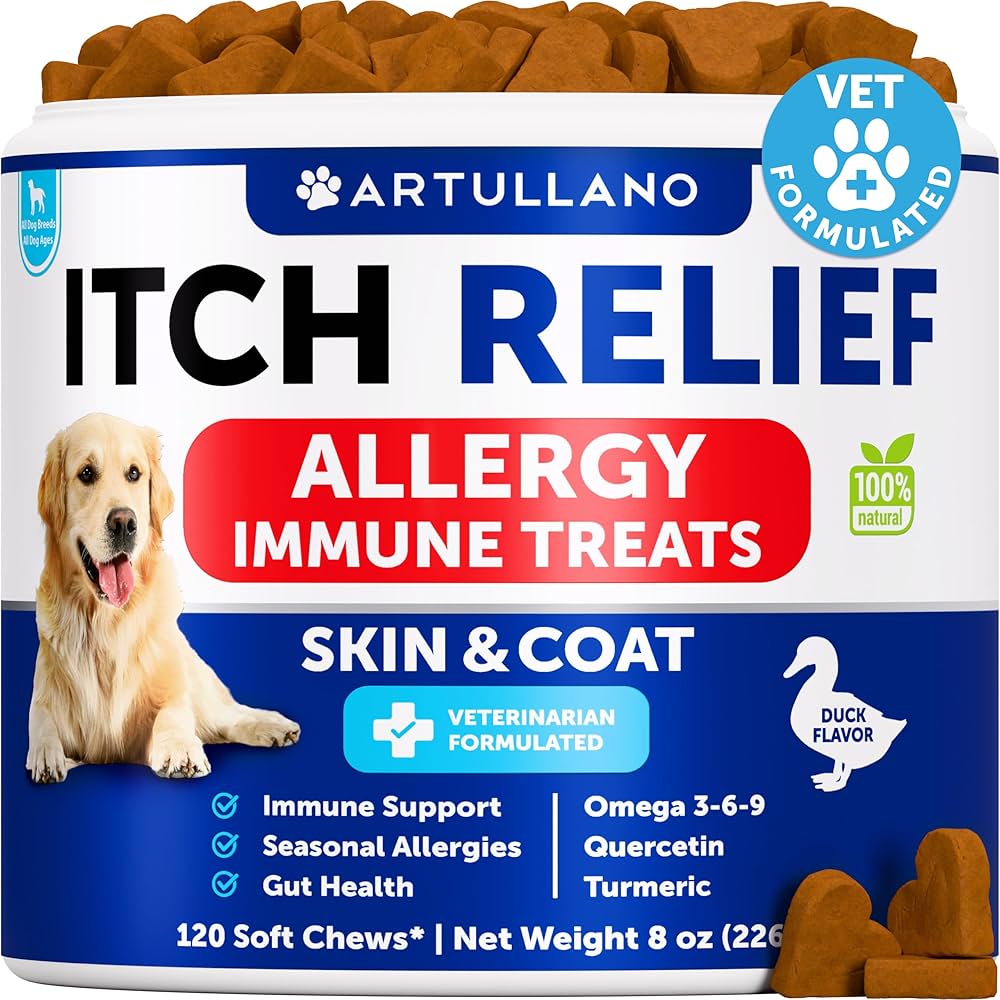
Credit: www.amazon.com
When To Consult A Veterinarian
Consult a veterinarian if your dog’s itchy skin persists despite using home remedies. Persistent itching may indicate allergies or infections. Early consultation helps in finding the right treatment.
When your dog is scratching nonstop, it’s hard not to worry. While minor itchiness can be normal, there are times when it’s crucial to seek professional help. Knowing when to consult a veterinarian ensures that your furry friend receives the care they need. Ignoring persistent issues might lead to more severe health problems. So, when should you make that vet appointment? Here’s a guide to help you decide.Persistent Itchiness
If your dog’s itchiness doesn’t subside after a few days, it’s time to consult your vet. Prolonged scratching can lead to skin damage and infections. Have you ever noticed your pup scratching even after you’ve tried home remedies? That’s a clear signal to get a professional opinion.Signs Of Infection
Look out for redness, swelling, or discharge from your dog’s skin. These are common indicators that an infection might be present. Your veterinarian can prescribe medications to treat these effectively. Don’t ignore these signs, as untreated infections can lead to more serious conditions.Behavioral Changes
Is your dog acting differently? Maybe they’re more irritable or lethargic? Behavioral changes can be a response to discomfort or pain from itchy skin. Observing your dog’s behavior can provide valuable insights into their health. Your vet will appreciate this information when diagnosing the problem. Remember, your dog relies on you to notice these signs and take action. Are you prepared to make that crucial vet visit if needed?Frequently Asked Questions
What Causes Itchy Skin In Dogs?
Itchy skin in dogs can be caused by allergies, parasites, or dry skin. Environmental factors like pollen or dust can also trigger itchiness. Identifying the root cause is crucial for effective treatment. Consult a veterinarian to determine the best course of action for your dog’s specific condition.
Can Diet Help Reduce Dog’s Itchy Skin?
Yes, diet can play a significant role in managing itchy skin. Providing a balanced diet rich in omega-3 fatty acids can help. Consider feeding your dog hypoallergenic foods to minimize allergic reactions. Always consult your veterinarian before making significant dietary changes to ensure they meet your dog’s nutritional needs.
Are There Natural Remedies For Itchy Dog Skin?
Yes, several natural remedies can help soothe itchy skin. Oatmeal baths can provide relief, and coconut oil moisturizes dry skin. Aloe vera gel can also soothe irritation. However, it’s essential to consult your vet before trying any home remedies to ensure they’re safe for your dog.
How Often Should You Bathe A Dog With Itchy Skin?
Dogs with itchy skin should be bathed every 1-2 weeks. Use a gentle, hypoallergenic shampoo to avoid further irritation. Regular bathing can help remove allergens and soothe the skin. However, overbathing can lead to dryness, so it’s important to find a balance that works for your pet.
Conclusion
Finding solutions for your dog’s itchy skin can be simple. Start by trying natural remedies like oatmeal baths or coconut oil. These can soothe and moisturize. Ensure your dog’s diet is balanced for healthy skin. Use vet-recommended shampoos to reduce irritation.
Regular grooming helps remove allergens and dirt. Consult a vet for persistent itching. They can offer tailored advice and treatments. Remember, a happy, itch-free dog means less stress for you. Make changes gradually and observe your dog’s reaction. Your furry friend’s comfort is worth the effort.

Similar Posts