Have you ever dreamed of having a furry friend who loves relaxation as much as you do? Imagine coming home to a dog that’s more interested in lounging beside you on the couch than chasing squirrels in the yard.
If you’re looking for a canine companion who prefers napping over sprinting, you’ve come to the right place. Discover the laziest dog breeds that perfectly match your laid-back lifestyle. This guide will help you find the perfect low-energy pup to fit into your serene routine.
Get ready to meet your new best friend who’s as chill as you are. Keep reading to find out which dog breed might just be your perfect match!
Characteristics Of Lazy Dogs
Identifying the laziest dog breeds involves recognizing their calm nature and low activity levels. Breeds like Bulldogs, Basset Hounds, and Pugs are known for their love of lounging and relaxed demeanor. These dogs often prefer short walks and extended nap times, making them ideal for a laid-back lifestyle.
Lazy dogs have a unique charm. They often enjoy lounging around, preferring calmness over chaos. Many people adore these dogs for their easygoing nature. They make perfect companions for those with a relaxed lifestyle. Understanding their characteristics helps in choosing the right lazy breed. Let’s explore what makes these dogs special.Energy Levels
Lazy dogs have low energy levels. They prefer resting over running. You’ll often find them snoozing in cozy corners. Their calm demeanor makes them ideal for apartments. They don’t demand constant activity. This trait is perfect for busy individuals. A short walk usually satisfies their exercise needs.Temperament
These dogs have a gentle temperament. They are often friendly and affectionate. They love cuddling and being close to their humans. This makes them great for families and seniors. They rarely show aggression or hyperactivity. Their laid-back nature is comforting. It creates a peaceful home environment.Exercise Needs
Lazy dogs have minimal exercise needs. A short daily walk keeps them healthy. They enjoy leisurely strolls rather than intense runs. Indoor play can also suffice for their activity. This suits owners who prefer less demanding routines. They are content with moderate exercise. Just ensure they maintain a healthy weight.Top Lazy Dog Breeds
Are you dreaming of a canine companion who loves lounging as much as you do? Not all dogs are energetic bundles of joy. Some breeds revel in the art of relaxation. Understanding these breeds can help you choose a furry friend who aligns with your lifestyle. Let’s dive into the world of top lazy dog breeds.
English Bulldog
English Bulldogs are the epitome of couch potatoes. Their stocky frame and laid-back attitude make them perfect for those seeking a low-energy pet. Bulldogs are often content with short walks, followed by long naps. Their irresistible charm lies in their unique appearance and gentle nature. Picture this: a lazy afternoon, your bulldog snoozing beside you, providing the ultimate relaxation vibe.
Basset Hound
Basset Hounds might surprise you with their hunting lineage, but their true talent lies in lounging. With their droopy eyes and long ears, they excel in the art of being adorable while doing nothing. Bassets are known for their ability to nap anywhere, anytime. You might find them curled up on the sofa or sprawled across the living room floor. Their relaxed demeanor makes them great companions for leisurely strolls.
Pug
Pugs are small but mighty in their capacity for laziness. Their wrinkled faces and compact bodies are perfect for snuggling. Pugs enjoy short bursts of play followed by extensive rest periods. They thrive in environments where they can be close to their humans, often preferring to nap on your lap. Imagine sharing a lazy Sunday morning with your pug, both of you content with minimal movement.
Shih Tzu
Shih Tzus are known for their regal appearance and relaxed attitude. These fluffy companions adore lounging on soft cushions and cuddling with their favorite humans. Despite their glamorous look, Shih Tzus are low-maintenance when it comes to exercise. Regular grooming sessions can be a bonding experience, but don’t expect them to beg for long hikes. Picture a Shih Tzu elegantly dozing off beside you, showcasing its royal laziness.
Newfoundland
Newfoundlands may be large, but their hearts are set on relaxation. Known for their gentle disposition, they enjoy leisurely walks and plenty of downtime. These gentle giants are happiest when they can stretch out and relax in spacious areas. Their calm nature makes them ideal for families looking for a laid-back furry friend. Can you imagine the tranquility of a Newfoundland resting beside you, offering comfort and companionship?
Choosing a lazy dog breed means embracing a lifestyle of relaxation and comfort. These breeds are perfect for those who appreciate the art of taking things slow. Which lazy dog breed aligns with your idea of a perfect day?
Health Considerations
When we think about lazy dog breeds, it’s easy to imagine endless snuggles and a laid-back lifestyle. But even the most relaxed pups have specific health considerations you need to keep in mind. Lazy dogs might seem like the ideal low-maintenance companions, but their health needs can be just as demanding as those of more active breeds. Let’s dive into some essential health aspects to ensure your laid-back furry friend stays happy and healthy.
Weight Management
Lazy dogs often love lounging around, which can lead to weight gain if not monitored. It’s crucial to ensure they maintain a healthy weight to avoid health problems. Consider a balanced diet and regular vet check-ups to keep their weight in check.
Think about engaging them with interactive toys or short walks. These activities help burn calories without overwhelming them. Have you noticed your pup turning into a couch potato? It might be time to reassess their calorie intake.
Joint Health
Joint health is another area where lazy breeds need attention. Their lack of movement can lead to stiff joints or arthritis over time. Providing joint supplements can be beneficial.
Incorporate gentle exercises to keep their joints flexible. You could try swimming or controlled walks. It’s essential to observe any signs of discomfort, like limping or hesitation, which could indicate joint issues.
Common Health Issues
Lazy breeds may also be prone to certain health issues like heart disease and respiratory problems. Regular vet visits can help catch these early. Pay attention to any changes in their breathing or energy levels.
Ensure their environment is stress-free and comfortable. A calm setting can help prevent anxiety-related health issues. Are you providing your dog with a cozy and peaceful resting area?
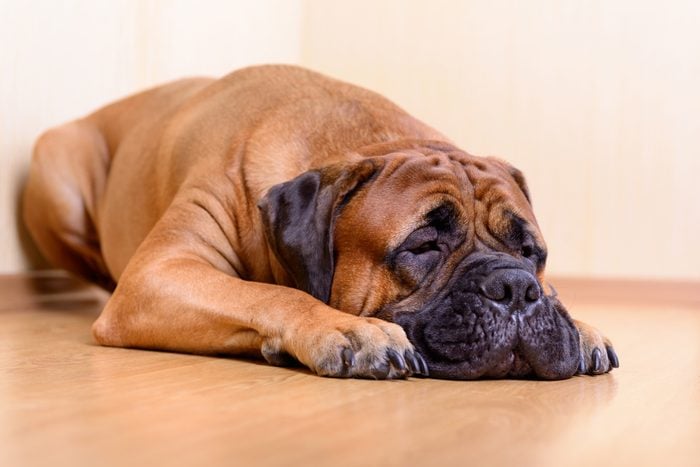
Credit: www.rd.com
Lifestyle Compatibility
Choosing a dog that aligns with your lifestyle is crucial for a harmonious living experience. Laziest dog breeds, known for their relaxed demeanor, can be the perfect fit for those who prefer a more laid-back routine. Whether you live in an apartment, have a bustling family, or are seeking a companion in your golden years, these breeds offer unique compatibility benefits.
Many lazy dog breeds are ideal for apartment living due to their low energy levels and compact size. Breeds like the French Bulldog or the Basset Hound thrive in smaller spaces, not needing much outdoor time. They are content with a cozy nook by the window or a snug bed by your feet.
Imagine coming home to a furry friend who is just as excited to chill on the couch as you are after a long day. Minimal barking and the ability to entertain themselves indoors make these dogs perfect for apartment dwellers.
Laziest dog breeds can be wonderful additions to families, offering companionship without overwhelming energy levels. Bulldogs and Pugs, for instance, are known to be gentle and patient with children, often lounging around while kids play.
They can teach children the value of calmness and patience, creating a peaceful environment for everyone. How about introducing a family game night where your dog can be the cozy spectator?
Seniors often benefit from the company of lazy dog breeds, providing them with a sense of purpose and routine without the need for strenuous activity. Breeds like the Shih Tzu or the Cavalier King Charles Spaniel are perfect for those seeking a gentle companion.
These dogs offer warmth and affection, often happy to sit by your side as you read or watch television. Their low maintenance needs make them ideal for seniors looking for companionship without the demands of high-energy pets.
Could a lazy dog breed be the key to enriching your daily life with comfort and companionship?
Training Tips For Lazy Dogs
Training lazy dogs requires patience and creativity. These breeds often prefer lounging over learning. Yet, with the right approach, even the laziest dogs can become active learners. Below are some effective training tips to help your laid-back pup engage and respond positively.
Motivation Techniques
Use treats your dog loves. Reward them for each small success. Play with toys they enjoy to make training fun. Encouragement through gentle words can boost their interest. Short sessions work best to keep them focused.
Routine Establishment
Set a consistent schedule for training. Dogs thrive on routine and predictability. Choose a specific time daily for activities. This helps them anticipate and prepare mentally. Keep the routine simple and regular.
Positive Reinforcement
Celebrate their achievements with praise. Positive feedback builds their confidence. Avoid punishment; it leads to fear and confusion. Instead, guide them gently. Make each training session a happy experience.

Credit: www.msn.com
Care And Maintenance
Lazy dog breeds require minimal exercise and grooming. Breeds like the Bulldog and Basset Hound enjoy lounging and short walks. Regular vet visits and simple grooming routines keep them healthy and happy.
Caring for the laziest dog breeds is surprisingly straightforward, but it does require some thoughtful attention. These laid-back companions may not demand high-energy activities, but they do have specific needs to ensure they stay healthy and happy. Understanding their care and maintenance is essential for any potential or current owner of these lovable couch potatoes.Grooming Needs
Lazier dogs often have simpler grooming requirements, but it varies by breed. Breeds like the Bulldog or Basset Hound have short coats that need minimal brushing, while others like the Shih Tzu might need more frequent grooming sessions. Regular brushing not only keeps their coat healthy but also becomes a bonding activity that lazy dogs appreciate. Bathing should be occasional, typically once a month, to prevent skin irritation. Don’t forget their nails—they need trimming about every three weeks. Pay special attention to their ears and teeth, as these areas can harbor bacteria if not cleaned regularly.Diet And Nutrition
Lazy dogs are prone to weight gain, so their diet needs careful monitoring. High-quality dog food, rich in nutrients but low in calories, helps maintain a healthy weight. Portion control is crucial; avoid free feeding to prevent overeating. You might be tempted to share your snacks with those big, pleading eyes, but resist! Instead, offer healthy treats like carrot sticks or apple slices. Regularly weigh your dog to track their weight and adjust their diet as needed.Regular Vet Visits
Routine vet visits are a cornerstone of care for lazy breeds. These dogs may not exhibit obvious signs of discomfort, so regular check-ups ensure any health issues are caught early. Annual vaccinations, dental check-ups, and parasite prevention are essential to keep them in tip-top shape. Discuss their weight and diet during these visits to get tailored advice from your vet. Engage your lazy dog with interactive toys or short walks to keep them mentally and physically stimulated. Do you have any tips for managing your lazy dog’s lifestyle? Share your experiences in the comments!
Credit: www.yahoo.com
Frequently Asked Questions
What Defines A Lazy Dog Breed?
Lazy dog breeds are known for their low energy levels and relaxed demeanor. They prefer lounging over rigorous activities. These dogs are ideal for people with calm lifestyles. They require minimal exercise and are content with short walks or playing indoors.
They offer companionship without demanding constant attention.
Are Lazy Dogs Suitable For Apartments?
Yes, lazy dogs are perfect for apartment living. Their low energy levels mean they require less space to be comfortable. They adapt well to smaller environments and are usually quiet, minimizing disturbances. Regular short walks and indoor play are sufficient to keep them healthy and happy in apartments.
Which Lazy Dog Breeds Are Best For Beginners?
Breeds like the Bulldog, Basset Hound, and Shih Tzu are great for beginners. These dogs are easy to care for and adapt well to various environments. They require minimal grooming and exercise. Their gentle nature makes them ideal for first-time dog owners looking for a relaxed companion.
Do Lazy Dogs Require Less Exercise?
Yes, lazy dogs typically need less exercise compared to active breeds. Short walks and indoor play sessions are usually enough to keep them healthy. While they are low-energy, regular activities are still essential to prevent obesity. Owners should ensure they receive sufficient exercise for their overall well-being.
Conclusion
Lazy dog breeds offer a calm, relaxed lifestyle. Perfect for less active owners. These dogs enjoy lounging around and cuddling. Great companions for peaceful homes. Remember, all dogs need some activity. Even the laziest breeds benefit from short walks. Routine vet visits ensure their health.
These breeds can be a joy for those who prefer quiet moments. Choose wisely based on your lifestyle. Enjoy the company of a loving, laid-back pet. Embrace the tranquility they bring.