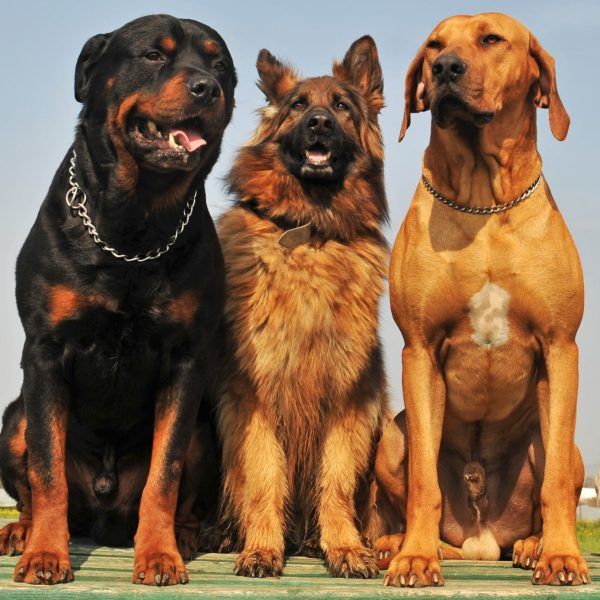
What are the Meanest Dog Breeds: Unveiling Fierce Canines
Have you ever wondered which dog breeds have a reputation for being the meanest? You might be surprised by some of the names on this list.
While every dog is unique, certain breeds are often misunderstood and labeled as aggressive. If you’re considering bringing a new furry friend into your home, understanding their nature is crucial. This knowledge can help you make an informed decision and ensure a happy, harmonious life for both you and your pet.
Keep reading to discover which breeds have earned this reputation and whether it’s truly deserved. You might find that these so-called “mean” dogs have more to offer than meets the eye.

Credit: www.herberttrial.com
Characteristics Of Aggressive Dogs
Understanding the characteristics of aggressive dogs is crucial for pet owners and enthusiasts alike. Aggression in dogs can be influenced by several factors, including genetics, environment, and training. Identifying these traits early can help in managing and even preventing unwanted behavior.
Traits Linked To Aggression
Aggressive dogs often display specific traits that signal potential issues. These may include excessive barking, growling, or snapping. Some dogs may show dominance by refusing to follow commands or by guarding resources like food and toys.
Other signs can be subtler, such as tense body language or intense staring. Recognizing these behaviors early is essential in mitigating potential risks. Have you ever noticed these signs in your own dog?
Impact Of Environment On Behavior
The environment plays a significant role in shaping a dog’s behavior. A nurturing and stable home can reduce the likelihood of aggressive tendencies. On the other hand, chaotic or abusive settings often exacerbate aggressive traits.
Consider how your surroundings and your own behavior might influence your pet. Dogs thrive on routine and positive reinforcement. Are you providing an environment that supports calm and well-adjusted behavior?
Understanding the balance between nature and nurture can lead to better relationships with your canine companions. By addressing environmental factors, you might prevent aggression before it starts. Remember, your dog’s behavior is often a reflection of its surroundings.

Credit: www.herberttrial.com
Dog Breeds Known For Fierce Temperament
Dog breeds like Rottweilers, Doberman Pinschers, and Pit Bulls are known for their fierce temperament. They require proper training and socialization to manage their strong personalities. Understanding their behavior helps in ensuring a safe and loving environment.
Dog Breeds Known for Fierce Temperament Some dogs are known for their fierce temperament. They often display strong protective instincts. These breeds can be loyal yet challenging. Understanding their characteristics is essential for potential owners.Pit Bull Terrier
Pit Bull Terriers are strong and muscular. They have a reputation for aggression. Proper training is crucial to manage their behavior. Their loyalty is unmatched, making them popular guard dogs.Rottweiler
Rottweilers are powerful and confident. They are protective of their families. This breed requires consistent leadership. Socialization helps in curbing unwanted aggression. They thrive with experienced owners.Doberman Pinscher
Doberman Pinschers are intelligent and alert. They can be wary of strangers. Training helps channel their energy positively. They are excellent in security roles. Their loyalty makes them great companions.Chow Chow
Chow Chows are dignified and aloof. They often bond closely with one person. Their independence can be mistaken for stubbornness. Early socialization is vital. They are not always friendly with other pets.German Shepherd
German Shepherds are versatile and loyal. They excel in various tasks, from protection to companionship. They need plenty of exercise and training. Their intelligence requires mental stimulation. They are beloved for their bravery and dedication.Factors Influencing Aggression
When discussing the meanest dog breeds, it’s crucial to consider what influences aggression. Various factors play a role in shaping a dog’s behavior. Understanding these elements helps in managing and preventing aggressive tendencies. Let’s explore the key factors that contribute to canine aggression.
Genetic Predisposition
Some breeds have a genetic inclination towards aggression. Breeding history affects temperament. Dogs bred for guarding or hunting may show more aggressive traits. It’s vital to research a breed’s background before adoption.
Socialization And Training
Socialization plays a significant role in a dog’s behavior. Dogs exposed to diverse environments and people tend to be less aggressive. Proper training teaches dogs how to react calmly. Lack of training often results in fear or aggression.
Owner Influence
Owners greatly impact their dog’s behavior. A calm and assertive owner promotes a well-behaved dog. Inconsistent or harsh training can lead to aggression. Responsible ownership involves setting clear boundaries and providing adequate exercise.
Misconceptions About Aggressive Breeds
Aggressive breeds often face unfair stereotypes. Many believe certain dogs are inherently mean, which is untrue. Behavior varies greatly among individual dogs, regardless of breed.
Misconceptions about aggressive dog breeds often lead to unfair stereotypes and unnecessary fear. The term “meanest dog breeds” can evoke images of snarling, vicious animals. However, this perception is largely shaped by common myths and misunderstandings. It’s important to differentiate between a breed’s reputation and individual canine behavior.Media Portrayal
The media plays a significant role in shaping perceptions of dog breeds. Sensational stories about dog attacks often focus on specific breeds, painting them as inherently dangerous. Have you ever noticed how rarely positive stories about these same breeds make headlines? This bias can lead to widespread fear and avoidance of certain breeds. If you only see negative portrayals, it’s easy to assume all dogs of that breed are aggressive. But isn’t it time we question these narratives and seek out the full story?Breed Versus Individual Behavior
It’s crucial to distinguish between breed tendencies and individual dog behavior. While some breeds may have characteristics that require more training or socialization, each dog is unique. Think about the dogs you’ve met—did their breed always dictate their personality? Factors like environment, training, and owner interaction play a huge role in shaping a dog’s behavior. A loving home and proper training can transform any breed into a gentle companion. Are we letting stereotypes rob us of potential loyal friends? Consider your own experiences with dogs and how they’ve shaped your views. Have you ever met a so-called “mean” breed that defied expectations? Your personal stories can challenge misconceptions and spread understanding.Managing Aggressive Behaviors
Some dog breeds are known for their aggressive tendencies, making them challenging to manage. Breeds like Pit Bulls, Rottweilers, and Dobermans often require careful training and socialization. Owners must understand their dog’s needs to reduce aggressive behaviors effectively.
Managing aggressive behaviors in dogs is crucial for a harmonious relationship. Some breeds are known for their assertive nature, but this does not mean they are inherently mean. Understanding these behaviors helps in effectively managing them. By adopting appropriate training techniques and intervening early, you can nurture a well-balanced companion.Behavioral Training Techniques
Training helps shape a dog’s behavior. Positive reinforcement is effective. Reward good behavior with treats and praise. Consistency is key in training sessions. Use commands and gestures to communicate clearly. Socialization plays a vital role. Expose your dog to various environments. This reduces anxiety and aggression. Redirect aggressive behavior. Distract the dog with toys or commands. Gradually introduce triggers that cause aggression. Monitor progress and adjust techniques. Professional trainers can offer guidance.Importance Of Early Intervention
Early intervention prevents aggressive behaviors from escalating. Recognize signs of aggression early. Growling, snapping, and lunging are indicators. Address these issues promptly. Early socialization is essential. Introduce your puppy to diverse situations. This builds confidence and reduces fear. Establish boundaries from a young age. Teach your dog what is acceptable. Consult a veterinarian for advice. Health issues might cause aggression. Address medical concerns immediately. Proactive measures lead to a happier, safer environment.Legal And Ethical Considerations
Understanding legal and ethical considerations is crucial when discussing mean dog breeds. Ownership responsibilities include proper training and care. Some regions have laws that restrict owning specific breeds due to perceived aggression.
Understanding the legal and ethical considerations surrounding certain dog breeds can be crucial for both current and prospective dog owners. It’s not just about choosing a pet; it’s about ensuring that you are prepared to meet the responsibilities that come with it. This section explores the legal frameworks and ethical responsibilities you should be aware of to ensure a safe and harmonious environment for both your pet and your community.Breed-specific Legislation
Breed-specific legislation (BSL) is a set of laws that restrict or regulate certain dog breeds based on the perception of their potential danger. These laws can vary from banning a breed in a particular city to requiring specific enclosures. Consider the case of pit bulls, which are often subject to BSL due to their reputation. However, is it fair to judge an entire breed based on the actions of a few individuals? Such laws often spark debates about fairness and effectiveness. Understanding local laws can save you from legal troubles and ensure you’re a responsible pet owner. If you’re considering a breed often targeted by BSL, do your research to understand the implications fully.Responsible Ownership Practices
Being a responsible dog owner goes beyond feeding and walking your pet. It involves training, socialization, and understanding your dog’s specific needs and behaviors. Take, for example, a friend’s experience with a Rottweiler, which some consider a “mean” breed. Through proper training and socialization, the dog became a beloved family pet, challenging the stereotype. Ask yourself: Are you ready to invest time and energy into training and socializing a breed that might be misunderstood? Moreover, educate your community about your dog’s behavior and training. This openness can alleviate fears and misconceptions, making life easier for both you and your furry friend. By focusing on these practices, you can help dismantle the myths surrounding “mean” breeds, proving that with the right care, any dog can be a loving companion.
Credit: www.herberttrial.com
Frequently Asked Questions
What Are The Most Misunderstood Dog Breeds?
Many people misunderstand certain breeds due to stereotypes. Breeds like Pit Bulls, Rottweilers, and Dobermans often get labeled as mean. In reality, their temperament largely depends on upbringing and environment. Proper training and socialization are key to shaping a dog’s behavior.
Are Small Dogs Meaner Than Big Dogs?
Small dogs often exhibit aggressive behaviors due to fear or anxiety. This behavior is sometimes labeled as “small dog syndrome. ” However, with proper training and socialization, small dogs can be just as friendly as larger breeds. Size doesn’t determine temperament.
Can Training Affect A Dog’s Aggression?
Yes, training plays a crucial role in managing a dog’s aggression. Positive reinforcement techniques can help reduce aggressive behaviors. Early socialization and consistent training are essential for a well-behaved dog. A well-trained dog is less likely to display mean behavior.
Why Do Some Dogs Appear Meaner Than Others?
Some dogs may appear mean due to their physical appearance or breed stereotypes. However, behavior is influenced more by environment and training than by genetics. Socialization and positive experiences help shape a dog’s personality, making them less likely to exhibit aggression.
Conclusion
Meanest dog breeds often depend on upbringing. Training matters. Environment influences behavior. Puppies need love and guidance. Owners must be responsible and caring. Every dog deserves kindness. Positive reinforcement works best. Aggression can be managed with patience. Seek professional help if needed.
Choose a breed that fits your lifestyle. Understand their needs and traits. Dogs are loyal friends, not foes. Treat them well, and they thrive. Respect their boundaries and instincts. Remember, a dog’s behavior reflects its experiences. Your approach shapes their demeanor.
A well-treated dog brings joy and companionship.