Are you considering adding a guard dog to your family? Finding the right breed can be a game-changer for your peace of mind.
Imagine a loyal companion by your side, always alert and ready to protect you and your loved ones. The right guard dog not only offers security but also becomes a cherished family member. You’ll discover which breeds are known for their protective instincts, loyalty, and intelligence.
We’ll guide you through the traits that make certain dogs excellent guardians, helping you make an informed choice that suits your home and lifestyle. Dive in, and uncover the perfect protector for your household!

Credit: headsupfortails.com
Characteristics Of Guard Dogs
German Shepherds, Rottweilers, and Doberman Pinschers are popular guard dog breeds. These dogs are known for their loyalty, strength, and alertness. They provide protection and make excellent companions.
Guard dogs possess unique characteristics that make them ideal protectors. Their instinctual traits, physical abilities, and intelligence set them apart. Understanding these characteristics helps in choosing the right breed for protection.Loyalty And Protective Instincts
Guard dogs have strong loyalty to their families. Their protective instincts are deeply ingrained. They are always alert to potential threats. This loyalty makes them reliable defenders. Their instincts drive them to safeguard their territory.Physical Strength And Size
Guard dogs typically have impressive strength. Their size deters potential intruders. Larger breeds often serve as effective deterrents. Their physical presence alone can prevent threats. Strong muscles and endurance enhance their capabilities.Intelligence And Trainability
Intelligence plays a key role in guard dogs. They learn commands quickly. This makes training efficient and effective. Smart dogs understand complex situations better. Trainability ensures they respond well to commands.Top Breeds For Guarding
Choosing the right breed for guarding your home or property is crucial for ensuring safety. Some dogs have a natural instinct to protect and are particularly suited for guard duties. Whether you’re looking for a loyal family companion or a vigilant protector, understanding which breeds excel in these roles can make all the difference.
German Shepherds
German Shepherds are renowned for their intelligence and versatility. Their ability to learn commands quickly makes them excellent guard dogs. They are fiercely loyal and protective of their family, often forming a strong bond with their owners. Have you ever seen a German Shepherd in action? Their alertness and confidence are hard to miss.
Rottweilers
Rottweilers boast a powerful build and a calm demeanor, making them formidable guardians. They possess a natural instinct to protect their territory and loved ones. Their strength combined with their affectionate nature makes them ideal for families seeking both protection and companionship. You might be surprised by their gentle side, especially when interacting with children.
Doberman Pinschers
Doberman Pinschers are known for their sleek appearance and energetic personality. These dogs are highly trainable and thrive on discipline, making them excellent for security tasks. Dobermans are attentive and have a keen sense of awareness, ensuring they detect potential threats quickly. Have you considered how a Doberman’s presence could deter intruders?
Lesser-known Guard Dog Breeds
When thinking of guard dogs, breeds like German Shepherds and Dobermans often come to mind. However, there are lesser-known breeds that excel in protective roles and might just be perfect for your needs. These breeds offer unique traits and abilities, often surprising those unfamiliar with their capabilities. If you’re considering adding a loyal protector to your family, it’s worth exploring these hidden gems.
Bullmastiffs
Bullmastiffs are known for their imposing presence. Their large size and muscular build can be intimidating to potential intruders. Despite their appearance, they are affectionate with their families and possess a gentle temperament.
These dogs are incredibly observant and can detect unusual behavior quickly. Their instinct to protect their loved ones makes them reliable guard dogs. Have you ever wondered if a dog could be both a gentle giant and a vigilant protector? Bullmastiffs might be your answer.
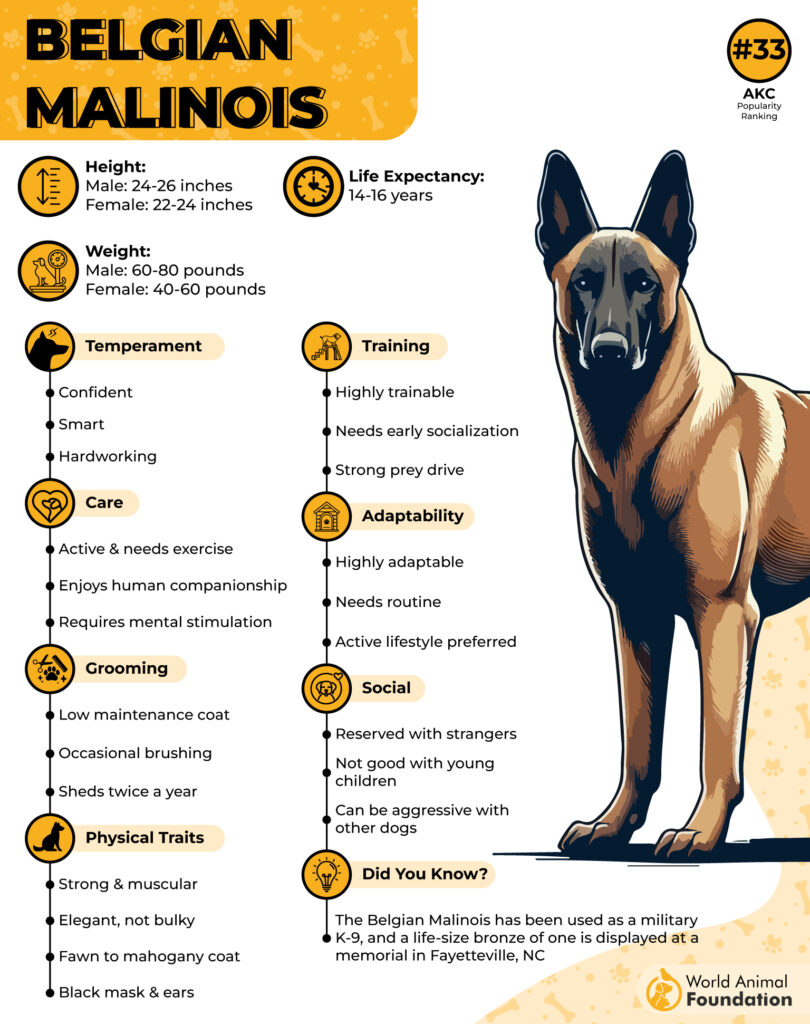
Belgian Malinois
Often mistaken for German Shepherds, Belgian Malinois are agile and intelligent. They excel in roles requiring quick decision-making and are commonly used in police work and military operations.
Imagine having a dog that can not only protect but also engage in advanced training exercises. Their energy levels are high, and they need regular mental and physical stimulation. Could your lifestyle match the enthusiasm of a Belgian Malinois?
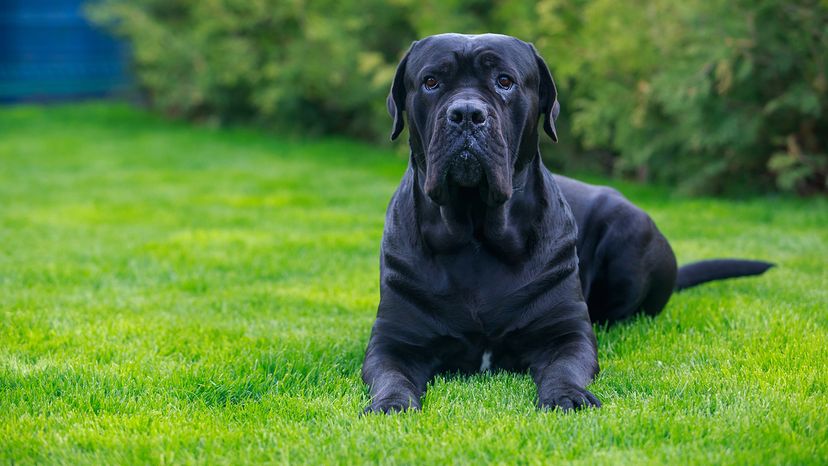
Cane Corsos
Cane Corsos are powerful Italian dogs with a strong protective instinct. Their loyalty is unmatched, and they form strong bonds with their owners. This breed is known for its confidence and assertiveness.
They require consistent training and socialization to ensure they’re well-adjusted. When trained appropriately, they are excellent guard dogs who take their job seriously. Are you prepared to dedicate time to shaping a Cane Corso into a formidable guardian?
Credit: animals.howstuffworks.com
Guard Dog Training Tips
German Shepherds, Rottweilers, and Doberman Pinschers excel as guard dogs due to their loyalty and intelligence. These breeds possess strong protective instincts, making them ideal for security tasks. Regular training and socialization enhance their natural abilities, ensuring effective guarding behavior.
Guard dogs are not just born; they are trained to protect and serve. The process of training a guard dog is a journey that requires patience, consistency, and understanding. Whether you have a German Shepherd, Rottweiler, or Doberman, instilling the right behaviors early on is crucial. But where do you start? Here’s a guide to help you navigate through the essential phases of guard dog training.Early Socialization
From the moment your puppy arrives, begin their socialization. Introduce them to a variety of people, places, and situations. The goal is to ensure they are comfortable and confident in any environment. This helps prevent fear-based aggression and builds a solid foundation for future training.Obedience Training
Obedience training is the backbone of a reliable guard dog. Teach basic commands like sit, stay, and come. Consistency is key; practice commands daily and use positive reinforcement. Obedience not only strengthens your bond but ensures your dog responds in critical situations.Advanced Protection Training
Advanced protection training is where your dog learns specific guarding skills. Work with a professional to teach controlled aggression and protection commands. Training should never encourage uncontrolled aggression. Your goal is a dog that can protect on command and relax when the threat is gone.Living With Guard Dogs
German Shepherds, Rottweilers, and Doberman Pinschers excel as guard dogs with their strong instincts and loyalty. These breeds offer protection while being trainable and good companions. Ensure proper training to harness their guarding abilities effectively.
Living with guard dogs requires understanding their unique needs. These dogs are loyal and protective. They can be great companions. Yet, their nature demands special attention. Owners should be ready for their energy and dedication. It’s important to provide the right environment. This helps them thrive and stay healthy.Family Compatibility
Guard dogs can be family-friendly. They often bond well with kids. Their protective nature makes them great watchdogs. Parents should supervise interactions. This ensures safety for everyone. Training helps guard dogs adapt to family life. It fosters trust and understanding. Each breed has its temperament. Research is key to finding the right match.Exercise Needs
Guard dogs need regular exercise. It keeps them healthy and happy. Daily walks and playtime are essential. Without activity, they may become restless. A fenced yard is ideal for them. It provides space to roam and explore. Exercise also reduces destructive behavior. Interactive toys can keep them engaged indoors.Health Considerations
Health is crucial for guard dogs. Regular vet check-ups are important. They help detect problems early. Diet plays a big role in their well-being. High-quality food supports their energy levels. Certain breeds have specific health issues. Owners must be aware of these. Vaccinations and flea control are necessary. They prevent diseases and discomfort.Guard Dog Vs. Family Pet
Choosing a guard dog that fits your family is important. Some breeds offer strong protection. But they can also be gentle with family members. Understanding the balance between guarding and being a family pet helps make the right choice. This involves knowing what traits are essential for both roles.
Balancing Guarding And Companionship
A good guard dog should alert you to danger. It should also be calm around family and friends. Breeds like the German Shepherd excel in both roles. They are loyal, protective, and love family time. The Rottweiler is another example. It is often seen as tough, but it is also affectionate with its family. Training plays a big role in this balance. Proper training ensures the dog knows when to guard and when to relax.
Common Misconceptions
Many think guard dogs are always aggressive. This is not true. With the right training, they can be gentle and friendly. Another misconception is that all large dogs make good guards. Size does not always mean better protection. Some small breeds have strong guarding instincts. People also assume guard dogs cannot be family pets. But many breeds are great with children and are very loving.
Credit: worldanimalfoundation.org
Frequently Asked Questions
What Are The Best Guard Dog Breeds?
German Shepherds, Rottweilers, and Doberman Pinschers are top guard dog breeds. They are protective and loyal. These dogs are intelligent and trainable. Their strong instincts make them excellent at guarding. Each breed has unique traits that suit different needs.
Are Rottweilers Good Guard Dogs?
Yes, Rottweilers are excellent guard dogs. They are known for their strength and loyalty. Rottweilers are protective of their families. With proper training, they are reliable and obedient. Their intimidating presence deters intruders effectively.
Can Dobermans Be Trained As Guard Dogs?
Absolutely, Dobermans are highly trainable guard dogs. They are intelligent and responsive to commands. Their loyalty and alertness make them effective protectors. Dobermans are also known for their speed and agility. Proper training enhances their guarding abilities.
Why Are German Shepherds Popular Guard Dogs?
German Shepherds are popular due to their intelligence and versatility. They are easy to train and highly protective. Their loyal nature makes them excellent family guardians. German Shepherds are also used in police and military roles. Their adaptability suits various environments.
Conclusion
Choosing a guard dog requires careful thought. Different breeds offer varied traits. Size and temperament play crucial roles. Training enhances their natural skills. Protection is their primary duty. Loyalty remains their strongest attribute. Each breed comes with unique challenges. Consider your lifestyle and environment first.
Research is key to finding the right fit. Dogs provide security and companionship. A well-chosen breed brings peace of mind. They become family members, not just guards. Make an informed decision for lasting harmony. Your safety and happiness depend on it.
Always prioritize responsible ownership. A happy dog is a great protector.