What Breeds of Dog are Banned in the UK: Essential Guide
Senior Canine Nutritionist & Dog Behavior Specialist at Cozy Dog Go Wellness Lab
Have you ever wondered why certain dog breeds are banned in the UK? You might be surprised to learn that the UK has strict laws regarding specific breeds.
It’s not just about their size or appearance; it’s about safety and how these dogs can affect communities. Understanding these laws can help you make informed decisions if you’re considering getting a dog or simply want to know more about dog regulations in the UK.
Imagine walking down the street and feeling safe, knowing that measures are in place to prevent dog attacks. These laws aim to protect you and your loved ones from potential harm. But which breeds are actually on the list? And what does this mean for dog owners? This article will delve into the specifics of the banned breeds, the reasons behind the bans, and what it means for you. Get ready to uncover surprising facts and insights that will change how you view dog ownership in the UK!

Credit: uk.news.yahoo.com
Prohibited Dog Breeds In The Uk
The UK has strict regulations on certain dog breeds. These laws aim to protect the public from potentially dangerous dogs. Specific breeds are banned under the Dangerous Dogs Act. Let’s explore these prohibited breeds.
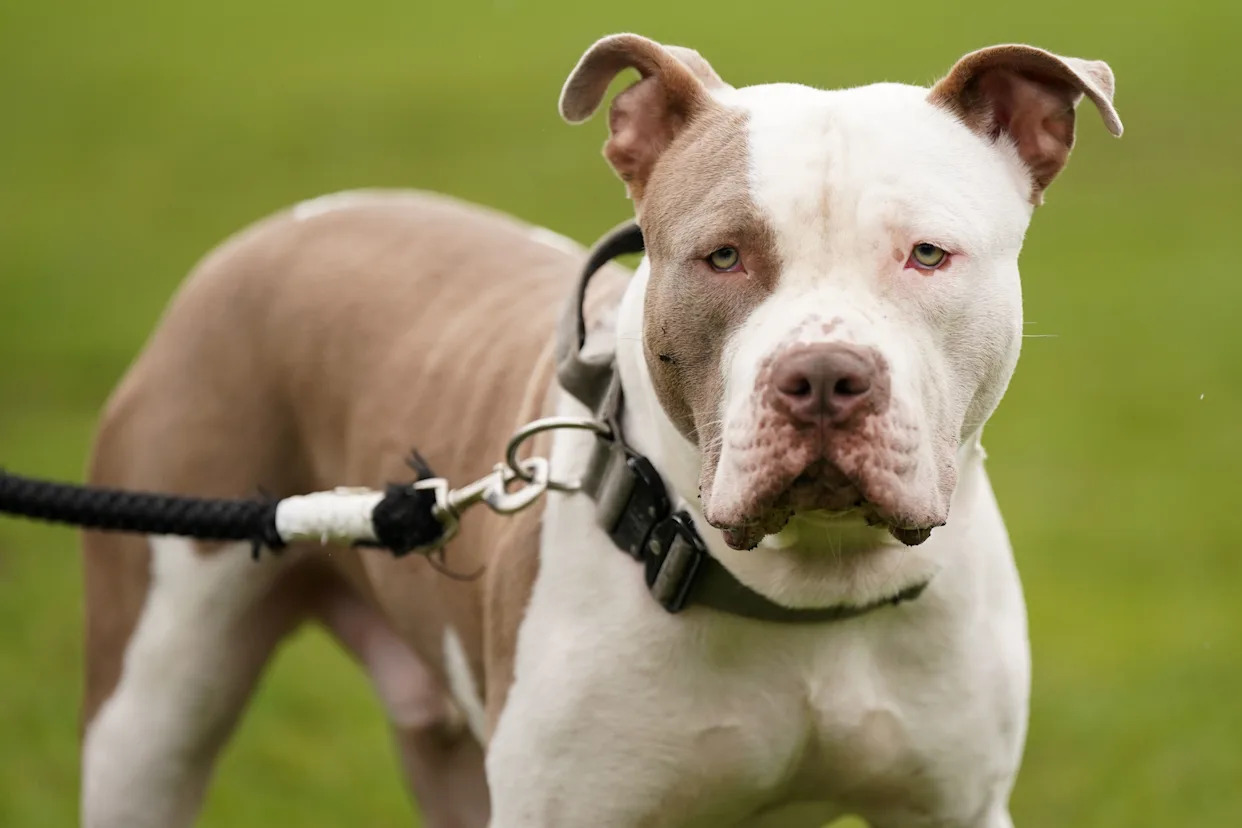
Pit Bull Terrier
The Pit Bull Terrier is often associated with aggression. It has a strong, muscular build. This breed was originally bred for fighting. Its powerful jaws can cause severe injury. Due to these traits, it is banned in the UK.
Japanese Tosa
The Japanese Tosa is a rare breed with a fearsome reputation. It was bred for dog fighting in Japan. The Tosa is large and intimidating. It can weigh up to 200 pounds. Its aggressive nature led to its ban in the UK.
Dogo Argentino
The Dogo Argentino is known for hunting big game. It is muscular and powerful. The breed is often used in hunting wild boar. It has a strong prey drive. Due to its potential danger, it is banned in the UK.
Fila Brasileiro
The Fila Brasileiro is a large and imposing breed. It was originally used to track down livestock. The breed is known for its protective nature. It can be aggressive towards strangers. This has resulted in a ban in the UK.
Reasons For Breed Bans
Understanding why certain dog breeds are banned in the UK can be crucial. The reasons often relate to safety and historical concerns. Here, we’ll explore these reasons in detail.
Public Safety Concerns
Public safety is a primary reason for breed bans. Some breeds might pose a higher risk to communities. The fear of attacks leads to strict regulations. Authorities aim to prevent dangerous situations. Keeping the public safe is always a priority.
Historical Incidents
Past events influence breed bans significantly. Certain breeds have been involved in serious incidents. These events often lead to fear and concern. Historical attacks shape public perception. They impact laws and regulations concerning dog breeds.
Aggression And Behavior Traits
Some breeds are known for aggressive behavior. These traits can lead to unpredictable actions. Breeds with strong protective instincts might be seen as threats. Their behavior might not suit every environment. Such traits play a role in banning decisions.
Legal Consequences Of Owning A Banned Breed
Owning a banned dog breed in the UK can lead to serious legal consequences. Breeds like Pit Bull Terriers, Japanese Tosas, Dogo Argentinos, and Fila Brasileiros are prohibited. Possession may result in fines, confiscation, or legal action.
Owning a banned breed in the UK is not just a matter of breaking the law—it’s a decision that can lead to severe legal consequences. If you’re considering adopting a dog, it’s crucial to know which breeds are prohibited and the repercussions of owning one. The Dangerous Dogs Act 1991 outlines these breeds, and failing to comply could cost more than you might think. This isn’t just about fines or penalties; it’s about the potential heartbreak and legal battles that can ensue. Let’s dive into the specifics of what you might face.Penalties And Fines
If you’re caught owning a banned breed, you could face significant fines. The law is strict, and ignorance is no excuse. Authorities may impose a fine that could reach up to £5,000. Beyond financial penalties, you might also receive a criminal record, which can have long-lasting impacts on your life. Imagine how this could affect your job prospects or travel opportunities. Is a banned breed worth this risk?Seizure And Euthanasia
One of the most heart-wrenching consequences is the potential for your dog to be seized. Authorities have the right to take your pet if they suspect it is a banned breed. The process is swift and can lead to your dog being held in a kennel for an indefinite period. In the worst-case scenario, your beloved pet could be euthanized if deemed unsafe. Can you bear the thought of losing your pet in such a tragic way? It’s essential to verify your dog’s breed and avoid this devastating outcome.Exemptions And Licensing
There are rare cases where exemptions can be made, but the process is complex and not guaranteed. You would need to obtain a court-issued certificate of exemption. This involves proving that your dog poses no danger to the public, which can be a lengthy and costly process. Licensing is another option, but it requires strict adherence to specific conditions, such as mandatory microchipping and keeping the dog on a lead and muzzled in public. Are you prepared to navigate these legal hoops? It’s a significant commitment that requires thoughtful consideration and planning. Understanding these legal consequences can help you make informed decisions about pet ownership. Your choices have real implications, not just for you but for your potential furry friend. Is the risk worth the companionship?
Credit: www.reddit.com
Identifying Banned Breeds
Identifying banned dog breeds in the UK requires careful attention. These breeds are banned under the Dangerous Dogs Act. Understanding how to identify these breeds is crucial for dog owners and enthusiasts. In this section, we’ll discuss the key ways to identify banned breeds.
Physical Characteristics
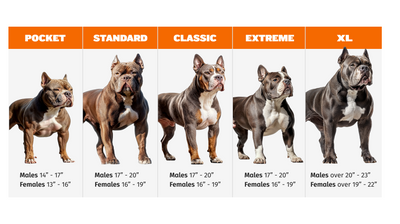
Physical traits help identify banned breeds. These dogs often have distinct features. They may have a muscular build and broad head. Short muzzles and strong jaws are common. Look for a thick neck and deep chest. These are typical signs of banned breeds.
Dna Testing
DNA testing offers a scientific method for breed identification. It helps confirm a dog’s genetic makeup. This testing can reveal if a dog belongs to a banned breed. Many vets provide this service. It’s reliable and accurate for identifying breeds.
Professional Assessments
Professional assessments by experts are crucial. Experts can determine a dog’s breed through evaluation. They analyze physical traits and behavior. This assessment helps ensure accurate identification. It’s important for legal and safety reasons.
Alternatives To Banned Breeds
In the UK, certain dog breeds are banned due to safety concerns. For dog lovers, this may be disappointing. Fortunately, there are wonderful alternatives. These breeds can offer similar qualities without legal issues. Let’s explore some non-banned breeds, choosing safe family dogs, and the importance of training and socialization.
Similar Non-banned Breeds
Some breeds resemble banned ones. They offer similar looks or temperaments. Consider the Staffordshire Bull Terrier. It is friendly and loyal. Another option is the Boxer. It is energetic and protective. Both are legal and make great pets.
Choosing Safe Family Dogs
Safety is key for families. Look for dogs with gentle temperaments. Labradors are a popular choice. They are friendly and good with children. Golden Retrievers are also ideal. They are known for their patience. Choosing these breeds ensures a harmonious home.
Training And Socialization
Training is essential for any dog. It builds trust and understanding. Start with basic commands. Socialization helps dogs feel comfortable. Introduce them to new environments gradually. This reduces anxiety and aggression. Training and socialization create well-adjusted pets.
Impact On Dog Owners
Dog owners in the UK face challenges with banned breeds like Pit Bull Terriers and Japanese Tosas. These restrictions can affect ownership decisions, limiting options and impacting choices for prospective pet owners.
The ban on certain dog breeds in the UK deeply affects dog owners. Many experience a range of challenges, both emotionally and financially. These challenges shape their daily lives and impact their communities. Understanding these effects can help support those affected by breed-specific legislation.Emotional And Financial Effects
Owners often develop strong bonds with their pets. The ban can lead to distress and heartbreak. Losing a pet due to legal restrictions is painful. It disrupts family life and causes emotional turmoil. Financially, owners face unexpected expenses. Legal fees, fines, and potential rehoming costs add up. This creates a financial burden for families already stressed by the situation.Community And Social Implications
The ban affects community dynamics. Neighbors may view certain breeds with fear. This can lead to social isolation for owners. Dog owners might feel judged or ostracized. This social stigma can decrease community cohesion. The presence of banned breeds can spark debate and divide communities.Legal Guidance And Support
Navigating the legal landscape is daunting. Owners must understand the law to protect their pets. Legal guidance is crucial in these situations. Support groups and legal advisors offer help. They provide information and emotional support. Accessing these resources can ease the burden on affected owners.Future Of Breed Bans
Breed bans in the UK include specific types like Pit Bull Terriers and Japanese Tosas. These laws aim to ensure public safety. The future of these bans is debated, with discussions on effectiveness and alternative solutions gaining traction.
The future of breed bans in the UK is a topic that sparks passionate debates and critical discussions among dog lovers, policy makers, and animal rights advocates. As the landscape of animal legislation evolves, it’s crucial to stay informed and involved in shaping the conversation. With changing societal attitudes and emerging research, what does the future hold for these controversial laws?Legislative Changes
Recent years have seen a shift in legislative approaches to dog breed bans in the UK. Authorities are reconsidering the effectiveness of these laws and looking into alternative measures. Could a focus on responsible ownership and education replace the need for breed-specific legislation? Many believe that understanding dog behavior and promoting proper training might be a more effective path.Advocacy And Awareness
Advocacy groups are tirelessly working to raise awareness about the implications of breed bans. They emphasize the importance of understanding a dog’s individual temperament rather than making judgments based on breed alone. Have you ever thought about how advocacy can influence policy change? Engaging with local campaigns and spreading awareness can make a significant impact.International Comparisons
Looking beyond the UK, several countries have taken different approaches to managing dog breeds. For example, in the Netherlands, breed-specific legislation has been replaced with regulations focusing on owner responsibility. What can the UK learn from these international examples? Comparing policies can offer valuable insights and inspire innovative solutions that prioritize both public safety and animal welfare. By staying informed and actively participating in the conversation, you can contribute to shaping a future where dogs are judged by their behavior, not their breed.
Credit: www.theguardian.com
Frequently Asked Questions
Which Dog Breeds Are Banned In The Uk?
In the UK, the Dangerous Dogs Act bans Pit Bull Terriers, Japanese Tosas, Dogo Argentinos, and Fila Brasileiros. These breeds are considered dangerous due to their aggressive tendencies. The law aims to protect public safety by restricting ownership of these specific breeds.
Why Were These Dog Breeds Banned?
These breeds were banned because they are considered dangerous. They have a history of aggression and attacks. The UK government implemented the ban to enhance public safety and reduce dog-related incidents.
Can I Own A Banned Breed In The Uk?
Owning a banned breed is illegal unless it’s exempted. Exempt dogs must be registered, neutered, and microchipped. Owners need special court permission. They must adhere to strict conditions to keep the dog legally.
How Can I Identify A Banned Dog Breed?
Identifying a banned breed can be tricky. Look for specific physical traits and consult experts. Veterinary professionals or breed specialists can provide accurate identification. It’s crucial to avoid owning banned breeds unintentionally.
Conclusion
Understanding banned dog breeds in the UK is crucial for pet owners. It helps ensure compliance with local laws. Owning a banned breed can lead to serious consequences. Protect your family and pets by staying informed. Research and choose suitable breeds for your environment.
Consult experts or local authorities if unsure. Knowledge keeps your community safe and harmonious. Avoid risks by making informed decisions. Every dog deserves a loving home. Choose wisely and responsibly. Stay updated on regulations to ensure happy, healthy pets.

Similar Posts