What Can I Put on My Dog’S Itchy Skin: Relief Tips
Senior Canine Nutritionist & Dog Behavior Specialist at Cozy Dog Go Wellness Lab

Is your furry friend constantly scratching and looking uncomfortable? Watching your beloved pet struggle with itchy skin can be both frustrating and heartbreaking.
You may feel helpless as you search for a solution that offers them relief. But don’t worry—you’re not alone, and there are effective ways to soothe your dog’s discomfort. This article will guide you through simple, yet effective remedies that can make a world of difference for your dog’s itchy skin.
Imagine the joy and relief on your dog’s face when the itching finally stops. Stay with us, and let’s uncover the best options to bring comfort back into your dog’s life.
Causes Of Itchy Skin In Dogs
Understanding the causes of itchy skin in dogs helps in providing relief. This discomfort can arise from various factors. Identifying the root cause is crucial for effective treatment.
Allergies
Allergies often lead to itchy skin in dogs. They can be triggered by food, pollen, or dust mites. Identifying and avoiding allergens can ease your dog’s discomfort.
Parasites
Parasites like fleas and ticks cause severe itching. They irritate the skin and can lead to infection. Regular check-ups and preventive treatments help keep these pests at bay.
Environmental Irritants
Certain plants, chemicals, or soaps can irritate a dog’s skin. These irritants cause redness and itching. Using hypoallergenic products can reduce the risk.
Skin Infections
Bacterial or fungal infections often result in itchy skin. These infections need veterinary treatment for complete recovery. Early detection prevents further complications.
Dietary Adjustments
Dietary adjustments can play a significant role in soothing your dog’s itchy skin. If you’ve been struggling with endless scratching, it might be time to look closely at what’s in your dog’s bowl. A few simple changes could make a world of difference. Let’s dive into some dietary components that can help alleviate your furry friend’s discomfort.
Omega-3 Fatty Acids
Omega-3 fatty acids are like magic for itchy skin. Adding these to your dog’s diet can reduce inflammation and improve skin health. Fish oil supplements are a popular choice, but you can also find omega-3s in foods like flaxseed and chia seeds.
Have you noticed your dog scratching less after introducing omega-rich foods? Many pet owners report a noticeable improvement. Consider a supplement or sprinkle some seeds into their meals and observe the change.
Hydration Importance
Water is often overlooked in discussions about skin health. Proper hydration can maintain skin elasticity and prevent dryness. Ensure your dog has constant access to fresh water.
Adding moisture-rich foods like cucumbers or watermelon to their diet can also help. A hydrated dog is a happier dog, and you might see a decrease in itching just by upping their water intake.
Food Sensitivities
Food sensitivities could be the hidden culprit behind your dog’s itchy skin. Common allergens include grains, chicken, and beef. If you suspect food sensitivities, try eliminating one potential allergen at a time.
Have you ever tried switching to a hypoallergenic dog food? It might just be the solution to your dog’s skin woes. Pay attention to ingredient lists and see if changing their diet reduces itchiness.
Topical Treatments
Soothe your dog’s itchy skin with topical treatments like aloe vera or coconut oil. These natural remedies can help reduce irritation and provide relief. Always consult a veterinarian to ensure safe and effective use for your pet’s specific needs.
Topical treatments for itchy skin can bring relief to your furry friend. These methods target the specific areas causing discomfort. They offer immediate soothing effects. Let’s explore some popular options that can help ease your dog’s itchy skin.Medicated Shampoos
Medicated shampoos can be effective for treating skin issues. They contain ingredients that calm irritation and reduce itching. Look for shampoos with antifungal or antibacterial properties. These can address skin infections that cause discomfort. Ensure to follow the instructions on the label for best results.Natural Oils
Natural oils can nourish and moisturize your dog’s skin. Coconut oil is known for its soothing properties. It can help reduce dryness and irritation. Apply a small amount to the affected area for relief. Olive oil can also be beneficial. It provides hydration and helps maintain skin health.Soothing Balms
Soothing balms offer targeted relief for itchy spots. They are easy to apply and quickly absorb into the skin. Look for balms with natural ingredients like aloe vera. These can provide cooling effects to reduce itchiness. Make sure the balm is safe for pets and free from harmful chemicals.Home Remedies
Oatmeal baths soothe your dog’s itchy skin naturally. Coconut oil moisturizes and reduces irritation effectively. Chamomile tea can calm sensitive areas.
Dealing with a dog suffering from itchy skin can be challenging. But before you reach for expensive treatments, consider trying some natural home remedies. These solutions can often soothe your pet’s discomfort using items you likely already have. Let’s explore how you can help your furry friend feel more comfortable.Oatmeal Baths
A simple oatmeal bath can work wonders for your dog’s itchy skin. Just grind plain oatmeal into a fine powder and mix it with warm water in your dog’s bath. This natural remedy provides relief by forming a protective barrier on the skin, reducing irritation. Have you ever noticed how relaxed you feel after a soothing bath? Your dog will experience the same calmness with an oatmeal soak. Make bath time enjoyable by gently massaging the oatmeal mixture into their fur and skin.Aloe Vera Gel
Aloe Vera is not just for sunburns. Its soothing properties can also ease your dog’s itchiness. Use pure Aloe Vera gel and apply a thin layer directly to the affected areas. Ensure you’re using a gel free of added chemicals or alcohol. If you have an Aloe Vera plant at home, you can extract the gel directly from its leaves. It’s a natural way to provide immediate relief.Coconut Oil Application
Coconut oil is a versatile remedy that hydrates and soothes the skin. Warm a small amount in your hands and gently massage it into your dog’s coat and skin. This oil not only moisturizes but also has antibacterial properties. It can help prevent infections that often accompany constant scratching. Plus, it leaves your dog smelling fresh and feeling silky smooth. By incorporating these home remedies, you’re not just addressing the itchiness. You’re also strengthening your bond with your pet through care and attention. What other natural solutions have you found effective for your dog’s skin?Veterinary Solutions
When your dog’s skin is itchy, veterinary solutions can provide relief. Professional care often offers the most effective treatments for persistent skin issues. These solutions can address underlying causes, ensuring your pet feels comfortable and healthy.
Prescription Medications
Veterinarians may prescribe medications to soothe your dog’s skin. These can include antihistamines, steroids, or antibiotics. Antihistamines help manage allergic reactions. Steroids reduce inflammation and itching. Antibiotics treat bacterial infections. Each medication targets specific issues, improving skin health.
Professional Advice
Consulting a vet gives you access to expert advice. They assess your dog’s condition and recommend tailored treatments. This professional guidance ensures you use the right products safely. Vets can suggest topical creams, medicated shampoos, or dietary changes. Their advice helps in managing your dog’s skin health effectively.
Allergy Testing
Allergy testing identifies triggers causing your dog’s skin problems. Vets perform tests to uncover allergens like pollen, food, or dust. Knowing the allergen helps in avoiding exposure, reducing skin irritation. Allergy tests guide treatment plans, ensuring targeted solutions. They are vital for long-term relief and prevention.

Credit: www.amazon.com
Preventive Measures
Oatmeal baths can soothe your dog’s itchy skin, providing relief naturally. Coconut oil application helps moisturize and reduce irritation. Regular grooming and flea control are crucial in preventing skin problems.
Preventive measures play a crucial role in managing your dog’s itchy skin. Addressing potential irritants before they become a problem can save your furry friend from unnecessary discomfort. By incorporating these simple practices into your daily routine, you can help maintain your dog’s skin health and overall well-being.Regular Grooming
Regular grooming is essential for maintaining your dog’s skin health. Brushing your dog not only removes loose fur and dirt but also stimulates natural oils that keep the skin moisturized. My dog, Max, loves his grooming sessions. It’s not just about keeping him clean; it’s a bonding experience that he truly enjoys. Bathing is another important aspect, but don’t overdo it. Frequent baths can strip natural oils, leading to dry skin. Choose a gentle, hypoallergenic shampoo tailored for dogs. Have you ever considered a dry shampoo for those in-between times? It can be a lifesaver on busy days!Clean Living Environment
A clean living environment is vital for preventing skin irritations. Dust, pollen, and other allergens can accumulate in your home, affecting your dog’s skin. Regular cleaning helps minimize these irritants. Vacuuming and washing your dog’s bedding frequently can make a significant difference. Imagine your dog rolling around in a fresh, clean bed—it’s a simple pleasure that boosts their comfort and health. Think about outdoor spaces too. Keeping your yard tidy and free from potential irritants like fallen leaves or grass clippings can help prevent skin problems.Balanced Diet
A balanced diet is the cornerstone of your dog’s health. The nutrients your dog consumes directly impact their skin. Omega-3 fatty acids, found in fish oil, are particularly beneficial for skin health. Have you ever noticed a difference in your dog’s coat after adding fish oil supplements? It’s like a magic potion for enhancing shine and reducing itchiness. Don’t forget about hydration. Ensure your dog has access to fresh water. Well-hydrated skin is less prone to itching. Are you feeding your dog a diet rich in vitamins and minerals? Sometimes, small dietary adjustments can lead to big improvements in skin health.Signs Of Serious Conditions
Itchy skin in dogs can sometimes signal serious health issues. Understanding these signs is essential for your pet’s well-being. Keep an eye on any changes in your dog’s behavior or skin condition. Early detection can make a significant difference in treatment.
Persistent Itching
Persistent itching is a red flag. If your dog scratches non-stop, it needs attention. Continuous scratching may lead to skin damage. It can also indicate underlying health problems. Allergies or infections might be the cause. Consult your vet if the itching doesn’t stop.
Skin Lesions
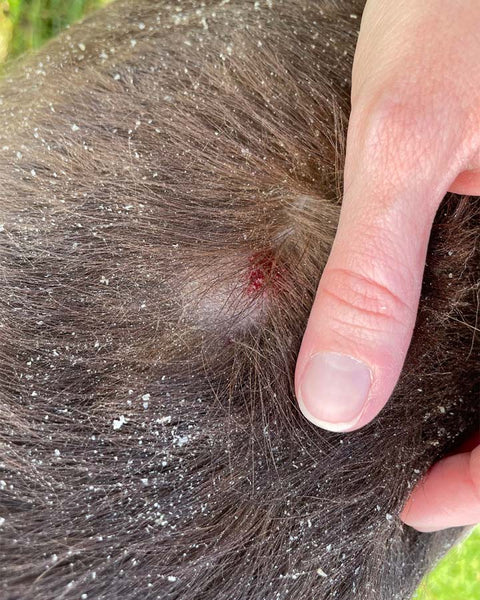
Skin lesions are another concern. They may appear as sores or bumps. These can result from excessive scratching or infections. Lesions can become infected if left untreated. They are often painful for your dog. Quick veterinary care can prevent complications.
Behavioral Changes
Behavioral changes often accompany skin issues. Your dog might become irritable or restless. It may also lose interest in usual activities. Changes in eating habits can occur too. These shifts can signal discomfort or pain. Always report such changes to your vet promptly.

Credit: www.amazon.com

Credit: www.amazon.co.uk
Frequently Asked Questions
What Home Remedy Can Soothe My Dog’s Itchy Skin?
Oatmeal baths are a popular home remedy for itchy dog skin. They provide relief by moisturizing and soothing irritation. You can also try applying aloe vera gel, which has anti-inflammatory properties. Ensure any remedy used is safe and non-toxic for dogs.
Always consult your vet before trying new treatments.
Can Coconut Oil Help Relieve My Dog’s Itching?
Yes, coconut oil can help relieve itching in dogs. It has moisturizing properties that soothe dry skin. Apply a small amount directly to the affected area. Coconut oil also has anti-inflammatory properties, which can help reduce redness and irritation. Always patch-test first to ensure your dog isn’t allergic.
Is Apple Cider Vinegar Safe For My Dog’s Skin?
Apple cider vinegar is generally safe for dogs when diluted. It can help relieve itching by balancing skin pH. Mix equal parts of water and vinegar, and spray onto the itchy areas. Avoid using on open wounds or broken skin, as it may sting.
Consult your vet for advice specific to your dog.
What Over-the-counter Products Are Safe For Dog Itching?
Look for hydrocortisone creams specifically formulated for dogs. These can reduce itching and inflammation. Colloidal oatmeal shampoos are also effective in soothing itchy skin. Ensure any product used is safe for pets, as human formulations may contain harmful ingredients. Always follow the instructions and consult your vet for recommendations.
Conclusion
Caring for your dog’s itchy skin can be simple. Try natural remedies. Oatmeal baths soothe irritated skin. Aloe vera gel offers relief. Coconut oil moisturizes. Always choose safe, dog-friendly products. Consult your vet for advice. They know what’s best for your pet.
A healthy diet helps too. Boost your dog’s skin health from inside. Keep your dog’s environment clean. Avoid allergens and irritants. Regular check-ups ensure your dog’s comfort. Happy dog, happy life! Remember, gentle care keeps your furry friend feeling great.
Your dog deserves the best.

Similar Posts