What are the Healthiest Small Dog Breeds: Top Choices
Senior Canine Nutritionist & Dog Behavior Specialist at Cozy Dog Go Wellness Lab

Are you thinking about welcoming a small furry friend into your home? Choosing the right breed is crucial, especially if you want a healthy and happy companion.
Small dog breeds are not only adorable but often come with fewer health issues than their larger counterparts. But which ones are the healthiest? Knowing this can save you both time and heartache in the long run. Imagine having a loyal friend who’s not just cute and cuddly but also robust and full of life.
Let’s dive into the world of small dogs to discover which breeds are known for their good health, so you can make the best choice for you and your family. Keep reading to find the perfect, healthy small dog breed that will bring joy to your life for years to come.
Benefits Of Owning A Small Dog
Owning a small dog brings many benefits. These compact companions fit well in various living spaces. They often adapt to apartments or small homes with ease. Small dogs are also easy to travel with, fitting comfortably in carriers. Their size makes them less intimidating to young children and other pets.
Small dogs often require less food, reducing overall feeding costs. They typically have fewer grooming needs, saving time and money. With their playful and affectionate nature, small dogs make excellent companions. They are known to be loyal and form strong bonds with their owners.
Convenient For Urban Living
Small dogs thrive in cities. Their size suits busy urban lifestyles. They need less room to exercise, perfect for city dwellers. Walking them is simple, even in crowded areas. They adapt well to public transportation. This makes them ideal for city adventures.
Lower Exercise Requirements
These breeds often need less exercise. Short walks usually suffice. This is great for those with busy schedules. They can play indoors, keeping them active. Small dogs enjoy games like fetch in small spaces.
Cost-effective Ownership
Small dogs generally cost less to maintain. They eat smaller amounts of food. This reduces monthly expenses. Veterinary bills tend to be lower. Smaller doses of medicine cost less. Grooming services are often cheaper too.
Longer Lifespans
Small breeds often live longer than larger dogs. This means more years together. Their longevity provides extended companionship. They tend to age gracefully, staying active and playful. This longer lifespan is appealing to many pet owners.
Easy To Train
Small dogs are often quick learners. They respond well to training. Their intelligence makes them eager to please. Basic commands are easy to teach. They can learn tricks quickly, making training sessions fun.
Criteria For Healthiest Breeds
When choosing a small dog breed, health is a crucial factor that should never be overlooked. The healthiest small dog breeds often share common traits that contribute to their well-being and longevity. Understanding these criteria can guide you in selecting a breed that will thrive both physically and mentally. Whether you’re a seasoned dog owner or a first-time pet parent, knowing what makes a breed healthy is essential for a happy and active life together.
Genetic Diversity
Genetic diversity plays a significant role in the overall health of a breed. Breeds with a wide genetic pool are less prone to inherited diseases. This diversity ensures they have robust immune systems. Consider breeds that haven’t been overly bred for specific traits, as this can reduce genetic variability.
Size And Structure
Small dogs with balanced size and structure tend to be healthier. Breeds that are compact yet well-proportioned generally face fewer orthopedic issues. Avoid breeds with extreme physical traits, like very flat faces, as they can lead to breathing problems.
Temperament And Activity Level
A breed’s temperament directly impacts its health. Dogs that are naturally active and playful maintain better physical fitness. Choose a breed that matches your activity level to ensure it gets regular exercise. Dogs that are mentally stimulated are also less likely to develop behavioral issues.
Dietary Needs
The healthiest breeds often have straightforward dietary needs. Breeds that thrive on a balanced diet without specific restrictions are easier to care for. Consult your vet to understand the nutritional requirements of your chosen breed. A well-fed dog is a healthy dog.
Longevity And Lifespan
Longevity is a key indicator of a breed’s health. Some small breeds are known for their extended lifespans, living well into their teens. Research breeds with a track record of long lives. A longer lifespan means more years of companionship and joy.
Choosing the healthiest breed involves more than just looking at their physical traits. Consider how these criteria align with your lifestyle. What do you think makes a breed truly healthy? Share your thoughts and experiences in the comments below!
French Bulldog
French Bulldogs are known for their charming personalities and distinctive bat-like ears. Despite their small size, they are packed with energy and affection, making them a popular choice for families and individuals alike. But what makes them one of the healthiest small dog breeds?
Physical Characteristics
French Bulldogs are compact, muscular dogs with a smooth coat and a flat nose. Their small stature, typically weighing between 16 to 28 pounds, makes them perfect for apartment living. Their large, expressive eyes and unique ear shape give them a playful appearance. These dogs are sturdy yet surprisingly agile, often surprising their owners with sudden bursts of energy.
Common Health Issues
While French Bulldogs are generally healthy, they are prone to certain genetic conditions. Their flat noses can lead to breathing difficulties, especially in hot weather. Keep an eye out for skin allergies, a common issue due to their sensitive skin. Regular vet check-ups and a balanced diet can help manage these concerns effectively.
Lifestyle Needs
French Bulldogs thrive on companionship and love being part of the family. They require moderate exercise, such as short walks or play sessions. These dogs are not suited for excessive physical activity, making them ideal for people with a relaxed lifestyle. Do you enjoy a cozy evening indoors? Your French Bulldog will happily join you on the couch, providing endless cuddles.
Cavalier King Charles Spaniel
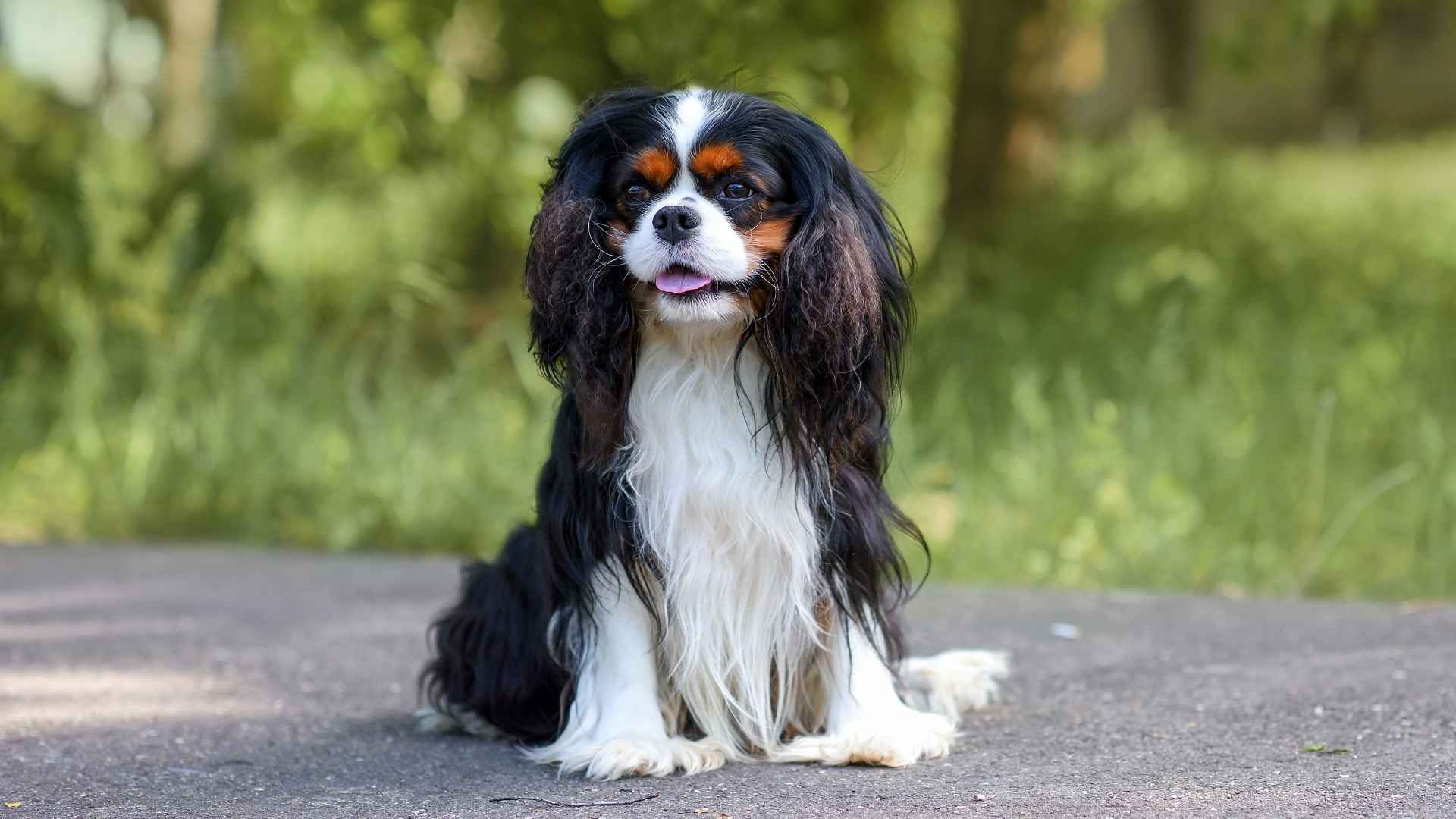
Cavalier King Charles Spaniels are known for their gentle nature and adaptability. They generally enjoy good health, making them a popular choice among small dog breeds. Regular check-ups and a balanced diet help maintain their well-being.
Cavalier King Charles Spaniels are adored for their gentle nature and charming looks. These small dogs are perfect companions, bringing joy and warmth to any household. They are known for their friendly demeanor and affectionate behavior.Physical Characteristics
Cavalier King Charles Spaniels are small, elegant dogs. They have large, expressive eyes and long, silky coats. Their ears are feathered and hang low, enhancing their regal appearance. They typically weigh between 13 to 18 pounds. Their compact size makes them perfect for small living spaces.Common Health Issues
Cavalier King Charles Spaniels may face some health challenges. They are prone to heart issues, such as mitral valve disease. Regular vet check-ups are essential for monitoring their heart health. Eye problems like cataracts can also occur. Early detection can help manage these conditions effectively.Lifestyle Needs
Cavaliers thrive in a loving home environment. They need daily walks and playtime for physical and mental stimulation. They enjoy being part of family activities and dislike being left alone for long periods. A balanced diet and regular grooming keep them healthy and happy.Pomeranian
Pomeranians are among the healthiest small dog breeds. Their playful nature keeps them active and fit. Regular grooming supports their overall well-being.
The Pomeranian is a delightful small dog breed with abundant charm. Known for their fluffy coats and vibrant personalities, these dogs make excellent companions. Their lively nature and playful demeanor endear them to dog lovers everywhere. Despite their small size, Pomeranians are full of energy and affection.Physical Characteristics
Pomeranians are small, compact dogs. They typically weigh between 3 and 7 pounds. Their most striking feature is their thick double coat, which gives them a fluffy appearance. Their coats come in a variety of colors, including orange, black, and white. They have a fox-like face with bright, alert eyes and pointed ears. Their tails are high and lie flat on their backs, adding to their distinctive look.Common Health Issues
Pomeranians are generally healthy, but they do have some health concerns. Dental problems are common due to their small mouths. Regular dental care is essential to prevent issues. They can also suffer from luxating patellas, where the kneecap dislocates. Collapsed trachea is another concern, leading to breathing difficulties. Regular vet check-ups help manage these conditions.Lifestyle Needs
Pomeranians thrive in active households. They enjoy daily walks and playtime. Mental stimulation is crucial for them, as they are intelligent dogs. Toys, puzzles, and training sessions keep them engaged. Despite their small size, they need regular exercise to stay healthy. Pomeranians are social and enjoy spending time with family members. They do well in apartments but still need outdoor activities. Socialization from a young age helps them interact well with other dogs and people.
Credit: www.aol.com
Shih Tzu
Shih Tzus are known for their sturdy health among small dog breeds. With proper care, they often enjoy long, healthy lives. Their friendly nature and adaptability make them excellent companions for families and individuals alike.
The Shih Tzu, a beloved small dog breed, is known for its distinct appearance and delightful temperament. With origins tracing back to ancient China, Shih Tzus were cherished by royals. These dogs have a friendly nature and a strong bond with their families. They are known for their loyalty and playful behavior, making them a popular choice for households.Physical Characteristics
Shih Tzus have a sturdy build and a compact body. They typically weigh between 9 to 16 pounds. Their height ranges from 8 to 11 inches. Shih Tzus have a long, flowing double coat that requires regular grooming. Their face is characterized by a short muzzle and large, dark eyes. The tail curls over the back, adding to their charming appearance.Common Health Issues
Shih Tzus are generally healthy but can face some health challenges. They are prone to eye problems, such as cataracts and dry eye. Breathing difficulties can occur due to their short snouts. Dental issues are common, requiring regular teeth cleaning. Ear infections may also arise due to their floppy ears.Lifestyle Needs
Shih Tzus thrive in a loving environment with attention from their owners. They require daily walks and playtime to stay active. These dogs adapt well to apartment living, needing only moderate exercise. Regular grooming is crucial to maintain their coat and overall health. Training should be consistent and gentle, as they respond well to positive reinforcement.Basenji
Basenjis are known for their robust health and minimal grooming needs. These small dogs rarely suffer from genetic health issues, making them a top choice for health-conscious pet owners. Their active lifestyle and playful nature contribute to their overall well-being.
The Basenji is a unique breed known for its barkless nature. These dogs are small, agile, and have a strong hunting instinct. Originating from Africa, Basenjis are both independent and affectionate. Their graceful demeanor and quiet behavior make them excellent companions for those who prefer a peaceful home.Physical Characteristics
Basenjis are small, muscular dogs with a sleek appearance. They typically weigh between 22 to 24 pounds. Their height ranges from 16 to 17 inches. A distinctive feature is their tightly curled tail. They have short, fine coats that come in various colors like chestnut red, black, and brindle. Their almond-shaped eyes give them a keen, intelligent look.Common Health Issues
Basenjis are generally healthy but can be prone to certain issues. Fanconi syndrome, a kidney disorder, is one concern. They might also face progressive retinal atrophy, affecting their vision. It’s crucial to have regular vet check-ups. Responsible breeding can minimize health risks.Lifestyle Needs
Basenjis thrive in active environments. They enjoy daily walks and playtime. Mental stimulation is important to prevent boredom. They are not fond of water and may resist swimming. A secure yard is essential due to their hunting instincts. Basenjis bond closely with their families and enjoy companionship.Yorkshire Terrier
Yorkshire Terriers are among the healthiest small dog breeds. They boast a resilient nature and long lifespan. Regular grooming and a balanced diet keep them thriving.
The Yorkshire Terrier, affectionately known as the Yorkie, is a small dog breed with a big personality. Renowned for their lively and affectionate nature, Yorkies make excellent companions, often charming everyone they meet. Despite their diminutive size, these dogs boast a surprising amount of energy and courage, making them a popular choice for many dog lovers.Physical Characteristics
Yorkshire Terriers are small, typically weighing between 4 to 7 pounds. Their most distinctive feature is their silky, fine coat that often requires regular grooming. With bright eyes and a perky demeanor, Yorkies exude an air of elegance and alertness.Common Health Issues
Like many small breeds, Yorkies can be prone to certain health issues. Dental problems are common, so regular teeth cleaning is crucial. They may also experience issues like hypoglycemia and patellar luxation, so regular vet check-ups are essential to maintain their health.Lifestyle Needs
Yorkies thrive in environments where they receive plenty of attention and social interaction. They need daily exercise, but their small size means they can get by with playtime indoors or short walks. Grooming is a significant part of their lifestyle needs, as their coats require regular brushing and occasional trims to prevent tangling. Have you ever considered how a small dog like the Yorkie can fit into your lifestyle? Their adaptability and affectionate nature make them ideal for apartment living, but they also appreciate a secure outdoor space to explore. Engaging with your Yorkie can be incredibly rewarding, offering companionship and joy every day.Tips For Maintaining Dog Health
Ensuring the health of your small dog is essential for their happiness and longevity. These little bundles of joy rely heavily on you for their care. But how can you ensure they stay in peak condition? Let’s dive into some practical tips that can help maintain your furry friend’s health and vitality. Diet and NutritionStart by understanding your dog’s dietary needs. Small breeds often require high-calorie diets due to their fast metabolism. Consider incorporating balanced portions of protein, fats, and carbohydrates. Choose high-quality dog food that meets their nutritional requirements.
Don’t forget the importance of hydration. Always keep a clean bowl of water available. You might be surprised how much this simple act can enhance their overall health.
Small dogs may have boundless energy. Provide regular exercise through daily walks or interactive play sessions. This not only helps maintain a healthy weight but also stimulates their mental health.
Engage in activities that match their energy levels. Some dogs enjoy agility training while others prefer a simple game of fetch in the park. What activity does your dog enjoy the most?
Regular vet visits are crucial. Schedule check-ups at least twice a year to catch any potential health issues early. These visits are not just for vaccinations but also for dental care and general health assessments.
Establishing a relationship with your vet can be invaluable. They can offer personalized advice based on your dog’s breed, age, and lifestyle. Is there a vet you trust with your dog’s health?
By focusing on these key areas, you can help ensure your small dog’s well-being and happiness for years to come. Keep these tips in mind, and your little companion will thank you with wagging tails and joyful barks.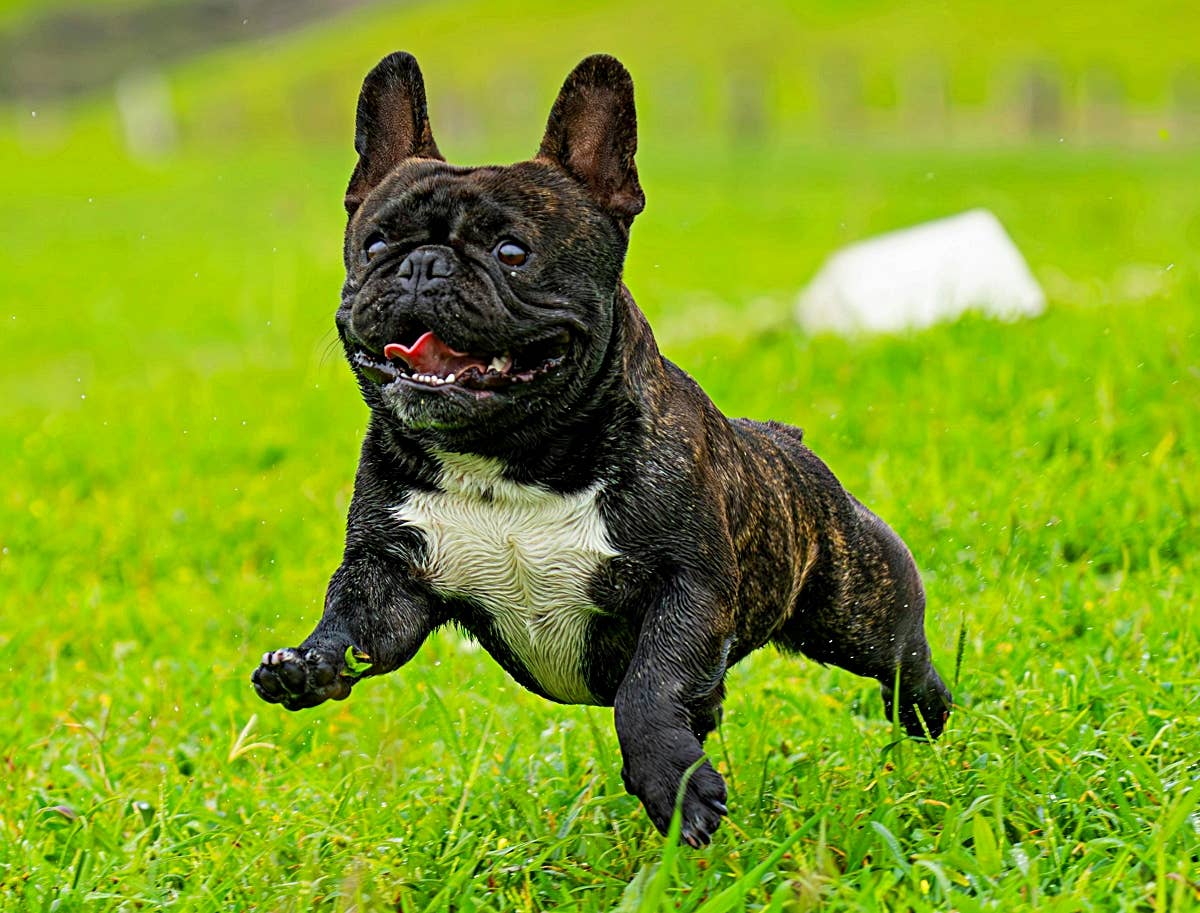
Credit: pethelpful.com

Credit: www.thesprucepets.com
Frequently Asked Questions
What Small Dog Breeds Are The Healthiest?
Some of the healthiest small dog breeds include the Chihuahua, Dachshund, and Toy Poodle. These breeds are known for their longevity and robust health. Regular vet check-ups, a balanced diet, and exercise can enhance their well-being. Always choose reputable breeders to ensure genetic health.
How Long Do Small Healthy Dogs Live?
Healthy small dogs often live between 12 to 16 years. Breeds like the Maltese and Shih Tzu can sometimes exceed this range. Longevity depends on genetics, diet, exercise, and healthcare. Regular veterinary visits and preventive care play a crucial role in extending their lifespan.
Are Small Dogs Less Prone To Diseases?
Small dogs are generally less prone to certain diseases compared to larger breeds. They have lower risks of hip dysplasia and certain heart conditions. However, they can still suffer from dental issues and obesity. Regular dental care and a balanced diet are essential for their health.
What Makes A Dog Breed Healthy?
A healthy dog breed typically has minimal genetic disorders and a robust immune system. Good breeders focus on health screenings and responsible breeding practices. Proper nutrition, exercise, and regular vet visits contribute to a dog’s health. Genetics play a significant role in determining overall health.
Conclusion
Choosing a healthy small dog breed is important. These breeds often live longer. They usually require less medical care. Exercise and a balanced diet help them thrive. Regular vet check-ups ensure their well-being. Small dogs fit well in apartments. They make great companions.
Their playful nature brings joy. Consider energy levels and temperament when choosing. Every breed has unique traits. Research and understand your pet’s needs. This helps in providing a happy life. Your small dog will offer love and loyalty. Enjoy the journey with your furry friend.

Similar Posts