What Dog Breeds are Banned in UK: Essential Guide
Senior Canine Nutritionist & Dog Behavior Specialist at Cozy Dog Go Wellness Lab
Are you curious about which dog breeds are banned in the UK? Whether you’re considering adopting a furry friend or simply interested in canine laws, understanding these restrictions is vital.
Picture this: you’re walking through a park and spot a dog that catches your eye. You wonder if this breed could be one of the restricted ones. Knowing the answer could save you from potential legal headaches. This article will explore the specific breeds that are banned and why these laws exist.
Stay with us to discover the surprising reasons behind these bans and how they might affect your choices as a responsible dog owner.
Banned Dog Breeds Overview
The UK has strict laws on dog breeds due to safety concerns. These laws aim to protect the public from potential harm. Understanding which breeds are banned can help dog owners and enthusiasts stay informed.
Understanding The Dangerous Dogs Act
The Dangerous Dogs Act was introduced in 1991. It aims to curb dangerous dog incidents. The act identifies specific breeds considered a risk to public safety. Owners of these breeds face legal consequences if found in possession. The act also applies to crossbreeds, resembling banned dogs. This ensures public protection from potentially aggressive dogs.
List Of Banned Dog Breeds
The UK government has banned certain dog breeds. These include:
- Pit Bull Terrier
- Japanese Tosa
- Dogo Argentino
- Fila Brasileiro
These breeds are considered dangerous. Their physical traits and behavior pose risks. The ban is strictly enforced across the UK.
Consequences Of Owning A Banned Breed
Owning a banned breed can lead to serious penalties. Owners may face fines or imprisonment. The dog might be seized and euthanized. Legal ownership requires a court exemption. The dog must pass a behavior test and be registered. Owners must also follow strict guidelines for care and control.
Exemptions And Special Permissions
Some banned dogs can live under certain conditions. Owners must prove the dog is not a danger. This involves passing a temperament test. If successful, the dog gets registered on the Index of Exempted Dogs. It must wear a muzzle and remain on a lead in public. The owner must also have third-party insurance.
Legal Framework For Breed Bans
The UK enforces breed bans through strict legal frameworks. These laws aim to protect the public from potentially dangerous dogs. Understanding these regulations helps owners make informed decisions.
Dangerous Dogs Act
In the UK, the Dangerous Dogs Act of 1991 is crucial. It targets breeds considered a risk to public safety. This legislation makes it illegal to own certain dog breeds. It includes the Pit Bull Terrier, Japanese Tosa, Dogo Argentino, and Fila Brasileiro. Owners of these breeds face strict penalties. The law allows authorities to take action against dogs posing a threat. It aims to reduce incidents involving aggressive dogs.
Implications For Ownership
Breed bans affect dog ownership significantly. Owners must adhere to strict guidelines. Failure to comply can lead to legal consequences. Dogs of banned breeds must be registered. They need a court exemption to stay with their owners. Owners may face fines or imprisonment for non-compliance. This impacts the adoption process too. Shelters must avoid banned breeds to comply with the law. Responsible ownership becomes vital under these regulations.
Specific Breeds Prohibited
The UK bans specific dog breeds considered dangerous. These include the Pit Bull Terrier, Japanese Tosa, Dogo Argentino, and Fila Brasileiro. Laws aim to ensure public safety by restricting ownership of these breeds.
Specific Breeds Prohibited Understanding which dog breeds are banned in the UK is crucial. The law aims to protect public safety by prohibiting certain breeds. This legislation targets dogs that are considered dangerous or unpredictable. Let’s explore the specific breeds that are prohibited.Pit Bull Terrier
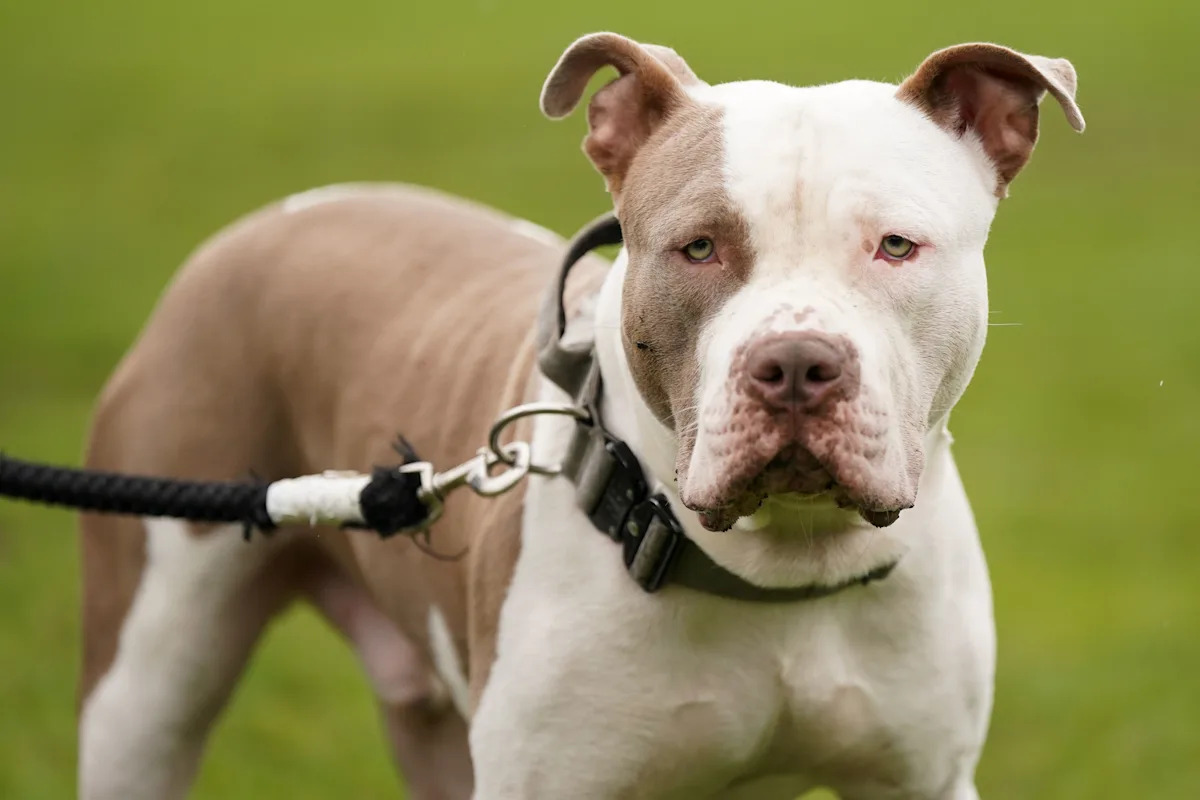
Pit Bull Terriers are widely recognized for their strength. Their muscular build often intimidates people. Due to aggressive tendencies, they are banned in the UK. This breed has been involved in numerous incidents. The law prioritizes public safety over ownership.Japanese Tosa
Japanese Tosa dogs are known for their size. They were originally bred as fighting dogs. Their powerful nature makes them a risk. The law prohibits owning them in the UK. This ensures a safer environment for everyone.Dogo Argentino
Dogo Argentinos are large and strong. They were bred for hunting big game. Their strength and drive can be dangerous. The UK law bans them to ensure safety. Their unpredictability poses a threat.Fila Brasileiro
Fila Brasileiro dogs are known for their loyalty. They are protective, sometimes overly so. This breed is banned due to aggressive behavior. The law aims to prevent possible harm. Safety for the public is the main concern.
Credit: www.theguardian.com
Reasons For Breed Bans
The topic of banned dog breeds in the UK often sparks heated debates. The reasons behind these bans are multifaceted, involving concerns for public safety and reflections on historical incidents. Understanding why certain breeds are banned can help you appreciate the complexities involved and perhaps challenge your own assumptions about dog behavior and ownership.
Public Safety Concerns
One of the primary reasons for breed bans is to ensure public safety. Certain breeds are perceived to pose a higher risk due to their physical capabilities and temperament. The UK law aims to prevent incidents before they occur, prioritizing the safety of citizens over individual pet ownership rights.
The Dangerous Dogs Act of 1991 was enacted following several high-profile attacks, causing widespread public fear. Authorities believed that limiting the ownership of certain breeds would reduce the likelihood of future incidents.
Can you imagine living next door to a breed deemed dangerous? The peace of mind knowing your community is safeguarded plays a significant role in these legal decisions.
Historical Incidents
History has shown that certain breeds have been involved in serious attacks, influencing their reputation. These incidents often lead to knee-jerk reactions from lawmakers, resulting in breed-specific legislation.
For example, the Pit Bull Terrier gained notoriety for violent behavior in the late 20th century, prompting its inclusion on the banned list. Such historical incidents serve as cautionary tales, driving legislation aimed at preventing similar occurrences.
Do you believe that past incidents should dictate the future of breed ownership? It’s a complex question that continues to provoke debate among experts and dog lovers alike.
Impact On Dog Owners
The ban on certain dog breeds in the UK doesn’t just affect the dogs; it deeply impacts their owners. For many, dogs are more than pets—they’re family. Imagine the emotional turmoil and stress faced by those whose beloved companions are banned. It’s crucial to understand how these laws shape the lives of dog owners, altering their routines and relationships.
Legal Consequences
Owning a banned breed can lead to severe legal consequences. If you unknowingly own one, you may face fines or even imprisonment. Authorities can seize your dog, leaving you helpless and heartbroken. It’s essential to know the law to avoid such drastic measures and protect your furry friend.
Rehoming Challenges
Rehoming a banned breed is a daunting task. Shelters and rescue centers may refuse to accept them due to legal restrictions, leaving owners with limited options. This process can be emotionally draining, as you might struggle to find a safe and loving home. How would you feel if you had to part with your pet, knowing there’s a chance they may never find a new home?

Credit: www.theguardian.com
Controversy And Criticism
The topic of banned dog breeds in the UK stirs emotions. Many people feel strongly about the laws. Critics argue that breed-specific laws are unfair. They believe these laws target certain breeds without cause. Supporters say the laws protect public safety. The debate remains heated and ongoing.
Effectiveness Of Breed Bans
Some believe breed bans reduce dog attacks. Yet, evidence shows mixed results. Studies suggest that behavior, not breed, matters more. Aggressive dogs often have poor training or care. Critics say breed bans are not effective alone. They call for a focus on owner responsibility and education.
Alternative Solutions
Many experts propose different approaches to dog safety. They suggest stricter regulations for dog owners. Education on responsible dog ownership is key. Training and socialization programs for dogs can help. Promoting these measures may reduce incidents. Bans alone might not solve the problem.
Navigating Breed Restrictions
Understanding breed restrictions in the UK is essential for dog owners. Some breeds like Pit Bull Terriers, Japanese Tosas, Dogo Argentinos, and Fila Brasileiros face bans due to safety concerns. Knowing these rules helps ensure compliance and safety.
Navigating Breed Restrictions Understanding breed restrictions in the UK can be a complex journey for dog owners. If you’re considering bringing a furry friend into your home, it’s crucial to be informed about specific regulations that may affect your choice. These restrictions are not just about adhering to laws, but also ensuring a safe environment for both humans and animals.Identifying Banned Breeds
The UK government has identified certain dog breeds as potentially dangerous, leading to specific bans. These include the Pit Bull Terrier, Japanese Tosa, Dogo Argentino, and Fila Brasileiro. It’s important to note that the focus is not just on purebred dogs but also on any dog that appears similar to these breeds. How can you be sure if a dog falls under these restrictions? A visual assessment by authorities is often the determining factor. This means that even if your dog is a mix, its appearance can lead to legal complications. Being aware of these criteria can save you from unexpected legal troubles.Legal Advice For Owners
Owning a restricted breed in the UK can lead to significant legal issues. If you already own a dog that might fall under these restrictions, it’s wise to seek legal advice. Professional guidance can help you understand your rights and any necessary steps you might need to take. Are you facing legal challenges because of your dog’s breed? Consulting with a lawyer experienced in animal law can provide clarity. They can assist you in navigating the intricacies of the law, potentially saving you from hefty fines or having your pet removed. Taking proactive steps can prevent a lot of stress and ensure you and your dog enjoy a happy, law-abiding life together.Credit: uk.news.yahoo.com
Frequently Asked Questions
What Are The Banned Dog Breeds In The Uk?
In the UK, certain dog breeds are banned due to safety concerns. These include the Pit Bull Terrier, Japanese Tosa, Dogo Argentino, and Fila Brasileiro. These breeds are considered dangerous and are prohibited under the Dangerous Dogs Act 1991. Owners can face legal penalties for keeping these breeds.
Why Are Some Dog Breeds Banned In The Uk?
Dog breeds are banned in the UK for public safety. The Dangerous Dogs Act 1991 targets breeds considered dangerous based on aggression and attack history. The law aims to prevent dog attacks and ensure community safety. Banned breeds are often associated with serious injuries and fatalities.
Can Banned Dog Breeds Be Imported To The Uk?
No, banned dog breeds cannot be imported into the UK. The law strictly prohibits bringing these breeds into the country. This regulation aims to prevent the spread of potentially dangerous dogs. Breaching this law can result in severe penalties, including fines and the seizure of the animal.
Are There Exceptions For Banned Dog Breeds In The Uk?
Exceptions for banned dog breeds in the UK are rare. A dog might be exempt if a court deems it not dangerous. The owner must prove this in court and comply with strict conditions. These include proper insurance, microchipping, and controlled handling to ensure public safety.
Conclusion
Understanding dog breed bans in the UK is crucial. Laws aim to protect public safety. Some breeds face restrictions due to perceived risks. This doesn’t mean all dogs are dangerous. Responsible ownership plays a key role. Every dog deserves a loving home.
Education about breeds helps avoid misconceptions. Breed-specific legislation sparks debate. It’s vital to stay informed. Always check local laws before adopting a pet. Being aware ensures everyone’s safety. Each dog is unique. Consider temperament, not just breed, when choosing a pet.
Responsible choices lead to happy homes. Protecting communities and dogs is essential.

Similar Posts