What Dog Breeds Have Back Dewclaws: Uncover the Mystery
Senior Canine Nutritionist & Dog Behavior Specialist at Cozy Dog Go Wellness Lab
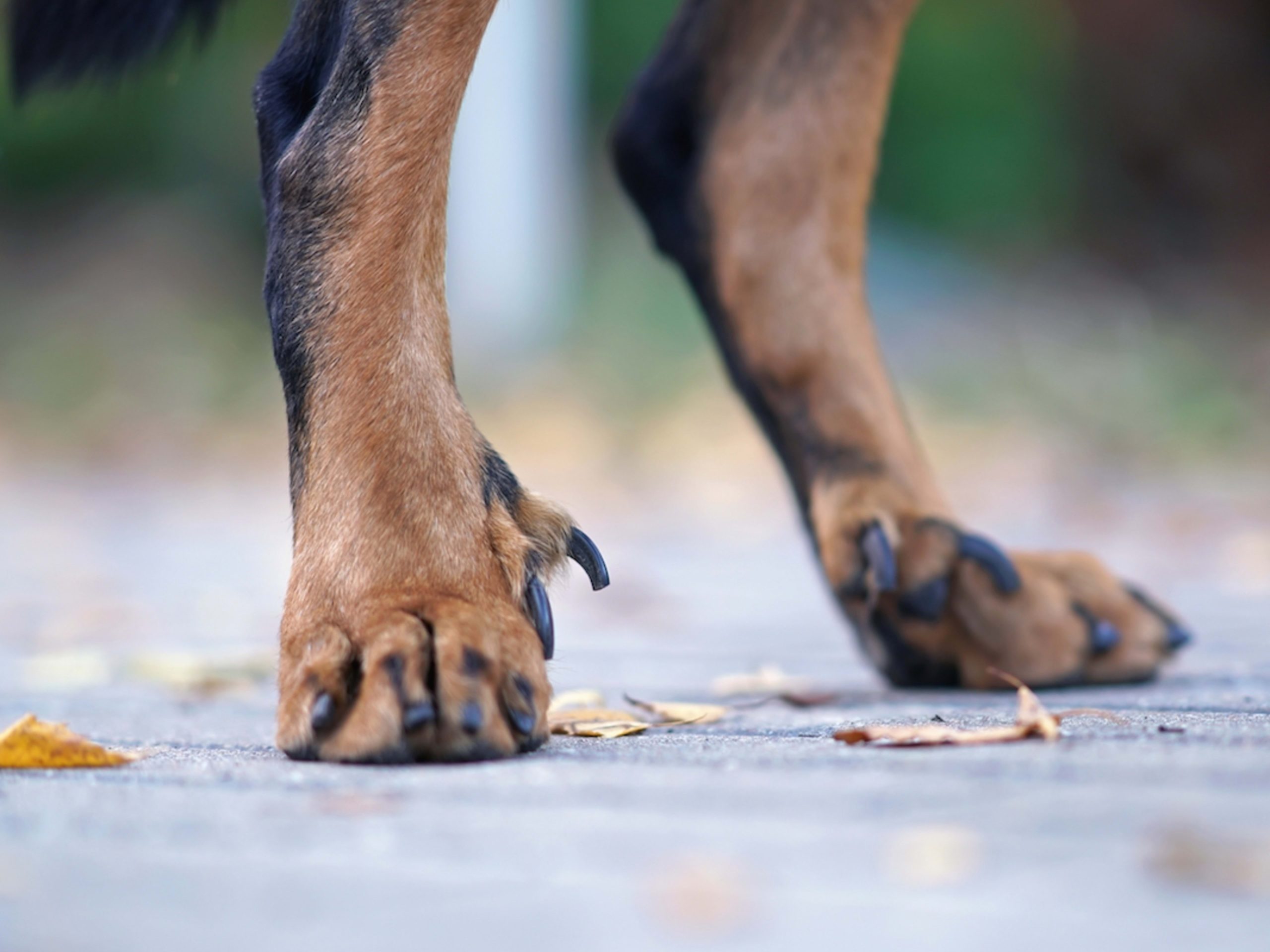
Have you ever wondered about those extra little claws on the back of some dog breeds’ legs? Known as back dewclaws, these unique features can spark curiosity and questions.
If you’re a dog lover or considering bringing a new furry friend into your home, understanding these quirks can help you choose the right breed for you. You’ll discover which dog breeds have back dewclaws and why they might just be the secret to understanding more about your pet’s ancestry and health.
Get ready to uncover fascinating details that could change the way you see your four-legged companion!
Credit: www.threads.com
Care And Maintenance
Certain dog breeds, like the Briard and Great Pyrenees, often have back dewclaws. Regular checks and gentle trimming help prevent snagging and injuries. Keeping the area clean and dry is essential for overall paw health.
Caring for your dog’s back dewclaws is crucial for their overall paw health. Although often overlooked, these small appendages can pose significant issues if not maintained properly. Ensuring they are well-groomed and healthy can prevent potential problems down the road.Trimming Techniques
Trimming your dog’s back dewclaws can be a straightforward task if you have the right tools and knowledge. Use a pair of dog nail clippers designed for small to medium nails. Ensure you have a firm grip on your dog’s paw and cut just above the quick, the sensitive part of the nail. If you’re nervous about trimming too close, try using a nail file for a gentler approach. Regularly checking and trimming can prevent the nails from curling into the skin, which can be painful for your furry friend. Consider making it a part of your dog’s grooming routine. You can do it yourself or ask your groomer for assistance. Remember, it’s always better to trim little and often than to take off too much at once.Potential Health Issues
Neglecting back dewclaws can lead to several health issues for your dog. Overgrown dewclaws can catch on objects and tear, causing pain and discomfort. Infections are a risk if the skin around the dewclaw becomes irritated or broken. Have you ever noticed your dog limping or licking at their paw excessively? This could be a sign of dewclaw-related problems. Checking them regularly allows you to catch any issues early. Dogs with back dewclaws are also at risk for dewclaw dislocation. Keeping the nails trimmed reduces this risk. If you notice any swelling or your dog seems in pain, consult your vet for advice. Caring for your dog’s dewclaws is not just a grooming task—it’s an essential part of their health care routine. By taking a little time to maintain their dewclaws, you can ensure your dog stays comfortable and healthy.Myths And Misconceptions
Exploring dog breeds with back dewclaws reveals fascinating insights. Breeds like the Great Pyrenees and Beauceron often have these unique features. These dewclaws serve various purposes, sparking curiosity and sometimes misconceptions among pet owners.
In the fascinating world of canine anatomy, back dewclaws are often surrounded by myths and misconceptions. Many dog owners and enthusiasts have encountered puzzling information about these unique appendages. Are they a sign of a dog’s pedigree, or just an anomaly? Such questions often lead to confusion. Understanding the truth behind back dewclaws can help you make informed decisions about your furry friend’s health and well-being. Let’s explore some common myths that often lead to misunderstanding.Myth 1: Back Dewclaws Are Always A Sign Of Poor Breeding
It’s a common belief that back dewclaws indicate poor breeding practices. This simply isn’t true. Some breeds naturally have back dewclaws, and they aren’t a flaw. For example, the Great Pyrenees and the Briard are known to have them as a standard trait. Assuming that these dewclaws are a result of poor breeding undermines the unique characteristics that define these breeds. Next time you see a dog with back dewclaws, consider its breed’s history rather than dismissing it as a flaw.Myth 2: Back Dewclaws Have No Purpose
Another misconception is that back dewclaws serve no purpose. While it’s true that some dewclaws are vestigial, they can have practical uses. In certain breeds, they provide extra traction on rough terrain. This can be particularly beneficial for working dogs who need to maneuver through challenging environments. So, before dismissing them as useless, consider the specific needs of your dog’s breed.Myth 3: All Dogs With Back Dewclaws Should Have Them Removed
Many assume that all back dewclaws should be removed to prevent injury. While removal may be necessary in some cases, it’s not a one-size-fits-all solution. Back dewclaws can be strong and well-attached, posing no risk to the dog. In such cases, removing them could be unnecessary and even detrimental. Always consult with a veterinarian to decide what’s best for your furry companion.Myth 4: Back Dewclaws Are Always Fragile
It’s easy to think that back dewclaws are weak and prone to injury. However, this isn’t always the case. In some breeds, back dewclaws are robust and well-developed. They can be as sturdy as any other part of the paw. It’s important to assess your dog’s individual anatomy rather than relying on generalizations. Have you checked if your dog’s back dewclaws are strong or fragile? Observing them closely can give you a better understanding. By debunking these myths, you can appreciate the unique features your dog possesses. Understanding the truths about back dewclaws helps in nurturing your dog’s health with knowledge and care.Role In Dog Shows
Breeds like Briards, Beaucerons, and Great Pyrenees often have back dewclaws. These extra claws can affect their performance and appearance in dog shows. Understanding breed characteristics helps judges assess these unique features.
The world of dog shows is a fascinating realm. Each breed has its own standards and unique features. One feature that often catches attention is the back dewclaw. Not all breeds have this. In shows, these dewclaws can be a point of interest for judges. They can impact a dog’s score and overall impression.Understanding The Importance Of Dewclaws
Dewclaws are not just cosmetic. They offer insight into a dog’s lineage. In some breeds, they are a sign of purity. Judges consider them while evaluating the dog. This can affect the dog’s ranking.Breeds Where Dewclaws Matter
Certain breeds are known for their back dewclaws. These include the Briard and the Great Pyrenees. In these breeds, dewclaws are considered a breed standard. Missing dewclaws might lead to a lower score.Judging Criteria In Dog Shows
Judges look at many factors. Dewclaws can influence their decision. They assess the presence and condition of dewclaws. The alignment and grooming of the dewclaws also matter. They ensure the dog meets its breed standards.Impact On Scoring
Scoring in dog shows is detailed. Each feature, including dewclaws, is scrutinized. A dog with well-maintained dewclaws can earn higher points. They show the dog’s adherence to breed standards.Preparing For Dog Shows
Preparation is key. Owners must ensure dewclaws are in perfect condition. Regular grooming is essential. This involves trimming and checking for any issues. Proper care can enhance the dog’s appearance and performance. In summary, dewclaws play a subtle but significant role in dog shows. They are a small feature with a big impact. For breeds with back dewclaws, they are a critical aspect of the competition.Expert Opinions
Certain dog breeds, like the Saint Bernard and Briard, often possess back dewclaws. These additional claws can vary in appearance and functionality. Understanding which breeds have them helps in proper grooming and care.
In the world of canine anatomy, back dewclaws spark curiosity. Many dog enthusiasts wonder about these unique features. Experts weigh in on this topic, providing insight into the breeds with back dewclaws. Understanding these insights helps dog owners care for their pets better.Understanding Dewclaws
Dewclaws are extra digits on a dog’s paw. They resemble thumbs and serve varied purposes. While some dogs use them for gripping, others have them as a genetic trait. Experts note that not all dogs have back dewclaws. This trait often depends on the breed’s lineage.Breeds With Back Dewclaws
Several breeds are known for back dewclaws. The Great Pyrenees is a prime example. This breed often has double dewclaws on its hind legs. Other breeds like the Briard and Beauceron also possess them. These breeds are often working dogs. Their dewclaws aid in tasks like herding and climbing.Expert Advice On Care
Veterinarians advise regular checks for dewclaws. They can snag on objects and cause injury. Clipping the nails of dewclaws prevents overgrowth. This keeps them from causing discomfort. Experts recommend consulting a vet for any concerns. Proper care ensures the well-being of your pet.Genetic Factors And Breeding
Genetics play a key role in dewclaw presence. Breeders often select for specific traits. Back dewclaws are sometimes desired in working breeds. Experts suggest researching breed standards. Understanding these helps in selecting the right pet for your needs.
Credit: www.reddit.com
Exploring Other Animal Species
Discover which dog breeds have back dewclaws. Breeds like Great Pyrenees, Saint Bernard, and Briard often feature these unique claws. Understanding their purpose and care is essential for responsible pet ownership.
Exploring the fascinating world of animal anatomy can sometimes lead us to unexpected discoveries. While back dewclaws are often associated with certain dog breeds, they are not exclusive to them. Have you ever wondered if other animal species have similar features? Understanding these unique traits can deepen your appreciation for the diversity in the animal kingdom and spark curiosity about your own pet’s anatomy.Understanding Dewclaws In Cats
Cats may not have back dewclaws like some dog breeds, but they do have their own special features. Their front paws boast retractable claws, essential for climbing and hunting. Have you ever watched your cat scale furniture with ease? This natural climbing ability is partly due to their claw structure. It’s intriguing to compare how different species adapt their limbs for survival.Dewclaws In Livestock
Livestock such as cows and pigs exhibit variations in their limb structures. These animals often have what’s known as ‘accessory digits.’ These digits may not serve the same purpose as dewclaws in dogs, but they play a role in stability and movement. If you’ve visited a farm, you might have noticed how these animals move across uneven terrain.Exploring Exotic Animals
In the wild, exotic animals show remarkable adaptations in their limb anatomy. Take the panda, for example; it has an extra thumb-like structure on its front paws. This feature is crucial for gripping bamboo, showcasing how evolution tailors anatomy for specific needs. Imagine seeing a panda use its unique grip to munch on bamboo—it’s a testament to nature’s ingenuity.Dewclaws And Evolutionary Traits
Why do some animals have extra digits while others don’t? It’s a question that highlights the role of evolution in shaping species. Through millions of years, these traits have developed to aid in survival, whether it’s climbing, stability, or feeding. Considering these evolutionary adaptations can offer a new perspective on your own pet’s anatomy and behavior. Engaging with these insights encourages us to look beyond the ordinary and appreciate the diversity of life around us. Have you noticed any unique traits in your pet that make them stand out?Frequently Asked Questions
What Are Back Dewclaws On Dogs?
Back dewclaws are extra toes found on a dog’s hind legs. Unlike regular toes, they don’t touch the ground. Some breeds naturally have them, and they’re often considered vestigial. These dewclaws can sometimes be removed for safety reasons, especially if they pose a risk of injury or get caught on objects.
Which Dog Breeds Have Back Dewclaws?
Several breeds commonly have back dewclaws, including Great Pyrenees, Briards, and Beaucerons. These breeds often have double dewclaws, adding stability on rough terrain. It’s important to check breed standards if you are considering a dog with back dewclaws, as they can be a distinguishing feature in some breeds.
Are Back Dewclaws Useful For Dogs?
Back dewclaws can provide stability when climbing or running on uneven surfaces. Some breeds use them to grip or dig. However, not all dogs use their back dewclaws effectively. In many cases, they are simply a genetic trait with no significant function, but can be helpful in specific situations.
Should Back Dewclaws Be Removed?
Removing back dewclaws is a personal choice and often depends on the dog’s lifestyle. If they frequently get injured or caught, removal might be considered. Consult with a veterinarian to understand the pros and cons. In some breeds, keeping them intact is important to meet breed standards.
Conclusion
Exploring dog breeds with back dewclaws opens a fascinating world. These unique traits serve specific purposes. They add charm to certain breeds like Briards and Beaucerons. Understanding dewclaws helps in caring for your furry friend. It’s important to know why some breeds have them.
You now have insight into this intriguing feature. Remember, every dog is special in its own way. Appreciate their unique characteristics. Love your dog for who they are. Whether they have dewclaws or not, they’re wonderful companions. Enjoy the time spent with your loyal, furry friend.

Similar Posts