What Dog Breeds Have Dewclaws: Unveiling the Mystery
Senior Canine Nutritionist & Dog Behavior Specialist at Cozy Dog Go Wellness Lab
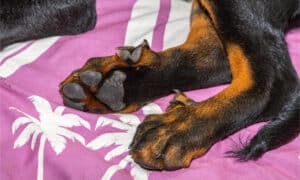
Have you ever noticed that extra little claw on the back of your dog’s paw and wondered what it is? If you have, you’re not alone.
That unique feature is called a dewclaw, and it sparks curiosity among many dog owners. But did you know not all dog breeds have them? Understanding which breeds do and why they have dewclaws can deepen your connection with your furry friend.
It can even help you make informed decisions about grooming and care. Curious to discover whether your dog’s breed has dewclaws and what purpose they serve? Keep reading to uncover the fascinating details about these intriguing little claws.
Dewclaws In Dogs
Certain dog breeds have dewclaws, which are extra toes found on their legs. Breeds like Great Pyrenees, Saint Bernards, and Anatolian Shepherds often have these unique features. Dewclaws can appear on their front or hind legs, adding to their charm and utility.
Dewclaws in dogs often spark curiosity among pet owners. These small, seemingly insignificant claws can be a fascinating topic. Understanding their role and presence can help you care better for your furry friend.Definition And Function
Dewclaws are the small, extra claws located slightly higher up on a dog’s paw, typically on the inside of the leg. They resemble thumbs or big toes and are found on the front paws, though some dogs have them on the back paws too. While some believe they serve no purpose, dewclaws can aid in stability and grip, especially when dogs are running at high speeds or making sharp turns. Their function can be compared to your own thumbs, assisting in gripping and providing support. In some breeds, dewclaws are quite functional, helping them in tasks like climbing or holding onto prey. It’s worth noting that not all dewclaws are created equal; some are well-attached to the bone, while others are more loosely connected.Common Misconceptions
There’s a common belief that all dewclaws should be removed to prevent injury. However, this isn’t always necessary and can sometimes do more harm than good. Dewclaws, especially those on the front paws, are often securely attached and less prone to injury. Another misconception is that dewclaws are a sign of poor breeding. This is far from the truth. Many purebred dogs, like the Great Pyrenees and Saint Bernard, naturally have dewclaws, which are part of the breed standard. Have you ever noticed how your dog uses its dewclaws? They might surprise you with their dexterity. Next time your dog is chewing a bone or running around, take a closer look and appreciate these unique features.Credit: www.facebook.com
Frequently Asked Questions
What Are Dewclaws In Dogs?
Dewclaws are small, extra claws on a dog’s legs. They are typically found on the inner side of the paws. Some breeds have them naturally, while others might not. Dewclaws can be removed surgically if needed. They can be helpful for gripping or climbing in certain activities.
Do All Dog Breeds Have Dewclaws?
Not all dog breeds have dewclaws. While many breeds do, some don’t have them naturally. Breeds like Great Pyrenees and Saint Bernards usually have them. Other breeds, like Greyhounds, might not. Dewclaws can vary between front and rear legs depending on the breed.
Are Rear Dewclaws Common In Dogs?
Rear dewclaws are less common than front ones. They are more often found in specific breeds. Breeds like Briards and Anatolian Shepherds usually have rear dewclaws. These can sometimes be double dewclaws. Some breeds never develop rear dewclaws naturally.
Can Dewclaws Cause Health Issues?
Dewclaws can sometimes cause health issues. If not trimmed, they might catch on objects and tear. Infections can occur if dewclaws are injured. Regular grooming can prevent these problems. Some owners choose to have dewclaws removed surgically to avoid potential issues.
Conclusion
Dewclaws are fascinating features in dogs. These unique claws serve various purposes. Some breeds use them for gripping or climbing. Others have them for balance. Each breed’s dewclaws tell a story. A tale of evolution and adaptation. Understanding dewclaws helps in choosing the right dog.
It aids in caring for their specific needs. Breeds like Great Pyrenees and Saint Bernards have functional dewclaws. While others, like Greyhounds, might not. Exploring dewclaws offers insights into your dog’s heritage. Always ensure proper care for your dog’s dewclaws.
It keeps them healthy and happy.

Similar Posts