Have you ever noticed those intriguing little extras on a dog’s paws? Yes, we’re talking about dewclaws.
While most dogs have a single dewclaw on each front paw, some breeds boast a fascinating feature—double dewclaws. These aren’t just a quirky trait; they carry a rich history and serve specific purposes for certain breeds. If you’re curious about which breeds have this unique characteristic and what makes it so special, you’re in the right place.
Understanding these double dewclaws can offer you a deeper insight into the diverse world of dogs, and maybe even help you better care for your canine companion. Keep reading to discover which breeds have this fascinating feature and why it might matter to you and your furry friend.
Credit: paradepets.com
Double Dewclaws Defined
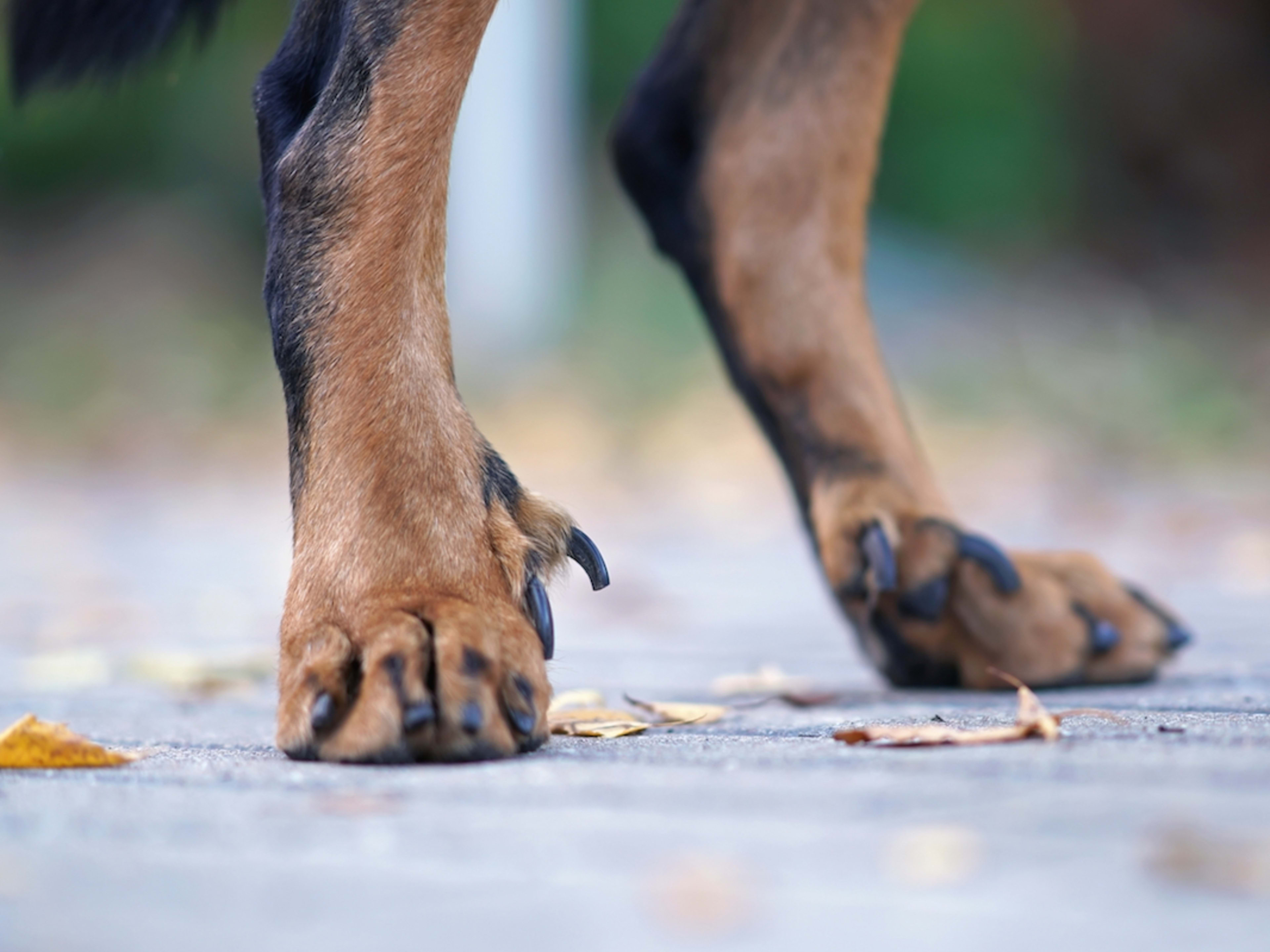
Double dewclaws are extra toes on a dog’s hind legs. Breeds like the Great Pyrenees, Beauceron, and Briard often have these unique features.
Understanding double dewclaws can be intriguing for dog enthusiasts and owners alike. These unique features, often seen in specific dog breeds, offer more than just a curious appearance. They can play a role in a dog’s balance and agility, especially in breeds known for their herding and working capabilities.What Are Dewclaws?
Dewclaws are essentially extra toes located higher up on a dog’s paw. Most dogs have these on their front legs, but some have them on the back legs too. These are often compared to human thumbs, offering extra grip and support.Defining Double Dewclaws
Double dewclaws mean a dog has two dewclaws on one or more legs. This is more common in certain breeds and is a genetic trait. Unlike single dewclaws, double ones can appear on both front and back paws, making them a distinctive characteristic.Why Do Some Breeds Have Double Dewclaws?
Certain breeds have developed double dewclaws over generations. They serve specific purposes, like providing extra grip when navigating rough terrain. This trait often corresponds with the breed’s historical role, such as herding or guarding livestock.Personal Experience With Double Dewclaws
Owning a Great Pyrenees, I was surprised to find double dewclaws on his hind legs. Initially, I thought they were a quirk, but soon realized their significance. Watching him maneuver rocky trails with ease, it was clear these extra toes provided additional support.Are Double Dewclaws A Problem?
Double dewclaws aren’t inherently problematic. However, they require regular care to prevent injury or snagging. Keeping them trimmed and checking for any signs of irritation or infection is crucial for your dog’s comfort and health.Should You Be Concerned If Your Dog Has Them?
Having double dewclaws isn’t a cause for concern. It’s a natural feature in specific breeds. If you’re unsure, consult your vet to understand their function and how best to care for them. Are you ready to embrace this unique feature in your dog? Understanding double dewclaws not only enriches your knowledge but also enhances your bond with your furry friend.
Credit: www.instagram.com
Traits Of Dogs With Double Dewclaws
Certain dog breeds like the Great Pyrenees and Beauceron have double dewclaws on their hind legs. These extra claws aid in stability and grip, especially on rough terrain. Known for their working and herding abilities, such breeds benefit from this unique trait.
Understanding the traits of dogs with double dewclaws can be quite fascinating. These unique physical features are not just for show; they offer insight into the dog’s history and capabilities. If you’re considering a breed with double dewclaws, here’s what you need to know about their distinctive traits.Stability And Support
Double dewclaws provide extra stability. Breeds like the Great Pyrenees use them for better grip while traversing rugged terrain. This makes them excellent for tasks involving climbing or running on uneven surfaces. These dewclaws are more than just a physical trait; they have historical roots. Many herding breeds developed double dewclaws to help them navigate mountainous regions. They were essential for shepherds, ensuring that their dogs could keep up with livestock over challenging landscapes.Genetic Trait
Double dewclaws are a genetic trait passed down through generations. Not every dog in a breed will have them, but those that do carry a specific genetic lineage. This can be a point of pride for breeders and owners who appreciate the history of their dog’s lineage.Breed-specific Appearance
While double dewclaws are common in certain breeds, their appearance can vary. In some dogs, they are prominent and noticeable, while in others, they might be smaller or less defined. Recognizing these traits can help you identify the breed more accurately.Functional Purpose
These dewclaws aren’t just vestigial; they serve a functional purpose. They can assist in activities like digging, climbing, or stabilizing. This functionality can be especially useful in working dogs who need every advantage in the field.Care And Maintenance
Double dewclaws require regular care. They should be checked frequently for any signs of injury or overgrowth. Keeping them trimmed can prevent potential health issues and ensure your dog remains comfortable and agile. Do you have a dog with double dewclaws? Observing these traits can deepen your understanding of their behavior and capabilities. This knowledge can enhance your bond and appreciation for these remarkable breeds.Breeds Known For Double Dewclaws
Double dewclaws are an intriguing feature found on the hind legs of certain dog breeds. These extra toes can be a sign of unique ancestry and are often associated with breeds that originated in mountainous or rugged terrains. If you’re curious about which breeds boast this characteristic, read on to discover more about the Briard, Beauceron, and Great Pyrenees.
Briard Characteristics
The Briard is a French herding dog with a long, flowing coat and an independent spirit. Known for its intelligence and loyalty, this breed’s double dewclaws are a distinctive feature that aids in stability and agility. Imagine hiking through rocky landscapes with a Briard confidently at your side, its double dewclaws providing extra grip.
Beauceron Features
The Beauceron, another French breed, is renowned for its herding and protective instincts. With a muscular build and keen senses, this breed is often a choice for families seeking a guardian. The double dewclaws on a Beauceron are not just a quirky trait but a functional feature for traversing uneven terrain. Have you ever considered how these unique toes can affect your dog’s performance during outdoor adventures?
Great Pyrenees Traits
The Great Pyrenees is a majestic breed known for its gentle demeanor and protective nature. Originally used to guard livestock in the Pyrenees mountains, this breed’s double dewclaws are a testament to its heritage. Picture a Great Pyrenees standing watch over a flock, its sturdy build supported by those extra toes. Could these functional traits be why the breed remains a beloved choice for families?
Historical Significance
The historical significance of double dewclaws in certain dog breeds is a fascinating tale of functionality and adaptation. These unique features did not just appear out of nowhere; they have evolved over time to serve specific purposes that are deeply rooted in the needs of the environments these breeds were developed in. Have you ever wondered why some dogs have extra toes while others don’t? Understanding the history behind these double dewclaws can shed light on the important roles they played.
Role In Herding
Double dewclaws have historically been vital for herding breeds, particularly in regions with rough terrain. They provide additional grip and stability, allowing dogs to maneuver sharply and efficiently while guiding livestock. Imagine a sheepdog navigating uneven landscapes; those extra claws help maintain balance and agility, ensuring the livestock stays on the intended path.
Protection In Rough Terrain
Aside from herding, double dewclaws offer protection in rugged environments. They act like additional anchors, preventing slips and falls. If you’ve ever hiked with your dog in the mountains, you know how crucial traction can be. These breeds were often employed in harsh climates, where every step counted for survival and safety.
Health And Maintenance
Dogs with double dewclaws need special attention for their health and maintenance. These extra claws can be a source of unique health issues. Regular care ensures they remain healthy and comfortable. Understanding the common problems and care tips is crucial for owners.
Common Issues
Double dewclaws can cause discomfort if not maintained properly. They are prone to snagging, which can lead to injury. Infection is another concern, especially if nails grow too long. Regular checks help prevent these issues.
Care Tips
Keep the claws trimmed to prevent snagging. Use a good nail clipper designed for dogs. Regularly check for signs of infection like redness or swelling. Clean the area gently with a damp cloth to keep it free from debris. If unsure, consult a vet for advice on proper care.
Breeding Considerations
Certain dog breeds naturally have double dewclaws, such as the Great Pyrenees and Briard. These extra claws provide stability and grip, especially in mountainous terrains. Understanding these unique features can aid in proper breeding and care.
Breeding considerations become crucial when discussing dog breeds with double dewclaws, as these unique features are often tied to specific genetic and health factors. Double dewclaws are typically found in certain breeds like the Great Pyrenees, Briard, and Anatolian Shepherd. If you are a breeder or an enthusiast looking to ensure healthy lineage, understanding the genetic implications is vital. This section delves into the key elements that influence breeding decisions.Genetic Factors
Understanding the genetics behind double dewclaws is essential. These additional claws are often linked to specific genes that can also influence other physical traits. It’s fascinating how genetics can dictate such unique features. When considering breeding, it’s important to know if both parent dogs carry the gene for double dewclaws. This knowledge helps you predict the likelihood of puppies inheriting this trait. Consider consulting with a veterinary geneticist to ensure you have all the necessary information. Double dewclaws are not just a cosmetic feature. They can affect a dog’s movement and, in some cases, their health. Breeding should prioritize the overall well-being of the dog, not just the presence of this trait.Responsible Breeding
Responsible breeding involves more than just focusing on desirable traits. It requires a commitment to the health and welfare of the dogs. Double dewclaws should never be the sole reason for breeding two dogs. You might wonder if breeders should focus on eliminating or promoting double dewclaws. The answer lies in a balanced approach. Consider both the dog’s health and the breed’s standard. Engage with other breeders and professionals to share insights and experiences. A collaborative approach can lead to healthier and well-rounded breeding decisions. Are you ready to take on the responsibility of breeding dogs with double dewclaws? Ensure you have the knowledge, support, and dedication to do so ethically. Your choices can impact the future of these unique breeds.Double Dewclaws In Modern Dogs
Double dewclaws in modern dogs are a fascinating trait that captures the interest of dog enthusiasts and breeders alike. These extra claws, often found on the hind legs, can vary significantly between breeds. While they may not serve a critical functional purpose, they often carry historical significance and can be a hallmark of certain breeds.
Double dewclaws have seen shifts in popularity over the years. Some dog owners find them charming and unique, while others may view them as an oddity. In recent years, there’s been a growing interest in breeds with double dewclaws, particularly among those who appreciate the distinctiveness these claws add to a dog’s appearance. Do you find yourself drawn to these unique traits when choosing a dog breed?
The presence of double dewclaws is often associated with working dog breeds. Traditionally, breeds like the Great Pyrenees and Beauceron have these extra claws to aid in their tasks, such as providing stability on rugged terrain. On the other hand, companion dogs are less likely to have double dewclaws, as their roles don’t necessitate the same level of physical demands.
When choosing a dog, consider its intended role in your life. Are you looking for a sturdy working partner or a loyal companion? Double dewclaws might be more common in the former. Understanding the function and significance of these features can help you make an informed decision about the best breed for your lifestyle.

Credit: www.threads.com
Frequently Asked Questions
What Are Double Dewclaws In Dogs?
Double dewclaws are extra digits located on the dog’s hind legs. Unlike regular claws, they don’t touch the ground. Some breeds naturally have double dewclaws, which are believed to aid in stability and grip, especially in rough terrains. They are unique traits and can vary in size and functionality.
Which Breeds Have Double Dewclaws?
Breeds like the Beauceron, Briard, and Great Pyrenees often have double dewclaws. These dogs are known for their working abilities in herding and guarding. Double dewclaws are a breed standard for them, serving functional purposes in their native environments. It’s a distinctive feature among specific dog breeds.
Are Double Dewclaws Common In All Dogs?
Double dewclaws are not common in all dogs. They are specific to certain breeds and not a universal trait. Most dogs have single dewclaws or none. Double dewclaws are a unique characteristic that enhances specific breeds’ abilities. Understanding breed standards can provide more insights into this feature.
Should Double Dewclaws Be Removed?
In breeds where double dewclaws are standard, removal is not recommended. They serve functional purposes and are part of breed characteristics. However, if they cause problems, consult a vet. Removal might be considered if they pose health risks. Always consider the dog’s breed and overall health before deciding.
Conclusion
Double dewclaws are a fascinating feature in certain dog breeds. These unique claws add charm and functionality to these dogs. Breeds like the Great Pyrenees and Beauceron often have double dewclaws. Why do these dogs have them? Better grip and balance in rough terrains.
It’s not just about looks. Double dewclaws serve a purpose. Not all breeds have this trait. It’s special to a few. Choosing a breed with this feature? Consider the dog’s needs and lifestyle. Double dewclaws might be the perfect match for active families.
Think about it. It’s an interesting trait to explore.


