What Dogs are Hypoallergenic Breeds: Ultimate Guide
Senior Canine Nutritionist & Dog Behavior Specialist at Cozy Dog Go Wellness Lab

Are you sneezing and sniffling every time you’re around a furry friend? You’re not alone.
Allergies can be a real hurdle for dog lovers like you who dream of having a canine companion without the constant allergy attacks. The good news is, there are certain breeds that could be the perfect fit for your sensitive nose.
These hypoallergenic dogs are known to produce fewer allergens, giving you the chance to enjoy the joys of pet ownership without the itchy eyes and runny nose. Dive into this article to discover which breeds might be your ideal allergy-friendly match and learn how you can finally welcome a furry friend into your home with open arms.
Credit: www.pumpkin.care
Hypoallergenic Dog Breeds
Choosing a dog can be a delightful yet challenging experience, especially if you or a family member has allergies. Hypoallergenic dog breeds can be a game-changer, offering allergy sufferers a chance to enjoy the companionship of a furry friend. But what exactly makes a dog hypoallergenic, and which breeds should you consider?
Characteristics Of Hypoallergenic Dogs
Hypoallergenic dogs are breeds that are less likely to trigger allergic reactions. These breeds tend to shed less hair and produce less dander, which are the main culprits for allergies. Breeds like Poodles, Bichon Frises, and Portuguese Water Dogs are often recommended because their coats trap dander and hair, preventing it from spreading around your home.
Another characteristic is the type of coat. Dogs with curly or wiry hair usually shed less than those with straight hair. You might be surprised to learn that some larger breeds like the Giant Schnauzer are also considered hypoallergenic. Have you ever wondered if a dog’s size affects its hypoallergenic qualities?
Common Misconceptions
There’s a prevalent misconception that hypoallergenic means allergy-free. No dog is 100% hypoallergenic. People can be allergic to proteins found in a dog’s saliva or urine, not just its hair or dander.
Another myth is that short-haired dogs are always hypoallergenic. In reality, it’s not the length of the hair but the shedding and dander production that matter. The sleek coat of a Greyhound, for example, might not be as allergy-friendly as you think.
Does that mean you need to avoid all dogs if you’re allergic? Absolutely not. Understanding these misconceptions can help you make an informed decision and perhaps even find the perfect hypoallergenic companion for your family.
Top Hypoallergenic Breeds
Finding a furry friend that doesn’t trigger your allergies can feel like searching for a needle in a haystack. Fortunately, there are several dog breeds known for their hypoallergenic qualities. These breeds are less likely to cause an allergic reaction because they produce less dander or have hair that doesn’t shed. Let’s dive into some of the top hypoallergenic breeds that might just be your perfect match.
Poodles
Poodles are often the first breed that comes to mind when thinking of hypoallergenic dogs. Their curly coats trap dander and prevent it from spreading in your home. Moreover, Poodles come in three sizes: toy, miniature, and standard, offering flexibility for different living situations. With their intelligence and playful nature, they make excellent companions for families and singles alike.
Bichon Frise
The Bichon Frise is a small breed with a cheerful disposition and a fluffy, white coat. While their fur looks high-maintenance, it’s surprisingly manageable. Regular grooming keeps the dander at bay and helps maintain their hypoallergenic status. They’re known for their friendly temperament, making them great for households with children or other pets.
Portuguese Water Dogs
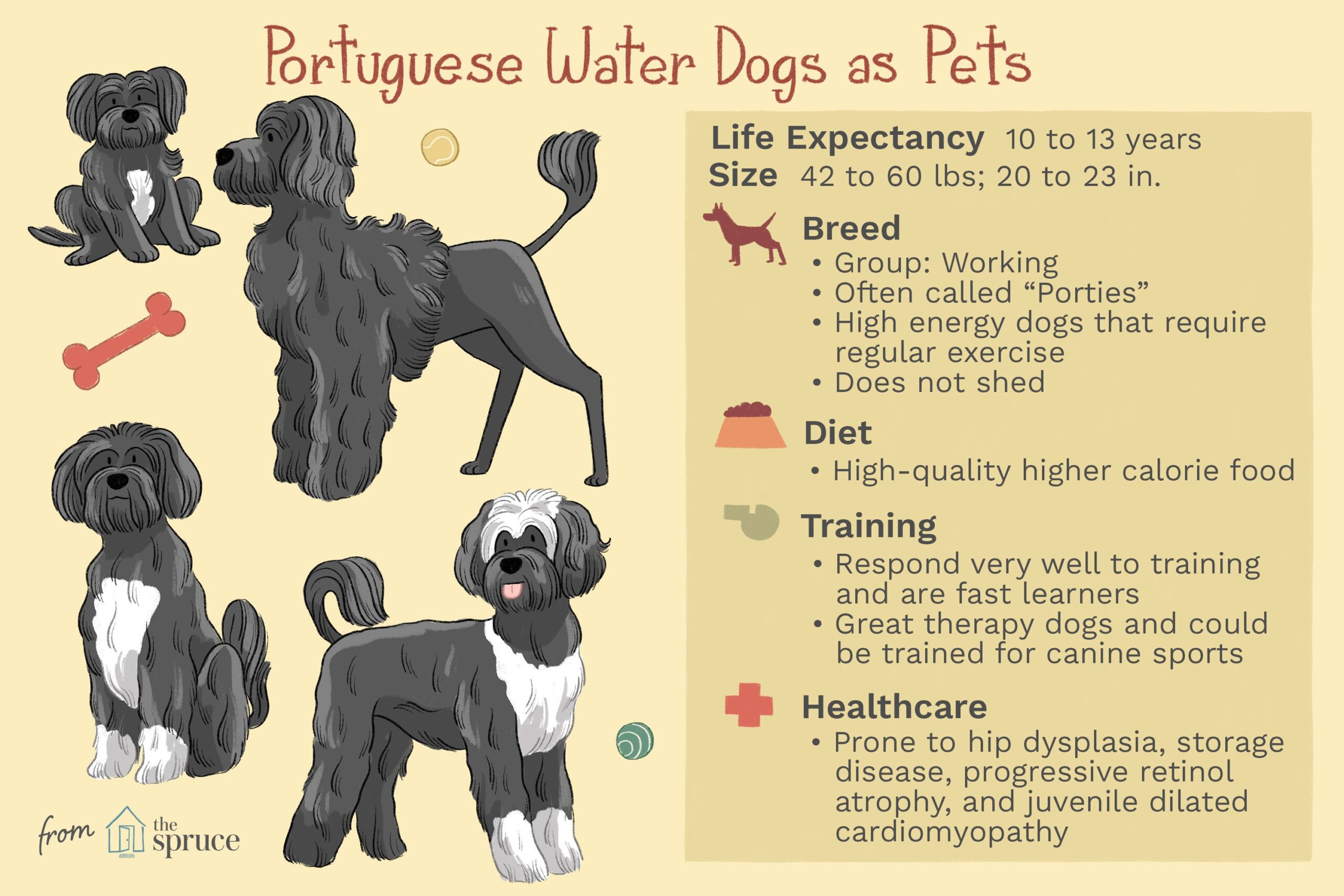
Known for their energetic and adventurous spirit, Portuguese Water Dogs are fantastic for active owners. Their dense, curly coat is similar to a Poodle’s, minimizing shedding and dander. These dogs thrive in environments where they can swim and play, making them ideal for outdoor enthusiasts. Their loyal nature means they’ll be your companion in every adventure.
Schnauzers
Schnauzers come in three sizes: miniature, standard, and giant, catering to various preferences. Their wiry coats are less likely to shed, making them a good choice for allergy sufferers. Schnauzers are known for their protective and spirited nature. They are excellent watchdogs and will keep you entertained with their lively antics.
Choosing a hypoallergenic breed can significantly improve your quality of life while enjoying the companionship of a dog. These breeds not only offer allergy-friendly options but also bring a unique set of characteristics that might just make them the perfect addition to your family. Which breed speaks to you?
Lesser-known Hypoallergenic Breeds
Not all dogs trigger allergies. Some breeds are hypoallergenic, meaning they produce fewer allergens. Everyone knows about Poodles and Bichon Frises. But there are lesser-known hypoallergenic breeds that deserve attention. These breeds are unique and fascinating. They might be perfect for allergy sufferers seeking a new furry friend.
Lagotto Romagnolo
The Lagotto Romagnolo is an Italian breed known for its curly coat. It doesn’t shed much, reducing allergens in the home. This breed is energetic and loves to play. They are famous for their exceptional nose, used for truffle hunting. Lagottos are friendly and bond well with families. Regular grooming keeps their coat healthy and allergen-free.
Xoloitzcuintli
The Xoloitzcuintli, pronounced “show-low-eats-queen-tlee,” is a Mexican breed. It often has little to no hair, making it hypoallergenic. These dogs have a calm demeanor and are loyal companions. They require minimal grooming, but their skin needs protection from the sun. Xolos are intelligent and learn quickly, adapting well to family life.
Irish Water Spaniel
The Irish Water Spaniel has a curly, water-resistant coat. It sheds less than other breeds, producing fewer allergens. This breed is active and enjoys swimming and outdoor adventures. Irish Water Spaniels are smart and respond well to training. Regular brushing keeps their curls free from tangles and healthy.

Credit: www.latimes.com
Factors Affecting Allergies
Dog allergies can be affected by breed type. Hypoallergenic breeds, like Poodles and Maltese, produce fewer allergens. Choosing these breeds may reduce allergic reactions and improve comfort for sensitive individuals.
Understanding the factors that affect allergies can help you choose the right hypoallergenic dog breed. While no dog is completely free of allergens, some are less likely to trigger allergic reactions. Your sensitivity to allergens like dander and saliva, as well as the dog’s coat type, play significant roles in managing pet allergies.Dander And Saliva
Dander, tiny skin flakes shed by dogs, is a common allergen. It’s often blamed for sneezing fits and itchy eyes. Some breeds produce less dander, making them more suitable for allergy sufferers. You might be surprised to learn that saliva also carries allergens. When dogs lick their fur, allergens can transfer and spread. If you’re sensitive to these allergens, consider spending time with a breed before bringing one home. How does your body react?Coat Type
The coat type of a dog significantly influences allergen levels. Breeds with curly or tightly woven coats, like Poodles or Bichon Frises, can trap dander, preventing it from floating around your home. Smooth-coated dogs may shed less, but their hair can spread allergens more easily. Regular grooming can help manage this. Ever considered how a breed’s grooming needs align with your allergy management strategy? Choosing a hypoallergenic breed involves understanding these key factors and how they impact your allergies. By focusing on dander, saliva, and coat type, you can find a furry friend that suits both your lifestyle and health needs.Living With Hypoallergenic Dogs
Living with hypoallergenic dogs can be a rewarding experience for allergy sufferers. These breeds often produce fewer allergens, allowing more people to enjoy canine companionship without constant sniffles and sneezes. While they aren’t completely allergy-free, with a few adjustments, you can create a comfortable environment for both you and your furry friend.
Grooming Tips
Regular grooming can significantly reduce allergens. Brushing your dog frequently helps remove loose fur and dander, minimizing the spread of allergens throughout your home.
Consider professional grooming every few weeks to keep their coat in top condition. Bathing your dog with hypoallergenic shampoos can also lower allergen levels.
Keep grooming tools clean. Regularly washing brushes and combs ensures they don’t transfer additional allergens.
Home Environment Adjustments
Creating an allergy-friendly home involves strategic changes. Use air purifiers to reduce airborne allergens and ensure good ventilation.
Choose flooring wisely. Hardwood or tiles are easier to clean and less likely to trap dander compared to carpets. If you have carpets, regular vacuuming is essential.
Limit your dog’s access to certain areas. Keeping bedrooms pet-free can help control allergen levels, giving you a safe space to retreat.
Are you ready to make these changes? Living with a hypoallergenic dog can transform your home and your life. Small adjustments can lead to big improvements in your allergy management.
Choosing The Right Hypoallergenic Breed
Selecting a hypoallergenic dog breed can help minimize allergic reactions. Breeds like Poodles, Bichon Frises, and Maltese are known for their low-shedding coats. These dogs produce fewer allergens, making them suitable for allergy sufferers.
Choosing the right hypoallergenic dog breed can be a game-changer for allergy sufferers who love dogs. With numerous breeds to choose from, it’s crucial to consider your lifestyle, the dog’s size, and temperament to ensure a perfect match. Making the right choice not only benefits your health but also enhances your bond with your furry friend.Lifestyle Considerations
Before bringing a hypoallergenic dog into your home, reflect on your lifestyle. Do you lead an active life or prefer quiet evenings at home? Some hypoallergenic breeds, like Poodles, thrive on activity and require regular exercise, making them perfect companions for outdoor enthusiasts. On the other hand, if your days are more relaxed, a breed like the Maltese might suit you better, as they are content with less rigorous activity. Think about your daily routine and how much time you can devote to grooming and training. This will help you decide which breed aligns best with your daily life.Size And Temperament
Consider the size of the dog that fits your living situation. Do you live in a spacious house or a compact apartment? Smaller breeds like the Bichon Frise can adapt well to smaller spaces, while a larger breed like the Irish Water Spaniel might need more room to roam. Temperament is equally important. Are you looking for a dog that is playful and energetic or calm and gentle? Breeds like the Portuguese Water Dog are known for their lively nature, perfect for families with children. Meanwhile, the Basenji is a quieter choice for those seeking a more serene companion. Choosing a dog is a deeply personal decision. What qualities do you value most in a pet? Take your time to assess your needs and preferences to find the perfect hypoallergenic breed that will bring joy and companionship into your life.Benefits Of Hypoallergenic Dogs
Hypoallergenic dogs offer numerous benefits to pet owners. These breeds produce fewer allergens. They are ideal for allergy sufferers. Many people find comfort in their presence. Hypoallergenic dogs can improve health and happiness.
Health Advantages
Hypoallergenic dogs produce less dander. This reduces allergic reactions. It helps in maintaining cleaner air. People with asthma can breathe easier. Less sneezing means more enjoyment. Allergy medications are used less frequently. Health improves with fewer irritants.
Improved Quality Of Life
Living with a hypoallergenic dog boosts mood. Stress levels decrease with companionship. Enjoy daily walks without the worry of allergies. Friends with allergies can visit more often. Experience an active lifestyle together. Laugh and play without sneezing fits.
Credit: suburban-k9.com
Frequently Asked Questions
What Are Hypoallergenic Dog Breeds?
Hypoallergenic dog breeds produce fewer allergens, minimizing allergic reactions. They have less dander and shed less hair. Popular hypoallergenic breeds include Poodles, Maltese, and Bichon Frise. Choosing a hypoallergenic breed can help allergy sufferers enjoy dog companionship.
Do Hypoallergenic Dogs Shed Hair?
Hypoallergenic dogs shed less hair compared to other breeds. They have minimal fur shedding, reducing allergens in the environment. This makes them suitable for allergy sufferers. Regular grooming helps control shedding and maintain cleanliness.
Are Hypoallergenic Dogs Good For Allergies?
Hypoallergenic dogs are ideal for people with allergies. They produce fewer allergens, reducing allergic reactions. While no dog is completely allergen-free, hypoallergenic breeds can be more tolerable for allergy sufferers. Proper care and grooming can further minimize allergy triggers.
How To Care For Hypoallergenic Dogs?
Hypoallergenic dogs need regular grooming to manage dander and allergens. Bathing them frequently helps reduce allergens on their skin. Keep their living area clean and vacuum regularly. Providing a balanced diet and regular vet check-ups ensures their health and well-being.
Conclusion
Choosing a hypoallergenic dog can ease allergy concerns. These breeds produce fewer allergens. That means less sneezing and itchy eyes. Consider dogs like poodles or schnauzers. They are great companions. Regular grooming helps keep allergens low. It’s important to spend time with a breed before adopting.
This ensures compatibility. Not every hypoallergenic dog suits everyone. Personal experiences vary. Research and meet different breeds. This helps find the best fit for your family. Remember, hypoallergenic does not mean allergy-free. It’s about reducing symptoms. Enjoy the journey of finding your perfect furry friend.

Similar Posts