Are you fascinated by wolves and ever wondered which dog breeds are closest to these majestic creatures? You’re not alone.
Many dog lovers are curious about the primal roots of their furry friends. Imagine having a loyal companion that shares an ancient lineage with the powerful, wild wolf. Understanding this connection could deepen your appreciation for your pet and even influence your choice of a new furry family member.
As you read on, you’ll uncover surprising insights and discover which breeds carry the closest resemblance to their wild ancestors. Prepare to embark on a captivating exploration of the canine world, where you’ll find the answers you’ve been searching for.
Canine Ancestry
Dogs have roamed our world for thousands of years. They share a rich ancestry with wolves. This connection traces back to a common ancestor. Over time, these paths diverged, yet some breeds remain closer to wolves. Understanding this ancestry helps us see these breeds in a new light.
Evolutionary Path
Thousands of years ago, wolves began to evolve into domesticated dogs. This journey was long and filled with changes. Over time, some breeds retained more of their wild traits. These breeds still show features similar to wolves. Their strong builds and sharp instincts highlight this connection. Selective breeding played a big role in shaping these traits.
Genetic Connections
Genetic studies reveal the deep connections between dogs and wolves. Certain breeds share more DNA with wolves than others. These breeds include the Siberian Husky, Alaskan Malamute, and Shiba Inu. These dogs have closer genetic ties to their wild ancestors. Their physical traits also reflect this heritage. Thick fur and sharp ears are just some examples.
Credit: worldanimalfoundation.org
Characteristics Of Wolf-like Breeds
Wolf-like dog breeds fascinate many animal lovers. Their striking resemblance to wolves often sparks curiosity. These breeds share unique characteristics with their wild ancestors. Understanding these traits can deepen appreciation for these dogs.
Physical Traits
Wolf-like breeds often have dense fur. Their coats are usually thick and double-layered. This helps them adapt to cold climates. Many have erect ears, similar to wolves. Their eyes may be almond-shaped, giving a keen expression. These breeds often possess strong, muscular bodies. Their tails are bushy, resembling that of a wolf.
Behavioral Similarities
Many wolf-like breeds display pack behavior. They thrive in social groups, much like wolves. Loyalty and strong bonding are common traits. These dogs often communicate through body language. Some may howl instead of bark, mimicking wolf sounds. They are generally intelligent and require mental stimulation. Natural instincts can lead to protective behavior.
Breeds Closest To Wolves
Have you ever looked into the eyes of your dog and wondered how closely they resemble their wild ancestors? While all dogs share a lineage with wolves, some breeds are genetically closer to them. Understanding these breeds gives you insight into their behavior, appearance, and needs. So, let’s dive into the world of dog breeds that are closest to wolves.
Siberian Husky
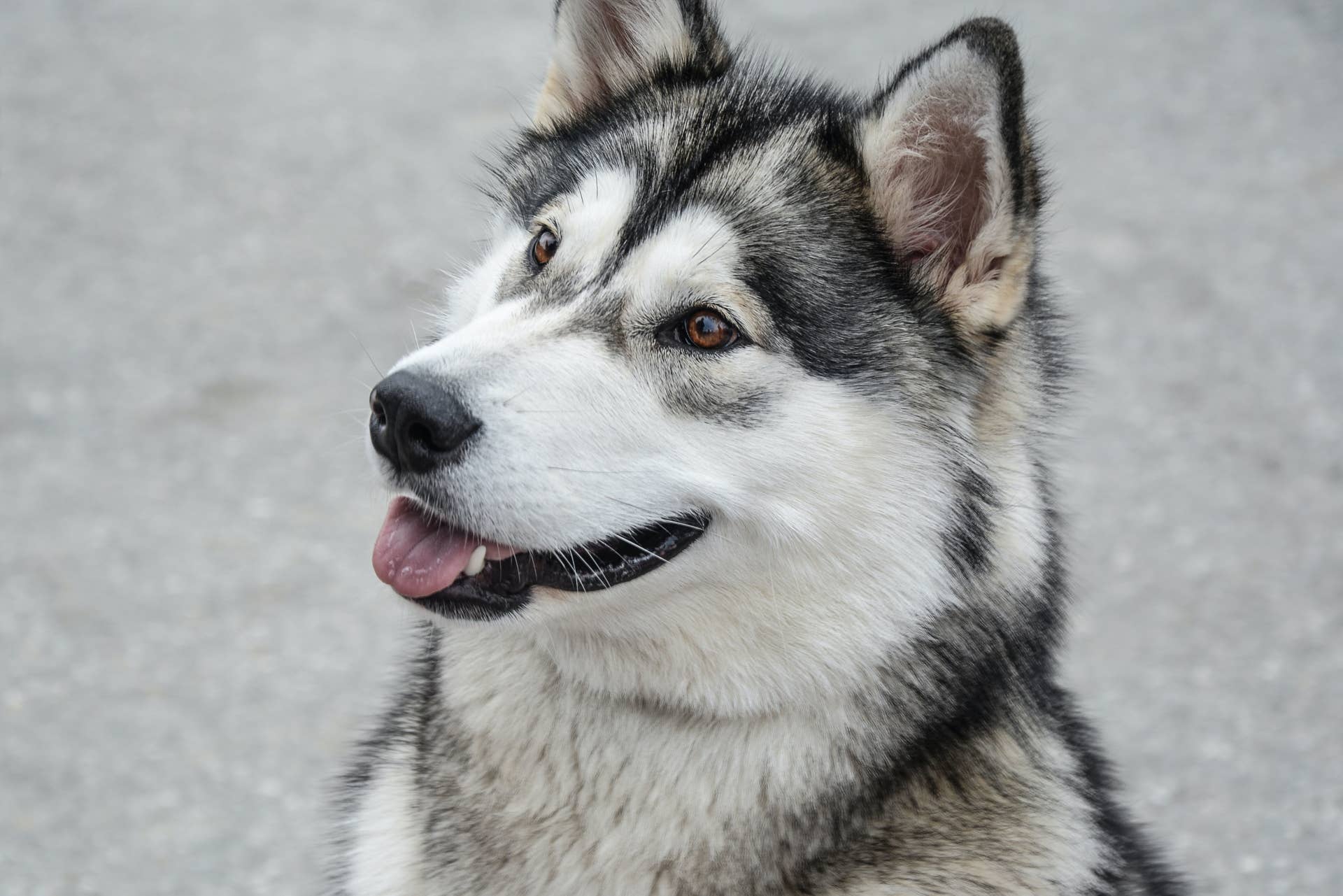
The Siberian Husky, with its striking eyes and thick coat, is not just a winter icon but also one of the closest breeds to wolves. Their ability to withstand harsh climates and their pack mentality reflect their wild ancestry. If you own a Siberian Husky, you might notice their love for running and howling, reminiscent of their wolf cousins.
Alaskan Malamute
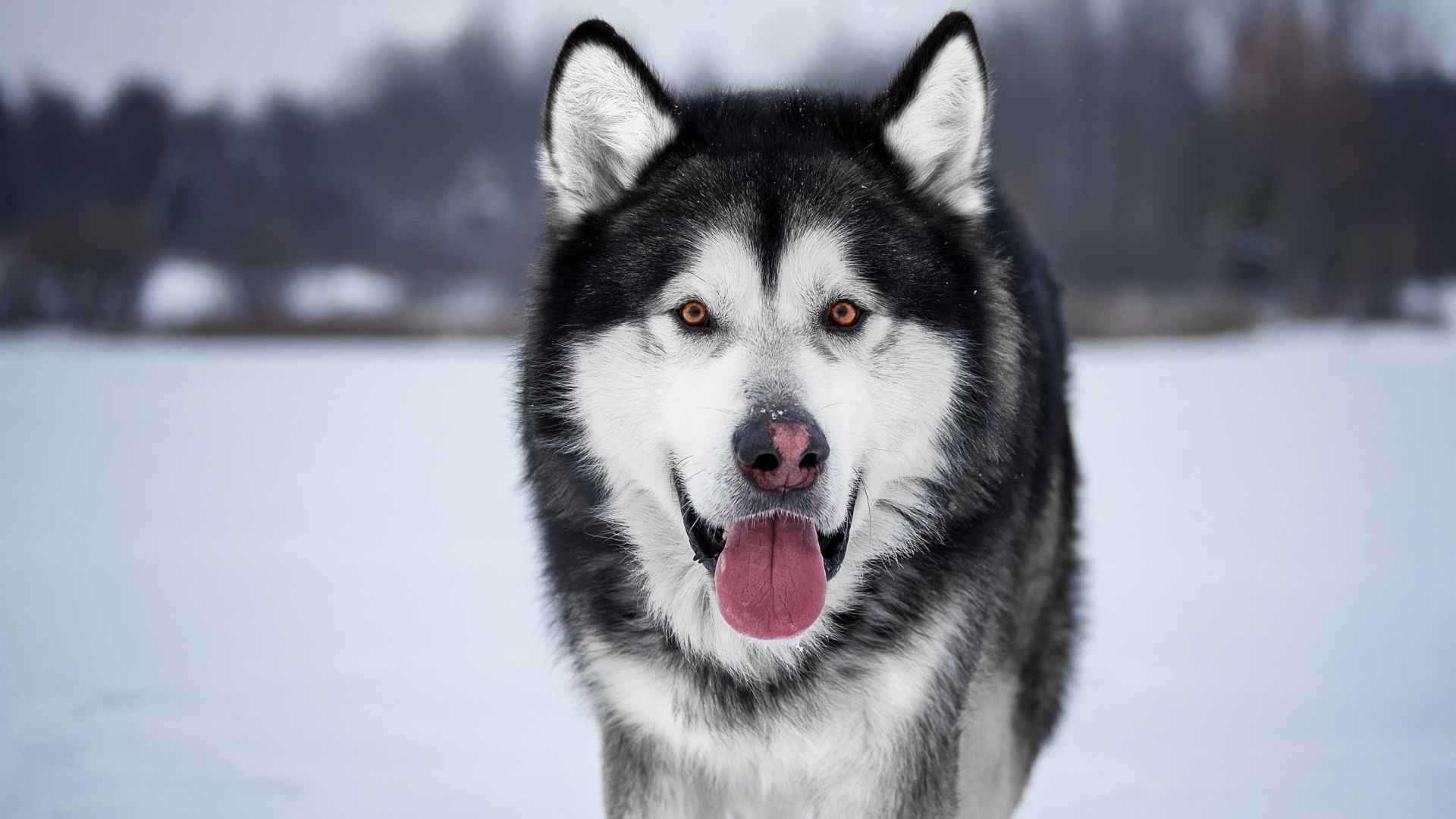
The Alaskan Malamute is another breed that has retained much of its wolf-like traits. Known for its strength and endurance, this breed was originally developed for pulling heavy sleds. Malamutes are independent and intelligent, often testing boundaries, which can be a delightful challenge for an experienced owner.
German Shepherd
German Shepherds are revered for their intelligence and loyalty, traits that are deeply rooted in their wolf ancestry. Their protective nature makes them excellent guard dogs. If you’ve ever watched a German Shepherd at work, you might see a glimpse of their wolf heritage in their focused and strategic movements.
Akita Inu
The Akita Inu, with its dignified and aloof demeanor, shares a close genetic link to wolves. This breed is known for its loyalty and courage, often forming strong bonds with its family. If you’re lucky enough to have an Akita Inu, you’ll know they love to observe before acting, a trait that speaks to their cautious and intelligent nature.
Credit: pethelpful.com
Role Of Dna Studies
DNA studies reveal which dog breeds share the closest genetic ties with wolves. Breeds like the Alaskan Malamute and Siberian Husky show significant similarities. Understanding these connections helps in studying dog behavior and traits.
Understanding which dog breeds are closest to wolves has fascinated both scientists and pet lovers. The role of DNA studies in unraveling this mystery is pivotal. These studies help us see the connections and differences between domestic dogs and their wild ancestors. DNA studies provide a clearer picture of the evolutionary journey and help us appreciate the diversity among our furry companions.Genetic Evidence
DNA studies have revealed surprising results about the genetic links between certain dog breeds and wolves. Breeds like the Siberian Husky, Alaskan Malamute, and Shiba Inu show strong genetic ties to wolves. This doesn’t mean they’re wild, but they do share more genetic markers with wolves compared to other breeds. The genetic evidence is fascinating, showing us how domestic dogs have retained some ancient traits. It makes you wonder about the shared history between these breeds and wolves. Are these connections influencing their behaviors and characteristics today?Research Methods
Scientists use various methods to gather DNA evidence, including sequencing technologies that analyze genetic material. They study both mitochondrial DNA, which is passed down through the mother, and nuclear DNA, to get a comprehensive view. These methods allow researchers to compare the DNA of different dog breeds with that of wolves. The data gathered helps create genetic maps, showing how closely related certain breeds are to their wild ancestors. This research is vital for dog lovers who want to understand their pets’ lineage and behavioral traits. It also raises interesting questions about breeding practices and the preservation of genetic diversity. How might this knowledge shape the future of dog breeding? Your curiosity might lead to deeper insights about your own pet’s ancestry.Impact On Breed Development
The development of dog breeds closest to wolves is fascinating. Many breeds share genetic ties with their wild ancestors. These connections influence their behavior and traits. Understanding these links helps us appreciate their unique qualities.
Selective Breeding
Selective breeding plays a crucial role in dog development. Breeders choose specific traits to enhance. This process has shaped dogs for thousands of years. Traits like size, coat color, and temperament are often selected. Breeds like the Alaskan Malamute and Siberian Husky retain wolf-like features. They have been selectively bred for strength and endurance. These traits are useful in harsh environments. Such breeds have strong hunting instincts and keen senses. These characteristics make them similar to wolves.
Preservation Efforts
Preservation efforts aim to protect ancient dog breeds. Some breeds have remained unchanged for centuries. These efforts focus on maintaining their genetic purity. The Czechoslovakian Wolfdog is an example. It was bred as a working dog in the 1950s. This breed combines wolf and dog traits. Preservationists work to keep its wild characteristics intact. They ensure these breeds do not lose their unique identity. Maintaining these breeds helps us understand canine evolution. It allows us to see the connection between dogs and wolves.
Credit: worldanimalfoundation.org
Myths And Misconceptions
Many believe that certain dog breeds, like Huskies and Malamutes, closely resemble wolves. This assumption is largely based on their physical appearance. However, true genetic ties to wolves are more complex and not solely determined by looks.
When discussing which dog breeds are closest to wolves, myths and misconceptions often cloud the truth. Many people hold onto popular beliefs without verifying the facts. This confusion can lead to misunderstandings about dog behavior, genetics, and suitability as pets. Let’s untangle these myths and reveal the true nature of our canine companions.Common Misbeliefs
One of the most common misbeliefs is that all dogs closely resemble wolves in their behavior. You might hear that owning a Husky or Malamute is like having a tame wolf at home. This idea is not only misleading but can also set unrealistic expectations for dog owners. Another misconception is that physical appearance directly correlates with genetic closeness to wolves. A dog with a wolf-like coat and eyes isn’t necessarily more genetically similar to a wolf than a poodle or a bulldog. It’s fascinating how often people assume otherwise based solely on looks. There’s also the myth that wolf-like dogs are more aggressive or difficult to train. This assumption disregards the individual personality of each dog. Dogs, like people, have unique temperaments, and training plays a significant role in their behavior.Clarifying Facts
Let’s clear up these misunderstandings with some facts. While all dogs share a common ancestor with wolves, not all breeds are equally close. Research shows that breeds like the Shiba Inu and Chow Chow have more genetic similarities to wolves than some wolf-lookalike breeds. Physical appearance often deceives. The German Shepherd might look wolfish, but it’s not the closest in terms of genetics. Instead, some breeds with less obvious wolf-like features might surprise you with their genetic proximity to wolves. Training and socialization are key. A well-trained Husky can be as gentle and obedient as a Labrador. Focusing on positive reinforcement and understanding your dog’s unique needs can help you nurture a well-behaved pet. Have you ever been surprised by a dog’s behavior that defied its breed stereotype? It’s a reminder that each dog, regardless of its wolfish traits, is an individual. Embracing their uniqueness can lead to a more fulfilling relationship with your furry friend.Living With Wolf-like Dogs
Living with wolf-like dogs offers a unique experience. Breeds like the Alaskan Malamute and Siberian Husky share wolf traits. Their appearance and behavior closely resemble their wild ancestors.
Living with wolf-like dogs can be a unique experience. These dogs share many traits with their wild ancestors. They are loyal, intelligent, and independent. These characteristics make them fascinating companions. Yet, they require special attention and care.Training Needs
Wolf-like dogs need consistent training. They are intelligent and can learn quickly. But they also have a strong will. Positive reinforcement works best with them. Use treats and praise to encourage good behavior. Training should start early and be a regular part of their routine.Care Requirements
These dogs need a lot of exercise. They have high energy levels. Daily walks and playtime are essential. A fenced yard is ideal for them to run and explore safely. Their thick fur requires regular grooming. Brush them weekly to keep their coat healthy. Regular vet check-ups are important for their health. Provide a balanced diet to meet their nutritional needs.Frequently Asked Questions
What Dog Breeds Resemble Wolves The Most?
Several dog breeds closely resemble wolves in appearance and genetics. These include the Alaskan Malamute, Siberian Husky, and Czechoslovakian Wolfdog. Their wolf-like features and behaviors make them popular among dog enthusiasts. However, their resemblance doesn’t necessarily mean they possess a wolf’s temperament.
Are Siberian Huskies Genetically Close To Wolves?
Siberian Huskies share some genetic similarities with wolves due to their ancient lineage. Despite this, they have been domesticated for centuries. Their friendly and sociable nature makes them excellent family pets, unlike wolves. Huskies are known for their striking wolf-like eyes and fur patterns.
How Is The Czechoslovakian Wolfdog Similar To Wolves?
The Czechoslovakian Wolfdog was bred to retain many wolf-like characteristics. It was created by crossing German Shepherds with Carpathian wolves. This breed exhibits wolf-like physical traits and behaviors. They are intelligent, loyal, and require experienced handling due to their strong instincts.
Do Alaskan Malamutes Have Wolf Ancestry?
Alaskan Malamutes have some wolf ancestry, as they were bred to work in harsh Arctic conditions. Their large size and thick fur are reminiscent of wolves. Despite their appearance, Malamutes are known for their friendly demeanor and loyalty. They require ample exercise and mental stimulation.
Conclusion
Exploring dog breeds close to wolves helps us understand their roots. These breeds share traits with their wild ancestors. They have strong instincts and unique personalities. Huskies and Malamutes remind us of wolves with their looks. German Shepherds and Shiba Inus also carry wolf-like qualities.
Each breed offers a glimpse into the wolf’s legacy. Choosing such a dog means embracing their wild side. Remember, these dogs need special care and attention. Their connection to wolves makes them fascinating companions. Appreciate their origins and enjoy their wild spirit in your home.