Do Dogs Need a Coat: Essential Winter Tips
Senior Canine Nutritionist & Dog Behavior Specialist at Cozy Dog Go Wellness Lab

Have you ever wondered if your furry friend needs a coat during chilly weather? As you snugly wrap yourself in layers, you might ponder whether your dog feels the same bite of cold.
It’s a common question among pet owners, and the answer might surprise you. Understanding your dog’s unique needs can make all the difference in ensuring their comfort and health. Discover how the right choice could keep your beloved pet cozy, happy, and safe.
Dive into this article to learn more about when and why your dog might need a coat. You won’t want to miss these essential insights that could transform your pet’s winter experience!
Dog Coat Necessity
Cold weather can be harsh for dogs, especially short-haired breeds. A coat can offer protection and warmth. It’s important for comfort and health during chilly months.
Dog Coat Necessity As the temperatures drop, you might wonder whether your furry friend needs a coat for those chilly walks. While dogs have a natural fur layer, not all breeds are equipped to handle the cold. Understanding your dog’s specific needs can ensure they stay warm and comfortable.
Breeds That Benefit
Certain breeds are more susceptible to cold weather and can benefit greatly from a dog coat. Short-haired breeds like Greyhounds and Chihuahuas lack the thick fur necessary to insulate against the cold. Similarly, smaller dogs lose body heat more quickly, making coats a wise choice for them. On the other hand, Arctic breeds like Huskies and Malamutes, with their dense fur, are naturally better suited for cold climates. However, even these breeds might need protection in extremely harsh conditions. Always consider your dog’s breed and their individual tolerance to cold.
Signs Your Dog Is Cold
Recognizing when your dog is cold can help you decide when a coat is necessary. Shivering is a clear sign, but there are more subtle indicators too. If your dog is lifting their paws off the ground frequently, it might be due to the cold. Pay attention to their behavior; if they’re reluctant to go outside or seem uncomfortable on walks, they might be feeling the chill. You can also check their ears; if they’re cold to the touch, it’s a sign they might need extra warmth. Ensuring your dog is comfortable in cold weather is essential. Does your dog show any signs of being cold? A simple coat could make all the difference in their winter adventures.

Credit: waudog.com
Choosing The Right Coat
Choosing the right coat for your dog depends on their breed and climate. Small or short-haired dogs often need extra warmth during cold months. Consider their activity level and environment to ensure comfort and protection.
Choosing the right coat for your dog can be an adventure of its own. It’s not just about picking the cutest or trendiest option. You need to consider various factors that will ensure your dog stays comfortable, warm, and stylish. Whether it’s for those chilly winter walks or a rainy day outing, selecting the perfect coat involves paying attention to details like material, size, and fit. Let’s dive into these aspects to help you make an informed decision that your furry friend will appreciate.
Material Considerations
When selecting a coat, the material is crucial for your dog’s comfort. Wool and fleece are fantastic for warmth, but can be too much for milder climates. Waterproof materials like nylon are perfect for rainy days to keep your pup dry. Consider how easy the material is to clean—some fabrics can be tossed in the washing machine while others need special care. If your dog has sensitive skin, hypoallergenic options might be worth exploring.
Size And Fit
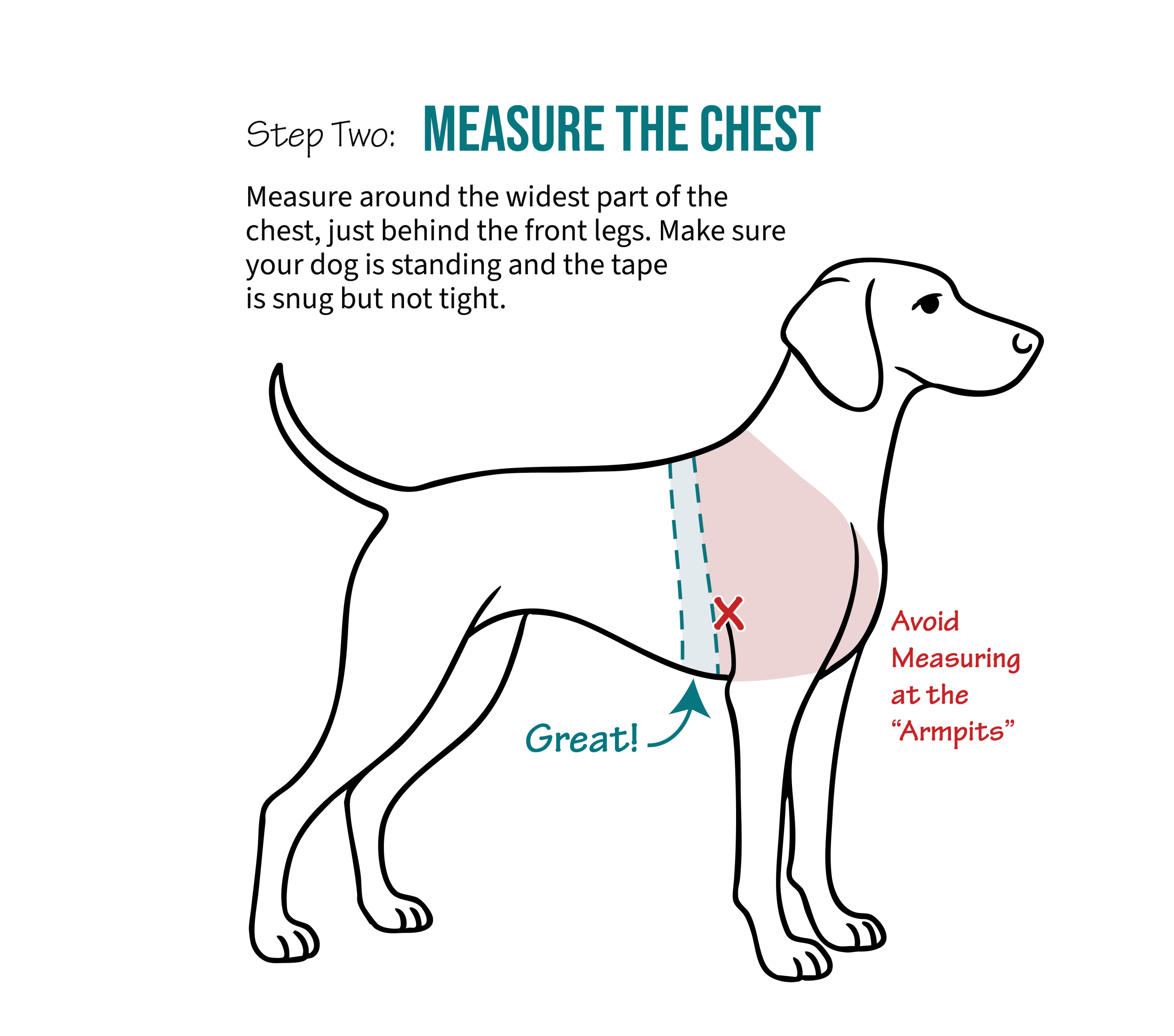
A coat should fit snugly without restricting movement. Measure your dog’s neck, chest, and length from neck to tail to ensure the right fit. Look for adjustable features like Velcro straps or elastic bands that can accommodate minor size changes. A poorly fitted coat might cause discomfort or even injury, so trying on different styles is crucial. Have you ever noticed your dog trying to shake off a coat? That’s often a sign of an ill-fitting garment. Make sure your dog is comfortable and can move freely in their new apparel.
Alternatives To Dog Coats
As the temperature drops, your furry friend might need some extra warmth. While dog coats are a popular choice, there are other alternatives that can keep your pup cozy without the hassle of fitting them into a coat. Whether you’re dealing with a finicky dog who dislikes wearing clothes or simply looking for more versatile options, these alternatives can provide the comfort your pet deserves during chilly days.
Sweaters And Jackets
Sweaters and jackets can be great options for dogs that need extra warmth. Unlike coats, they often come in softer materials, providing comfort without being overly restrictive. Many pet owners find that sweaters are easier to put on and take off, reducing the stress on both the dog and the owner.
Consider trying a sweater made from natural fibers like wool or cotton. These materials can be gentle on your dog’s skin and offer excellent insulation. Jackets, on the other hand, often come with water-resistant properties, making them perfect for those unexpected rainy days.
Heated Beds And Blankets
Heated beds and blankets offer a cozy retreat for dogs who prefer lounging over walking around in a coat. These alternatives can provide warmth and comfort, especially for older dogs or those with joint issues. Imagine your pup snuggling into a heated bed during a cold winter night.
Blankets infused with heat-retaining materials can be a simple yet effective solution. They can be draped over your dog’s regular sleeping spot, turning it into a warm haven. Ask yourself, would your dog prefer a blanket and bed over a coat? Sometimes, the answer is as simple as observing their habits and preferences.
Winter Care Tips
Dogs with short fur or low body fat may need a coat in winter. Cold weather can be harsh. A warm coat helps them stay cozy and healthy during walks.
Winter brings a special set of challenges for dog care. As temperatures drop, your furry friend requires extra attention. Proper winter care ensures your dog stays healthy and comfortable. Here’s how you can make winter a bit cozier for your canine companion.
Paw Protection
Cold weather can be harsh on dog paws. Ice, snow, and salt can irritate their sensitive pads. Consider using pet-safe paw balm to prevent cracks. Dog boots are another great option. They shield paws from cold surfaces and sharp ice. Always wipe your dog’s paws after walks to remove any salt or chemicals. Check for any signs of injury or irritation regularly.
Hydration And Diet
Dogs need proper hydration even in winter. Heating systems can dry indoor air, increasing your dog’s thirst. Ensure fresh water is always available. Diet is also vital during colder months. Some dogs may require more calories to maintain body heat. Consult your vet to determine if diet adjustments are needed. Choose high-quality dog food that meets your pet’s nutritional needs.
Safety During Winter Walks
Winter walks can be an adventure for both you and your dog, but they also come with their own set of challenges. With the drop in temperature and icy conditions, ensuring your furry friend stays safe and comfortable is crucial. As you gear up for those brisk strolls, understanding the importance of visibility and protection against frostbite can make a world of difference.
Visibility Gear
Imagine walking down a snowy path, with snowflakes gently falling, reducing visibility. It’s easy to lose sight of your dog in such conditions. Equipping your dog with visibility gear, like reflective collars or LED lights, can be a lifesaver. These tools ensure that your dog remains visible to you and others, reducing the risk of accidents.
Have you ever tried using a LED collar on a night walk? It’s like your dog has its own spotlight, making it easier to keep track of their movements. Consider adding this to your winter gear list. Enhanced visibility not only keeps your dog safe but also provides peace of mind.
Avoiding Frostbite
Frostbite can be a real concern during those chilly excursions. Dogs, especially those with short fur, are vulnerable to the cold. Ensuring your dog wears a coat can help protect against the harsh elements. Pay attention to your dog’s paws, ears, and tail, as these areas are most susceptible to frostbite.
On one particularly cold day, I noticed my dog limping after our walk. A quick check revealed that his paws were red and sore from the icy ground. It was a wake-up call to invest in protective booties, which made a noticeable difference in his comfort during winter outings. Is your dog’s winter wardrobe complete?
Credit: www.abc.net.au

Credit: waudog.com
Frequently Asked Questions
Do Dogs Really Need Coats In Winter?
Dogs with short fur or low body fat often need coats in winter. Coats provide essential warmth and protection against cold temperatures. Not all dogs require them, but it’s crucial to assess your dog’s specific needs based on their breed, size, and health.
Are There Specific Breeds That Need Coats?
Yes, some breeds need coats more than others. Breeds like Greyhounds, Chihuahuas, and Whippets often benefit from wearing coats. These breeds have short fur and little body fat, making them more susceptible to cold weather. Always consider your dog’s comfort and health when deciding.
How Do I Choose The Right Coat For My Dog?
Choose a coat based on your dog’s size, breed, and activity level. Ensure the coat is warm, waterproof, and fits comfortably. Look for adjustable straps and easy-to-clean materials. The coat should allow freedom of movement while providing adequate protection against cold and wet conditions.
Can Wearing A Coat Cause Discomfort To My Dog?
A poorly fitted coat can cause discomfort or restrict movement. Ensure the coat fits well and is not too tight. Check for rubbing or chafing, especially around the shoulders and underarms. Regularly monitor your dog for signs of discomfort when wearing a coat.
Conclusion
Deciding if your dog needs a coat depends on several factors. Consider your dog’s breed, size, and health. Small or short-haired dogs may feel cold faster. Check the weather conditions. Cold and wet climates often require extra warmth. Observe your dog’s behavior.
Shivering or reluctance to go outside may indicate cold discomfort. Choose a coat that fits well and doesn’t restrict movement. Comfort is key. Always prioritize your pet’s well-being and safety. With thoughtful care, your furry friend will stay happy and warm.
Stay attentive to their needs, and enjoy outdoor adventures together, regardless of the weather.

Similar Posts