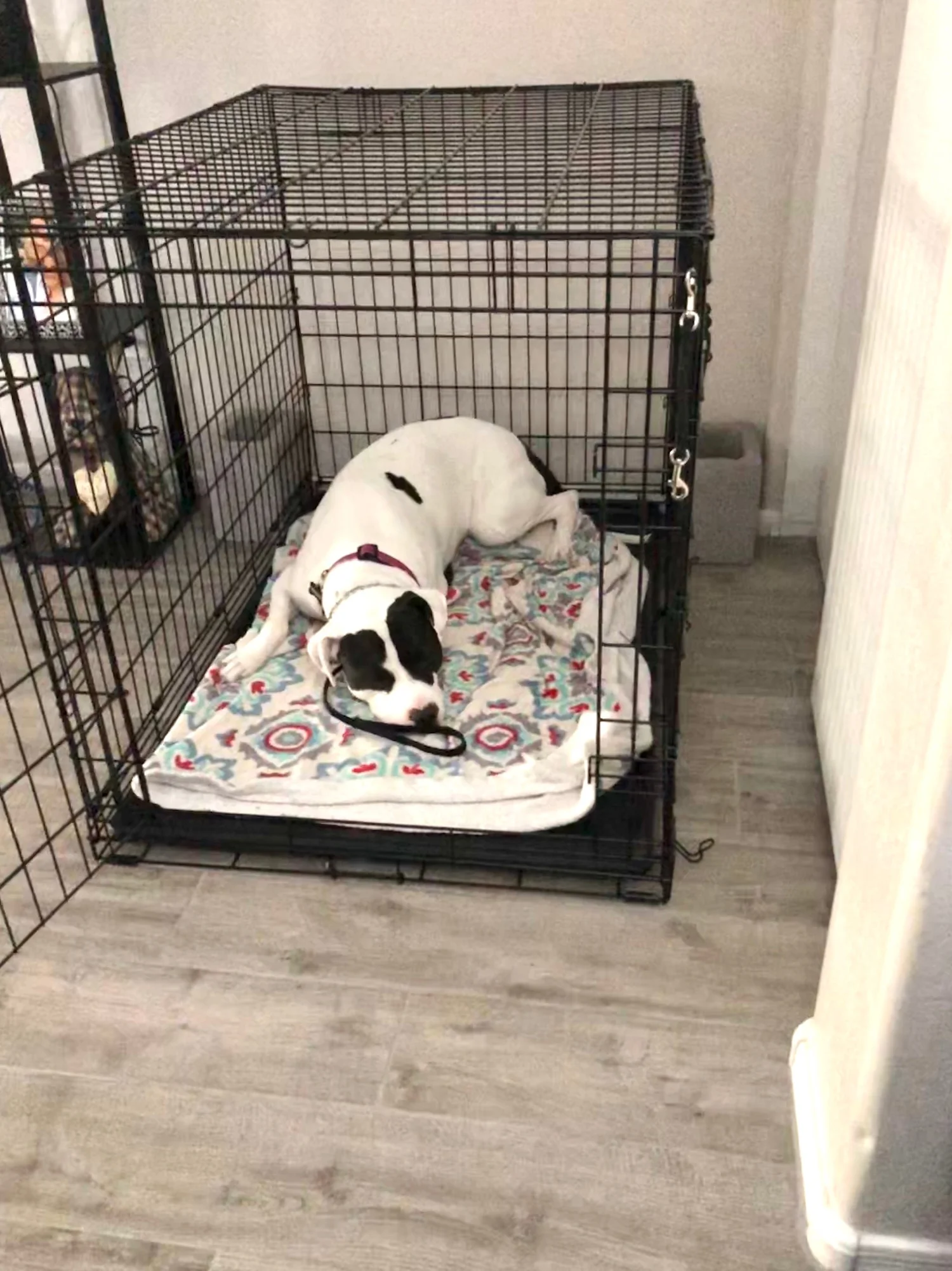
Does Putting a Blanket Over a Dog Crate Help Calm Dogs?
Senior Canine Nutritionist & Dog Behavior Specialist at Cozy Dog Go Wellness Lab

Do you ever find yourself wondering if covering your dog’s crate with a blanket could make a difference? Maybe you’ve heard other pet owners swear by it, or perhaps you’ve seen it suggested online.
It’s a simple act, but could it be the key to transforming your dog’s crate from just a cage into a comforting den? You want the best for your furry friend, and you’re willing to try anything to ensure their happiness and well-being.
But is this the right move? Before you rush to grab that cozy throw, let’s dive into what this simple change could mean for your dog. Understanding the benefits—and potential drawbacks—of covering a crate can help you make an informed decision. Stick around as we explore if this technique is the secret to a more relaxed and happy pup, or if it’s just another myth in the world of pet care.
Benefits Of Covering A Dog Crate
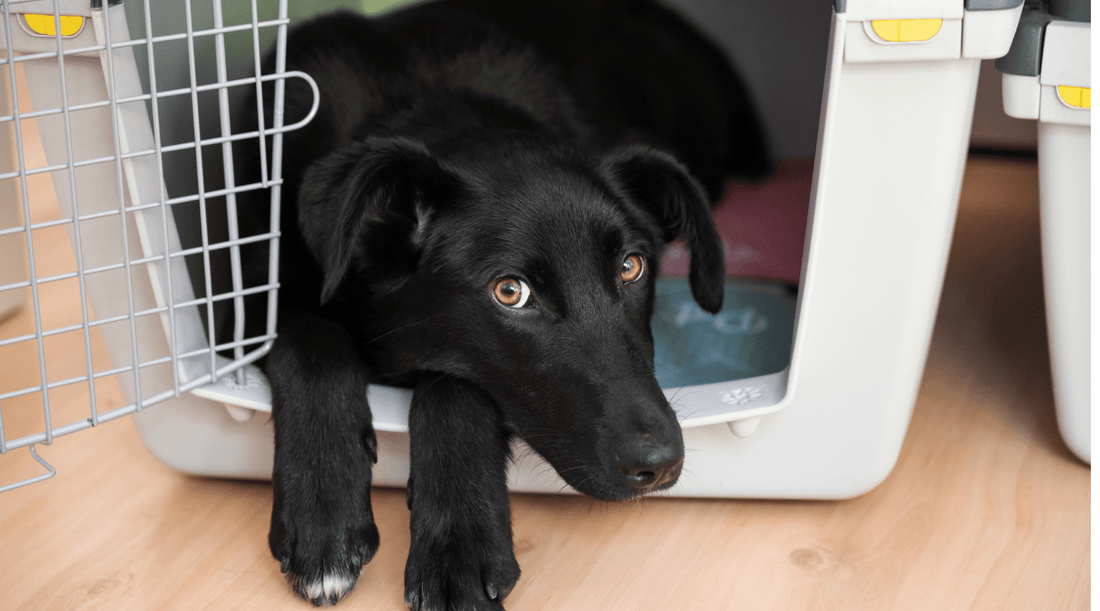
Putting a blanket over a dog crate creates a cozy, den-like space for your pet. This can reduce anxiety and help your dog feel more secure. A covered crate may also block out light and noise, promoting better sleep.
Covering a dog crate can offer several benefits. A blanket or cover can transform a crate into a cozy retreat. For dogs, this small change can make a big difference. It can help manage their environment and provide comfort. Discovering the advantages of a covered crate can lead to a happier pet.Creating A Cozy Environment
A blanket creates a snug space for your dog. It mimics a den-like atmosphere, which dogs naturally seek. This coziness can reduce anxiety and stress. Dogs feel safe and secure in covered spaces. The soft fabric adds warmth, especially during colder months. This can be especially comforting for puppies or anxious dogs. A cozy crate can encourage restful sleep and relaxation.Reducing External Stimuli
Blankets help block out sights and sounds. This is crucial for dogs sensitive to noise or activity. A covered crate minimizes distractions from the environment. It can be beneficial during storms or fireworks. The cover acts as a shield from bright lights and sudden movements. This can lead to a calmer, more peaceful dog. Reducing stimuli helps your dog focus on resting.Credit: www.facebook.com
Common Misconceptions
When thinking about covering your dog’s crate with a blanket, it’s easy to fall into common misconceptions. Many dog owners believe it creates a cozy den-like atmosphere or helps soothe anxiety. While there can be benefits, misinformation often leads to safety concerns and impacts crate training negatively. Let’s explore these facets to ensure you’re making the best choices for your furry friend.
Blanket Safety Concerns
Blanket safety is paramount. You might assume that any blanket is fine, but not all are safe for your dog. Thick blankets can trap heat, making the crate uncomfortably warm and potentially hazardous. Thin or easily torn materials could become choking hazards if your dog chews on them.
Consider breathable fabrics that don’t overheat the crate. Secure the blanket so it doesn’t fall inside and become a plaything for your dog. If you notice signs of discomfort, such as excessive panting or restlessness, it’s time to reassess your blanket choice.
Impact On Crate Training
Covering a crate can interfere with effective crate training. Some dogs may feel isolated or trapped, hindering their ability to acclimate to the crate environment. This can lead to crate aversion, making training more challenging.
If your dog is new to crate training, try leaving the crate uncovered initially. Gradually introduce a blanket once your dog is comfortable. Observe your dog’s reaction and adjust accordingly. Does the blanket help them feel secure, or does it cause anxiety?
Address your dog’s specific needs and preferences. Remember, every dog is different, and what works for one may not work for another.
Credit: www.tiktok.com
Frequently Asked Questions
Does Covering A Dog Crate Calm Anxiety?
Covering a dog crate can help reduce anxiety by creating a den-like atmosphere. It blocks out external stimuli, offering a sense of security. However, not all dogs may respond positively, so observe your pet’s behavior. Ensure proper ventilation and monitor comfort levels to avoid overheating or distress.
Is It Safe To Use A Blanket For Dogs?
Using a blanket is generally safe, but ensure it doesn’t restrict airflow. Choose a breathable fabric to prevent overheating. Regularly check for signs of discomfort or distress. If your dog chews or tears the blanket, remove it to avoid choking hazards.
Consult your vet for personalized advice.
How Does A Blanket Affect Crate Training?
A blanket can ease crate training by creating a cozy environment. It helps the crate feel more like a safe space. This comforting setup encourages positive associations with the crate. Always introduce it gradually and ensure your dog remains comfortable and relaxed throughout the process.
Can Blankets Help Dogs Sleep Better?
Blankets can help dogs sleep better by providing warmth and comfort. They mimic the feeling of a den, promoting relaxation. Ensure the blanket is appropriate for your dog’s size and preferences. Regularly monitor your dog’s sleep patterns and adjust the setup as needed for optimal comfort.
Conclusion
Covering a dog crate with a blanket can offer comfort. It creates a cozy, safe space for your dog. Some dogs feel relaxed with a covered crate. Others might feel confined. Observe your dog’s reaction. Adjust as needed. Each dog is unique, requiring different approaches.
Experiment and find what works best. Prioritize your pet’s comfort and safety. Always ensure proper ventilation. A happy dog means a happy home. Keep your dog’s needs in mind. Make the crate a pleasant place. Your dog will appreciate the effort.

Similar Posts