How Big Should a Dog’s Crate Be: Expert Sizing Guide
Senior Canine Nutritionist & Dog Behavior Specialist at Cozy Dog Go Wellness Lab
Choosing the right crate size for your dog can feel like a daunting task. You want your furry friend to be comfortable, but you also want to ensure their safety and well-being.
The size of your dog’s crate isn’t just about fitting them inside; it’s about creating a safe haven where they can rest and relax. Picture your dog feeling cozy, not cramped, with enough space to stand, turn, and lie down comfortably.
This balance is crucial, and getting it right can have a big impact on your dog’s happiness and health. Stick with us as we guide you through the essentials of selecting the perfect crate size for your beloved pet. You’ll discover tips and insights that can make the decision process much simpler and your dog’s crate experience much more enjoyable.
Credit: bullybeds.com
Importance Of Proper Crate Size
Choosing the right size for your dog’s crate is more important than you might think. A properly sized crate is crucial for your pet’s safety, comfort, and overall well-being. It serves as a sanctuary for your dog, offering a sense of security and a space to call their own.
Safety And Comfort
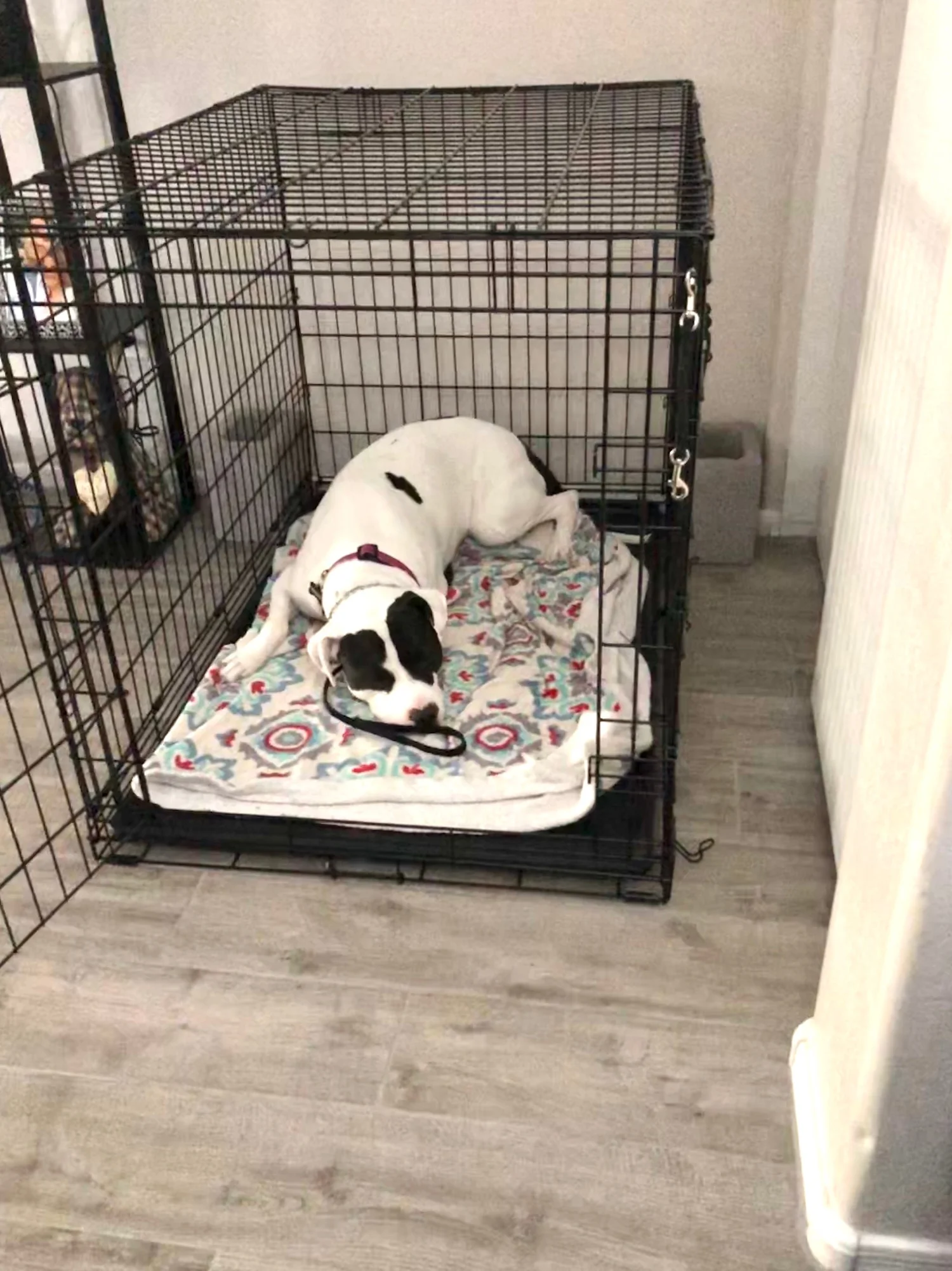
Safety is the primary reason why selecting the correct crate size is essential. A crate that is too small can cause discomfort and even injury, while one that is too large may not provide the cozy security your dog needs. You want your dog to be able to stand, turn around, and lie down comfortably.
When my Labrador, Max, first used a crate, I underestimated his need for a little extra room. I quickly realized he needed more space to stretch out during his naps. Ensuring your dog has enough room is key to preventing stress and discomfort.
Behavioral Benefits
Crate training with the appropriate size can also promote positive behavior in dogs. When the crate feels like a safe den, your dog is less likely to develop anxiety-related behaviors. The right size helps prevent accidents, as dogs typically avoid soiling their resting space.
Have you ever noticed how dogs find comfort in small, enclosed spaces, like under a table? A properly sized crate taps into this natural instinct, helping to ease separation anxiety and reduce destructive behavior. By choosing wisely, you are setting the stage for a happier, more relaxed pet.
Measuring Your Dog
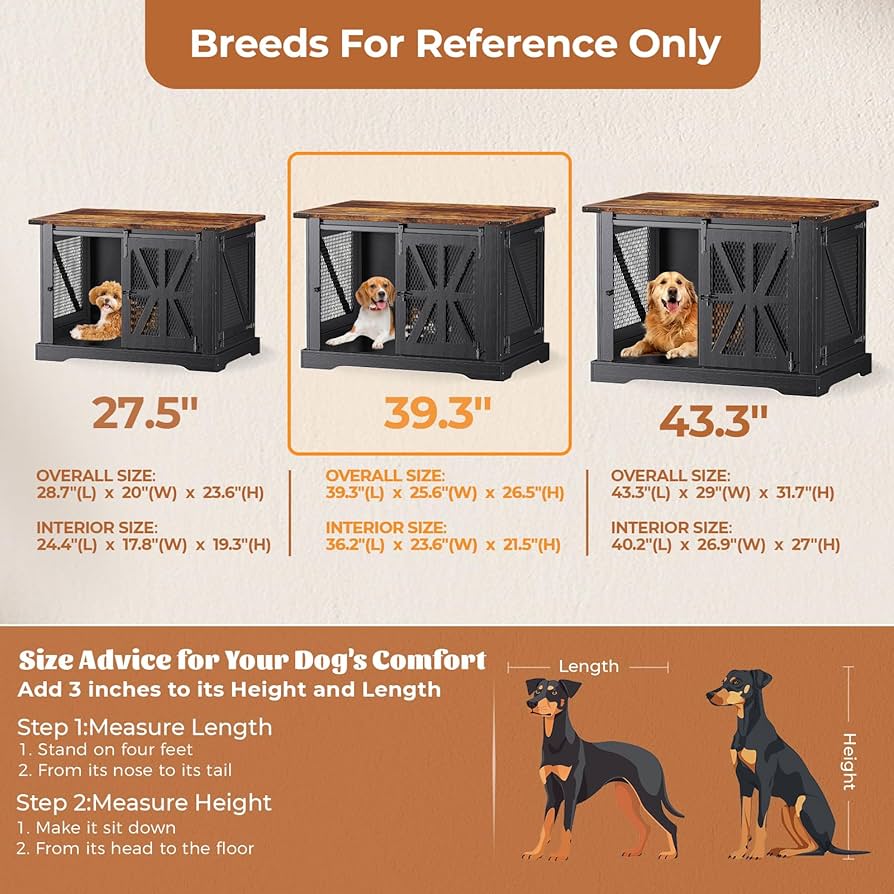
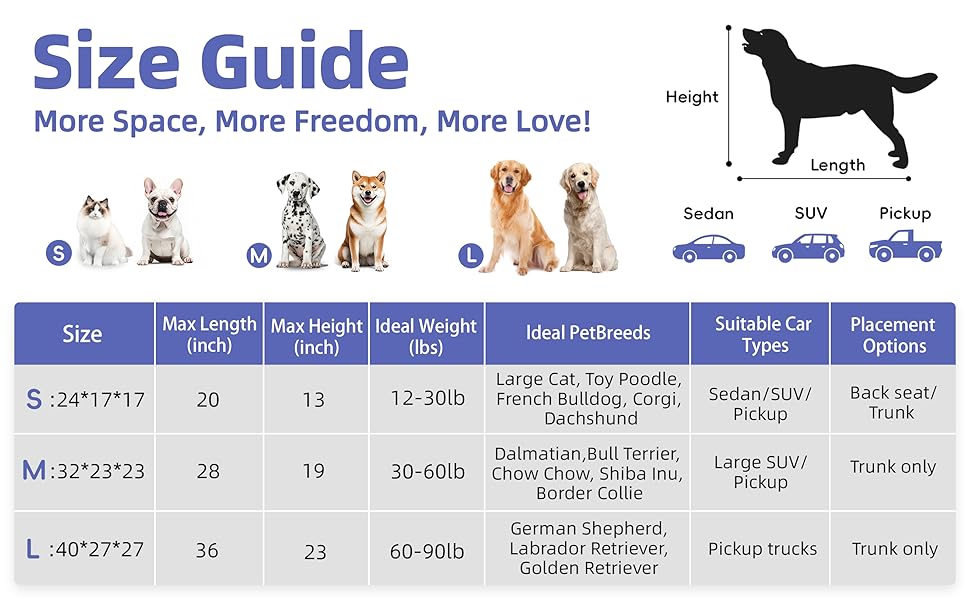
Choosing the right size crate is crucial for your dog’s comfort. Measure your dog’s length from nose to tail and height from floor to head. Add a few extra inches to ensure enough space to stand, turn, and lie down comfortably.
Measuring your dog accurately is crucial for choosing the right crate. A well-sized crate provides comfort and security. It helps with training and reduces stress. To find the perfect fit, focus on your dog’s length, height, and breed.Length And Height
Measure your dog’s length from nose to tail. This ensures enough room for stretching. Include the tail if it’s long. Next, check the height from floor to head. This allows your dog to stand comfortably. Add a few inches to both measurements for extra space.Breed Considerations
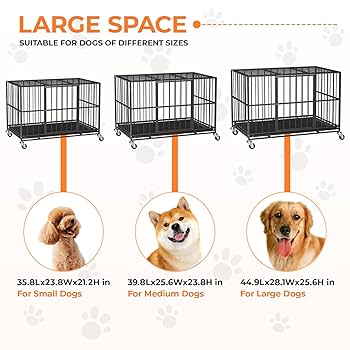
Different breeds have unique needs. Small breeds like Chihuahuas need less space. Large breeds like Great Danes require more room. Consider your dog’s body type and activity level. Energetic dogs may prefer a slightly bigger crate. Calm breeds might enjoy a cozy fit.Types Of Dog Crates
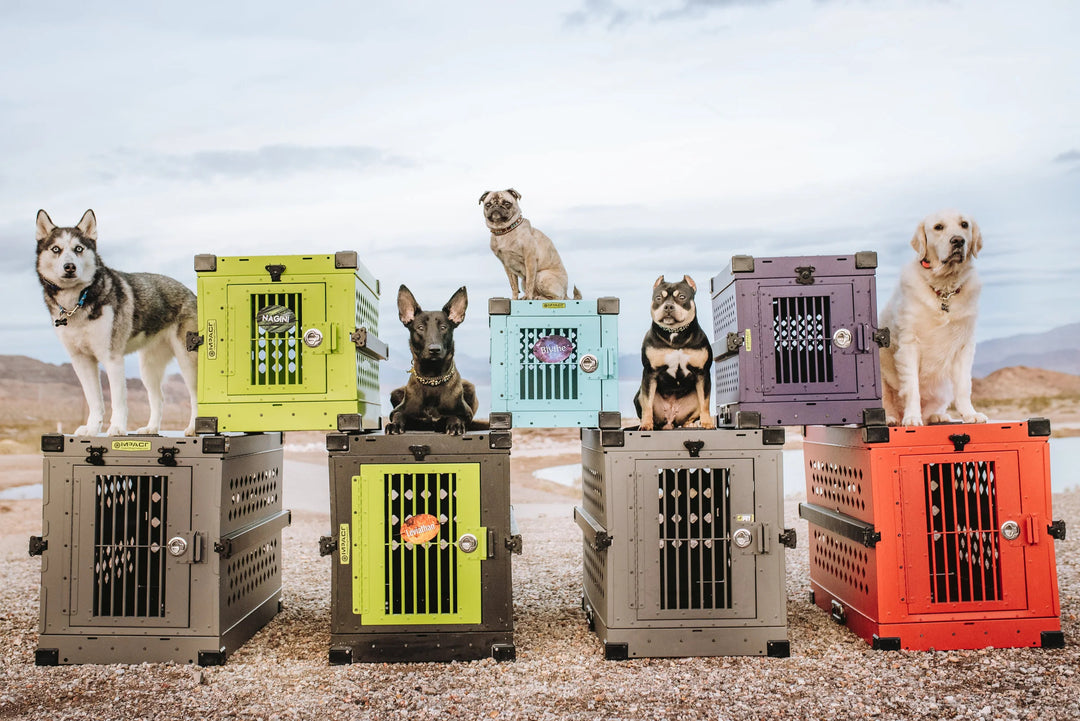
Choosing the right dog crate is important for your pet’s comfort. There are several types of crates available. Each type has unique features that suit different needs.
Wire Crates
Wire crates are sturdy and provide good ventilation. They are easy to clean and offer visibility. These crates fold flat for storage, making them convenient for travel.
Plastic Crates
Plastic crates are durable and provide privacy for dogs. They are often used for airline travel due to their solid construction. These crates keep dogs warm and secure.
Soft-sided Crates
Soft-sided crates are lightweight and easy to carry. They are ideal for small dogs and short trips. These crates offer comfort with their padded interiors and flexible structure.

Credit: www.impactdogcrates.com
Factors Affecting Crate Size
Choosing the right size for your dog’s crate is crucial for their comfort and well-being. It’s not just about fitting them inside; it’s about creating a space where they feel secure and relaxed. Several factors can influence the ideal crate size, including age, growth, and activity level. Let’s dive into these aspects to help you make the best decision for your furry friend.
Age And Growth
Age plays a significant role in determining crate size. Puppies grow rapidly, and a crate that fits them today might be too small tomorrow. Consider getting a crate with dividers that can be adjusted as your puppy grows. This ensures they have enough space now and later.
For adult dogs, size is more stable. Measure your dog from nose to tail and from floor to head when they’re standing. Add a few inches to these measurements to ensure they can move comfortably. Remember, a crate that’s too spacious might not offer the security they need.
Activity Level
Your dog’s activity level is another critical factor. Active dogs may require a larger crate to stretch and move around. If your dog spends hours outside running and playing, they might appreciate a bit more space inside their crate.
On the other hand, a less active dog may feel overwhelmed in a large space. They might prefer a cozy crate that feels more like a den. Think about your dog’s daily routine and energy levels when choosing the right size.
So, what do you think? Does your dog’s crate offer them the comfort they deserve? It’s worth taking a closer look to ensure their space meets their needs.
Adjusting Crate Size
Adjusting your dog’s crate size is crucial for their comfort and safety. The right size ensures your pet feels secure while having enough space to stretch. A crate that’s too small can make your dog anxious. Conversely, a crate that’s too large may not provide the den-like feel dogs enjoy. To get the perfect fit, consider your dog’s breed, age, and growth potential.
Using Dividers
Dividers are helpful tools for crates designed for growing dogs. They allow you to customize the crate space as your puppy grows. Initially, a small area helps your puppy feel cozy and secure. As your dog grows, adjust the divider to give more room. This method saves money by avoiding multiple crate purchases.
Transitioning To Larger Crates
As your dog matures, they’ll need more space. Transitioning to a larger crate becomes necessary. A larger crate allows for comfortable movement and rest. Select a crate that suits the adult size of your dog. Ensure it is not too big to maintain the snug, den-like feel. Your dog should be able to stand, turn, and lie down comfortably.
Common Mistakes In Crate Sizing
Choosing the right size crate for your dog is crucial. Many pet owners mistakenly select too large or too small crates. A crate should allow your dog to stand, turn, and lie comfortably.
Choosing the right size crate for your dog can be a daunting task. It’s easy to make mistakes, especially if you’re a first-time dog owner. Getting it wrong can lead to discomfort for your furry friend, and even hinder training efforts.Too Small Or Too Large
A common pitfall is selecting a crate that’s too small or too large. A crate that’s too small can make your dog feel cramped and uncomfortable. Imagine being stuck in a tiny space with no room to stretch—it’s not pleasant for your pup either. Measure your dog from nose to tail and from floor to the top of their head. This ensures they have enough room to move comfortably. On the other hand, a crate that’s too large can lead to its own set of problems. Dogs naturally avoid soiling their sleeping area. In a large crate, your dog might find a corner to use as a bathroom, which defeats the purpose of crate training.Ignoring Dog’s Needs
Ignoring the specific needs of your dog can also lead to size mistakes. Every dog is unique, and what works for one might not work for another. Consider their breed, age, and behavior. A playful puppy may require a different setup than a senior dog who values comfort over space. Observe your dog’s behavior to gauge their preference. Does your dog like to curl up or sprawl out? You might be surprised how these tendencies impact the crate size they need. Think about your dog’s comfort and safety, not just the convenience of fitting a crate in your living room. A well-fitted crate can become a safe haven for your dog, offering them a sense of security and a place to call their own. Are you ready to choose the perfect crate size for your dog? Avoid these common mistakes, and you’ll be on the right track to creating a cozy and safe environment for your beloved pet.Expert Tips For Crate Training
Expert tips for crate training can make the process easier. A crate offers a safe space for dogs and helps with training. It’s essential to approach crate training thoughtfully. Start with gradual introduction and use positive reinforcement to ensure a comfortable and successful experience for your dog.
Gradual Introduction
Begin by placing the crate in a familiar area. Let your dog explore it at their own pace. Keep the door open initially and add soft bedding inside. Encourage your dog to enter using treats or toys. Spend time nearby to reassure them it’s a safe environment.
Short sessions are key. Allow your dog to spend a few minutes inside the crate. Gradually increase the duration as they become more comfortable. Watch for signs of stress or discomfort and adjust accordingly.
Positive Reinforcement
Reward your dog for entering the crate willingly. Use treats and verbal praise to create positive associations. Consistency is crucial. Reinforce good behavior every time your dog uses the crate. This builds trust and confidence.
Never use the crate as a form of punishment. It should be a place of comfort and safety. Encourage your dog to enter and exit freely during the day. This helps them view the crate as a positive space.
Credit: www.treasurebox.co.nz
Frequently Asked Questions
What Factors Determine Dog Crate Size?
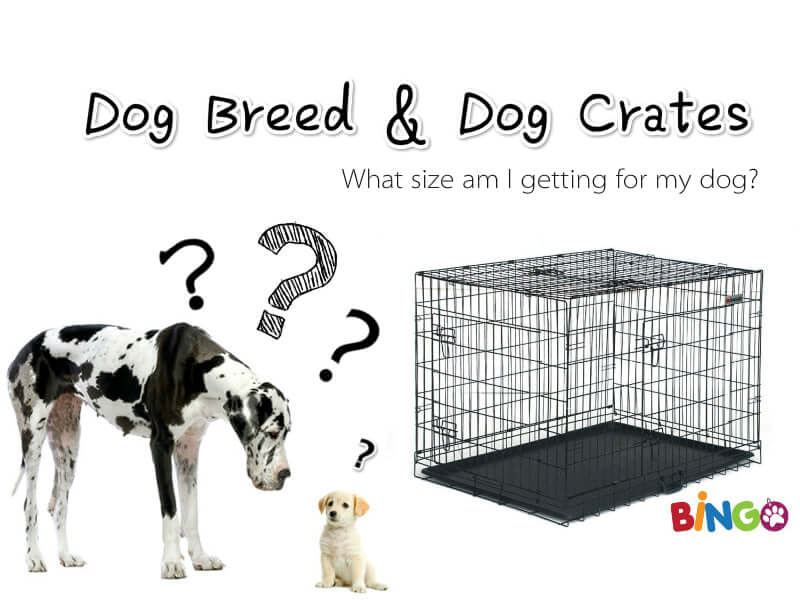
The ideal crate size depends on your dog’s breed, size, and age. It should allow your dog to stand, turn around, and lie down comfortably. Consider future growth if your dog is a puppy. A crate that’s too large or too small can lead to discomfort or behavioral issues.
How To Measure A Dog For A Crate?
To measure your dog, start with its length from nose to tail. Then, measure its height from the floor to the top of the head. Add a few inches to each measurement for comfort. Use these dimensions as a guide to find the right crate size for your pet.
Can A Crate Be Too Big For A Dog?
Yes, a crate that’s too big can be problematic. Excess space might encourage your dog to use one end as a bathroom. A snug fit is preferable, as it promotes a sense of security. Choose a size that allows movement but discourages unwanted behavior.
Why Is Crate Size Important For Dogs?
Proper crate size ensures your dog’s comfort and safety. A well-sized crate provides a secure environment that mimics a den. It helps with training and prevents accidents. Crates that are too small cause discomfort, while oversized crates might not provide the same sense of security.
Conclusion
Choosing the right crate size helps your dog feel secure. Measure your dog carefully. Ensure your dog can stand, turn, and lie down. Comfort matters for them. A snug fit is ideal, not too tight. Look for crates with adjustable sizes.
This allows room for growth. Consider your dog’s breed and age. A larger crate works for bigger breeds. Small dogs need less space. Always check crate materials for safety. Ensure proper ventilation. Your dog deserves a cozy and safe space.
A well-sized crate promotes happiness and well-being. Your dog will thank you for it.

Similar Posts