How Big Should Dog Crate Be: Find the Perfect Fit
Senior Canine Nutritionist & Dog Behavior Specialist at Cozy Dog Go Wellness Lab
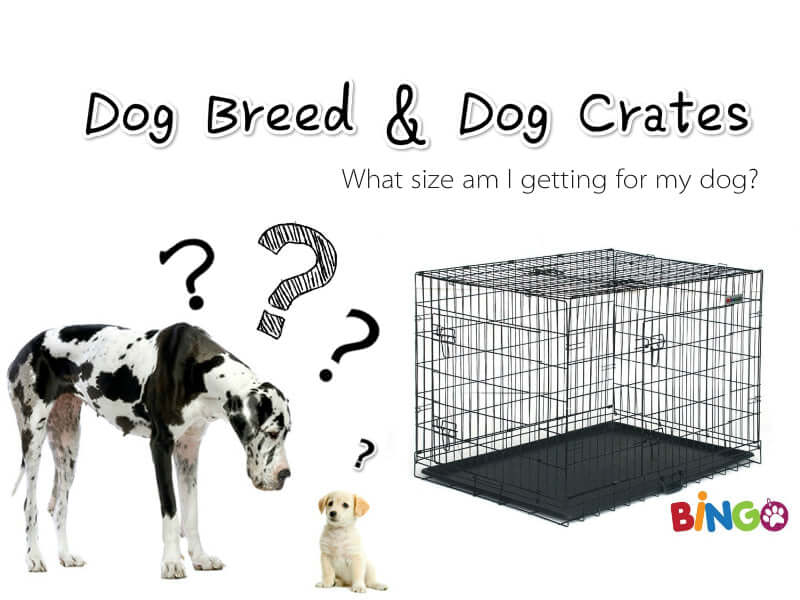
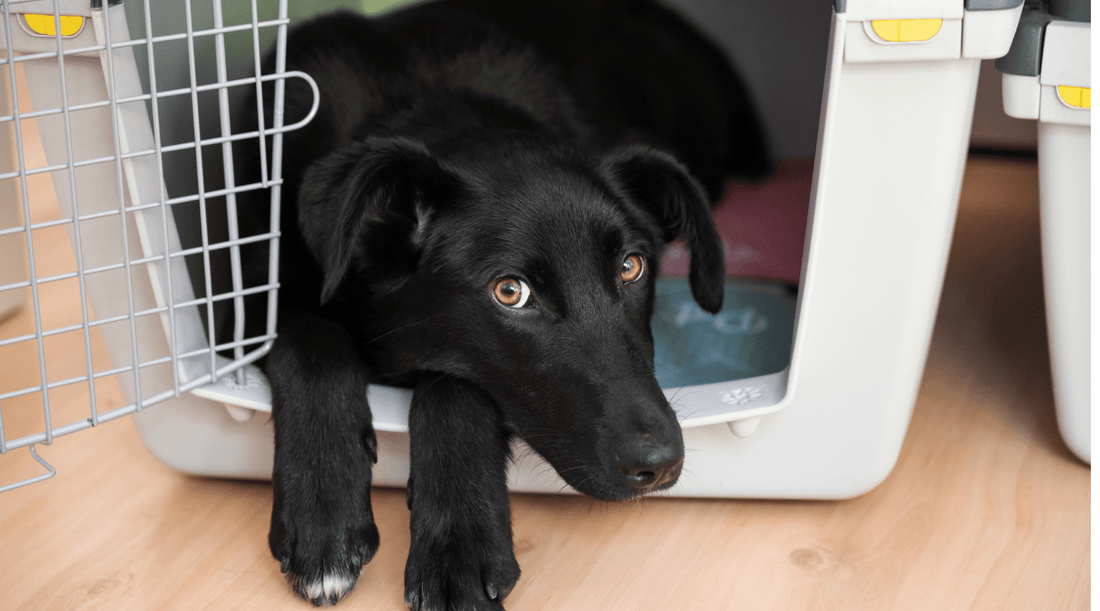
Choosing the right crate for your dog is more than just a matter of comfort; it’s about ensuring their safety and well-being. Imagine this: a crate that’s too small might feel like a cramped, uncomfortable cage, while one that’s too big can make your pet anxious or insecure.
You want your furry friend to feel secure, not trapped or lost in a vast space. As a loving pet owner, it’s crucial to find the perfect balance. You’ll discover the secrets to selecting the ideal crate size, tailored to your dog’s unique needs.
You’ll learn how to create a cozy, inviting space where your dog can relax and feel at home. Keep reading, and unlock the key to a happier, more contented pet.
Importance Of Proper Crate Size
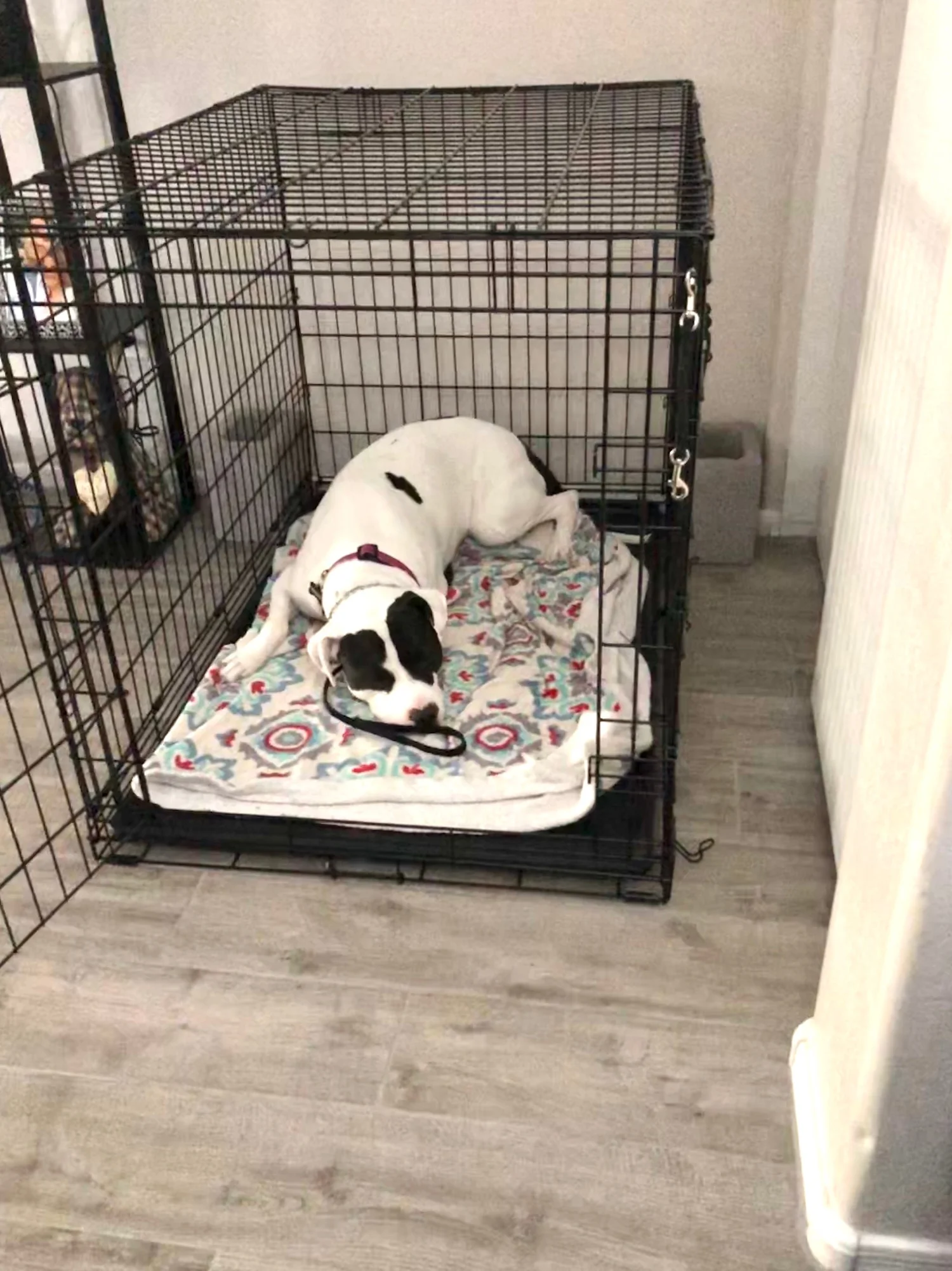
Choosing the correct crate size for your dog ensures comfort and safety. A crate should be spacious enough for standing, turning, and lying down easily. Proper sizing helps in training and reduces stress, making your pet feel secure.
Proper crate size is crucial for your dog’s comfort and safety. A crate that’s too small can make your pet feel cramped, while one that’s too large may lead to anxiety and messes. Finding the right balance is essential for creating a secure and happy environment for your furry friend.Why Crate Size Matters For Comfort
Imagine squeezing into a tiny car for a long road trip. Uncomfortable, right? Your dog feels the same in a cramped crate. A comfortable crate allows your dog to stand, turn around, and lie down easily. This can significantly reduce stress and make the crate a welcoming space.Impact On Training And Behavior
A properly sized crate is a powerful training tool. Dogs naturally avoid soiling their sleeping area. With the right-sized crate, your dog is less likely to have accidents, reinforcing potty training. An oversized crate, however, might lead to a messy situation as your dog might designate one corner for bathroom needs.Safety Considerations
Safety is a top priority for any pet owner. A crate that’s too large can pose risks during travel. Imagine your dog sliding around in a moving car or plane. A snug fit prevents this, ensuring your pet stays safe and secure during transit.Guidelines For Choosing The Right Size
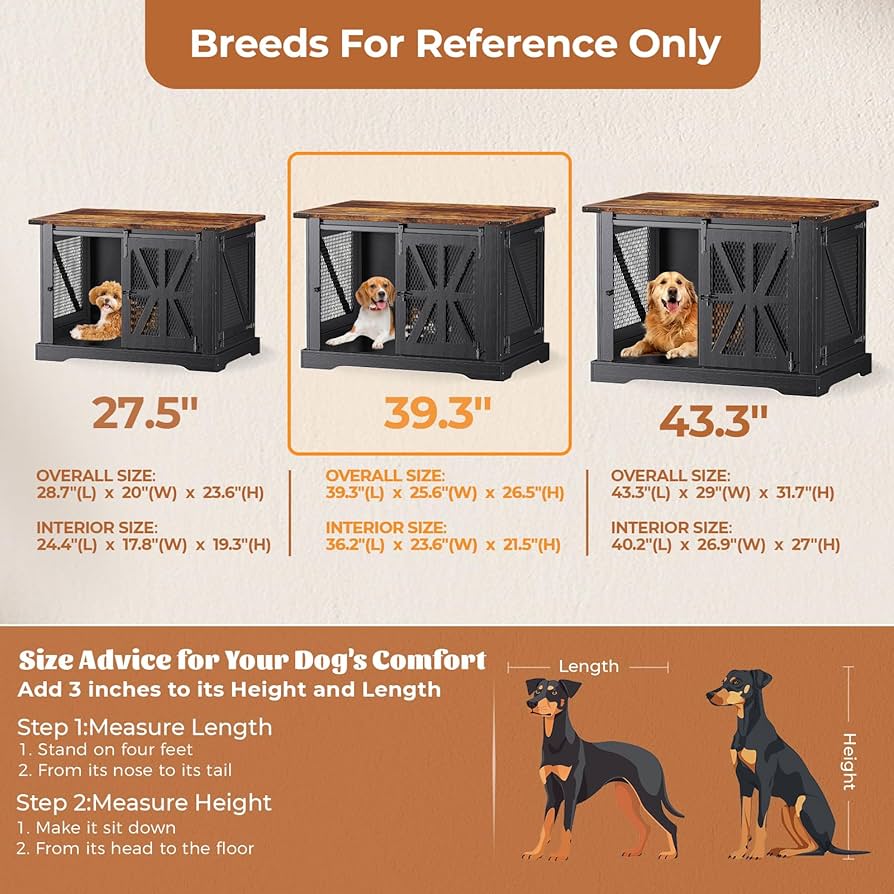
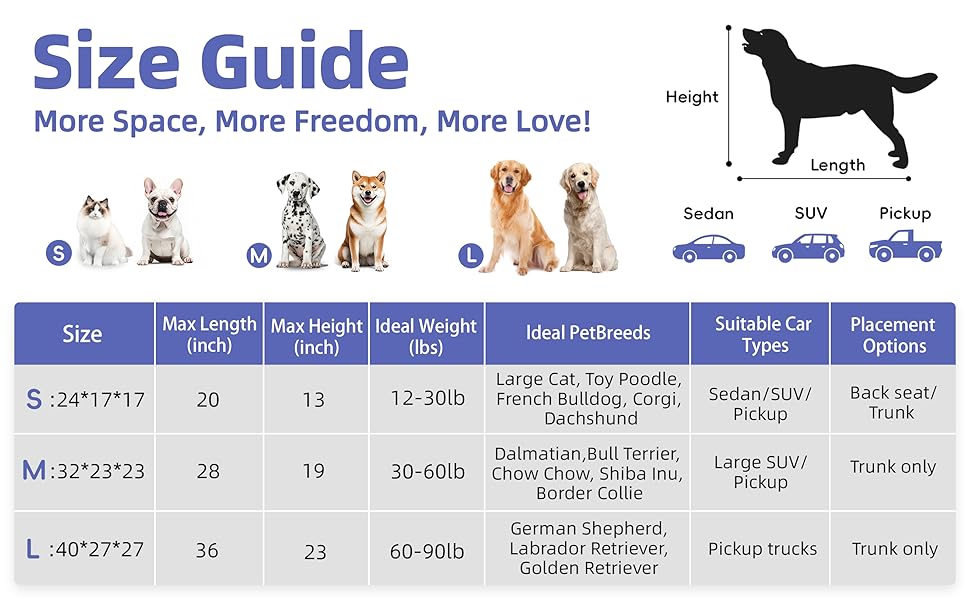
How do you determine the correct crate size? Measure your dog’s length from nose to tail and height from the floor to the top of the head. Add a few inches to each measurement to ensure comfort. Many pet stores offer size charts to guide you, making it easier to find the perfect fit.Personal Experience With Crate Sizing
I once bought a crate that was too big for my Labrador, Max. He ended up using one side as a bathroom. After switching to a smaller crate, accidents stopped, and he seemed much happier. This experience taught me the importance of proper sizing firsthand. Choosing the right crate size is more than just a practical decision. It’s about ensuring your dog feels secure and at home. Have you found the perfect size for your furry friend yet?Credit: bullybeds.com
Factors Influencing Crate Size
Choosing the right size for your dog’s crate is crucial for their comfort and well-being. It’s not just about picking a size that fits your home, but about considering specific factors that will ensure your furry friend feels secure and cozy. Let’s dive into the key elements that influence crate size.
Breed Considerations
The breed of your dog plays a significant role in determining the appropriate crate size. Larger breeds, like Great Danes or Saint Bernards, require spacious crates that allow them to stand up, turn around, and stretch out comfortably. Smaller breeds, such as Chihuahuas or Dachshunds, need less space but still deserve a cozy environment that isn’t too cramped. Think about your dog’s breed-specific needs and ensure their crate accommodates these requirements.
Age And Growth Expectations
Puppies grow rapidly, so their crate should be adaptable to their changing size. Consider investing in a crate with dividers, allowing you to adjust the space as they grow. This ensures your puppy isn’t overwhelmed by too much space or cramped as they mature. Adult dogs, on the other hand, will need a crate that matches their current size, but keep in mind any potential weight changes that might require future adjustments.
Behavioral Traits
Your dog’s behavior can also dictate the ideal crate size. If your dog is anxious or prone to destructive behavior, a smaller, snug crate might provide a sense of security. Conversely, a dog that enjoys lounging and stretching out might benefit from a larger space. Observe your dog’s habits and preferences to guide your decision. Would your dog prefer a cozy nook or a spacious den? Understanding their behavior can help you choose a crate that feels just right.
Measuring Your Dog
Choosing the right crate size for your dog is essential for comfort. Measure your dog’s length and height accurately. Ensure the crate allows your dog to stand, turn, and lie down comfortably.
Measuring your dog for the perfect crate size is crucial. An ill-fitted crate can cause discomfort and stress for your furry friend. To ensure your dog feels secure and comfortable, take accurate measurements. This involves checking your dog’s length, height, and weight. Each factor plays a significant role in selecting the right crate size.Length And Height
Measure your dog’s length from nose to base of the tail. This ensures the crate has enough space for stretching. Measure the height from the floor to the top of the head. If your dog has erect ears, include them. Add a few inches to both measurements. This gives extra space for comfort. Keep in mind, dogs should stand and turn easily in their crate.Weight Considerations
Weigh your dog using a bathroom scale. Hold your dog and note the total weight. Subtract your weight from the combined number. This gives your dog’s weight. Crates often come with weight guidelines. Choose a crate that supports your dog’s weight. This ensures durability and safety. A suitable crate prevents the structure from collapsing or breaking.
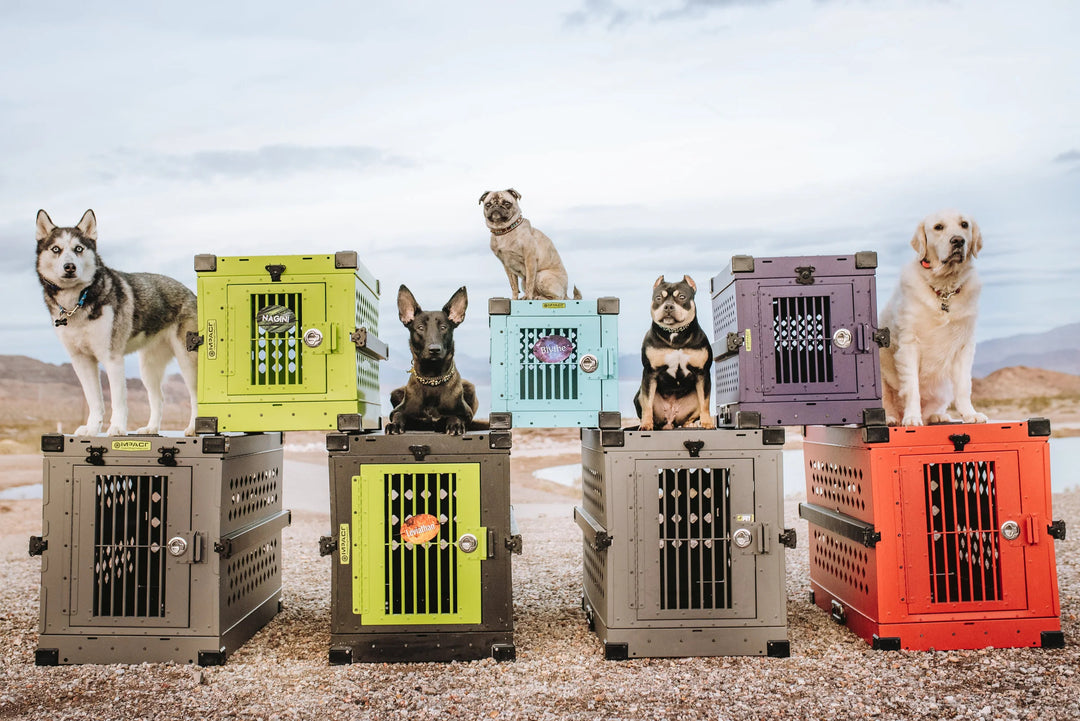
Credit: www.impactdogcrates.com
Types Of Dog Crates
Choosing the right type of dog crate is crucial for your pup’s comfort and safety. With various options available, it’s important to understand the differences to make an informed decision. Let’s dive into the types of dog crates that you can consider for your furry friend.
Wire Crates
Wire crates are popular for their durability and ventilation. They offer great visibility, allowing your dog to see their surroundings, which can be comforting. If you have a puppy, the adjustable divider is a lifesaver, helping to adapt the space as your pup grows.
Think about a family gathering where your dog feels part of the action without being overwhelmed. Wire crates are perfect for that scenario. They are easy to clean, which is a bonus if your dog is prone to accidents.
Are you worried about portability? Wire crates often fold flat, making them convenient for travel and storage. But remember, they might not be ideal for escape artists as some dogs can maneuver their way out.
Plastic Crates
Plastic crates are known for their sturdiness and privacy, offering a cozy den-like experience. Ideal for travel, especially air travel, they provide security and protection during transit. If your dog needs a quiet space, these crates minimize outside noise, which can be beneficial.
Picture a rainy day where your dog seeks solace in a warm, enclosed space. Plastic crates excel in such situations. They’re also great for preventing drafts, making them a snug option for colder climates.
However, keep in mind that they might not be as well-ventilated as wire crates. If your dog tends to overheat, consider this factor before choosing a plastic crate.
Soft-sided Crates
Soft-sided crates offer flexibility and ease of transport. They’re lightweight, making them perfect for road trips or visits to the vet. If you love camping with your dog, these crates can be a game-changer, providing a portable shelter.
Imagine heading to the park and setting up a cozy spot for your dog to relax. Soft-sided crates can offer that comfort. They’re also great for short-term containment at home, providing a temporary safe space.
But be cautious if your dog is a chewer. These crates might not withstand heavy gnawing, so assess your dog’s behavior before opting for a soft-sided version.
Adjustable Crate Options
Choosing the right dog crate can be challenging, especially as your furry friend grows. Adjustable crate options offer flexibility and convenience, helping ensure your dog feels comfortable and secure. These versatile crates can be modified to fit your dog’s size, giving them room to stretch and relax.
Expandable Crates
Expandable crates can adjust to your dog’s needs as they grow. These crates feature panels that extend, creating more space inside. They are ideal for puppies who will grow into larger dogs. By adjusting the size, you maintain a cozy environment without purchasing multiple crates.
Dividers For Growth
Crate dividers are a smart choice for growing dogs. They allow you to section off part of the crate, making it smaller initially. As your dog grows, remove or adjust the divider to increase space. This method helps maintain a snug fit, promoting a sense of security.
Avoiding Common Mistakes
Choosing the right dog crate size is crucial. A crate that fits well ensures comfort and security. Many dog owners make common mistakes during the selection process. Understanding these pitfalls can help you make a better choice for your furry friend.
Over-sized Crates
An overly large crate may seem appealing. But it can lead to issues. Dogs may use part of the crate as a bathroom. This defeats the purpose of crate training. A crate should be cozy yet spacious enough for your dog to stand, turn, and lie down comfortably.
Too Small Crates
A cramped crate is uncomfortable. It can cause stress and anxiety in dogs. Ensure your dog has enough space to move. Measure your dog from nose to tail and add a few inches. This ensures a snug but comfortable fit.
Benefits Of The Right Crate Size
Choosing the right dog crate size offers numerous benefits for your furry friend. A well-sized crate ensures comfort, promotes effective training, and provides security. Understanding these advantages helps make the best choice for your pet’s needs.
Comfort And Security
A correctly sized crate gives your dog a cozy retreat. It should allow them to stand, turn, and lie comfortably. This space becomes their personal den, offering safety and comfort. Feeling secure reduces anxiety and stress, making them happier.
Training Efficiency
Proper crate size plays a crucial role in training. A crate that’s too large can lead to accidents inside. The right size encourages them to hold their bladder, aiding in house training. It also helps in teaching boundaries and routines. A well-trained dog feels secure and more obedient.
Tips For Choosing The Right Crate
Choosing the right dog crate size ensures comfort and safety. Measure your dog from nose to tail and add extra inches. This helps your pet sit, stand, and turn comfortably inside the crate.
Choosing the right crate for your dog is crucial for their comfort and safety. The size of the crate can impact their behavior, training, and overall well-being. It’s not just about buying the biggest or smallest option; it’s about finding the perfect fit for your furry friend. Here are some practical tips to guide you in selecting the ideal crate size.Consulting With Professionals
Sometimes, the best advice comes from those who know dogs inside and out. If you’re uncertain about the right crate size, consider consulting with a veterinarian or a professional dog trainer. These experts can offer insights based on your dog’s breed, size, and temperament. A vet may also check if there are any health considerations that could affect crate size preference. Have you ever asked your vet about crate sizes? Their perspective might surprise you and save you from a future headache.Testing Different Sizes
Before committing to a specific crate, it’s beneficial to test different sizes. If possible, borrow or rent crates of various dimensions to see which one your dog prefers. Observe how your dog behaves in each crate. Are they able to stand, turn, and lie down comfortably? If they seem cramped, it might be time to size up. Remember, a crate should be a safe haven, not a confining space. Finding the right balance will make all the difference in your dog’s crate training experience.
Credit: carlsonpetproducts.com
Frequently Asked Questions
How To Determine The Right Crate Size?
The right crate size should allow your dog to stand, turn, and lie comfortably. Measure your dog from nose to tail and add a few inches. Ensure the crate is not too spacious, as it should feel cozy and den-like for your pet.
What Happens If The Crate Is Too Small?
A small crate can cause discomfort and stress for your dog. It can lead to health issues, such as joint pain or anxiety. Always ensure the crate provides enough space for your dog to move comfortably without feeling cramped.
Can A Large Crate Cause Problems?
Yes, a large crate might lead to behavioral issues. Dogs may use one end for sleeping and the other for bathroom needs. A snug fit helps reinforce den-like security and minimizes the likelihood of accidents. Proper crate size is crucial for effective training.
How Do I Choose A Crate For A Puppy?
Choose a crate that accommodates your puppy’s adult size. Use dividers to adjust the space as your puppy grows. This prevents accidents and ensures comfort. A properly sized crate aids in potty training and offers a secure environment for your growing pet.
Conclusion
Choosing the right dog crate size is crucial. Your dog’s comfort matters most. Measure your dog accurately. Ensure they can stand, turn, and lie down comfortably. A crate that’s too small can cause stress. Too large, and it may not feel secure.
Consider your dog’s breed and growth. Puppies need space to grow. Adult dogs need stability. A well-sized crate promotes safety and happiness. It also aids in training. Remember, a crate is your dog’s safe haven. Make it cozy and welcoming.
Your furry friend deserves the best space possible.

Similar Posts