Imagine a world where your loyal companion, the dog, roams wild as a fierce wolf. It’s hard to believe, right?
You might wonder how these majestic wolves transformed into the friendly dogs you know today. This intriguing journey from wolf to dog is filled with mystery and wonder. As you explore this transformation, you’ll uncover how certain wolf traits were molded by nature and humans into the diverse breeds you love.
Discover how ancient humans played a crucial role in shaping these breeds. This story is not just about evolution; it’s about the unique bond between humans and dogs. Keep reading to unlock the secrets behind your dog’s wild ancestry and find out how these incredible creatures became man’s best friend.
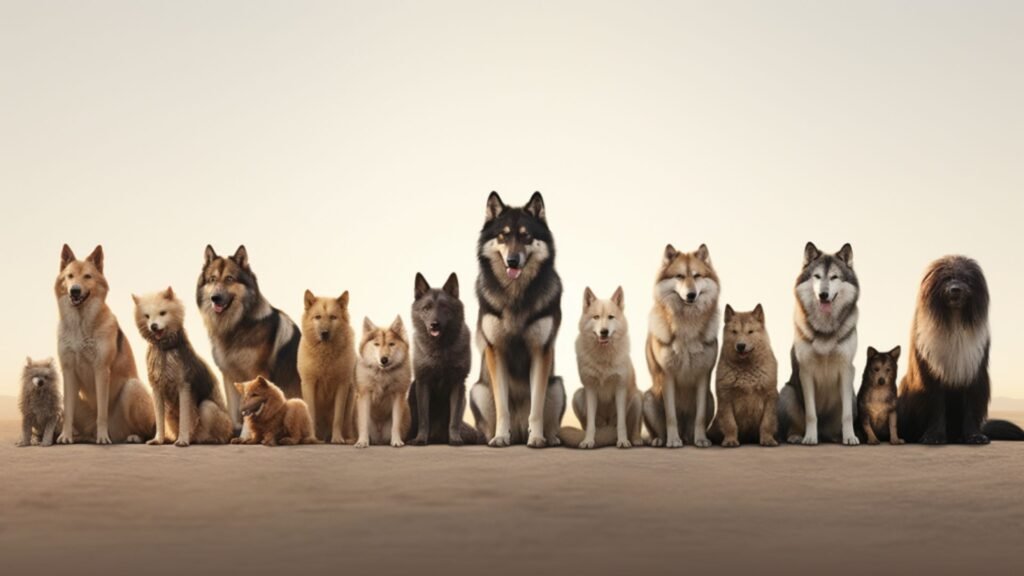
Credit: www.dwdogtraining.com
Evolutionary Path From Wolves To Dogs
Ancient wolves began the journey to become dogs thousands of years ago. Humans domesticated them for companionship and help. Different regions shaped diverse dog breeds, each with unique traits and purposes.
The journey from wolves to the first domesticated dogs is a fascinating tale of adaptation and mutual benefit. The evolutionary path was not just a physical transformation but a behavioral shift that enabled wolves to become a part of human society. This transition was sparked by environmental and social factors that encouraged wolves to integrate with humans, ultimately leading to the domesticated companions we know today.Genetic Divergence
The genetic divergence between wolves and dogs began thousands of years ago. Genetic studies have shown that dogs and wolves share a common ancestor but split into separate species over time. This divergence was driven by the wolves’ adaptation to living close to human settlements, where they found new sources of food and safety. As wolves interacted more frequently with humans, those with traits that favored cohabitation—such as reduced aggression—were more likely to survive and reproduce. This natural selection gradually led to the genetic traits we associate with domestic dogs. The genetic separation wasn’t uniform; some traits were selected faster than others. This process allowed for the variety of breeds we see today, each with unique characteristics but all stemming from that ancient wolf lineage.Behavioral Changes
Behavioral changes were pivotal in the evolution from wolves to dogs. Wolves that exhibited less fear and aggression towards humans had better chances of survival and access to resources. These wolves gradually learned to read human cues and adapt their behavior accordingly. This ability to communicate and cooperate with humans marked a significant departure from their wild ancestors. Over generations, these behavioral shifts became more pronounced, forming the foundation of the human-dog bond. Have you ever noticed how your dog seems to understand your mood or commands? This is a direct result of those early wolves adapting their behavior to live alongside humans. The evolution from wolves to dogs is a testament to nature’s adaptability and the power of human-animal relationships. It raises an intriguing question: How might this evolutionary partnership continue to evolve in the future?Early Human-wolf Interactions
Imagine a world where humans and wolves roamed the same landscapes, both striving to survive. Early human-wolf interactions were pivotal in shaping the relationship between these two species. Over time, these interactions led to the development of dog breeds as we know them today. But how did this remarkable transformation take place?
Mutual Benefits
Wolves and humans found themselves sharing similar goals: finding food, safety, and companionship. Wolves, with their keen senses and hunting skills, offered humans an edge in tracking prey. In return, humans provided protection and access to food leftovers. This symbiotic relationship fostered a unique bond, leading to the gradual taming of wolves.
Think about your own life—do you rely on others for support or resources? This mutual benefit is a principle that exists in nature and society alike. Wolves and humans discovered this early on, creating a foundation for domestication.
Domestication Process
The transition from wild wolf to domesticated dog was not a single event but a series of gradual steps. Wolves that showed less aggression were more likely to be tolerated by humans. Over generations, these wolves adapted to living alongside humans, slowly losing their wild instincts.
This process was not only about survival but also about trust. Imagine meeting someone new—building trust takes time and patience. Similarly, the domestication of wolves was a slow journey of mutual understanding and adaptation.
As you consider this fascinating evolution, ask yourself: what are the steps you take to build trust in your relationships? Understanding this process helps you appreciate the incredible journey from wolves to dogs.
Role Of Environment In Breed Development
Early dog breeds evolved from wolves through adaptation to different environments. Climate, food availability, and human interaction influenced their physical and behavioral traits. These factors shaped distinct breeds suited for various roles and lifestyles.
The evolution of dog breeds from their wolf ancestors is a fascinating tale heavily influenced by the environment. Understanding the role of the environment in breed development can reveal why certain traits emerged and how they helped dogs adapt to their surroundings. From their physical features to their behaviors, every adaptation was driven by the need to survive and thrive in varying conditions.Adaptations To Climate
Dogs evolved unique traits to cope with different climates. In colder regions, breeds like the Siberian Husky developed thick double coats to insulate against freezing temperatures. On the other hand, breeds from warmer climates, such as the Basenji, have shorter coats to help them stay cool. These adaptations were not just about comfort; they were necessary for survival. Imagine trying to live in the Arctic without a warm coat!Influence Of Geography
Geography played a significant role in shaping dog breeds. Mountainous regions led to the development of breeds with strong, sturdy bodies and excellent climbing abilities, like the Bernese Mountain Dog. In contrast, flat plains produced breeds suited for running long distances, such as the Greyhound. Each geographical feature demanded different skills and characteristics, which were passed down through generations. Is your furry friend a natural climber or a sprinter? You might be seeing the influence of their ancestors’ environment right in your living room!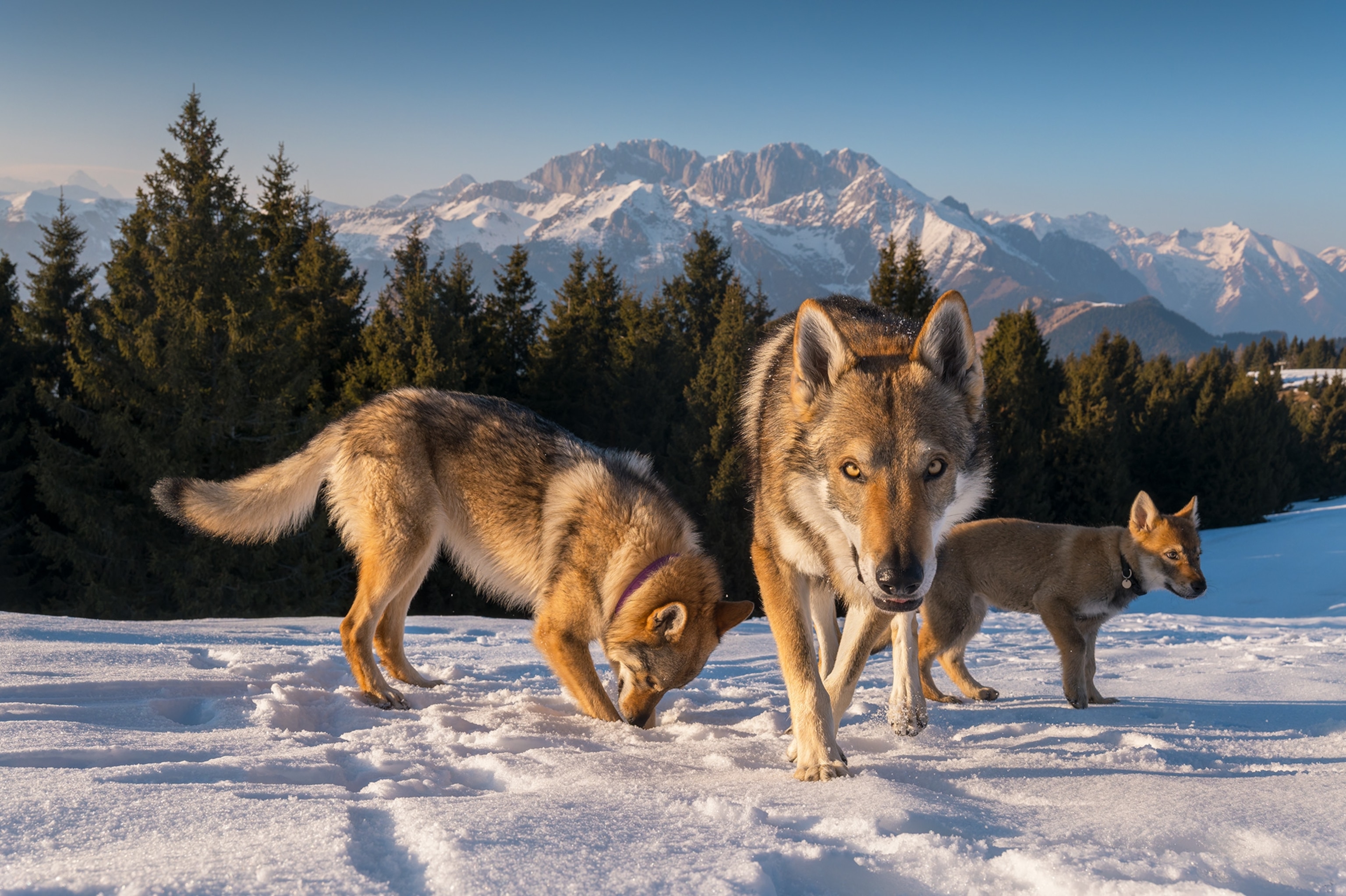
Credit: www.nationalgeographic.com
Selective Breeding By Humans
The journey from wolves to domestic dogs began with humans. Early humans noticed certain wolf traits and behaviors. They saw potential in these animals for companionship and work. Through selective breeding, they cultivated specific traits. This process gave rise to the first dog breeds.
Traits Selection
Humans chose wolves with particular traits. They preferred wolves that were friendly and less aggressive. Wolves with smaller size and gentler nature were ideal. These selected wolves were bred over generations. The goal was to enhance these desirable traits. This selective breeding shaped the characteristics of early dogs.
Purpose-driven Breeds
Early humans had different needs for dogs. Some needed dogs for hunting, others for guarding. Each purpose required specific traits. Hunting dogs needed speed and a keen sense of smell. Guard dogs required strength and loyalty. Humans bred wolves with these qualities. Over time, distinct breeds emerged, each suited to a specific role. This purposeful breeding led to the diverse dog breeds we know today.
Archaeological Evidence Of Ancient Breeds
Understanding how ancient dog breeds evolved from wolves is a fascinating journey through time, guided by archaeological evidence. This evidence helps us piece together the story of how wolves, once fierce and wild, became the loyal companions we know today. From fossil discoveries to historical records, each clue brings us closer to unraveling this incredible transformation.
Fossil Discoveries
Fossils are like nature’s time capsules, preserving secrets from the past. Over the years, archaeologists have unearthed fascinating canine fossils that bridge the gap between wolves and early dogs. These fossils reveal changes in size and skull shape, indicating the gradual domestication process.
Imagine stumbling upon a canine jawbone that is thousands of years old, showcasing a mix of wolf and dog traits. Such discoveries provide insight into how early humans might have influenced the evolution of these animals. What changes do you think were most crucial for a wolf to become man’s best friend?
Historical Records
Beyond fossils, historical records offer a glimpse into the lives of ancient breeds. Ancient texts and illustrations often depict dogs with distinct features, suggesting the early existence of specific breeds. These records highlight the diverse roles dogs played, from hunting companions to protectors.
In ancient Egypt, for instance, images of slender, fast dogs suggest the presence of early sighthounds. These historical snapshots give us clues about how humans selectively bred dogs for certain traits. Have you ever considered how these early choices shaped the variety of breeds we enjoy today?
Both fossil evidence and historical records are crucial in understanding the evolution of dog breeds. They provide a tangible link to the past, helping us appreciate the shared history between humans and dogs. As we uncover more, the story of how wolves transformed into dogs continues to captivate and inspire.
Genetic Studies On Ancestral Dogs
The transformation from wolves to the diverse array of dog breeds we see today is truly fascinating. While many factors contributed to this evolution, genetic studies have played a crucial role in understanding how ancestral dogs developed. By examining the DNA of ancient canines, scientists have unearthed significant insights into the lineage and characteristics of early dog breeds. These studies not only shed light on the past but also help us appreciate the traits we admire in modern dogs.
Dna Analysis
DNA analysis is like a time machine for understanding the origins of dog breeds. By examining the genetic material from ancient dog remains, researchers can trace the lineage back to wolves and identify key mutations that led to distinct dog characteristics. Imagine holding a piece of history in your hands—this is what scientists experience when they decode the DNA of ancestral dogs.
These analyses have revealed fascinating details, such as the genetic markers responsible for size, coat color, and behavior. The findings show that early domesticated dogs already exhibited diverse traits, which were further refined through selective breeding. You might be surprised to learn that many breeds share common ancestors, despite their vastly different appearances today.
Link To Modern Breeds
The connection between ancestral dogs and modern breeds is closer than you might think. Genetic studies have shown that many traits in today’s dogs can be traced back to their wolf ancestors. This means that the playful nature of a Labrador or the intelligence of a Border Collie are not just random occurrences—they are deeply rooted in their genetic history.
Consider your own dog’s unique traits. What characteristics do you admire the most? It’s likely that these traits have been passed down through generations, evolving from ancient wolves to the beloved companions we know today. This genetic link is a testament to the incredible journey of dogs throughout history.
As you look at your furry friend, ponder the long line of ancestors that contributed to their existence. How might this history influence your relationship with them? Understanding their genetic roots can enrich your appreciation for their unique qualities and deepen your bond.
Impact Of Culture On Breed Development
Early human societies influenced the evolution of dog breeds from wolves. Selective breeding focused on traits like strength or loyalty. This cultural interaction led to distinct breeds suited for specific tasks and environments, shaping the dogs we know today.
The development of dog breeds from wolves is a fascinating journey marked by the profound impact of culture. Throughout history, humans have shaped the evolution of dogs to meet various cultural needs and values. This cultural influence has molded dogs into the diverse breeds we know today, each with its unique characteristics and roles.Cultural Significance
Culture plays a pivotal role in determining which traits are desirable in dogs. Certain breeds were developed to fulfill specific roles within a society, such as hunting, herding, or guarding. In many cultures, dogs were symbols of status and wealth, leading to the creation of breeds that reflected these social standings. For instance, the Pharaoh Hound in ancient Egypt was not only a hunting companion but also a status symbol. Similarly, in Japan, the Akita was bred for its strength and loyalty, qualities that were highly valued in Japanese culture. How does your culture view dogs? Consider how these perceptions might shape the breeds you encounter today.Mythology And Symbolism
Dogs have been enshrined in mythology and symbolism across various cultures. This often led to the development of breeds with traits that aligned with cultural myths and legends. In Norse mythology, the fierce and loyal nature of dogs was celebrated, influencing the development of strong and sturdy breeds like the Norwegian Elkhound. Meanwhile, in Chinese folklore, the mythical Foo Dog, believed to protect against evil spirits, inspired the development of breeds like the Shih Tzu and Pekingese. These symbolic roles often dictated the physical and temperamental traits that were emphasized in breeding. Have you ever wondered if your dog’s traits have roots in ancient myths? This connection to mythology adds a layer of depth to our understanding of dog breeds. By understanding the cultural contexts that shaped these breeds, you gain a deeper appreciation for the diverse characteristics and roles of dogs in our lives. Each breed carries a rich history influenced by human culture and mythology, making them not just pets, but living links to our past.Challenges In Tracing Dog Ancestry
Tracing dog ancestry presents challenges due to complex evolution. Early dogs developed from wolves through natural selection and human intervention. Understanding their genetic journey involves piecing together historical and archeological clues.
Tracing the ancestry of dog breeds from wolves presents fascinating challenges. Scientists face hurdles in understanding the complex paths of evolution. The relationship between ancient wolves and modern dogs is intricate. Many factors contribute to this complexity, making the task daunting.Complex Lineages
Dog ancestry involves many diverse lineages. These lineages intertwine in unexpected ways. Ancient wolves evolved into various breeds over time. Each breed carries unique genetic markers. These markers reflect diverse evolutionary paths. Breeds developed in different regions, adapting to local environments. Climate, terrain, and human influence shaped these adaptations. Tracing these lines demands deep genetic analysis. Researchers use DNA to map breed histories. Yet, the intricate web of ancestry remains challenging to unravel.Hybridization Effects
Hybridization further complicates dog ancestry. Early dogs often bred with wolves. This interbreeding affected genetic makeup significantly. It introduced new traits and behaviors. Some breeds display traits from both wolves and dogs. These hybrid traits can obscure lineage clarity. Scientists study genetic data to understand hybridization impacts. Such data reveal how traits blended across generations. This process adds layers to the ancestral puzzle, making clear tracing difficult.
Credit: www.dogica.com
Frequently Asked Questions
How Did Dogs Evolve From Wolves?
Dogs evolved from wolves through domestication over thousands of years. Early humans selected wolves with desirable traits, such as tameness. Gradually, these wolves became more accustomed to human environments. This relationship led to the development of distinct dog breeds. Over time, selective breeding emphasized specific characteristics, resulting in the diverse breeds we know today.
What Role Did Humans Play In Dog Domestication?
Humans played a critical role in dog domestication. Early humans provided food and shelter to wolves. In return, wolves helped with hunting and protection. This mutual relationship led to the selection of wolves with friendly behaviors. Over generations, this selective process facilitated the transformation of wolves into domesticated dogs.
When Did The First Dog Breeds Emerge?
The first dog breeds emerged approximately 15,000 years ago. During this period, humans began to domesticate wolves actively. By selectively breeding for certain traits, they developed early dog breeds. These breeds were often based on specific functions like hunting, guarding, or herding.
This practice laid the foundation for the diverse breeds we see today.
How Did Different Dog Breeds Develop?
Different dog breeds developed through selective breeding by humans. Early humans bred dogs for specific tasks, like hunting or herding. This selective process emphasized certain physical and behavioral traits. Over time, breeding practices became more refined, leading to the wide variety of breeds we have today.
Each breed was tailored for unique roles.
Conclusion
Dog breeds evolved from wolves through domestication. This process took thousands of years. Early humans needed companions for hunting. Wolves with friendly traits were chosen. Over time, specific traits were bred. This led to various dog breeds. Each breed served different human needs.
Some guarded, others herded, and many hunted. This bond between humans and dogs grew strong. Today, dogs are more than helpers. They are beloved family members. Understanding their history deepens our connection. It shows the incredible journey from wild wolves to cherished pets.
A testament to nature and human collaboration.