What Dog Breeds Howl: Discover the Most Vocal Pups
Senior Canine Nutritionist & Dog Behavior Specialist at Cozy Dog Go Wellness Lab
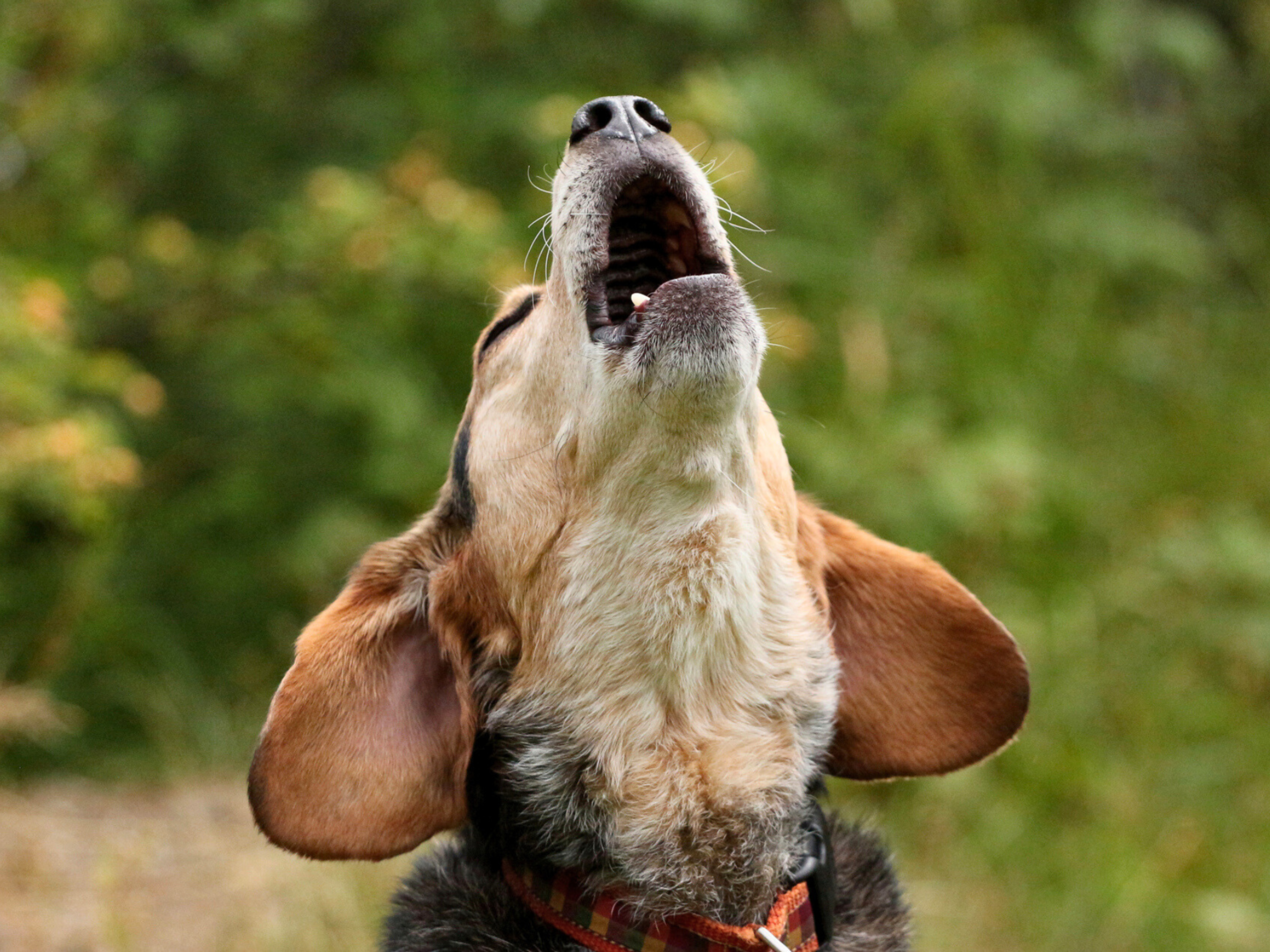
Have you ever wondered why some dogs howl while others remain silent? Picture this: you’re at home, enjoying a quiet evening, and suddenly, your furry friend starts howling, like a tiny wolf under the moonlight.
It’s fascinating, isn’t it? Understanding why certain dog breeds are more inclined to howl can deepen your bond with your pet and help you respond better to their needs. If you’ve ever been curious about whether your dog might be one of those natural vocalists, or if you’re considering bringing a howling breed into your home, this article is for you.
Dive in to discover which dog breeds are known for their howling tendencies and uncover the reasons behind this captivating behavior. Your journey to understanding your dog’s unique communication style starts here.
Credit: www.skipperspetproducts.com
Why Dogs Howl
Why do dogs howl? This question intrigues many pet lovers. Dogs howl for several reasons. Some howl to communicate. Others do it to express emotions. Their ancestors, wolves, howled too. Understanding why dogs howl helps in understanding them better.
Historical Role Of Howling
Howling played a crucial role in the wild. Wolves howled to gather the pack. It helped them locate each other. This behavior passed down to dogs. They inherited this instinct. Howling was a survival tool. It kept them connected over distances. Even today, some breeds howl to feel connected.
Communication Through Howling
Dogs use howling as a communication tool. They express loneliness or anxiety through it. It can also be a call for attention. Some howl to respond to sounds. Sirens or music can trigger it. Each howl carries a different message. Understanding these howls helps in bonding with them.
Characteristics Of Vocal Dog Breeds
Understanding the characteristics of vocal dog breeds is fascinating. Some dogs are more talkative than others. They express themselves with barks, whines, and howls. These vocalizations can be intriguing for dog owners. Knowing why certain breeds howl can help in training and coexistence. Let’s dive into the traits of these expressive breeds.
Traits Of Vocal Breeds
Vocal dog breeds have distinct traits. They tend to be more alert. These dogs are often responsive to sounds. Their instincts drive them to communicate loudly. Breeds like Huskies, Beagles, and Basset Hounds are known for this. Their vocal nature makes them excellent watchdogs. They alert their owners to any unusual activity. These breeds also have strong pack instincts. This means they enjoy social interactions. They howl to communicate with their human or animal companions.
Environmental Factors Influencing Howling
Several environmental factors influence a dog’s howling. Loud noises can trigger their vocal instincts. Sirens, alarms, or even other animals can cause a reaction. Isolation can also lead to increased howling. Dogs may howl if left alone for long periods. This is their way of expressing loneliness. Changes in routine or environment can cause stress. Stress may lead to more frequent howling. Owners should pay attention to these signs. Understanding the cause can help in managing their vocal tendencies.
Popular Howling Breeds
Some dog breeds have a natural tendency to howl. This behavior often stems from their ancestry and instincts. Understanding which breeds are known for howling helps in choosing the right pet. Let’s explore some popular howling breeds.
Siberian Huskies
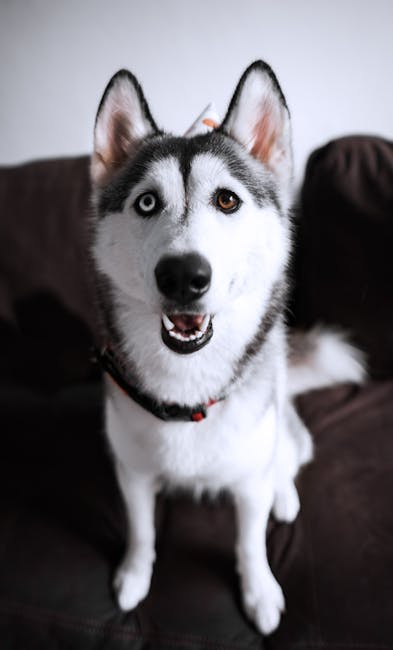
Siberian Huskies are famous for their howling. They have a strong pack mentality. This breed often communicates through howls. Their vocal nature makes them unique among dogs. Huskies are known for their wolf-like appearance. This adds to their howling charm.
Alaskan Malamutes
Alaskan Malamutes are another breed known for howling. They have a deep, wolf-like howl. Malamutes are large, powerful dogs. They were bred for sledding in cold climates. Their howling is part of their communication. It’s used to signal their presence to other dogs.
Beagles
Beagles have a distinctive howl. It’s often called a “bay.” This breed uses its howl to alert hunters. Beagles are small but energetic dogs. They have a keen sense of smell. This makes them excellent tracking dogs. Their howl is loud and carries over long distances.
Basset Hounds
Basset Hounds have a deep, resonant howl. It’s often surprising for their size. These dogs have long ears and droopy eyes. They were bred for hunting small game. Their howling helps them communicate with hunters. Basset Hounds are known for their persistence.
Credit: paradepets.com
Lesser-known Howling Breeds
When you think of howling dogs, breeds like the Siberian Husky or Alaskan Malamute might come to mind. However, several lesser-known breeds also have a penchant for howling that can surprise you. These breeds bring a unique charm to the symphony of canine calls, often seen in hunting or tracking contexts. Let’s dive into some of these intriguing breeds and discover what makes their howling so special.
Coonhounds
Coonhounds are renowned for their melodious and far-reaching howls. As natural hunters, their howling serves an essential purpose: signaling their location to their handlers during a hunt. This breed’s howl is not just loud but resonates with a musical quality that can be quite captivating.
Imagine walking through a forest on a crisp morning, only to be greeted by the harmonious echoes of a Coonhound’s call. It’s a sound that can give you chills, reminding you of the breed’s deep-rooted connection to nature.
Dachshunds
Despite their small size, Dachshunds have a surprisingly robust howl. Originally bred for hunting badgers, their vocal abilities are a testament to their courage and tenacity. Their howl often reflects their excitement and determination, especially when they spot something interesting.
If you’ve ever owned a Dachshund, you might have experienced their vocal enthusiasm firsthand. Their howling can be both endearing and amusing, a reminder of their big personalities packed into a small frame.
Bloodhounds
Bloodhounds are another breed with a distinctive howl that often accompanies their legendary tracking abilities. Their deep, soulful howls are used to communicate with their handlers during search missions, a skill honed over centuries.
Have you ever wondered how a dog could convey so much with just a sound? Bloodhounds manage to do just that, with howls that are as expressive as their droopy eyes and saggy skin.
As you think about these lesser-known howling breeds, consider what their unique calls bring to the table. Could their distinctive howls provide a sense of security or companionship? How do these sounds enrich the lives of those fortunate enough to experience them? These breeds, with their unique vocal talents, offer insights into the rich tapestry of canine communication.
Training And Managing Howling
Certain dog breeds are more prone to howling, such as Huskies, Beagles, and Bloodhounds. These breeds often howl due to their strong pack instincts or to communicate with their owners. Understanding these tendencies helps in training and managing howling behavior effectively.
Managing howling in dogs can be a challenge, especially if you have a breed known for its vocal nature. Whether your dog is a Husky, Beagle, or a Basset Hound, understanding how to train and manage their howling can bring peace to your household. Let’s dive into some effective techniques that can help you address this common canine behavior.Effective Training Techniques
Training your dog to manage howling begins with understanding why they howl. Are they bored, anxious, or trying to communicate something specific? Observing their triggers can provide valuable insights. Consistency is key. Use positive reinforcement to reward your dog when they remain quiet. Treats, toys, and affection can go a long way in encouraging desired behavior. Consider teaching the “quiet” command. Start by allowing your dog to bark or howl, then say “quiet” and offer a reward when they stop. Practice this regularly, and soon your dog will understand the cue.Addressing Excessive Howling
Excessive howling can be frustrating, but it’s important to address it with patience. First, ensure your dog’s basic needs are met, including exercise, mental stimulation, and social interaction. Sometimes dogs howl out of loneliness. If you’re away often, consider hiring a dog walker or using doggy daycare services to keep them engaged. For persistent howling, consult a professional dog trainer. They can offer personalized strategies tailored to your dog’s specific needs and behavior patterns. Have you considered whether your dog’s environment is contributing to their vocal tendencies? Sometimes simple changes, like providing a cozy space or reducing external noise, can make a significant difference. By using these techniques, you can create a harmonious environment for both you and your canine companion. Remember, patience and consistency are your best tools in managing howling.The Benefits Of Having A Vocal Dog
Certain dog breeds are known for their howling, such as Siberian Huskies, Alaskan Malamutes, and Beagles. These vocal dogs can communicate effectively and alert you to potential dangers. Their expressive nature often builds a strong bond with their owners, creating a dynamic and engaging environment.
Having a vocal dog can be a delightful addition to your life. While some might view a howling dog as noisy, many owners appreciate the unique benefits that come with a vocal companion. Vocal dogs can enrich your home environment, provide a sense of security, and even add a touch of humor to your daily routine.Protection And Alertness
A vocal dog can be an excellent deterrent against potential intruders. Their natural instinct to alert you with a howl or a bark can serve as an early warning system. You might feel more at ease knowing your furry friend is always on the lookout, ready to let you know if something is amiss. In my experience, my neighbor’s Husky, with its distinctive howl, has prevented several unwanted visitors. Imagine having your own personal security system that’s always active and doesn’t require batteries!Entertainment And Companionship
Dogs that howl often provide endless entertainment. Their expressive sounds can be amusing and heartwarming, offering a unique form of communication. A vocal dog can also engage in a delightful ‘conversation’ with you, responding to your voice or music. When I play my guitar, my Beagle joins in with a harmonious howl, creating a spontaneous duet. These moments not only entertain but strengthen our bond, turning ordinary evenings into memorable experiences. Having a vocal dog brings joy and security. Do you have a vocal furry friend? How have they changed your life?
Credit: www.embracepetinsurance.com
Frequently Asked Questions
Which Dog Breeds Are Known To Howl?
Many dog breeds are known for howling, including Siberian Huskies, Alaskan Malamutes, and Beagles. Howling is a natural form of communication for these breeds, often used to express emotions, signal distress, or alert their owners. Each breed may howl for different reasons, influenced by their unique characteristics and histories.
Why Do Huskies Howl Frequently?
Huskies often howl due to their strong pack instincts and communication habits. Originating from the Arctic, they use howling to communicate across vast distances. This behavior is deeply ingrained in their nature. Huskies may also howl out of boredom, loneliness, or as a response to certain sounds.
Are Beagles Prone To Howling?
Yes, Beagles are prone to howling because of their hunting background. As scent hounds, they use howling to alert their handlers during hunting. Beagles may also howl when they are excited, seeking attention, or reacting to environmental sounds. This behavior is part of their natural communication style.
Can Howling Indicate A Dog’s Discomfort?
Howling can indeed indicate a dog’s discomfort or distress. Dogs may howl when they feel lonely, anxious, or scared. It’s important to observe the dog’s environment and behavior to identify the cause. Addressing any potential discomfort can help reduce excessive howling.
Conclusion
Dog howling is a fascinating trait linked to their ancestors. Different breeds howl for various reasons like communication or excitement. Huskies, Beagles, and Bloodhounds are known for their vocal skills. Understanding your dog’s howling can strengthen your bond. It helps meet their needs and ensure happiness.
Pay attention to their cues. Respond with care and patience. Each howl tells a story unique to your furry friend. Embrace the sound as part of their nature. Happy dogs often make happy homes. Enjoy the delightful symphony of howls in your life.

Similar Posts