Do you ever find yourself puzzled when trying to measure your dog for a muzzle? You’re not alone.
Ensuring the perfect fit is crucial for your dog’s comfort and safety. A well-fitted muzzle can make all the difference in stressful situations, whether it’s a visit to the vet or a walk in the park. Imagine feeling confident knowing your furry friend is secure without compromising their comfort.
In this guide, we’ll reveal simple steps to measure your dog accurately, so you can choose a muzzle that fits just right. Don’t miss out on these essential tips that could transform your dog’s experience—and yours too. Keep reading to unlock the secrets of a perfect fit!
Credit: www.etsy.com
Choosing The Right Muzzle Type
Choosing the right muzzle type for your dog is essential. It ensures safety and comfort for both your pet and others. Different dogs require different muzzle types based on their needs and temperament. Understanding each type helps in making an informed decision.
Basket Muzzles
Basket muzzles are structured and spacious. They allow dogs to pant, drink, and receive treats. Made from materials like plastic or rubber, they are ideal for long-term use. These muzzles offer excellent ventilation, making them suitable for active dogs. Their design prevents biting while ensuring comfort.
Soft Muzzles
Soft muzzles are gentle and flexible. Typically made from fabric or mesh, they are easy to use for short durations. They wrap snugly around the dog’s snout, limiting movement. Soft muzzles are perfect for veterinary visits or grooming. They are not suitable for long walks or active sessions.
Leather Muzzles
Leather muzzles are durable and strong. They provide a secure fit while being comfortable. Leather is breathable, making these muzzles suitable for prolonged wear. They are ideal for dogs needing extra control. Their sturdy design is perfect for larger breeds or those with aggressive tendencies.

Credit: www.muzzletrainingandtips.com.au
Preparation Before Measuring
Ensure your dog is calm and relaxed before measuring. Gather a soft tape measure and have treats ready. Familiarize your dog with the tape to ease anxiety.
Before measuring your dog for a muzzle, proper preparation is key. A calm and stress-free environment ensures accurate measurement. Gather all necessary tools and create a soothing atmosphere for your dog. This preparation sets the foundation for successful measurement.Gathering Necessary Tools
Start with a flexible measuring tape. It allows easy maneuvering around your dog’s snout. Have a notebook handy to jot down measurements. A treat or two can also be helpful. They reward your dog for staying still. Lastly, find a quiet space. It minimizes distractions for both you and your dog.Calming Your Dog
Begin by giving your dog gentle pets. Speak softly to reassure them. Play soft music to create a peaceful setting. Avoid sudden movements that might startle them. Allow your dog to sniff the measuring tools. Familiarity reduces anxiety. Offer a treat as a distraction. It helps keep your dog calm during the process.Measuring Techniques
Measuring your dog’s snout for a muzzle is crucial. It ensures comfort and effectiveness. Proper fit prevents slipping or discomfort. Let’s explore key measuring techniques.
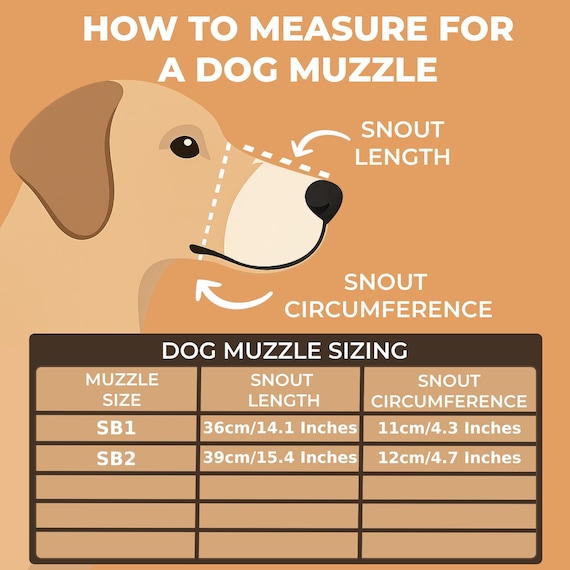
Snout Length Measurement
Start from the tip of the nose. Measure to the point where the snout meets the head. Use a soft tape measure. Keep the tape straight and firm. This ensures an accurate length.
Circumference Measurement
Wrap the tape measure around the snout. Position it just below the eyes. Ensure the mouth is closed. The tape should be snug but not tight. This measurement gives the muzzle size.
Depth Measurement
Measure the distance from the top of the snout. Go down to the bottom of the jaw. This helps to know the muzzle’s depth. Ensure your dog can pant and drink. Comfort and safety depend on correct depth.
Ensuring A Comfortable Fit
Ensuring a comfortable fit for a dog’s muzzle involves precise measurements. Measure the dog’s snout circumference and length. Choose a muzzle that allows easy breathing and panting.
Ensuring a comfortable fit for your dog’s muzzle is crucial to avoid discomfort and potential harm. A well-fitted muzzle should allow your dog to pant, drink, and feel secure without being overly tight. Comfort is not just about physical fit; it’s about your dog’s emotional ease as well. As a dog owner, I’ve learned that patience and observation are key in this process.Adjusting Straps
The straps of a muzzle play a significant role in ensuring a snug fit. Make sure the straps are not too tight; you should be able to slide two fingers underneath them. This ensures the muzzle is secure without constricting your dog’s movements. If your dog seems uneasy, adjust the straps incrementally rather than all at once.Testing Comfort And Security
Once the muzzle is on, observe your dog’s behavior. Does your dog seem comfortable? Is your dog able to pant and drink? These are signs of a good fit. Walk around with your dog to see if the muzzle stays in place during different activities. Have you ever wondered how your dog perceives the muzzle? Consider their perspective and make adjustments accordingly. It’s not just about keeping the muzzle on; it’s about ensuring your dog feels safe and secure while wearing it.Common Mistakes To Avoid
Choosing the right muzzle for your dog is crucial for ensuring their comfort and safety. However, many pet owners often make avoidable mistakes that can lead to discomfort or ineffective use. Understanding these common mistakes can save you time and stress, and ensure a happier experience for both you and your furry friend.
Incorrect Size Selection
One of the biggest errors is picking the wrong size. A muzzle that is too tight can hurt your dog, while one that’s too loose might slip off. It’s essential to measure your dog’s snout accurately. Use a soft measuring tape to measure the length and circumference of your dog’s snout. Compare these measurements with the sizing chart provided by the muzzle manufacturer.
Remember, even slight variations can make a big difference. If you’re unsure, consult with your vet or a professional trainer. They can offer guidance based on your dog’s specific needs.
Ignoring Breed Specifics
Every breed has unique features that can affect muzzle fit. Ignoring these specifics can lead to discomfort and ineffectiveness. For instance, flat-nosed breeds like Pugs or Bulldogs require specialized muzzles designed for their facial structure.
Research your dog’s breed and look for muzzles designed to accommodate their unique traits. Many brands offer breed-specific options that cater to the distinct shapes and sizes of various dogs. Have you considered how your dog’s breed might influence their muzzle needs?
By being aware of these mistakes, you can make an informed decision and ensure your dog’s muzzle fits perfectly, providing safety and comfort for both of you.

Credit: www.themuzzlemovement.com
Tips For Training With A Muzzle
Measuring for a dog muzzle ensures a comfortable fit. Use a soft tape measure around the snout, just below the eyes. Note the length and circumference for an accurate size.
Training a dog to wear a muzzle can be beneficial. It ensures safety in various situations. Proper training helps your dog feel comfortable. Here are some tips to make the process smooth and positive.Positive Reinforcement Techniques
Use treats to create positive associations. Reward your dog for approaching the muzzle. Praise them when they sniff or touch it. This builds a positive connection. Consistency is key in reinforcement. Use your dog’s favorite treats for best results.Gradual Acclimatization
Start with short sessions. Let your dog see and sniff the muzzle. Gradually increase the time they wear it. Start with just a few seconds. Increase to a minute, then longer. Always observe your dog’s comfort level. Adjust the pace if needed. Patience is important in this phase.Frequently Asked Questions
How Do I Choose The Right Muzzle Size?
To choose the right muzzle size, measure your dog’s snout length and circumference. Ensure the muzzle allows comfortable panting and drinking. Use a soft tape measure for accuracy. Always refer to the manufacturer’s sizing chart to find the perfect fit.
A well-fitted muzzle ensures safety and comfort for your dog.
What Tools Do I Need For Measuring?
You only need a soft tape measure to measure your dog’s snout. This flexible tool helps you get accurate measurements. It’s important to keep your dog calm during this process. If possible, have a second person assist you to keep your dog steady while measuring.
Why Is Accurate Measurement Important?
Accurate measurement ensures the muzzle fits comfortably and securely. A well-fitted muzzle prevents slipping and discomfort. It also ensures your dog can breathe, pant, and drink easily. Incorrect sizing can lead to stress and potential injury. Proper measurement is essential for your dog’s safety and well-being.
Can I Use A Muzzle For Training Purposes?
Yes, muzzles can be used for training, but they shouldn’t replace proper behavior training. They are helpful for managing specific situations. Always introduce the muzzle positively, ensuring your dog associates it with positive experiences. Use it alongside training to address behavioral issues safely and effectively.
Conclusion
Ensuring a comfortable muzzle fit is crucial for your dog’s safety. Measure carefully using a soft tape. Focus on the snout’s length and circumference. This helps prevent discomfort and ensures a secure fit. Practice patience while measuring, as your dog may fidget.
A well-fitted muzzle allows easy breathing and panting. Always reward your dog after fitting the muzzle. This creates positive associations. Remember, the right fit prevents accidents and stress. Regularly check the fit as your dog grows or changes weight. Proper measurement leads to a happier, safer experience for you and your pet.