How Do I Put My Dog Up for Adoption: Easy Steps
Senior Canine Nutritionist & Dog Behavior Specialist at Cozy Dog Go Wellness Lab
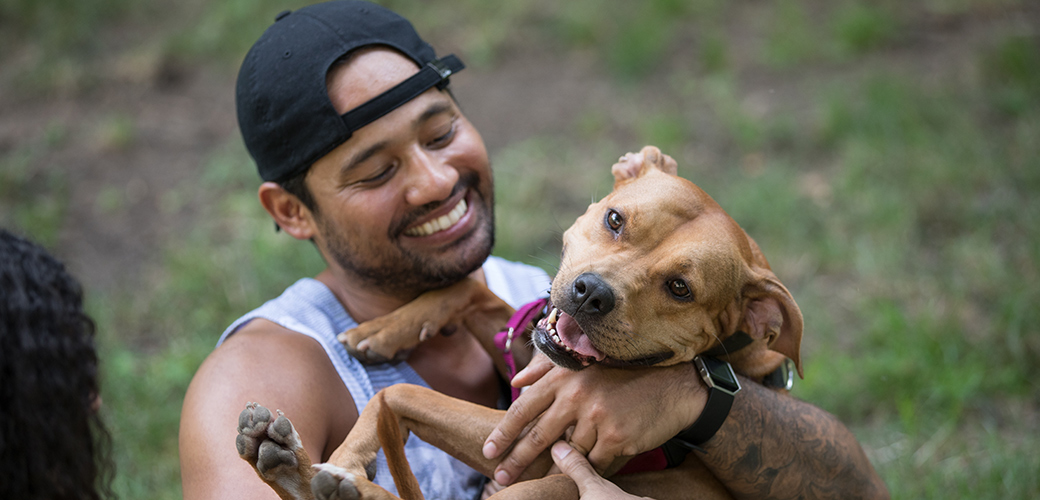
Putting your dog up for adoption is never easy, and it’s probably one of the toughest decisions you’ll ever face. You’re not alone in feeling this way.
Your heart is heavy with concern for your furry friend’s future, and you want to make sure they find a loving home. You may be overwhelmed by questions like where to start or how to ensure your dog is placed with the right family.
These are valid concerns, and the good news is that you’re in the right place for answers. You’ll find clear, compassionate guidance to help you navigate this emotional journey. By understanding the process, you can make informed choices that prioritize your dog’s well-being and peace of mind for yourself. Stay with us, and let’s take this step together.
Credit: www.facebook.com
Preparing For Adoption
Finding a new home for your dog can be emotional. First, gather all important information about your pet’s health and behavior. Then, reach out to local shelters or rescue groups to explore adoption options.
Preparing your dog for adoption is a significant step, filled with emotional and practical considerations. It’s essential to ensure that your beloved pet transitions smoothly to a new home. This process involves reflecting on your decision, gathering key information, and ensuring your dog’s health is up to date. By addressing these areas, you can feel confident in your choice and provide the best start for your dog’s new chapter.Assessing Your Decision
Before you proceed, take a moment to reflect on your reasons for putting your dog up for adoption. Are there alternative solutions that might allow you to keep your furry friend? Sometimes, life circumstances change unexpectedly. It’s vital to make sure you’re comfortable with your decision and that it’s in the best interest of your dog. Speak with friends or a pet counselor to gain perspective if you’re unsure.Gathering Important Information
Potential adopters will want to know as much as possible about your dog. Compile detailed information about your pet’s habits, favorite activities, and temperament. Create a short profile that highlights your dog’s unique personality. This can include details like how they interact with children or other animals, or any quirks they have. This information helps potential adopters see if your dog is a good fit for their home.Health And Vaccination Records
Having up-to-date health and vaccination records is crucial. Ensure your dog has had a recent check-up and is current on all vaccinations. If your dog has any medical conditions, note these down along with any treatments or medications they require. This transparency will help adopters make an informed decision and prepare properly for their new family member. Providing these records builds trust and shows you’ve taken responsible care of your pet.Finding The Right Adoption Platform
Finding the Right Adoption Platform Explore various adoption websites and community boards. Choose platforms with good reviews and clear guidelines. Ensure your dog’s profile is detailed to attract potential adopters.
Finding the right adoption platform is a crucial step in rehoming your dog. It ensures your pet finds a loving and suitable new home. You want a platform that connects with genuine adopters. Let’s explore some effective options.Online Adoption Sites
Online adoption sites are popular for rehoming pets. They reach a wide audience. Platforms like Petfinder and Adopt-a-Pet list dogs for free. They provide a detailed profile for your dog. Include photos and a description. Share your dog’s personality and needs. This helps potential adopters understand your pet better. Many sites have strict guidelines. This ensures serious inquiries only.Local Animal Shelters
Local animal shelters offer a personal touch. They often know the community well. Shelters usually screen potential adopters. This increases the chance of a good match. Visit or call your local shelter. Discuss your dog’s needs and temperament. Shelters might require a small fee or donation. This helps them continue their work. Consider volunteering or fostering during the process.Breed-specific Rescues
Breed-specific rescues focus on particular dog breeds. They understand the unique needs of each breed. This makes them a great option for purebred dogs. Research rescues dedicated to your dog’s breed. Contact them to discuss the adoption process. They often have waiting lists of interested adopters. This can speed up finding a new home. Rescues often provide support and advice during the transition.Creating A Compelling Adoption Profile
Crafting a compelling adoption profile makes your dog stand out. Highlight their unique traits and lovable quirks. Include clear, warm photos and honest details to attract potential adopters.
Creating a Compelling Adoption Profile Putting your dog up for adoption can be a tough decision, but crafting an enticing adoption profile can make all the difference. A well-thought-out profile can help potential adopters envision your dog as a part of their family. The key is to showcase your dog’s unique qualities while being honest and transparent. Let’s dive into how you can highlight your dog’s best features to attract the right home.Highlighting Personality Traits
Every dog has a unique personality. Is your dog playful, or does he prefer lounging around? Sharing these details can help potential adopters understand what to expect. Think about the quirky habits your dog has—maybe he loves chasing his tail or always snuggles up when watching TV. Highlight traits that stand out, such as being good with children, or having a calm demeanor. These specifics can help families see how your dog might fit into their lifestyle.Including Quality Photos
A picture is worth a thousand words, especially in adoption profiles. Include several clear, high-quality photos of your dog. Capture him playing, resting, and interacting with people. Use natural light to highlight his features and personality. A simple background can make your dog the focal point of the photo, helping potential adopters focus on him without distractions.Writing An Engaging Description
Your description should be more than just basic information. Share stories that illustrate your dog’s personality. Did he once save your socks from disappearing into the void? These anecdotes can make your dog memorable. Engage readers by asking questions. “Could Max be your next hiking buddy?” Encourage them to imagine a life with your dog. Keep the tone positive and friendly while being honest about any quirks or special needs your dog might have. Crafting an engaging profile requires thoughtfulness and creativity. Your efforts can lead to finding the perfect home for your beloved pet.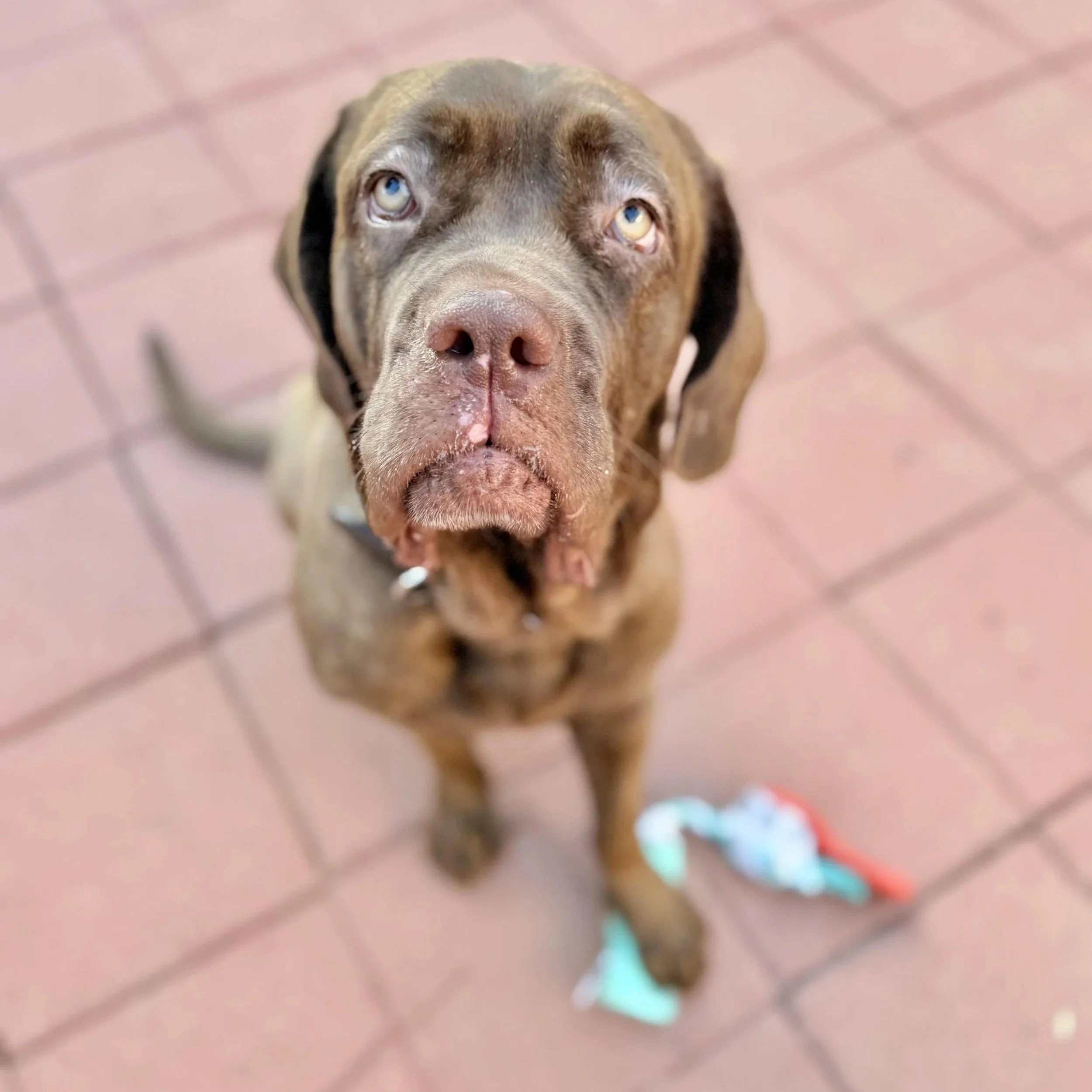
Credit: www.apurposefulrescue.org
Screening Potential Adopters
Screening potential adopters is vital when putting your dog up for adoption. Evaluate their lifestyle, home environment, and experience with pets. This ensures your dog finds a loving and suitable forever home.
Putting your dog up for adoption is a heartfelt decision. You want to ensure they find a loving home. Screening potential adopters is crucial in this process. It helps ensure your dog goes to a safe and caring environment.Interviewing Adopters
Interviewing is the first step in screening adopters. Ask about their experience with dogs. What is their daily routine? Do they have other pets? These questions help you understand if they can meet your dog’s needs. Listen carefully to their answers. Look for genuine interest and love for animals.Conducting Home Visits
Home visits provide insight into the adopter’s environment. Check if the home is suitable for a dog. Is there enough space? Are there any hazards? Look at how they keep their home. A clean and organized space often means a responsible owner. Observe how they interact with your dog during the visit.Checking References
References offer additional assurance. Ask for two or three references. These can be friends, family, or previous pet owners. Contact them to verify the adopter’s suitability. Inquire about their reliability and care for pets. Look for consistency in the feedback. This step helps confirm the adopter’s commitment.Transitioning Your Dog
Finding a new home for your dog requires careful planning. Begin by assessing potential adopters who can meet your dog’s needs. Reach out to local shelters or rescue groups for assistance in the adoption process. Ensure your dog’s records are up to date for a smooth transition.
Transitioning your dog to a new home is a sensitive process. It requires patience and understanding. This change can be overwhelming for your furry friend. Proper preparation helps ease their stress and ensures a smoother transition. By focusing on their emotional and physical needs, you can help them adapt better. Below are steps to guide you through this transition.Preparing For The Move
Start by gathering your dog’s favorite items. Toys, bedding, and treats provide comfort. Pack these essentials in a familiar box. This helps your dog recognize their belongings. Create a checklist of their daily routine. Share this with the new owner. It ensures consistency and eases your dog’s anxiety. Visit the vet for a health check-up. Obtain their medical records. This information is crucial for their new caretaker.Introducing Your Dog To New Surroundings
Visit the new home with your dog before the final move. Let them explore the area at their own pace. Familiar scents and spaces reduce anxiety. Arrange a meeting with the new family. Allow your dog to interact with them. Positive encounters build trust and comfort. Introduce them to the neighborhood. Walk them around to familiarize them with the area. This helps them adjust to their new environment.Providing Support During Adjustment
Monitor your dog’s behavior closely. Look for signs of stress or discomfort. Offer extra attention and affection. Support them through this emotional time. Maintain their usual feeding and walking schedule. Routine provides stability and comfort. Encourage the new family to do the same. Share tips on comforting your dog. Suggest calming activities like slow walks. Gentle playtime can help them feel at ease.
Credit: www.apurposefulrescue.org
Legal Considerations
Consider legal requirements before putting your dog up for adoption. Check local laws and regulations to ensure compliance. Gather all necessary documents, including medical records and proof of ownership.
Putting your dog up for adoption is a significant decision that involves more than just finding a new home for your furry friend. Legal considerations play a crucial role in ensuring that the transition is smooth and that all parties involved are protected. Understanding these aspects can help avoid future complications and ensure your dog’s well-being.Adoption Contracts
An adoption contract is essential when you decide to put your dog up for adoption. This document outlines the terms and conditions of the adoption, protecting both you and the new owner. It usually includes details such as the dog’s health history, any behavioral issues, and the responsibilities of the adopter. Consider including a clause that allows you to reclaim the dog if the adopter cannot care for it. This ensures your dog doesn’t end up in a shelter. Make sure both parties agree on all terms before signing to avoid misunderstandings.Transfer Of Ownership
Transferring ownership is a legal step that officially makes the adopter the dog’s new owner. This process involves updating the dog’s registration details, microchip information, and any necessary licenses. Neglecting this step can lead to legal issues if the dog gets lost or involved in an incident. You might wonder, how do you ensure a smooth transfer? Double-check that all documents are signed and that both parties have copies. This not only protects you but also ensures the new owner can provide proof of ownership when needed.Liability Waivers
Liability waivers are crucial in protecting you from future claims related to your dog. This document states that once the dog is adopted, you are no longer responsible for any incidents or injuries the dog may cause. While it might seem unnecessary, it’s a precaution that can prevent potential legal headaches. Think about it: would you want to be held accountable for something that happens after your dog is with its new family? Including a liability waiver in your adoption package gives you peace of mind and clarifies responsibilities for the adopter.Frequently Asked Questions
How Do I Start The Adoption Process For My Dog?
Begin by researching local animal shelters or rescue organizations. Contact them to understand their adoption procedures and requirements. Prepare your dog’s medical records and personal information. Take quality photos and write a heartfelt description. Share the adoption listing on social media and pet adoption websites to reach potential adopters.
What Documents Are Needed For Dog Adoption?
Prepare your dog’s medical records, including vaccination and spay/neuter certificates. Provide any behavioral assessments or training certifications. Have your identification and contact information ready. Some organizations may require proof of ownership or a written relinquishment form. Ensure all documents are up-to-date and organized for a smooth adoption process.
How Can I Find A Trustworthy Adopter?
Screen potential adopters by conducting interviews and home visits. Ask for references and check their background with pet ownership. Discuss their experience with dogs and assess their living environment. Trust your instincts and prioritize your dog’s welfare. Consider working with a reputable rescue or shelter to ensure a thorough vetting process.
Is There A Fee To Put A Dog Up For Adoption?
Many shelters charge a surrender fee to cover care costs. Fees vary based on the organization and dog’s needs. Some rescues may waive fees if you provide essential supplies or donations. Contact local shelters to understand their specific policies and fees.
Be prepared to contribute to your dog’s well-being during the transition.
Conclusion
Finding a new home for your dog is a big decision. It requires careful thought and planning. Ensure your pet’s transition is smooth and kind. Research adoption centers. Choose the right one. Share your dog’s personality and needs with potential adopters.
This helps in finding the best fit. Always prioritize your pet’s well-being. Stay patient during the process. It might take time, but it’s worth it. Your dog deserves a loving and caring new home. By following these steps, you can ensure a happy future for your furry friend.
Similar Posts