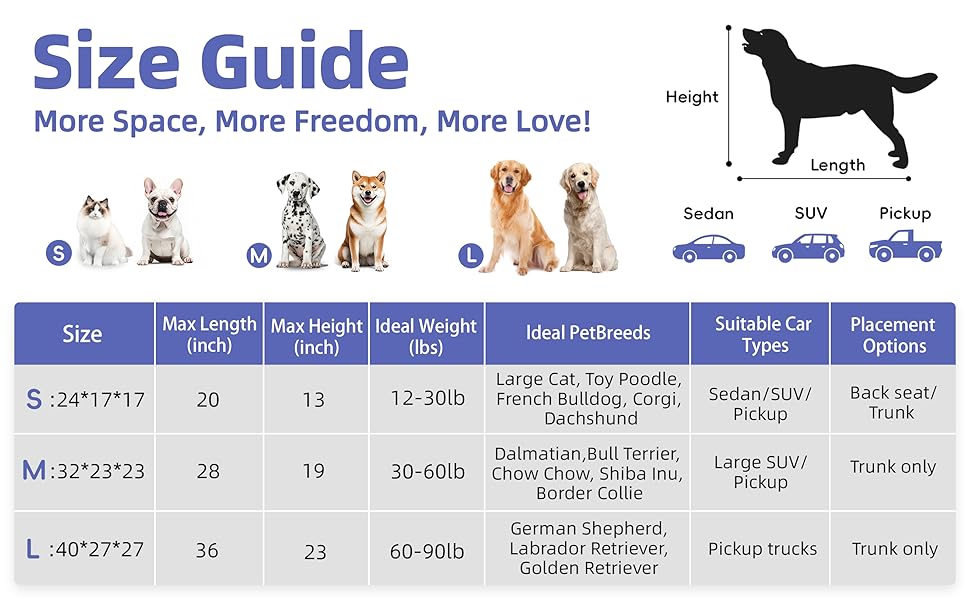
How Do You Measure a Dog Crate: Expert Tips Revealed
Senior Canine Nutritionist & Dog Behavior Specialist at Cozy Dog Go Wellness Lab
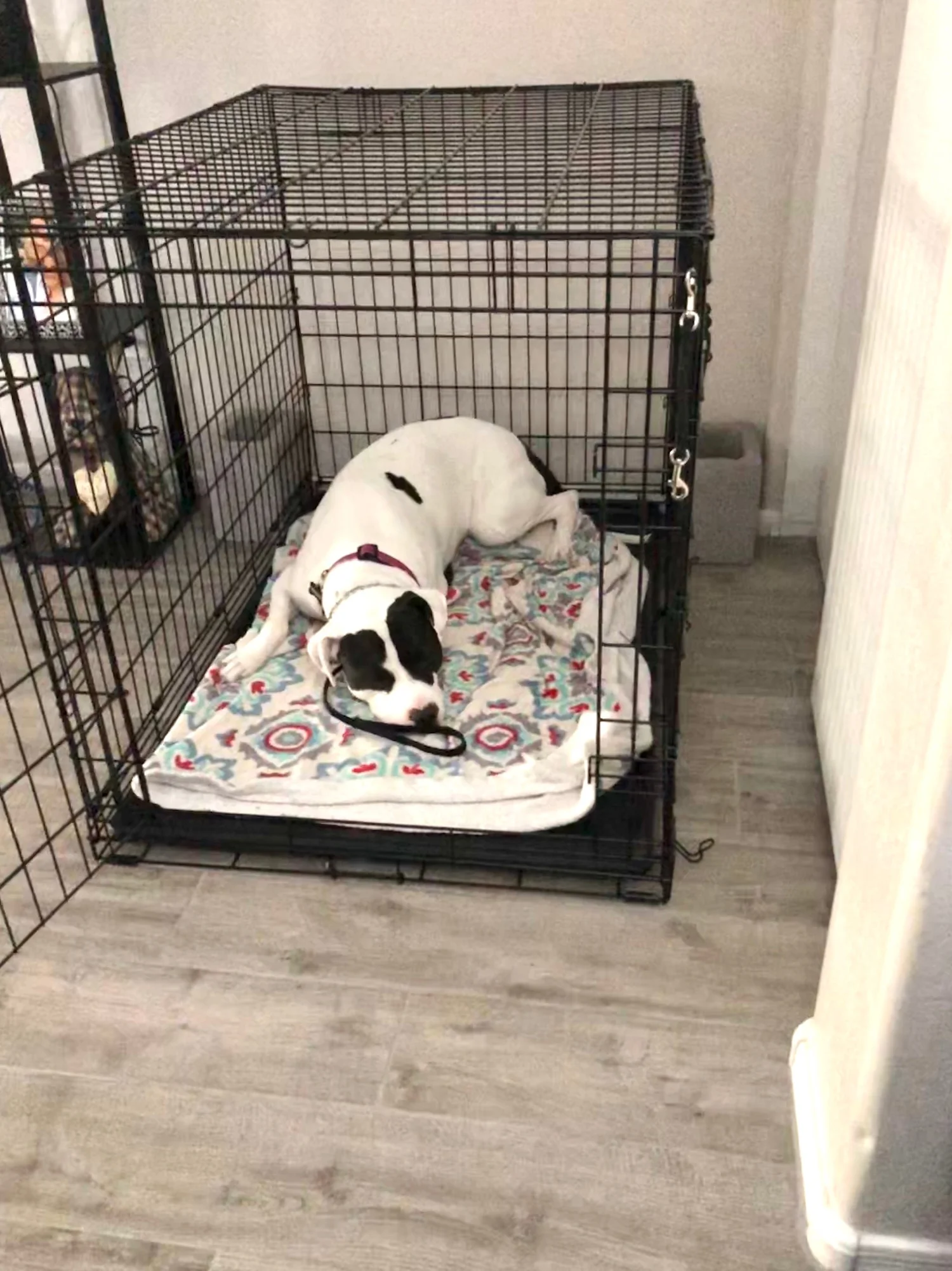
Struggling to find the perfect dog crate size for your furry friend? You’re not alone.
Many pet owners find themselves puzzled when it comes to ensuring their pets are comfortable and secure. If you’ve ever found yourself wondering how to measure a dog crate correctly, you’re in the right place. Imagine the peace of mind you’ll have when your pet is snug, safe, and happy in a crate that fits just right.
This guide will walk you through the simple steps to measure a dog crate, ensuring that you provide the ideal environment for your beloved companion. Stay with us, and by the end of this article, you’ll feel confident in making the best choice for your pet’s comfort and safety.
Choosing The Right Crate Size
Choosing the right crate size for your dog is essential. It ensures comfort and safety. A well-fitting crate provides a cozy space. It helps in reducing anxiety and stress for your pet. This section will guide you on how to measure a dog crate.
Factors To Consider
Several factors influence the right crate size. The dog’s breed and size play a crucial role. Some dogs grow quickly, while others remain small. Measure your dog’s height from paw to head. Also, measure the length from nose to tail. Consider if your dog likes stretching or curling up. Puppies need more room as they grow. Adult dogs might need less space. The crate should allow the dog to stand, turn, and lie down comfortably.
Importance Of Accurate Measurements
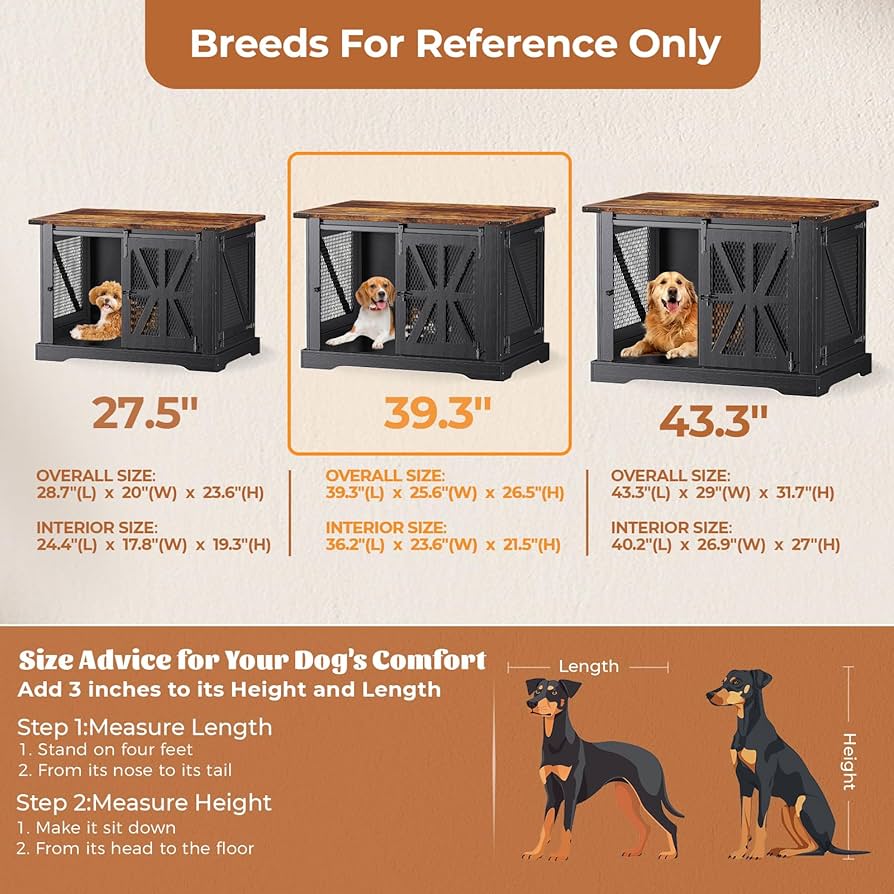
Accurate measurements are vital. They prevent health issues like joint pain or discomfort. An ill-fitting crate can cause stress. It may lead to behavior problems. Use a measuring tape for precise results. Ensure your dog is standing for correct measurements. Double-check to avoid buying the wrong size. Proper measurements ensure your dog feels secure and content.
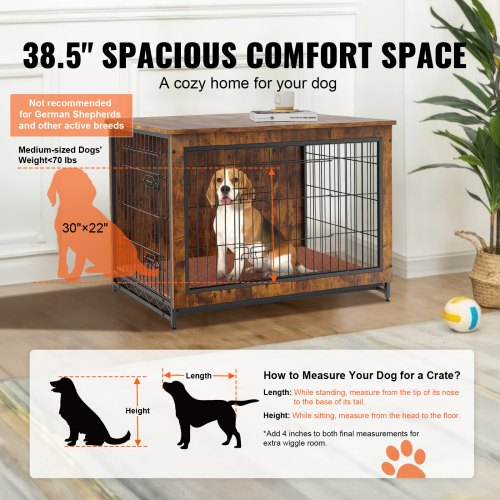
Credit: www.vevor.com
Measuring Your Dog
Measuring your dog accurately is crucial for finding the perfect crate that ensures comfort and safety. Whether you’re preparing for travel or looking for a cozy space at home, the right measurements can make all the difference. Let’s delve into the essentials of measuring your dog, ensuring you pick a crate that offers enough room to stretch, sit, and lie down comfortably.
Height Measurement
To measure your dog’s height, have your dog stand upright and use a tape measure from the floor to the top of their head or ears, whichever is higher. This measurement will help you determine if the crate is tall enough for your dog to stand and turn around comfortably. Always add a few inches to accommodate for any possible growth or to ensure your dog doesn’t feel cramped.
Length Measurement
Length measurement is about ensuring your dog can lie down and stretch without feeling confined. Measure from the tip of the nose to the base of the tail. This ensures the crate has ample room for your dog to rest and move. Remember, adding a few extra inches to this measurement can provide additional comfort, especially for longer journeys.
Width And Depth Considerations
Width and depth are crucial for your dog’s ability to turn around and lie down comfortably. Measure the widest part of your dog’s body, often the chest or hips, and ensure the crate offers extra space for movement. A too-narrow crate can cause discomfort, while one that’s too wide might not feel as secure. Balance is key.
Have you ever considered how a slightly larger crate might affect your dog’s comfort during travel? Think about the space they need to relax and rest. It’s more than just fitting them in; it’s about their overall well-being.
Using Measurement Tools
Choosing the right dog crate size can make a world of difference for your furry friend’s comfort and safety. But how do you ensure you’re buying the right size? Accurate measurements are key. Using measurement tools effectively will help you get the perfect fit without any guesswork. Let’s dive into the practical ways to measure a dog crate, focusing on tools that make the job easier.
Tape Measure Techniques
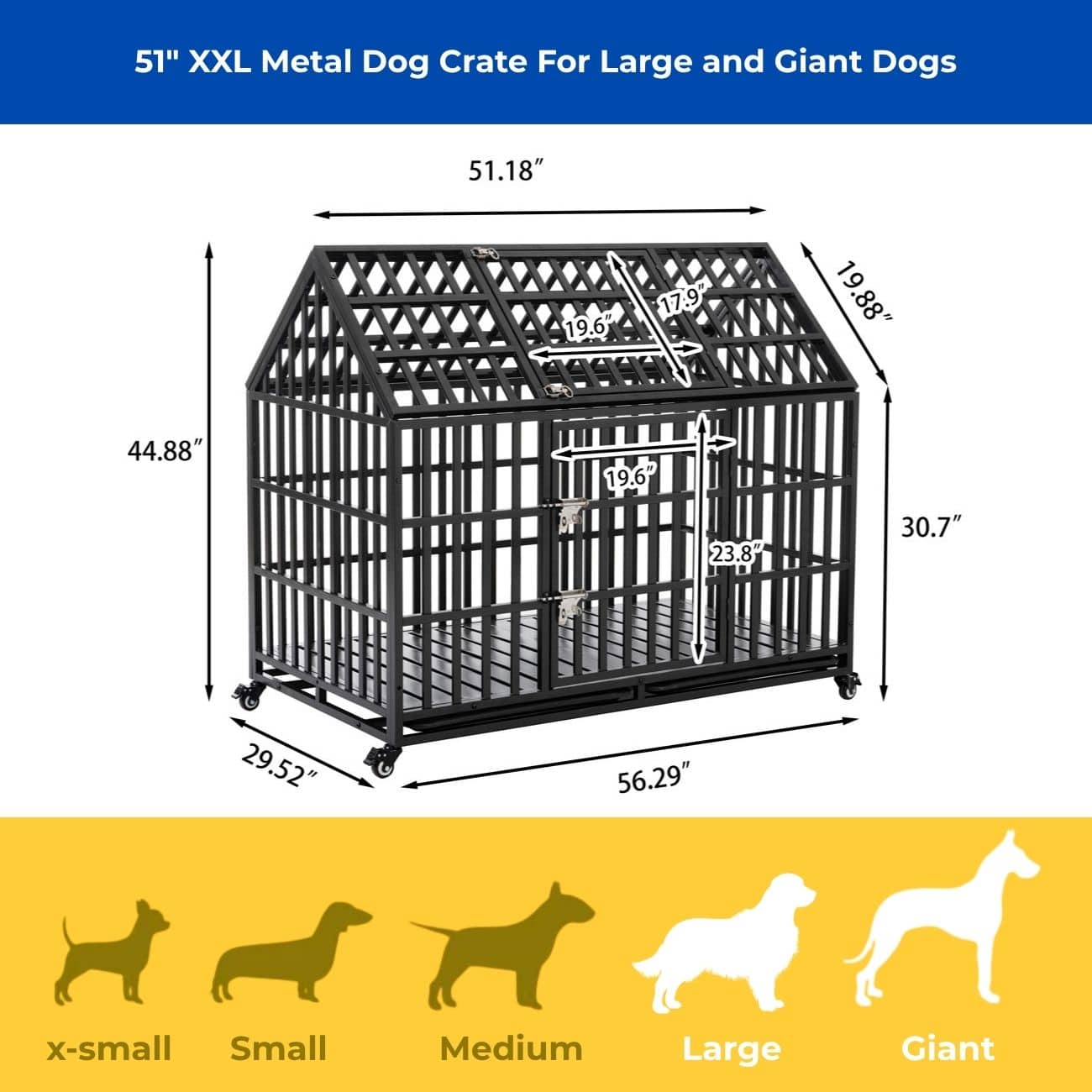
The tape measure is your trusty sidekick in the quest for precise measurements. Start by measuring the length of the crate from front to back. Ensure the tape is taut, and record the measurement.
Next, measure the width from side to side. This will help you understand if the crate can comfortably accommodate your dog’s girth.
Finally, check the height from the floor to the top of the crate. If your dog is a jumper or likes to stand, this is crucial for ensuring enough headroom.
Don’t forget to factor in any space taken up by a tray at the bottom, as this can affect the internal dimensions.
Alternative Measurement Methods
Not everyone has a tape measure handy, but that shouldn’t stop you. String or yarn can be a creative alternative. Wrap the string around the crate and then measure the string against a ruler for accurate dimensions.
If you’re tech-savvy, smartphone apps can also help. Many apps provide virtual tape measures or use augmented reality to gauge dimensions.
Using a piece of paper or cardboard can give you a visual check on the size. Cut it to the dimensions you need and see if it fits well within the crate space.
Have you tried any unconventional methods for measuring spaces at home? Share your experiences and insights in the comments below!
Adjusting For Growth
Choosing the right dog crate size is essential for your pet’s comfort. Dogs grow quickly, and their crate needs to accommodate this growth. Considerations for crate sizing differ between puppies and adult dogs. Let’s explore how to adjust for growth.
Puppy Crate Sizing
Puppies need space to move around. Measure your puppy’s height from the floor to the top of their head. Add a few inches for growth. Measure length from nose to tail. Add extra inches for their comfort. Puppies grow fast, so choose a crate with dividers. Dividers allow you to adjust the space as your puppy grows. Ensure the crate is not too big initially. Too much space can lead to accidents.
Adult Dog Adjustments
Adult dogs have different needs. Measure their height and length similarly. Ensure they can stand without hitting their head. They should be able to lie down and stretch comfortably. Adult dogs do not need dividers. Choose a crate that fits their current size. Consider their breed and potential growth. Some breeds continue to grow slightly past adulthood. Regularly check if the crate is still suitable. Adjust crate size when needed.
Common Mistakes
Measuring a dog crate might seem straightforward, but many dog owners often make common mistakes that can lead to discomfort for their furry friends. These errors typically arise from overestimating or underestimating the size and space needs of the crate. Understanding these pitfalls is essential to ensure your dog is both comfortable and secure in their new space.
Overestimating Size
One frequent mistake is overestimating the size of the crate. You might think, “Bigger is better,” but that’s not always the case. A crate that’s too large can make your dog feel insecure and encourage unwanted behaviors like using a corner as a bathroom.
Consider your dog’s current size and growth potential. Puppies, for instance, may outgrow a small crate quickly, but starting with a massive crate can overwhelm them. Adjustable crates can be a smart solution, allowing you to modify the size as your dog grows.
Underestimating Space Needs
Conversely, underestimating the space your dog needs can lead to discomfort and anxiety. A crate should be cozy but not cramped. Your dog should have enough room to stand, turn around, and lie down comfortably.
Think about how you’d feel in a cramped airplane seat for hours. Wouldn’t you want more space? Measure your dog from nose to tail and from floor to head, then add a few inches to ensure ample room.
Remember, a crate isn’t just a place for your dog to sleep—it’s their personal space. Ensuring the right size can make a world of difference in their comfort and happiness.

Credit: www.amazon.com
Expert Tips For Comfort
Ensuring your dog’s crate is comfortable is crucial for their well-being. This requires careful consideration of various elements that contribute to their comfort. Whether you’re choosing a crate for travel or home use, attention to detail can make a significant difference in your dog’s happiness. Let’s explore some expert tips to make your dog’s crate a cozy haven.
Padding And Bedding
Think about the surfaces your dog will rest on. A soft padding or bedding can transform a hard crate floor into a plush retreat. Consider memory foam pads or thick blankets that offer both comfort and support. It’s important to choose materials that are easy to clean, especially if your dog spends a lot of time in the crate. Have you ever noticed how a simple change in bedding can improve your dog’s relaxation?
Ventilation Considerations
Proper ventilation is key to maintaining a comfortable crate environment. Ensure the crate has enough openings to allow for air circulation, preventing overheating or stuffiness. During warmer months, position the crate near a fan or air vent to encourage airflow. Crates with mesh sides can provide excellent ventilation while still keeping your dog secure. How does your dog react when the crate is stuffy versus when it’s well-ventilated?

Credit: www.amazon.com
Frequently Asked Questions
How To Measure A Dog Crate Correctly?
To measure a dog crate, start by measuring the length from the tip of the nose to the base of the tail. Measure the height from the floor to the top of the head when sitting. Ensure the crate provides enough space for your dog to stand, turn, and lie down comfortably.
What Size Crate Does My Dog Need?
The crate size depends on your dog’s measurements. Add 2-4 inches to the length and height for comfort. Ensure the crate is spacious enough for your dog to stand, turn, and lie down. Measure your dog accurately to choose the appropriate crate size for their comfort and safety.
Why Is Measuring A Dog Crate Important?
Measuring a dog crate ensures your pet’s comfort and safety. A correctly sized crate prevents discomfort and stress. It allows your dog to move freely, stand, turn, and lie down. Proper measurements also prevent the crate from being too large, which can cause anxiety and insecurity.
Can I Use A Tape Measure For Dog Crates?
Yes, a tape measure is ideal for measuring dog crates. Use it to measure the crate’s length, width, and height. Ensure accuracy by double-checking measurements. This helps in selecting the right crate size for your dog’s comfort and security. Always measure your dog first for the best fit.
Conclusion
Choosing the right dog crate size is essential for comfort. Measure your dog accurately. Use height, length, and width as key dimensions. Avoid guessing. A well-fitted crate keeps your dog safe and happy. Remember, a cramped space causes stress. Too big can feel overwhelming.
Balance is key. Consider your dog’s growth. Puppies need more space later. Also, factor in mobility. Easy access matters. A crate should be a cozy retreat, not a cage. Your dog’s comfort is your priority. Make informed choices. Happy dog, happy home.

Similar Posts