Imagine coming home to a wagging tail, happy eyes, and an excited bark. Your dog is thrilled to see you, just as you are to see them.
But what happens when you have to leave them in a crate? How long can they stay there before it becomes uncomfortable or even harmful? You want the best for your furry friend, and understanding the right balance between safety and comfort is crucial.
This article is designed to guide you through the ins and outs of crate time, ensuring your dog remains happy and healthy. With insights into their needs, behaviors, and expert advice, you’ll feel confident knowing exactly how to make crate time a positive experience for both you and your beloved pet. Let’s dive in to discover the secrets to keeping your dog comfortable and content while you’re away.
Crate Training Basics
Crate training can be a valuable tool in teaching your dog essential boundaries and providing them with a safe space. Understanding the basics of crate training is crucial to ensuring the comfort and well-being of your furry friend. Whether you’re a seasoned pet owner or a new puppy parent, mastering these basics can make a significant difference in your dog’s behavior and your peace of mind.
Benefits Of Crate Training
Crate training offers numerous advantages for both you and your dog. It helps in potty training by encouraging dogs to hold their bladder, as they naturally avoid soiling their sleeping area. Additionally, it provides a secure environment, making dogs feel safe during stressful situations like thunderstorms or fireworks.
Imagine coming home to a house free from chewed furniture or torn curtains. A crate can prevent such mishaps by offering your dog a controlled space when you’re away. Moreover, it aids in travel safety, ensuring your dog remains calm and secure during car rides or flights.
Choosing The Right Crate
Selecting the right crate is pivotal for effective training. Consider the size: your dog should be able to stand, turn around, and lie down comfortably. A crate too small can cause discomfort, while one too large might lead to confusion about its purpose.
Think about the material. Wire crates offer ventilation and visibility, while plastic ones provide more privacy and insulation. If your dog is an escape artist, opt for a sturdy design with secure latches.
Have you ever noticed how your dog responds to a cozy environment? Adding soft bedding or a favorite toy can make the crate inviting. This transforms it from a mere cage to a haven that your dog loves to retreat to.

Credit: pupford.com
Factors Influencing Crate Duration
Dog age, breed, and size influence crate duration. Puppies need frequent breaks, while adults may tolerate longer periods. Consider daily activity level and individual temperament for optimal crate time.
When considering how long a dog can stay in a crate, it’s essential to understand the various factors that influence crate duration. Every dog is unique, and the ideal time spent in a crate can vary greatly depending on several key aspects. By paying attention to these factors, you can ensure your dog remains comfortable and stress-free.Age And Size Considerations
Puppies generally need more frequent breaks than adult dogs. Their developing bodies can’t hold their needs for long periods, requiring more playtime and bathroom breaks. Adult dogs can often stay in a crate for longer, but size matters. Larger dogs may need more space to feel comfortable, while smaller breeds might feel cozy in a more compact crate. Think about your dog’s age and size. Would you enjoy being cramped in a tight space for hours? Ensure your dog has enough room to stand up, turn around, and stretch out comfortably.Breed-specific Needs
Certain breeds have unique characteristics that influence crate duration. High-energy breeds like Border Collies or Siberian Huskies might feel anxious if confined too long. They thrive with regular exercise and mental stimulation. On the other hand, more relaxed breeds like Bulldogs or Basset Hounds may enjoy longer snoozes, making them more adaptable to crate time. Consider your dog’s breed and energy levels. Are they the kind to nap for hours, or do they bounce around the house with boundless energy? Tailor their crate time to suit their needs and make sure they get plenty of time to burn off energy outside the crate.Recommended Time Limits
Understanding the recommended time limits for leaving your dog in a crate is essential for their well-being. Crates can be beneficial for training and safety, but overuse can lead to stress or behavioral issues. How can you ensure your furry friend is comfortable? Let’s dive into some guidelines.
Puppy Time Guidelines
Puppies have boundless energy and curiosity, but their small bladders limit the time they can spend in a crate. Generally, the rule of thumb is one hour per month of age. So, if your pup is four months old, they should not be in the crate for more than four hours at a stretch.
It’s crucial to give your puppy ample playtime and potty breaks. Consider how you feel when confined to a small space for too long. Puppies can feel similarly restless and anxious. Frequent breaks ensure they grow into well-adjusted adult dogs.
Adult Dog Recommendations
Adult dogs can handle longer periods in a crate, but it’s important to balance it with exercise and social interaction. Typically, adult dogs shouldn’t be crated for more than eight hours. However, every dog is unique, and factors like breed, health, and personality can affect this.
Consider your dog’s routine and lifestyle. If your dog is very active, they might need more frequent breaks. Have you ever noticed how they behave after a long day? Some dogs need to stretch and play more often, while others enjoy downtime.
Ultimately, the goal is to ensure your dog feels safe and comfortable, not isolated. How can you adjust your schedule to meet your dog’s needs? Small changes can make a big difference in their happiness and health.

Credit: www.facebook.com
Signs Of Crate Stress
Excessive whining or barking can indicate crate stress in dogs. Scratching or chewing on the crate is another sign. Pacing and restlessness often show discomfort with prolonged crate time.
Crate training can be a useful tool for dog owners, but it’s crucial to ensure your furry friend is comfortable and stress-free in their crate. Recognizing the signs of crate stress can help you adjust your approach and make the experience positive for your dog. Stress can manifest in both behavioral and physical ways, and being aware of these signs can make all the difference in your dog’s wellbeing.Behavioral Changes
One of the first indicators of crate stress is a change in your dog’s behavior. If your usually calm dog starts barking, whining, or howling excessively when crated, it might be a sign of distress. Dogs may also become overly aggressive or fearful, displaying behaviors such as growling or cowering when they know it’s time to enter the crate. Have you noticed your dog scratching or biting at the crate bars? This could be another sign of anxiety or discomfort.Physical Symptoms
Physical symptoms can be less obvious but are equally important to watch for. Excessive panting or drooling can indicate that your dog is feeling stressed while in the crate. Some dogs may exhibit gastrointestinal issues, such as vomiting or diarrhea, which can be linked to stress. If your dog is shedding more than usual when crated, this could also be a physical response to stress. Understanding and identifying these signs can help you adjust the time your dog spends in the crate or seek alternative solutions. How can you ensure your dog feels safe and content in their space? Consider adjusting the crate environment or seeking professional guidance if stress signs persist.Alternatives To Crating
Exploring alternatives to crating can help keep your dog comfortable and happy. Consider playpens or baby gates for creating safe spaces. These options allow dogs more freedom while ensuring their safety and comfort.
While crates can be a useful tool for managing your dog’s environment, they’re not the only option. Many dog owners are exploring alternatives that offer more freedom and comfort for their furry friends. These alternatives can transform how you manage your dog’s space, promoting a healthier lifestyle.Playpen Options
A playpen can be a fantastic alternative to a crate. It offers a larger space for your dog to move around, play, and relax. Playpens come in various sizes, making it easy to find one that fits your space and your dog’s size. Consider choosing a playpen with sturdy materials, especially if your dog is a determined escape artist. Look for features like foldable panels for easy storage and setup. Playpens allow you to place toys and bedding inside, creating a mini haven for your dog. Have you ever noticed how much happier your dog is when they have room to roam?Dog-proofing Your Home
Dog-proofing your home can be an excellent way to give your dog the freedom they crave while ensuring their safety. Start by identifying areas in your home where your dog might get into trouble. Secure loose cables, cover trash cans, and remove any hazardous items. You can use baby gates to block off certain rooms, giving your dog access to safe areas. With a dog-proof home, you can offer a larger space for your dog to explore without the restrictions of a crate. Have you ever tried letting your dog have the run of the house during the day? It might surprise you how responsibly they behave when they’re given trust and freedom.Tips For Safe Crating
Proper crate time for dogs depends on age and temperament. Puppies may need breaks every few hours. Adult dogs can typically stay in a crate for up to eight hours, but frequent exercise and attention are essential.
Ensuring your dog’s safety and comfort while crated is essential for their well-being. Crating, when done correctly, can provide a safe haven for your dog, offering them a space to relax and unwind. Here are some effective tips to make crating a safe and pleasant experience for your furry friend.Crate Comfort Enhancements
Enhancing the comfort of your dog’s crate can make a significant difference. Consider adding a soft, washable bed or blanket to provide a cozy resting place. Including your dog’s favorite toy or chew can keep them entertained and calm. During colder months, a warm blanket can add extra coziness. Remember, the crate should feel like a welcoming retreat, not a punishment or confinement.Maintaining Routine And Balance
Establishing a consistent crating routine helps your dog feel secure. Try to crate your dog at the same times daily, aligning it with their natural schedule. Balance is crucial. While crating is useful, excessive time inside can lead to stress. Ensure your dog has plenty of outside time for exercise and play. Think about how you would feel if confined too long; your dog has similar needs for freedom and activity. Are you providing enough balance?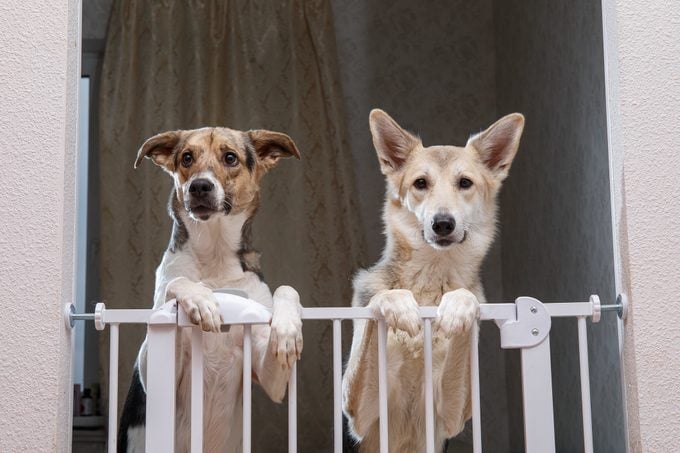
Credit: www.rd.com
Frequently Asked Questions
How Long Can Puppies Stay In A Crate?
Puppies should not be crated for more than 3-4 hours. Their small bladders require frequent bathroom breaks. Gradually increase crate time as they grow. Always ensure they have access to water and toys for comfort.
Is Crating Safe For Adult Dogs Overnight?
Crating adult dogs overnight is generally safe. Most dogs can comfortably stay in a crate for 8 hours. Ensure the crate is spacious, with soft bedding. Offer bathroom breaks before bedtime to prevent accidents.
What Factors Affect Crate Duration For Dogs?
Factors include age, health, and temperament. Younger or active dogs may need more frequent breaks. Health issues may require shorter crate times. Always monitor your dog’s comfort and adjust accordingly.
Can Dogs Be Crated During Work Hours?
Dogs can be crated during work hours if breaks are provided. Ideally, limit crate time to 8 hours. Consider hiring a dog walker or using doggy daycare for longer periods. Ensure comfort with bedding and toys.
Conclusion
Crate time for dogs should be balanced. Dogs need freedom and comfort. Crates are helpful for training and safety. But too much time isn’t good. Watch your dog’s behavior and health closely. Adjust crate time as needed. Ensure your dog feels secure and happy.
Provide plenty of exercise and attention outside the crate. This keeps your dog healthy and content. Always prioritize your dog’s well-being. A happy dog means a happy home.