Are you wondering how long your furry friend should stay in a crate? You’re not alone.
Many dog owners face this dilemma, seeking the perfect balance between comfort and discipline. Crate training can be a game-changer, but only if done right. Imagine a world where your dog feels safe and secure, while you enjoy peace of mind knowing they’re not causing chaos at home.
This guide is crafted with you in mind, aiming to unveil the secrets behind the ideal crate time for your canine companion. By the end of this article, you will not only have answers but also the confidence to make informed decisions that enhance your dog’s well-being and your daily life. Dive in, because understanding this could transform your relationship with your pet forever.
Credit: www.somerzby.com.au
Benefits Of Crate Training
Crate training offers dogs a safe space and helps with house training. Dogs should be crated for short periods, gradually increasing time as they adjust.
Crate training offers numerous benefits for both dogs and their owners. This practice creates a safe environment for your furry friend. It can also aid in housebreaking and simplify travel arrangements. Understanding these benefits can improve your dog’s well-being.Safety And Security
A crate provides a secure space for your dog. It becomes their personal sanctuary. This helps in reducing anxiety and stress. Dogs have a natural instinct to seek small, enclosed spaces. A crate satisfies this instinct, offering comfort.Housebreaking Aid
Crate training is effective for housebreaking. Dogs avoid soiling their sleeping area. This helps them learn bladder control. Consistent crate training accelerates the housebreaking process. It makes the transition smoother for both you and your pet.Travel Convenience
Traveling with a dog can be challenging. A crate simplifies this process. It keeps your dog safe during transport. Crates also provide a familiar environment. This eases the stress of new places and reduces travel anxiety.Determining Appropriate Crate Time
Consider the dog’s age and energy level for crate time. Puppies may need shorter periods, while adults can handle longer durations. Always ensure your pet’s comfort and well-being during crate use.
Determining appropriate crate time for your dog can be a nuanced task, one that requires consideration of various factors. Crating can be beneficial, offering a safe haven for your dog and a tool for house training. Yet, it’s crucial to strike a balance, ensuring your dog isn’t confined for too long. Every dog is unique, and their crate time should reflect their individual needs.Puppies Vs. Adult Dogs
When managing crate time, age plays a significant role. Puppies, with their developing bodies and minds, need frequent breaks and should never be left in a crate for more than a few hours. They require regular opportunities to stretch, play, and relieve themselves. Adult dogs, on the other hand, can handle longer periods, but it’s wise to limit this to four to six hours at a time. Have you noticed how your puppy needs more attention and care compared to your adult dog? This difference is crucial in determining crate duration.Breed Considerations
Breed characteristics also influence appropriate crate time. Energetic breeds like Border Collies or Labradors may struggle with prolonged confinement and require more frequent breaks. In contrast, more laid-back breeds such as Bulldogs might be comfortable in a crate for longer periods. Understanding your dog’s breed can offer insights into their energy levels and crate tolerance. Does your dog’s breed align with their behavior in the crate?Individual Temperaments
Beyond age and breed, your dog’s temperament is a key factor. Some dogs are naturally anxious and may find crate time stressful. Others might see their crate as a cozy retreat. Observing your dog’s behavior can guide you in setting the right crate duration. Perhaps your dog shows signs of stress after a couple of hours in the crate. Addressing these signs ensures their comfort and well-being. What does your dog’s behavior tell you about their crate preferences? Balancing these factors will help you create a healthy routine for your dog, ensuring they feel secure and content in their crate.Signs Of Excessive Crating
Signs of excessive crating include restlessness, excessive barking, and attempts to escape. Dogs may show anxiety and destructive behavior.
Signs of excessive crating can affect your dog’s well-being. Recognizing these signs early helps ensure a happy, healthy pet. Dogs need freedom to move and interact. Excessive crating can lead to various problems. Below are key signs to watch for in your dog.Behavioral Changes
Dogs may show unusual behaviors if crated too long. Aggression or excessive barking are common signs. A dog might become withdrawn or overly excited. Changes in sleep patterns can occur. Your dog may resist going into the crate.Physical Symptoms
Physical signs can indicate excessive crating. Weight loss or gain is a major symptom. Dogs might develop sores from lying in one position. Limping or stiffness can be present. Poor coat condition may signal issues. Look for excessive scratching or licking.Anxiety Indicators
Anxiety can develop from prolonged crating. Pacing or panting might be observed. Your dog may whine or cry frequently. Excessive drooling is another sign. Dogs can show fear when being crated. Watch for signs of distress or unease.
Credit: carlsonpetproducts.com
Establishing A Crate Routine
A balanced crate routine helps ensure your dog’s comfort and security. Puppies should stay in the crate for short periods, gradually increasing as they grow. Adult dogs can be crated for four to six hours, but it’s essential to provide breaks and exercise.
Establishing a crate routine for your dog ensures comfort and safety. A consistent schedule helps them feel secure. It also makes crate time more predictable and less stressful. Let’s explore how to create an effective crate routine.Scheduled Breaks
Dogs need regular breaks from their crates. Schedule breaks to allow your dog to stretch and relieve themselves. Puppies need more frequent breaks. Adult dogs can handle longer intervals. Monitor your dog’s behavior. Adjust break times as needed.Exercise And Playtime
Exercise is crucial for your dog’s health and happiness. Plan playtime sessions before crate time. This helps burn off excess energy. A tired dog is a content dog. Interactive games and walks are great options. Ensure they get enough physical and mental stimulation.Gradual Adjustment
Introduce the crate gradually to avoid stress. Start with short crate sessions. Increase the time slowly as your dog becomes comfortable. Use positive reinforcement. Treats and praise encourage them to enter the crate willingly. Patience is key during this adjustment phase.Crate Alternatives
Not every dog enjoys being in a crate. Some pet owners prefer alternatives that provide their dogs more space and comfort. Crate alternatives can ensure your dog feels secure and happy without confinement. Here are some options to consider:
Dog Playpens
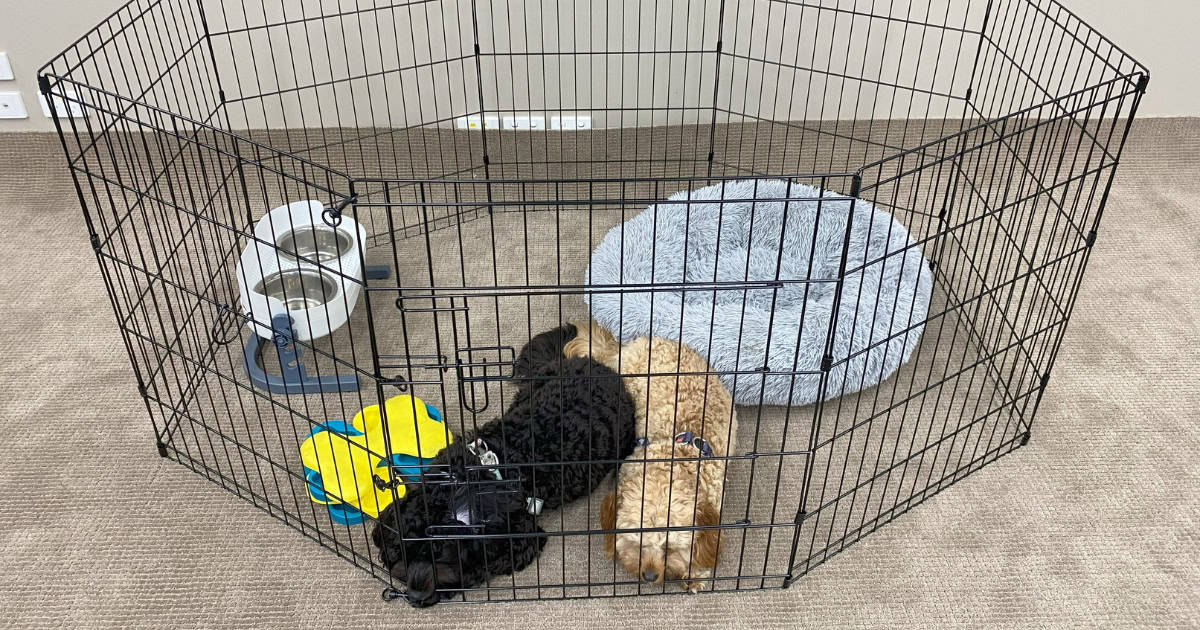
Dog playpens offer a spacious area for your pet. They allow freedom of movement while ensuring safety. Playpens can be set up indoors or outdoors. They come in various sizes to accommodate different dog breeds. These are ideal for puppies or small dogs needing more room. They help prevent accidents by keeping dogs away from off-limits areas.
Room Confinement
Room confinement uses a specific room in your home. It can be a laundry room or a bathroom. Choose a room that is safe and free from hazards. Make sure the room has a comfortable bed and toys. This setup gives your dog more space than a crate. It also keeps them from feeling isolated.
Dog Daycare
Dog daycare provides a supervised environment for your pet. It allows dogs to socialize and play with other dogs. Daycares have trained staff to ensure your dog’s safety. They offer structured activities to keep dogs engaged. Daycare can be a great option for busy pet owners. It helps reduce separation anxiety and keeps your dog active.
Expert Tips For Successful Crating
Crating can be a valuable tool for dog owners. It provides a safe space for your pet. To ensure successful crating, it’s important to follow expert tips. These tips focus on creating a positive experience for your dog.
Positive Reinforcement
Use treats and praise to encourage your dog. Reward them for entering and staying in the crate. This builds a positive association with the crate. Keep the experience cheerful and rewarding.
Comfortable Environment
Make the crate cozy with soft bedding. Ensure there’s enough space for your dog to move. A favorite toy can provide comfort and entertainment. The crate should feel like a safe haven.
Regular Monitoring
Check on your dog frequently. Ensure they are comfortable and relaxed. Adjust the time spent in the crate based on their needs. Monitor their behavior for signs of stress or discomfort.

Credit: carlsonpetproducts.com
Frequently Asked Questions
How Long Can A Dog Stay In A Crate?
Most dogs can stay in a crate for 4 to 6 hours. Puppies need frequent breaks, about every 2 to 3 hours. Adult dogs shouldn’t be crated for more than 8 hours. Ensure they have water and comfort. Regular breaks for exercise and bathroom are essential for their well-being.
Is It Okay To Crate A Dog Overnight?
Yes, it’s okay to crate a dog overnight. Ensure the crate is comfortable and appropriately sized. Dogs should have enough room to stand, turn, and lie down. Make the crate a positive space with a cozy bed. Always take them out for a bathroom break before bedtime.
Can Crating Harm My Dog’s Health?
Improper crating can lead to health issues like anxiety and muscle stiffness. Ensure your dog gets enough exercise and time outside the crate. Use the crate as a safe space, not a punishment. Monitor your dog’s behavior to ensure they’re comfortable and happy.
How Do I Make A Crate Comfortable?
Add a soft bed or blanket inside the crate. Ensure the crate is the right size for your dog. Place a favorite toy or chew inside for comfort. Keep the crate in a quiet, familiar part of your home. Regularly clean and maintain the crate for hygiene.
Conclusion
Crate training takes patience and understanding. It’s crucial for your dog’s well-being. Short crate times help maintain a happy pup. Always observe your dog’s reactions. Adjust crate time based on their comfort and age. Puppies need more frequent breaks. Adult dogs can stay longer, but not too long.
Each dog is unique. Their needs vary. Listen to them. Provide toys and comfort in the crate. This creates a positive experience. A balanced approach leads to a happier, healthier dog. Your bond strengthens. They feel secure and loved. That’s what matters most.