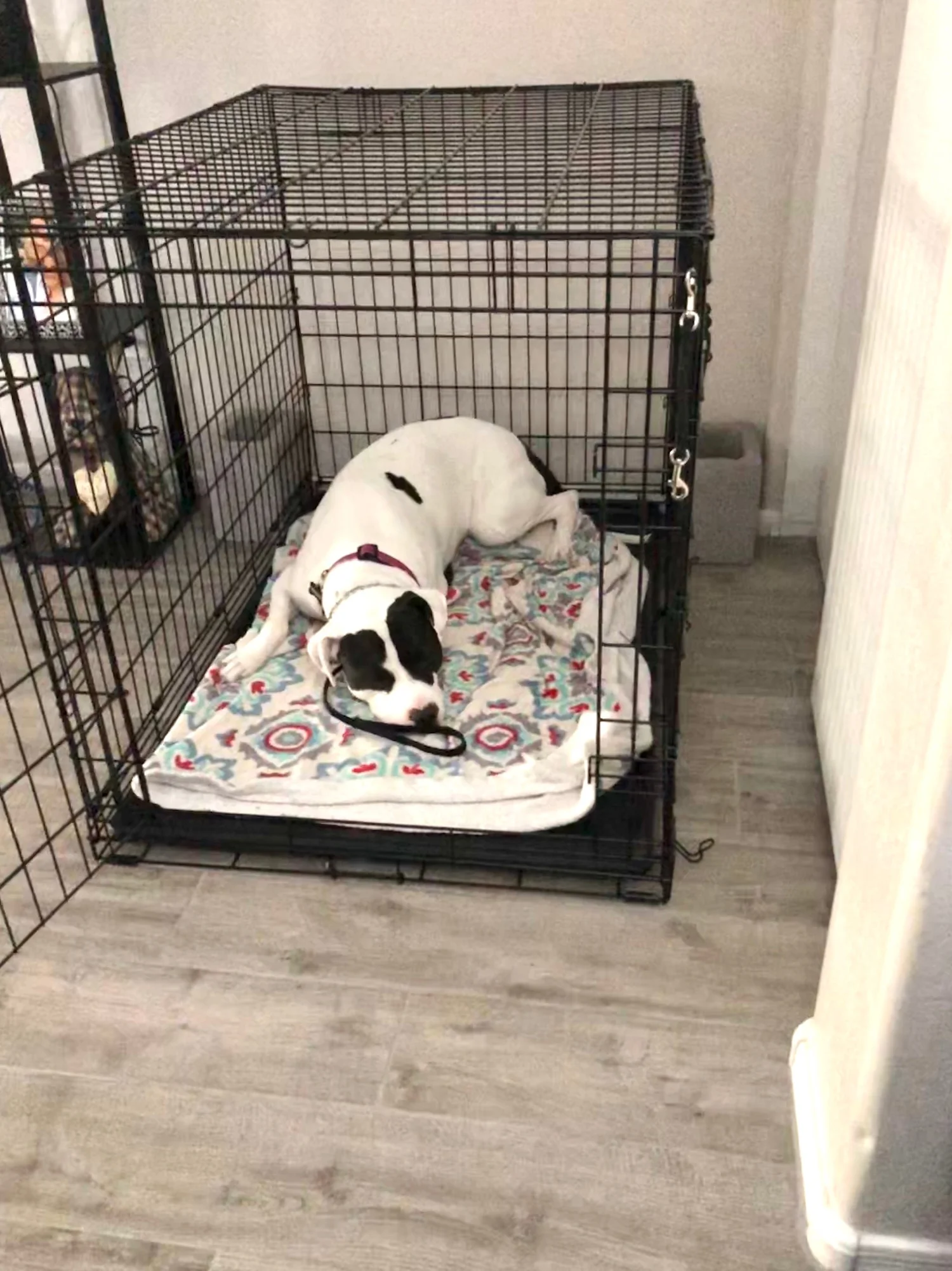
How Long to Crate a Dog: Expert Guidelines
Senior Canine Nutritionist & Dog Behavior Specialist at Cozy Dog Go Wellness Lab

Are you thinking about crate training your dog but unsure how long it should last? You’re not alone.
Many pet owners wrestle with this question. Getting the timing right can make all the difference in ensuring your furry friend is happy and comfortable. Crate training can be a wonderful tool for both you and your dog, but only if done correctly.
Imagine coming home to find a peaceful, well-behaved pet instead of chewed-up shoes and furniture. The key? Knowing how long to crate your dog. It’s more than just a convenience—it’s about creating a safe and secure space for your dog. But how do you strike the perfect balance without causing stress or anxiety? Dive into this article to discover the secrets of successful crate training. You’ll learn expert tips and practical advice tailored to your dog’s needs. By the end, you’ll feel confident and equipped to make the best decisions for your canine companion. Keep reading to unlock the potential of crate training and transform your dog’s behavior.
Benefits Of Crate Training
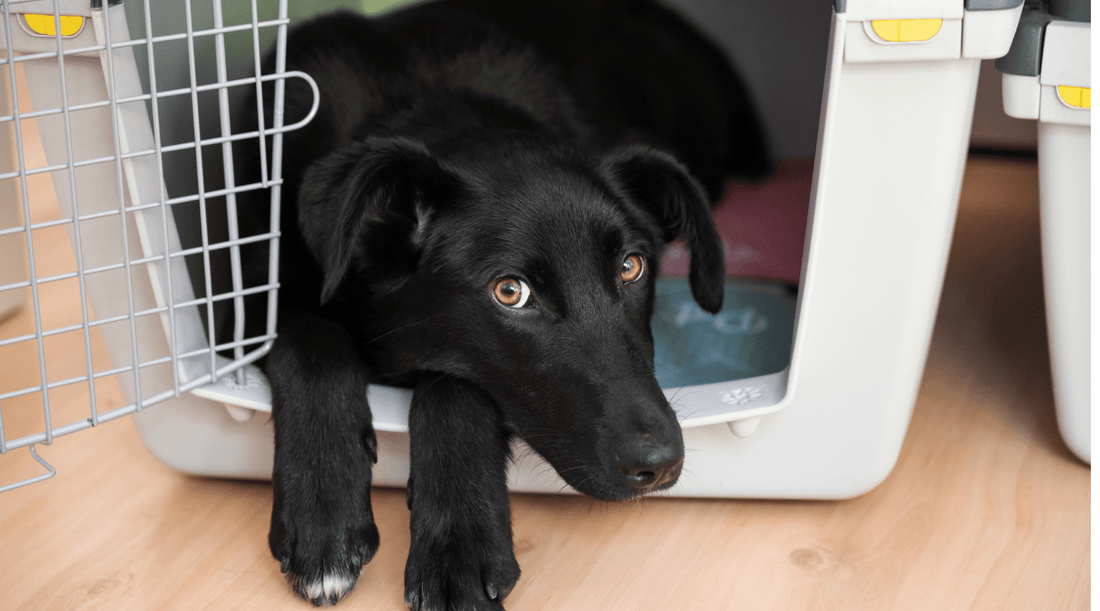
Crate training provides a safe space for dogs, aiding in their comfort and security. Limit crate time to a few hours, ensuring regular breaks for exercise and play. This practice helps with house training and reduces anxiety, making dogs feel at ease in their environment.
Crate training offers several benefits for both dogs and their owners. It is a useful tool that helps dogs feel safe and secure. Crates also aid in housebreaking and make traveling easier. Understanding these benefits can enhance your dog’s well-being and simplify your daily routine.Safety And Security
Crates provide a safe space for dogs. Dogs naturally seek small, cozy spaces to rest. A crate mimics a den environment, offering comfort. It keeps them safe from household hazards. Crates prevent dogs from chewing on dangerous items or getting into trouble when unsupervised.Housebreaking Aid
Crate training helps with housebreaking. Dogs avoid soiling their sleeping area. This natural instinct makes crate training effective for potty training. By establishing a routine, dogs learn when it’s time to go outside. Consistency reinforces good behavior, making housebreaking quicker.Travel Convenience
Crates make traveling easier for dogs and owners. They provide a familiar space in new surroundings. Crates reduce anxiety during car rides or flights. They ensure safety during transportation. A crate-trained dog travels with ease, reducing stress for both pet and owner.Credit: www.skipperspetproducts.com
Choosing The Right Crate
Choosing the right crate for your dog can significantly impact their comfort and your peace of mind. A well-chosen crate becomes a safe haven for your furry friend, offering them a cozy space to relax while giving you control over their movement. But what factors should you consider when selecting the perfect crate?
Size And Material Considerations
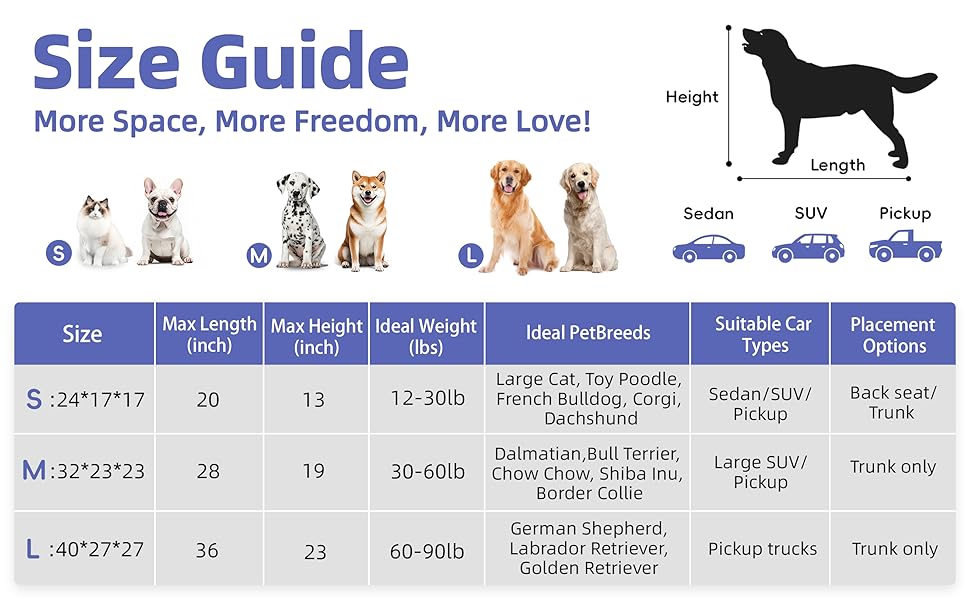
Size is crucial. A crate should be large enough for your dog to stand, turn around, and lie down comfortably. Yet, it shouldn’t be too spacious, as this might encourage them to use one end as a bathroom. If your dog is still growing, consider a crate with adjustable dividers to accommodate their size changes.
Material is another vital factor. Plastic crates are durable and provide a den-like feel, perfect for travel. Wire crates offer excellent ventilation and visibility, making them ideal for home use. Soft-sided crates are lightweight and portable, but might not withstand an enthusiastic chewer.
Types Of Crates
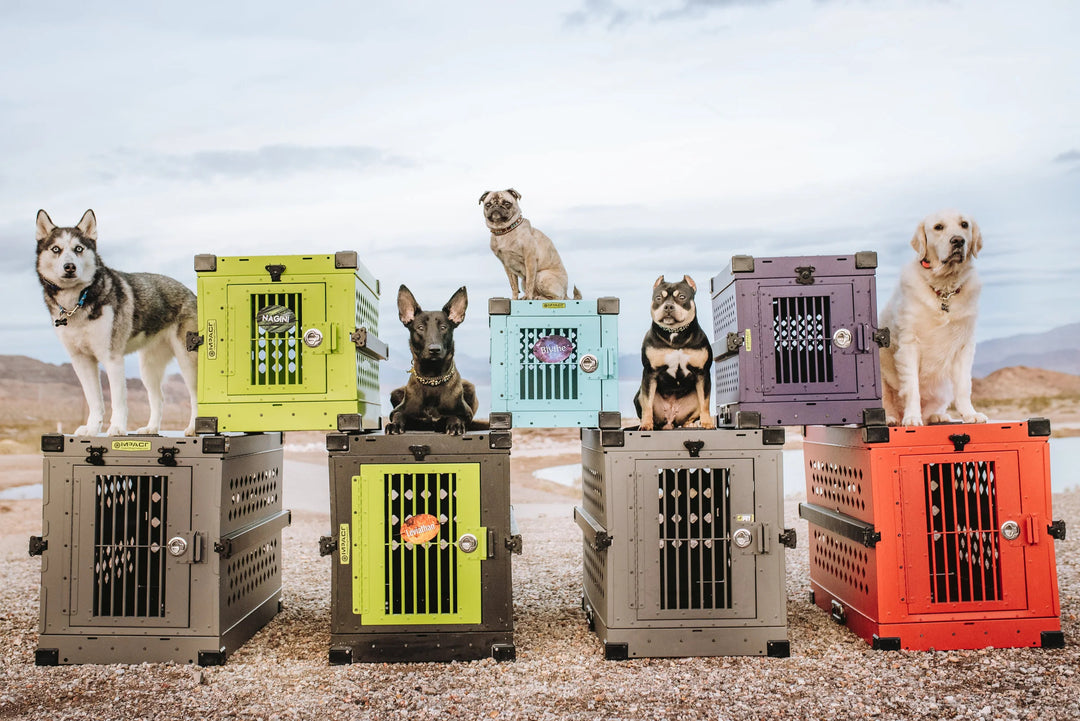
Different types of crates serve various needs. Do you need a travel-friendly option? Plastic crates are airline-approved and often come with handles for easy transport. For a home setting, wire crates are popular due to their sturdiness and flexibility.
Consider wooden or decorative crates if aesthetics matter. These blend seamlessly into home decor but might require more maintenance. For outdoor adventures, look at robust and weather-resistant options to keep your dog safe during trips.
With so many choices, what matters most to you and your dog? Understanding your priorities will guide you to the right crate, ensuring both comfort and practicality.
Duration Of Crate Time
Crate training is an invaluable tool for dog owners, providing a safe and secure environment for your furry friend. However, knowing how long to keep your dog in the crate is crucial for their comfort and well-being. Striking the right balance ensures your dog feels safe without feeling confined.
Puppy Vs. Adult Dogs
Puppies, with their boundless energy and curiosity, require shorter crate periods compared to adult dogs. Their small bladders and developing bodies mean they need frequent breaks for potty time and play. For instance, a two-month-old puppy might need a break every two to three hours.
Adult dogs, on the other hand, can usually tolerate longer crate periods. They have more control over their bladder and are accustomed to routines. An adult dog can stay crated for up to four to six hours at a time. But remember, they still need regular walks and playtime to stay healthy and happy.
Factors Affecting Time
Several factors influence the appropriate duration of crate time. Your dog’s age, breed, and temperament play significant roles. An energetic breed like a Border Collie might need more frequent breaks than a laid-back Bulldog.
Health conditions also matter. If your dog has an ailment, shorter crate times may be necessary. Consider your dog’s daily activities too. Does your dog spend time playing or exercising? A tired dog is more likely to rest comfortably in their crate.
Lastly, the crate environment itself can affect duration. Is the crate comfortable and inviting? Does it contain a cozy bed and a favorite toy? A pleasant crate can make longer stays more tolerable for your pet.
Have you observed any changes in your dog’s behavior when crated for different durations? Finding the right balance is a journey, and your observations can guide you toward the best crate routine for your dog.
Credit: www.somerzby.com.au
Signs Of Over-crating
Over-crating a dog can lead to anxiety, restlessness, and destructive behavior. Watch for signs like excessive barking or reluctance to enter the crate. Balance crate time with exercise and social interaction to ensure a happy, healthy pet.
Crating a dog can offer safety and comfort. Yet, over-crating poses risks. Dogs need freedom and time outside their crate. Recognizing signs of over-crating is crucial for their well-being. Let’s explore these signs to ensure a happy and healthy pet.Behavioral Issues
Over-crating can lead to behavioral problems. Dogs may become anxious or restless. They might bark excessively or whine when crated. Destructive behavior is another common sign. Chewing furniture or digging at the crate signals distress. Social withdrawal is also a concern. A dog might shy away from family interactions.Physical Symptoms
Physical symptoms often indicate over-crating. Look for sore spots or pressure sores. These develop from prolonged crate time. Stiffness or limping could suggest muscle problems. Reduced appetite might arise from stress or depression. Weight gain or loss is another indicator. Lack of exercise can lead to obesity, while stress might cause weight loss. Regular vet check-ups help spot these issues early.Alternatives To Crating
Crating can be a valuable tool for dog owners, but it’s not always the best solution for every pup. Some dogs simply dislike being confined, or perhaps you’re looking for a more flexible option. Whatever your reasons, exploring alternatives to crating can lead to a happier and more relaxed home environment for both you and your furry friend. Let’s dive into some practical alternatives.
Dog-proofed Rooms
Imagine giving your dog the freedom of a safe room instead of a crate. Dog-proofing a room is a great way to allow your dog more space while still keeping them secure. This involves removing any harmful items and ensuring that furniture and electronics are safe from curious paws.
Consider adding a comfy bed and some toys to keep your dog entertained. You might be surprised at how much they enjoy lounging in their own little sanctuary. This setup can also be particularly useful if you have a larger dog who feels cramped in a crate.
Is there a room in your house that could serve this purpose? Assess its safety and comfort for your dog, and you might find this is a win-win solution.
Playpens
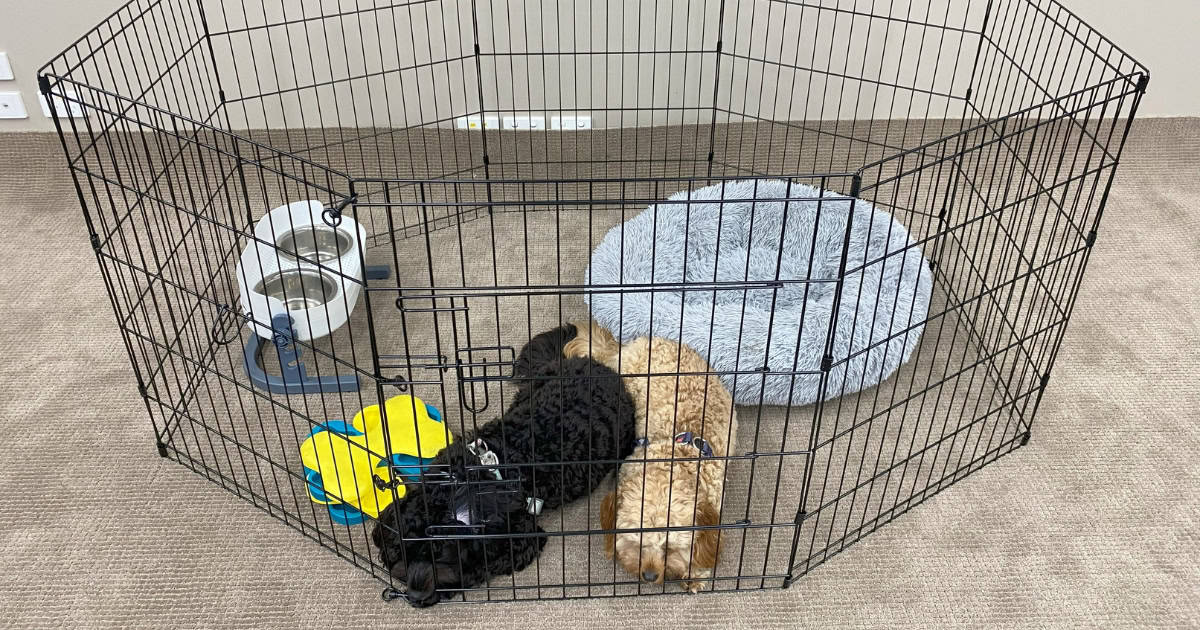
Playpens offer a balance between freedom and security. They provide your dog with a designated area where they can move around, play, and rest without wandering too far. This option is especially beneficial for puppies or smaller dogs.
Setting up a playpen is straightforward—just choose a location and fill it with your dog’s favorite things. Think of it as a mini play area where they can indulge in their curiosity without risking harm.
Have you tried using a playpen before? It could be the perfect compromise for keeping your dog safe while allowing them some independence.
These alternatives offer flexibility and comfort, ensuring your dog feels secure without the restrictions of a crate. Which option aligns best with your dog’s needs?

Credit: k9connoisseur.com
Tips For Successful Crate Training
Crate your dog for no more than three to four hours at a time. Puppies need shorter intervals. Provide toys and water to keep them comfortable. Adjust crate time as your dog grows and becomes more comfortable.
Crate training can be a helpful tool for dog owners. It provides a safe space for your dog and can aid in house training. Successful crate training requires patience and consistency. Here are some tips to ensure a positive experience for both you and your furry friend.Positive Reinforcement
Use rewards to encourage your dog to enter the crate. Treats or favorite toys can make the crate appealing. Praise your dog when they stay calm inside. This builds a positive association with the crate. Avoid using the crate as punishment. It should always be a comfortable and safe space.Gradual Introduction
Start by letting your dog explore the crate. Leave the door open initially. Allow them to enter and exit freely. Gradually increase the time they spend inside. Keep sessions short and positive. Over time, extend the duration. Aim for your dog to feel at ease. Patience is key; every dog adapts differently.Frequently Asked Questions
How Long Can I Crate My Dog Daily?
Crating time depends on age and energy level. Puppies need shorter crating periods, usually 2-3 hours. Adult dogs can handle 4-6 hours. Ensure they have breaks for exercise, bathroom, and socialization. Crating shouldn’t be a substitute for interaction.
Is Crating My Dog At Night Okay?
Yes, crating at night is usually fine. Dogs often see crates as their safe space. Ensure the crate is comfortable and located in a quiet area. Make sure the dog has had enough exercise and bathroom breaks before bedtime.
What Age Should I Start Crating My Puppy?
Start crating a puppy as young as 8 weeks. Early introduction helps with training and creates a safe environment. Keep initial crating periods short to build a positive association. Gradually increase the time as your puppy becomes comfortable.
How Do I Make My Dog Love The Crate?
Create a positive crate experience by using treats and toys. Ensure the crate is comfortable and in a quiet spot. Gradually increase time spent in the crate. Positive reinforcement and patience help create a welcoming environment.
Conclusion
Crate training helps dogs feel safe and secure. It’s important to balance time in the crate with play and exercise. Start slow and observe your dog’s comfort level. Adjust crate time based on your dog’s needs. Consistency is key for successful training.
Always provide water and a comfy space in the crate. Avoid long hours to prevent stress. Crate training builds trust between you and your dog. Remember, patience leads to happier pets. Monitor progress and make adjustments. A well-trained dog enjoys crate time, making life easier for both of you.

Similar Posts