How Long to Leave a Dog in a Crate: Expert Tips
Senior Canine Nutritionist & Dog Behavior Specialist at Cozy Dog Go Wellness Lab
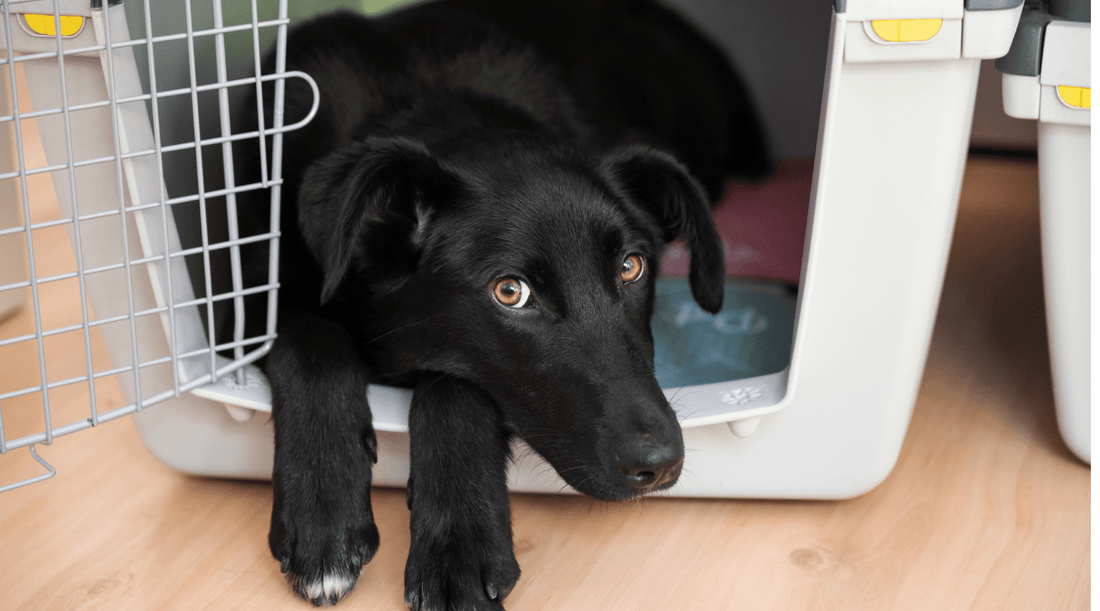
Imagine coming home to a happy and relaxed dog, instead of one that’s anxious or stressed. Your canine companion’s well-being is important to you, and understanding how long to leave your dog in a crate can make a big difference.
You want what’s best for them, but finding the right balance can be tricky. Are you unknowingly causing discomfort? By diving deeper into this topic, you’ll uncover the secrets to a harmonious home environment. Keep reading to learn how to ensure your furry friend feels secure, loved, and cared for, even when you’re not around.
Optimal Crate Time For Dogs
Understanding the optimal crate time for dogs is crucial for their well-being. Proper crate training helps dogs feel secure and comfortable. It’s essential to consider several factors to determine how long a dog should stay in a crate. These include age, breed, and health status. Let’s explore these elements to ensure a safe and nurturing environment for your furry friend.
Age And Development Considerations
Puppies have different crate time needs than adult dogs. Young puppies need frequent breaks. Their bladder control is still developing. Puppies under six months shouldn’t stay in a crate more than three hours at a time. Adult dogs can handle longer periods, usually up to eight hours. But they also need regular breaks for exercise and bathroom needs.
Breed-specific Needs
Different breeds have distinct energy levels and temperaments. High-energy breeds may struggle with long crate times. Breeds like Border Collies and Labradors need more exercise and stimulation. On the other hand, calmer breeds like Bulldogs may adapt better to longer crate periods. Understanding your dog’s breed characteristics is key.
Health Factors
A dog’s health impacts their crate time tolerance. Dogs with health issues may need more frequent breaks. Conditions like arthritis can make long crate times uncomfortable. It’s vital to consult with a vet if your dog has health concerns. Adjust crate time based on their specific needs and comfort.
Signs Of Crate Stress In Dogs
Understanding signs of crate stress in dogs is vital for their well-being. Dogs can experience stress if left in crates for too long. Recognizing these signs helps prevent long-term harm and ensures comfort.
Behavioral Indicators
Behavioral changes are key signs of crate stress. Your dog might bark excessively when in the crate. Whining or howling can also indicate distress. Watch for signs of aggression, like snapping or growling. A stressed dog may try to escape the crate, leading to injury. Some dogs may become overly submissive or withdrawn. If your dog shows these behaviors, it might be time to rethink crate duration.
Physical Symptoms
Physical symptoms are clear indicators of crate stress. Some dogs may pant heavily in the crate, showing anxiety. Excessive drooling is another sign to watch for. Your dog might have diarrhea or vomit due to stress. Weight loss can occur if stress affects appetite. Check for signs of injury from escape attempts. If any physical symptoms appear, consider adjusting crate times.
Training For Crate Comfort
Understanding crate training involves knowing how long to leave a dog in a crate. Puppies need shorter crate times, while adult dogs can manage longer periods. Always ensure your dog has breaks for exercise, food, and bathroom needs.
Training for Crate Comfort involves making the crate a pleasant space. It’s important to ensure your dog feels safe and secure in their crate. Understanding how to train your dog for crate comfort is essential for their well-being. This process requires patience and consistency.Positive Reinforcement Techniques
Positive reinforcement is a powerful tool. Reward your dog with treats when they enter the crate. Use praise and gentle pats to encourage them. This builds positive associations with the crate. Avoid forcing your dog inside. Let them explore at their own pace. Always keep a calm tone during training.Gradual Acclimatization
Gradual acclimatization prevents stress. Start with short periods in the crate. Increase the time slowly. Begin with five minutes and observe your dog’s behavior. Extend the duration as they become comfortable. Ensure the crate has a soft bed and favorite toys. This helps them relax during crate time. Always make crate sessions enjoyable.
Credit: k9connoisseur.com
Alternatives To Crate Time
Consider rotating crate time with play and rest periods. Offer toys or puzzles to keep your dog engaged. Regular walks and outdoor exercise can provide much-needed freedom.
Finding alternatives to crate time can be a game-changer for both you and your furry friend. Crates are useful for short periods, but relying too much on them can lead to anxiety or restlessness in dogs. Exploring other options can ensure your dog remains happy and healthy, even when you’re not around.Doggy Daycare Options
Doggy daycare centers offer a structured environment where your dog can socialize and play. These facilities often provide various activities to keep your pet entertained throughout the day. Imagine your dog returning home tired and content from a day filled with fun and interaction. Each daycare varies in services, so it’s vital to visit and ask questions before enrolling your dog. Look for a place with a good staff-to-dog ratio to ensure personalized attention. Does your dog thrive in social settings or prefer quieter environments? This is crucial when choosing the right daycare.Pet Sitting Solutions
Pet sitters can be a fantastic alternative, especially if your dog prefers staying in a familiar environment. A pet sitter can come to your home, providing companionship and care while you’re away. This option can reduce stress for dogs who don’t adapt well to new settings. You might have a trusted neighbor or a professional pet sitter who can check in on your dog. Ensure they understand your dog’s routine and any specific needs. Have you considered swapping pet-sitting duties with a friend? This can be a cost-effective solution that strengthens bonds in your community. By exploring these alternatives, you can provide a nurturing environment for your dog without over-relying on a crate. What’s your dog’s favorite way to spend time when you’re not home?Creating A Safe Crate Environment
Creating a safe crate environment for your dog involves knowing the right duration. Limit crate time to a few hours during the day. Always ensure comfort and safety inside the crate.
Creating a safe crate environment is crucial for your dog’s well-being and happiness. A well-prepared crate can become a sanctuary, not a prison. But how do you ensure this safe haven is just right for your furry friend?Choosing The Right Crate
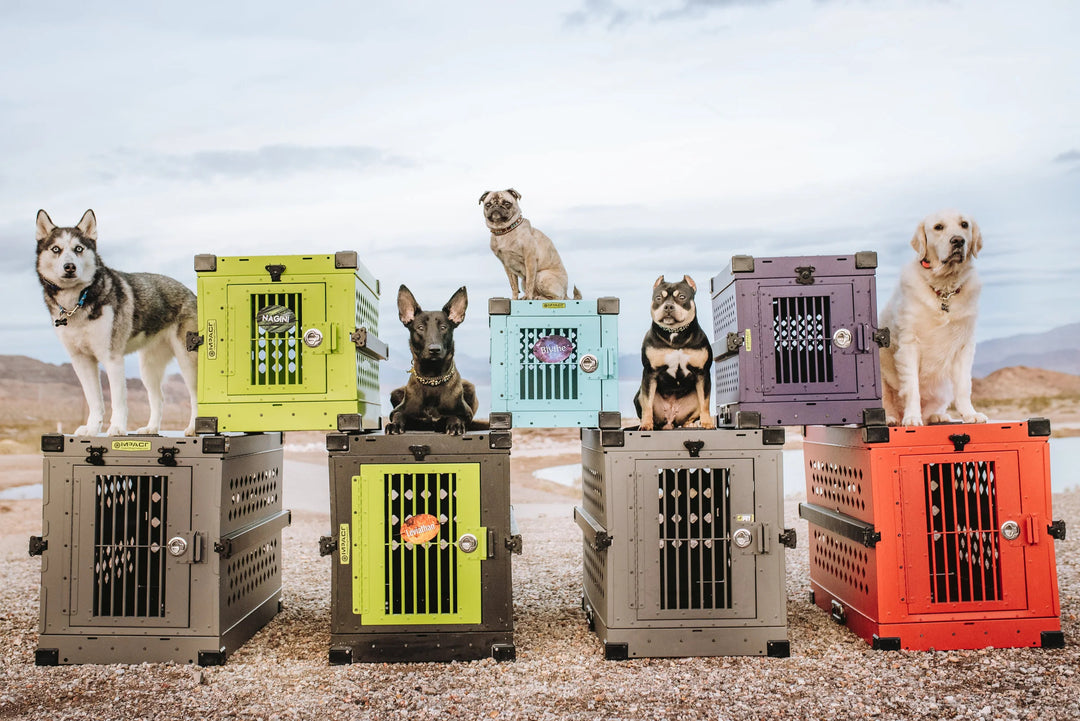
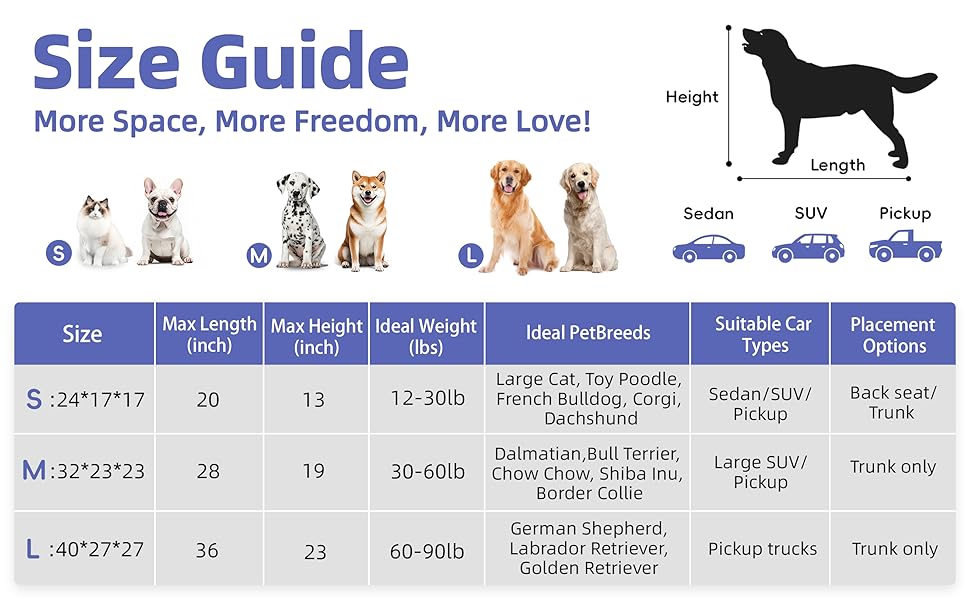
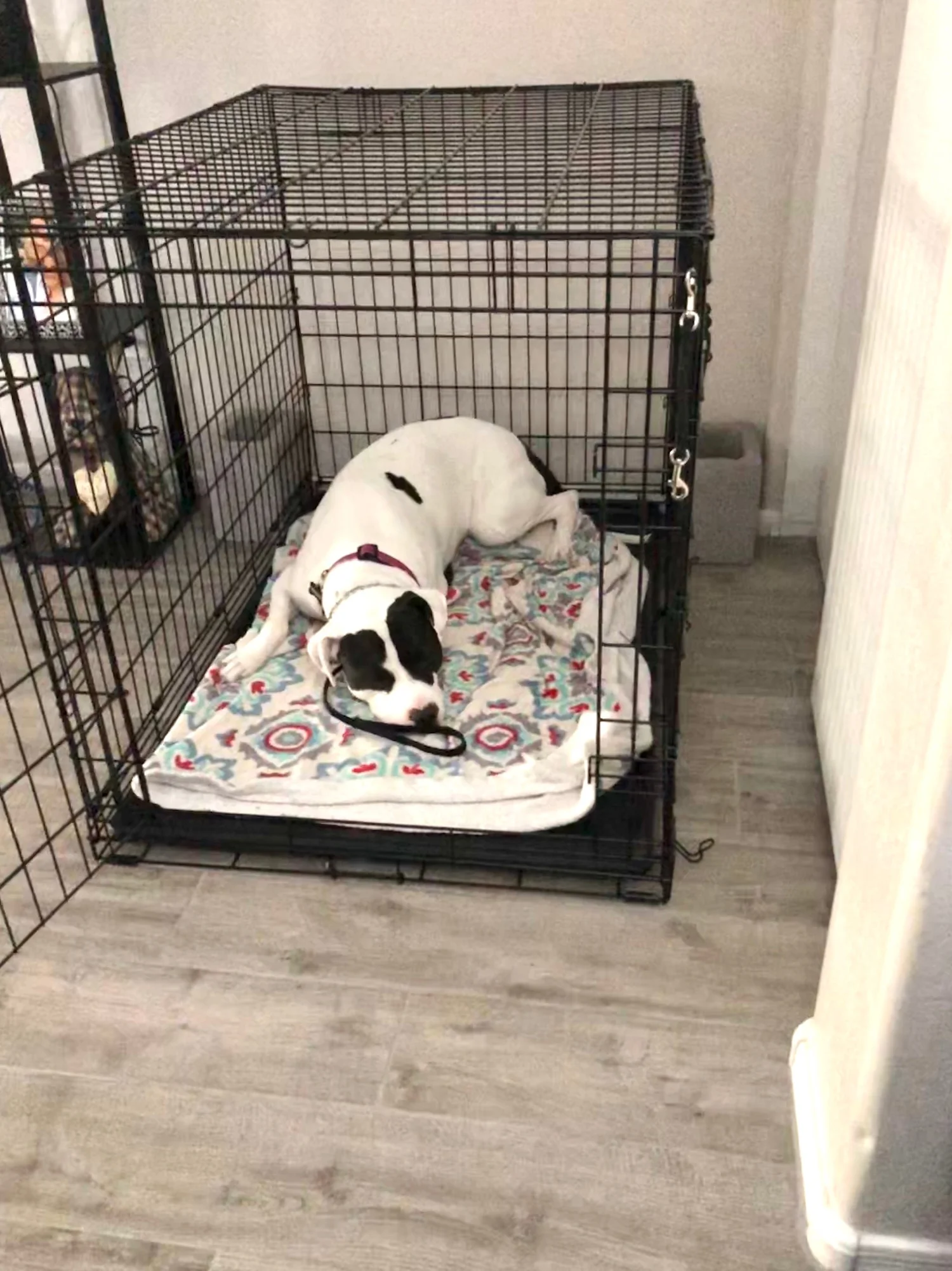
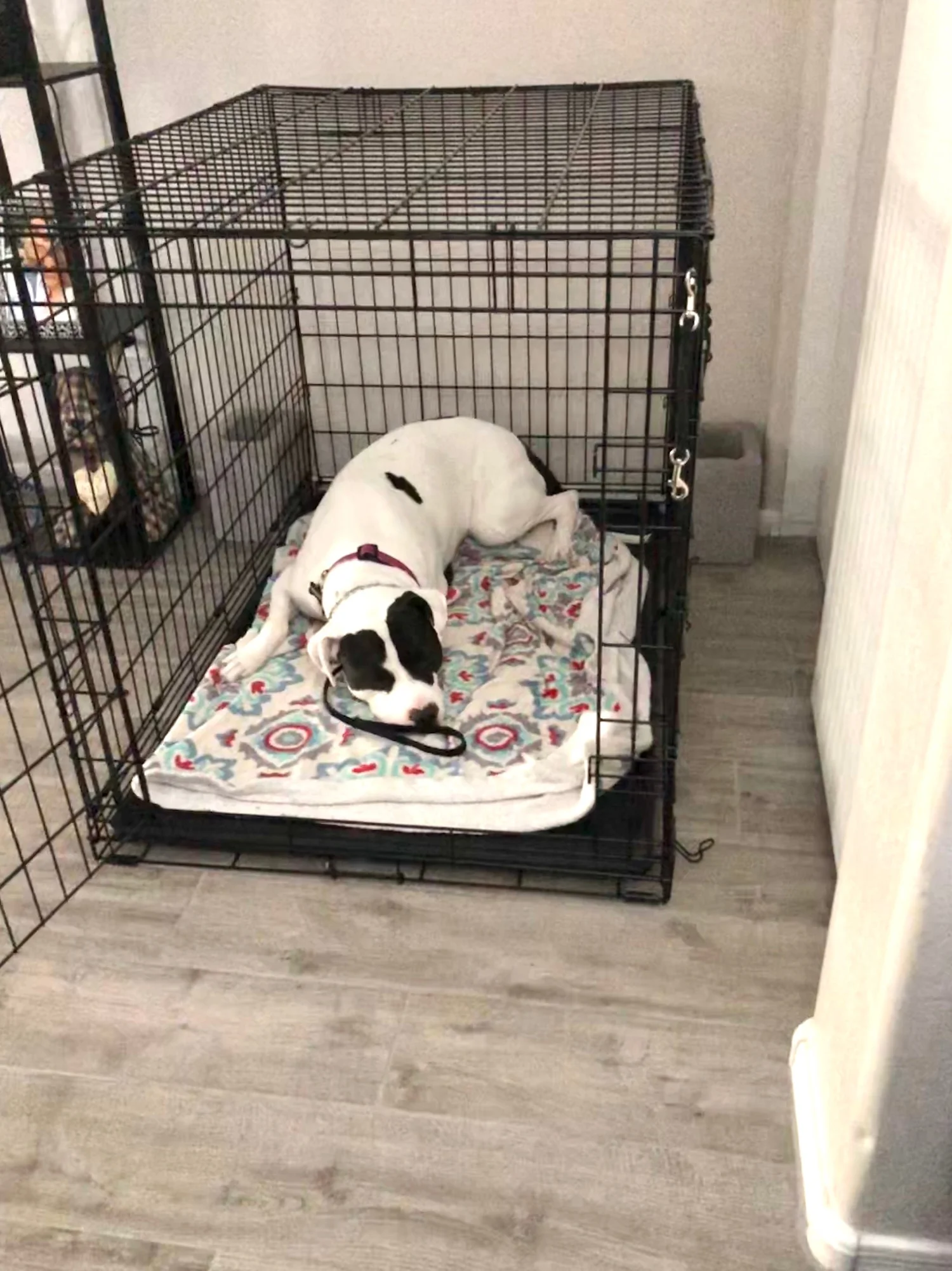
Selecting the ideal crate is the first step. Crates come in various sizes and materials, from metal to plastic. Ensure the crate is large enough for your dog to stand, turn around, and lie down comfortably. Consider your dog’s growth if they are still a puppy. You might want a crate with a divider that can be adjusted as they grow. Also, think about the crate’s portability if you travel frequently. A foldable crate can be a great option for on-the-go pet parents.Comfort Enhancements
Once you’ve chosen the right crate, focus on making it cozy. Add a soft bed or blanket at the bottom. This not only provides comfort but also makes the crate inviting. Toys can be a great addition too. A favorite chew toy can keep your dog entertained and reduce anxiety. Just ensure the toys are safe and won’t become choking hazards. Lastly, consider the crate’s location in your home. Place it in a quiet, low-traffic area where your dog can relax without feeling isolated. Remember, the aim is to create a space where your dog feels secure and loved. Have you ever thought about how the crate’s environment affects your dog’s behavior? Adjusting the setup might just make all the difference in their comfort and happiness.
Credit: islandworldflowers.com
Expert Recommendations
Dog crate duration varies by age and needs. Puppies need breaks every few hours. Adult dogs can stay longer, but should not exceed eight hours. Always ensure comfort and water access.
Finding the right balance for crate time is crucial. Experts provide valuable insights on this topic. Knowing how long is appropriate keeps your dog happy and healthy.Veterinarian Insights
Veterinarians emphasize the importance of age and size. Puppies require frequent breaks due to their small bladders. A general rule is one hour per month of age. Adult dogs can stay in a crate for four to six hours. Size also matters; smaller breeds may need more breaks. Veterinarians suggest observing your dog’s behavior. If they show signs of stress, reduce crate time.Professional Trainer Tips
Professional trainers focus on crate training’s role in behavior. They recommend starting with short intervals. Gradually increase time as the dog becomes comfortable. Consistency is key to successful crate training. Trainers suggest using the crate as a safe space. Never use it for punishment. Make the crate inviting with toys and blankets. This encourages a positive association. A well-trained dog sees the crate as their den.
Credit: www.care.com
Frequently Asked Questions
How Long Can Dogs Stay In Crates Daily?
Dogs can typically stay in crates for up to 4-6 hours daily. Puppies and older dogs may require more frequent breaks. Always ensure your dog has access to water and is comfortable. Gradually increase crate time to help them adjust, always monitoring their behavior.
Is Overnight Crating Safe For Dogs?
Yes, overnight crating is generally safe if done correctly. Ensure the crate is comfortable and spacious enough for your dog. Provide bedding and make sure the room temperature is suitable. Monitor your dog’s behavior for signs of stress or discomfort.
Can Crating Affect A Dog’s Behavior?
Excessive crating can lead to behavioral issues like anxiety. Balance crate time with exercise and social interactions. Regularly check for signs of stress, such as excessive barking or scratching. Properly introduce and maintain a positive crate environment to avoid negative behaviors.
How To Know If A Dog Dislikes The Crate?
Signs a dog dislikes the crate include whining, barking, and refusing to enter. Observe your dog’s behavior closely. If they seem distressed, try making the crate more inviting with toys and treats. Gradual introduction and positive reinforcement can help ease crate anxiety.
Conclusion
Finding the right crate time is vital for your dog’s happiness. Balance is key. Short periods build trust and comfort. Gradually increase time as they adjust. Crate should be a safe and cozy space, not a prison. Remember, every dog is different.
Observe their behavior closely. Look for signs of distress or relaxation. Adjust the schedule if needed. Provide breaks for stretching and play. This helps maintain their well-being. With patience, your dog will love their crate. A happy, well-adjusted pet makes a happy owner.
Always prioritize their needs and comfort first.

Similar Posts