
How Much Do Dogs Cost to Adopt: A Budget-Friendly Guide
Are you thinking about bringing a furry friend into your life? Adopting a dog can be one of the most rewarding experiences you’ll ever have.
But before you fall in love with those puppy dog eyes, it’s crucial to understand the costs involved. You might be surprised by the range of expenses you’ll encounter, from adoption fees to ongoing care. Understanding these costs upfront can help you make a more informed decision and ensure you’re prepared for the financial responsibility.
Dive into our guide to discover exactly how much it costs to adopt a dog, and make sure you’re ready to welcome your new best friend without any unexpected surprises. Your future happiness with your new companion might just depend on it!
Initial Adoption Fees
Adopting a dog is an exciting journey. Yet, it’s essential to know the initial costs. Different adoption avenues have varying fees. Shelter, rescue, and breeder options each have unique expenses. Understanding these helps in planning your budget effectively.
Shelter Costs
Shelters often have the lowest adoption fees. They aim to cover basic expenses. This includes vaccinations, spaying or neutering, and microchipping. Fees usually range from $50 to $200. Local shelters might also offer promotions or discounts. This makes adopting a dog more affordable. Check with your local shelter for specific details.
Rescue Organization Fees
Rescue organizations tend to have higher fees. They rescue dogs from tough situations. These fees generally range from $150 to $500. This covers medical care and sometimes training. Rescue organizations focus on finding the right home for each dog. They often provide detailed information about the dog’s history and needs.
Breeder Expenses
Adopting from a breeder is the most expensive option. Breeders focus on specific dog breeds. Prices can range from $500 to several thousand dollars. This depends on the breed and lineage. Breeders usually provide health guarantees and documentation. It’s vital to choose a reputable breeder. This ensures the health and well-being of your future pet.
Essential Supplies
Adopting a dog is a joyful experience, but it comes with responsibilities, including gathering essential supplies. These items ensure your new furry friend feels comfortable and cared for in their new environment. Let’s explore some of the fundamental supplies you’ll need to make your dog’s transition smooth and enjoyable.
Food And Water Bowls
Choosing the right food and water bowls for your dog is more important than you might think. Stainless steel bowls are durable and easy to clean, while ceramic ones add a touch of style to your home. Consider your dog’s size and eating habits when selecting the bowl size. A good rule of thumb is to have bowls that are stable and hard to tip over. This avoids spills, making feeding time less messy for both you and your dog.
Leash And Collar
Walking your dog is not just about exercise; it’s a bonding experience. Investing in a sturdy leash and a comfortable collar is crucial. Opt for a leash that fits comfortably in your hand and provides control. Collars should be snug but not tight, allowing you to slide two fingers between the collar and your dog’s neck. Reflective collars are excellent for evening walks, adding safety to your adventures.
Bedding And Crate
A cozy bed and a secure crate are essential for your dog’s comfort and security. Bedding should be soft and easy to wash, keeping your dog warm during chilly nights. Crates offer a private space for your dog, especially when you’re away. It’s important to choose a crate size that allows your dog to stand, turn, and lie down comfortably. Providing a plush blanket or pillow inside can make it feel more inviting.
Have you ever thought about how these supplies impact your dog’s happiness? They might seem like simple items, but they play a huge role in your dog’s daily life. Each choice reflects your care and love, setting the foundation for a happy, healthy relationship with your pet. Remember, adopting a dog means welcoming a new family member, and these supplies are the first step in making them feel at home.
Veterinary Expenses
Adopting a dog is a joyful experience. But, it comes with responsibilities. One major aspect is veterinary expenses. These costs ensure your new friend stays healthy and happy. Understanding these expenses is crucial for any potential dog owner. Below, we explore key veterinary costs associated with adopting a dog.
Initial Health Check
After adopting, your dog needs a health check. This first visit is important. A vet examines your dog for any health issues. They check weight, eyes, ears, and teeth. This visit helps catch any problems early. The cost varies, but it’s essential for your dog’s wellbeing.
Vaccinations And Preventatives
Vaccinations protect your dog from diseases. Essential shots include rabies, distemper, and parvovirus. Preventatives like flea and tick treatments are also needed. These keep your dog safe from pests. Regular updates ensure ongoing protection. Costs depend on the dog’s age and size.
Spaying Or Neutering
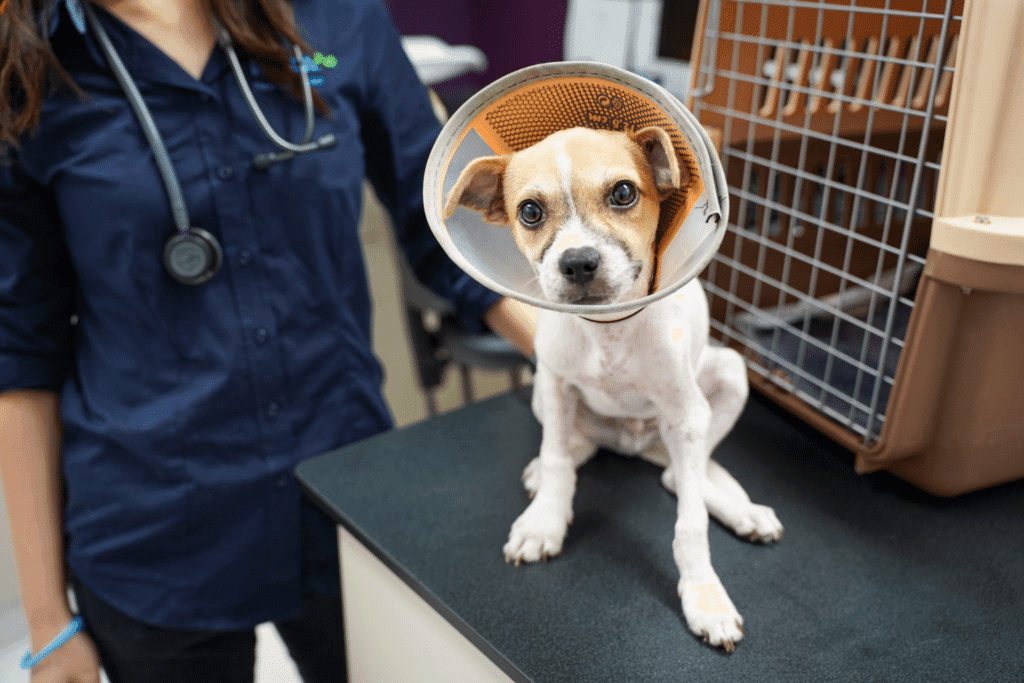
Spaying or neutering helps control pet populations. It also offers health benefits. It can reduce certain cancers and behavioral issues. This procedure is often recommended early. The cost varies based on the dog’s size and gender. Many shelters include this in adoption fees.
Credit: www.rspcansw.org.au
Ongoing Costs
Adopting a dog involves ongoing expenses like food, vet visits, and grooming. Regular costs ensure your pet stays healthy. Budget accordingly for supplies and unexpected needs.
Adopting a dog is just the beginning. Understanding the ongoing costs is essential for responsible pet ownership. Dogs need attention, care, and resources throughout their lives. Here is a breakdown of the main ongoing costs associated with dog ownership.Food And Treats
Dogs require quality food to stay healthy. Premium brands often cost more but provide better nutrition. The amount spent depends on the dog’s size and dietary needs. Treats are also part of their diet and can be used for training and rewarding.Routine Vet Visits
Regular vet check-ups are crucial for your dog’s health. These visits help catch potential problems early. Vaccinations, dental checks, and general wellness exams are essential. Budgeting for routine vet care is a must.Grooming And Hygiene
Grooming keeps your dog clean and healthy. Some breeds need professional grooming, while others require simple home care. Regular baths, nail trimming, and fur brushing are important. Grooming supplies add to ongoing costs but ensure your dog stays comfortable.Training And Socialization
Training and socialization play vital roles in a dog’s life post-adoption. Properly trained dogs adapt faster and bond better with families. Socialization ensures they are comfortable around people and other animals.
Training and socialization are vital when adopting a dog. They ensure your new companion becomes a well-behaved family member. Investing time and resources in these areas benefits both you and your dog. It helps build a bond and creates a comfortable environment for everyone.Puppy Classes
Puppy classes are a great start for young dogs. They teach basic commands like sit, stay, and come. These classes also introduce puppies to new environments and experiences. This helps them adjust to different situations without fear. Prices for puppy classes vary. They can range from $50 to $200 for a series of sessions.Behavioral Training
Behavioral training addresses specific issues. It helps with problems like barking, chewing, or aggression. Professional trainers work one-on-one with your dog. They tailor methods to suit your dog’s needs. This type of training might cost $30 to $100 per session. The total cost depends on the number of sessions needed.Socialization Activities
Socialization activities are crucial for a dog’s development. They expose dogs to various people, animals, and environments. Regular walks in the park are beneficial. Dog-friendly events and playdates offer more exposure. Costs for these activities vary. Some are free, while others might charge a small fee. Investing in socialization ensures a well-adjusted, happy dog.Unexpected Expenses
Adopting a dog can bring unexpected costs beyond the initial fee. Food, vet visits, and grooming add up quickly. Consider these expenses to ensure you’re fully prepared.
Unexpected expenses can catch many new dog owners off guard. While adoption fees are often discussed, the hidden costs can add up quickly, impacting your budget significantly. Let’s delve into some of these unexpected expenses that come with adopting a dog.Emergency Vet Care
Even if your dog appears healthy, emergencies can arise without warning. From sudden illnesses to unexpected accidents, emergency vet visits can be costly. A minor emergency can easily run into hundreds of dollars, while more serious issues could reach into the thousands. Imagine rushing your furry friend to the emergency vet in the middle of the night. The peace of mind knowing you can cover these expenses is invaluable. Are you prepared for such unforeseen circumstances?Pet Insurance Options
Pet insurance might seem like an unnecessary expense at first glance. Yet, it can be a lifesaver when unexpected medical bills arise. Various plans offer coverage for accidents, illnesses, and even routine care, providing a financial safety net. Consider the cost of a single emergency surgery without insurance. Now, compare that to a monthly insurance premium. Investing in pet insurance could save you money and stress in the long run. Have you explored the best insurance options for your pet?Replacement Supplies
Dogs are curious creatures, and their enthusiasm can sometimes lead to destruction. Chewed leashes, torn beds, and damaged toys are just a few examples of items you might need to replace more often than anticipated. Think about the last time your dog turned a new toy into confetti. Replacing these supplies can add up over time. Are you budgeting for these potential mishaps in your monthly expenses? Anticipating these unexpected expenses can ensure a smoother experience as a new pet owner. Being prepared helps you focus on what truly matters—enjoying every precious moment with your new furry family member.Cost-saving Tips
Considering adopting a dog involves understanding various expenses. Initial adoption fees can range from $50 to $250. Budget for essentials like food, vet visits, and supplies to ensure a happy, healthy pet.
Adopting a dog can be a heartwarming experience, but the costs can add up. Luckily, there are ways to make it more affordable without compromising on quality care for your new furry friend. Here are some practical cost-saving tips to help you manage expenses while ensuring your dog’s happiness and health.Adoption Promotions
Many shelters offer adoption promotions throughout the year. Keep an eye out for special events like “Clear the Shelters” or holiday-themed discounts. These promotions can significantly reduce the adoption fee, making it easier on your wallet. Some shelters also have “name your price” days, where you can decide what you can afford to pay. This can be a great opportunity to bring home a pet without breaking the bank.Diy Pet Care
Taking a DIY approach can save you a lot of money in the long run. Consider making your own dog toys using household items like old t-shirts or tennis balls. Grooming your dog at home is another excellent way to cut costs. With a few basic tools and some patience, you can keep your dog looking sharp without the expense of professional grooming services.Utilizing Community Resources
Your community might offer resources you didn’t know about. Check for local pet food banks, which can provide free or low-cost pet food and supplies. Some veterinary clinics offer low-cost vaccination days or wellness check-ups. Staying informed about these events can help you maintain your dog’s health without overspending. Have you considered joining local pet owner groups on social media? These communities often share valuable tips and resources that can lead to significant savings. By being resourceful and informed, you can significantly reduce the cost of adopting and caring for a dog, making the experience both affordable and rewarding.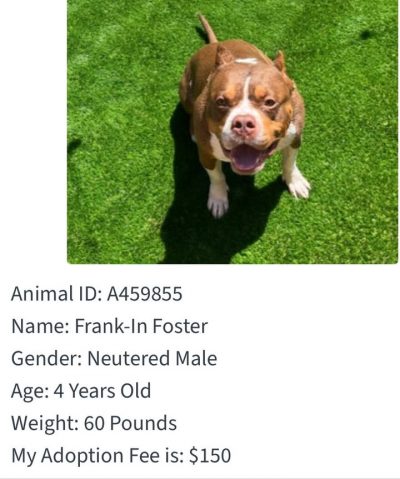
Credit: madacc.org

Credit: www.facebook.com
Frequently Asked Questions
What Is The Average Cost To Adopt A Dog?
The cost to adopt a dog varies by location and breed. Typically, adoption fees range from $50 to $300. This fee often includes vaccinations and spaying or neutering. Some shelters may offer discounts or promotions, so it’s worth checking local options for potential savings.
Are There Additional Costs After Adopting A Dog?
Yes, additional costs can include food, grooming, and veterinary care. Monthly expenses for food and supplies may range from $50 to $100. Regular vet visits and vaccinations are essential for your dog’s health, adding to ongoing costs. Budgeting for these expenses is crucial for responsible pet ownership.
Is Adopting A Dog Cheaper Than Buying?
Generally, adopting a dog is more affordable than purchasing one. Adoption fees are lower and often include initial medical care. Buying from breeders or pet stores can cost thousands of dollars. Adoption supports animal shelters and rescues, promoting humane treatment and care for animals.
What Factors Influence Dog Adoption Costs?
Several factors can affect adoption costs, including breed, age, and health status. Purebred dogs may have higher fees due to demand. Puppies often cost more than older dogs. Health conditions requiring ongoing care can also influence the adoption fee. Shelter policies may vary in pricing strategies.
Conclusion
Adopting a dog brings joy and companionship. It’s a big decision. Costs vary. Adoption fees, vet bills, food, and supplies add up. Plan your budget carefully. Consider your lifestyle and time commitment. Dogs need love and care. They deserve a stable home.
Research local shelters and rescue groups. Visit them and meet potential pets. Ask questions about the dog’s needs and history. Prepare your home for a new furry friend. Adoption is rewarding. It saves lives and enriches yours. Make informed choices.
Enjoy the journey with your new best friend.


