Have you ever thought about your dog’s dental health? You might brush your own teeth twice a day without a second thought, but how often do you brush your dog’s teeth?
It’s a question many pet owners overlook, yet the answer can make a huge difference in your furry friend’s overall health. Just like humans, dogs can suffer from dental issues that might lead to serious health problems if ignored. Imagine giving your dog the best possible care, ensuring their happiness and longevity with a simple daily habit.
Intrigued? Stick around, because we’re about to uncover why brushing your dog’s teeth is crucial, how often you should do it, and some tips to make the process easier for both you and your pup. Your dog’s health could depend on it!
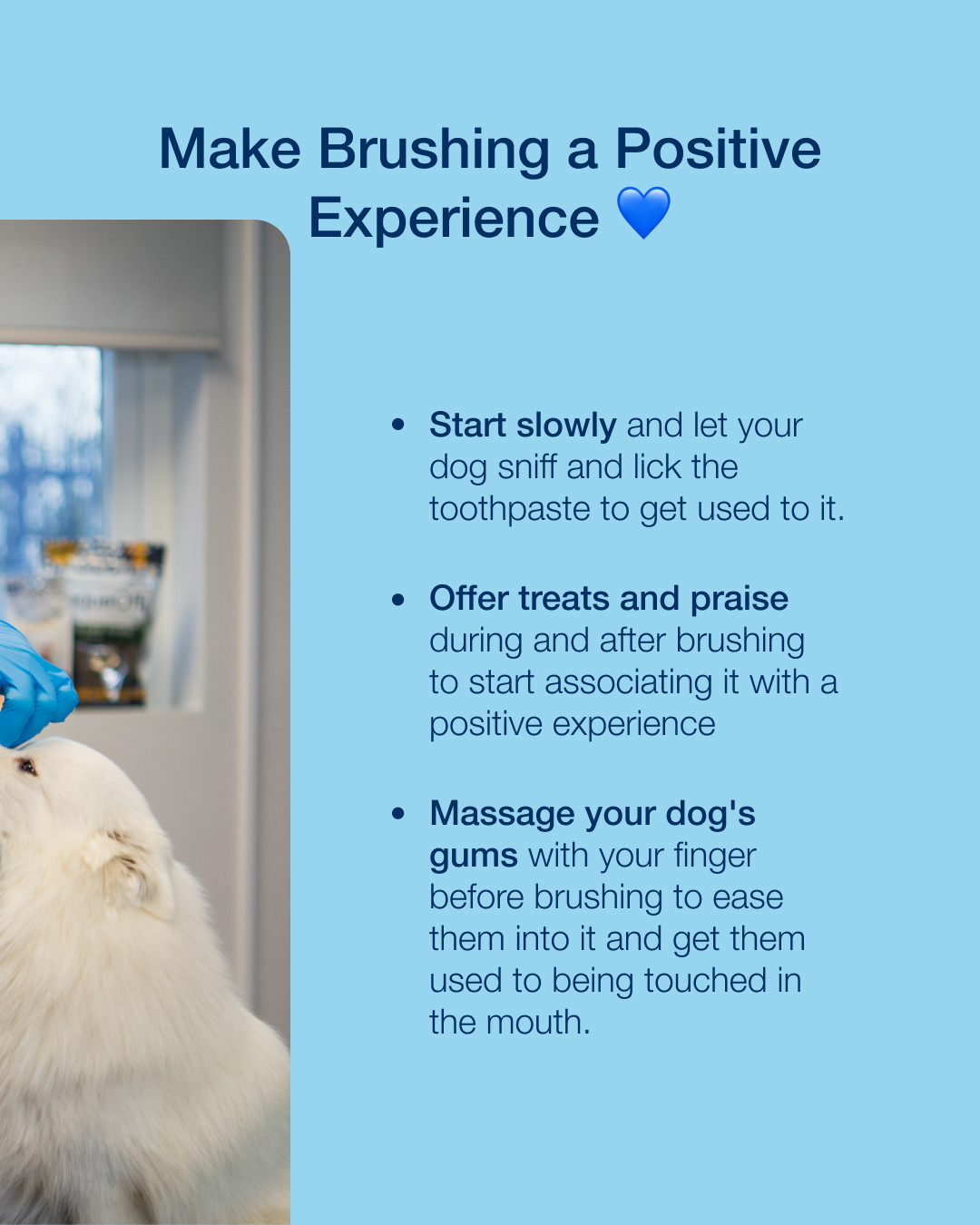
Credit: m.facebook.com
Importance Of Dental Care For Dogs
Dental care is crucial for dogs’ health. Many dog owners focus on feeding and exercise but overlook dental hygiene. Dogs use their teeth for eating and playing, making them prone to dental issues. Ignoring dental care can lead to pain, infections, and other health problems.
Why Dental Care Matters
Dental care prevents gum disease in dogs. Healthy gums mean fewer infections and less pain. Regular brushing reduces plaque buildup, keeping teeth strong. Dental problems can affect a dog’s heart and kidneys, so care is vital.
Signs Of Dental Issues
Bad breath is a common sign. It often indicates plaque and bacteria. Watch for red gums or difficulty chewing. Dogs may drool more or avoid hard food if teeth hurt. Regular check-ups help catch problems early.
Benefits Of Brushing
Brushing fights plaque and bad breath. It keeps gums healthy and teeth clean. Brushing strengthens a dog’s immune system. It reduces the risk of expensive vet bills from dental diseases.
Creating A Routine
Start brushing when your dog is young. Use a soft brush and dog-friendly toothpaste. Make brushing a calm and positive experience. Consistency is key for effective dental care.
Professional Dental Care
Vets offer professional cleaning for dogs. They remove plaque and check for hidden problems. Professional care complements regular brushing at home. Regular vet visits ensure your dog’s teeth stay healthy.
Signs Of Dental Issues In Dogs
Regular brushing of your dog’s teeth can prevent dental issues. Signs like bad breath or swollen gums indicate problems. Aim to brush their teeth two to three times a week for optimal oral health.
Noticing dental issues in your dog early can make a world of difference in their overall health and happiness. Regularly checking for signs of dental problems is crucial. Understanding these signs helps you take timely action, potentially saving your furry friend from unnecessary pain and serious health problems.Bad Breath
Does your dog have a persistent bad breath that seems to linger? While it’s common for dogs to have slightly smelly breath, an overwhelming odor may signal a problem. This could be a sign of plaque build-up or more severe gum disease.Swollen Or Bleeding Gums
Have you noticed your dog’s gums looking red or swollen? Healthy gums should be pink, not red or inflamed. Bleeding gums might occur when they eat or chew toys, indicating potential gingivitis or periodontitis.Difficulty Eating Or Chewing
Is your dog suddenly avoiding their favorite kibble? If they are reluctant to chew or seem to be in pain while eating, it could indicate dental discomfort. This change in behavior should prompt a quick check-up with your vet.Excessive Drooling
Is your dog drooling more than usual? While some breeds are naturally drool-heavy, an increase can suggest oral pain or an infection. Excessive drooling can also lead to skin irritation around the mouth.Loose Or Missing Teeth
Are you noticing gaps in your dog’s smile? Loose or missing teeth are not normal for adult dogs and can be a sign of advanced dental disease. Regular dental checks can prevent tooth loss and the complications that follow.Pawing At The Mouth
Is your dog frequently pawing at their mouth or face? This behavior could indicate discomfort or pain in the mouth area. It’s often a sign that something is wrong that needs immediate attention. Incorporating regular dental hygiene into your dog’s routine can prevent these issues. How often do you check your dog’s mouth for these signs? Taking just a few minutes each week could make a significant difference in your dog’s quality of life.Recommended Brushing Frequency
Dog teeth need brushing two to three times a week for good health. Regular cleaning prevents tartar and gum disease. Use dog-friendly toothpaste for best results.
Brushing your dog’s teeth might not be the most glamorous task, but it’s crucial for their overall health. Many pet owners wonder how often they should be cleaning their canine’s chompers. The answer can vary, but there are some recommended guidelines to ensure your furry friend maintains a healthy smile.Daily Brushing For Optimal Health
Ideally, you should aim to brush your dog’s teeth daily. This routine helps prevent plaque build-up and reduces the risk of dental diseases. Think of it as a small investment of time for your pet’s long-term well-being.Balancing With Your Schedule
If daily brushing seems daunting, aim for a few times a week. Consistency is key. Even brushing every other day can significantly reduce tartar and plaque accumulation.Assessing Your Dog’s Needs
Consider your dog’s specific needs. Some breeds are more prone to dental issues, requiring more frequent attention. Regularly check your dog’s mouth for signs of trouble, like bad breath or discolored teeth.Integrating Routine Into Playtime
Make brushing a fun activity. Use flavored toothpaste to make the experience enjoyable for your dog. Try brushing after a playful session or during a calm moment to make it a positive experience.Consulting Your Veterinarian
If unsure about the right frequency, talk to your vet. They can provide personalized advice based on your dog’s age, breed, and health status. A professional opinion can guide you to establish a perfect brushing schedule. Creating a regular brushing habit not only keeps your dog’s teeth clean but also strengthens your bond. How often do you brush your dog’s teeth, and have you noticed any changes?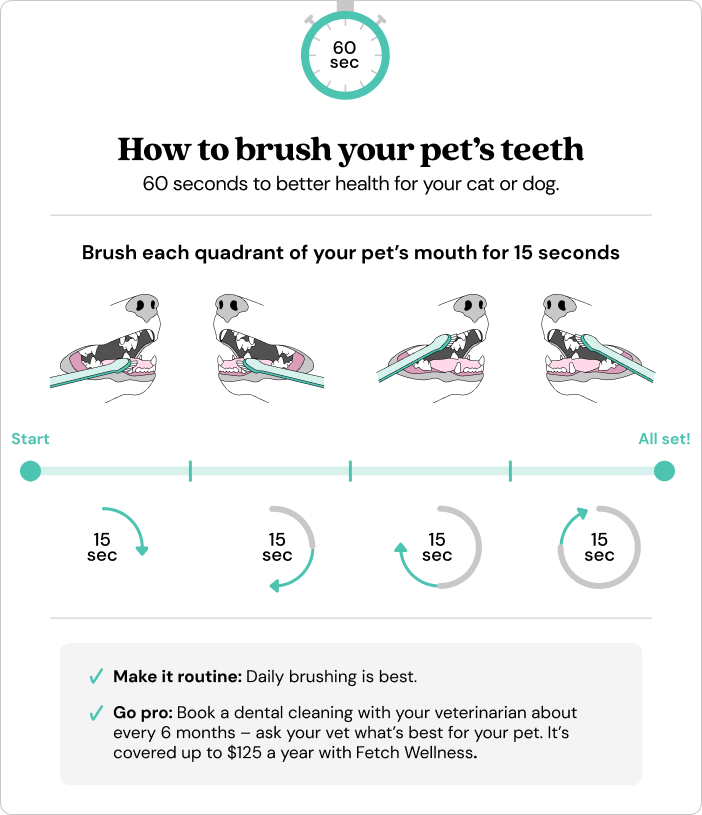
Credit: www.fetchpet.com
Choosing The Right Toothbrush And Toothpaste
Choosing the right toothbrush and toothpaste for your dog is essential. It keeps their teeth clean and breath fresh. A dog’s dental health affects their overall well-being. Many dog owners don’t know the importance of dental care. This section will guide you through selecting the best tools for your furry friend.
How To Pick A Dog Toothbrush
The toothbrush should be comfortable for your dog. It must reach all areas of their mouth. Look for brushes with soft bristles. Soft bristles are gentle on gums. Finger brushes are good for beginners. They allow more control during brushing. Dual-headed brushes fit different mouth sizes. Choose according to your dog’s size and breed.
Understanding Dog Toothpaste Options
Dog toothpaste comes in various flavors. Choose a flavor your dog likes. Never use human toothpaste on dogs. Human toothpaste contains ingredients harmful to dogs. Check for enzymatic toothpaste. Enzymatic toothpaste helps break down plaque effectively. Read labels carefully. Ensure the toothpaste is safe and vet-approved.
Benefits Of Proper Dental Care
Good dental care prevents periodontal disease. It reduces the risk of infections. Healthy teeth improve your dog’s life quality. Regular brushing keeps their mouth healthy. It also saves on costly dental treatments. Make dental care a routine. Your dog will thank you with a happy smile.
Step-by-step Brushing Guide
Brushing your dog’s teeth is a crucial part of their health care. To make this task easier, follow a step-by-step guide. With patience and practice, you can help your furry friend maintain a healthy smile. Let’s dive into the detailed brushing process.
Gather Supplies
Begin by collecting all necessary items. You need a dog toothbrush, toothpaste, and treats. Choose products specifically made for dogs. This ensures safety and effectiveness.
Find A Comfortable Space
Pick a quiet and comfortable spot. This helps your dog feel relaxed. A calm setting is important for a stress-free experience.
Introduce The Toothbrush
Let your dog sniff the toothbrush. This builds familiarity and reduces anxiety. Make the toothbrush a friendly tool.
Apply Toothpaste
Put a small amount of toothpaste on the brush. Dog toothpaste comes in flavors they enjoy. This makes brushing more appealing.
Start Brushing
Begin gently brushing the teeth. Focus on the outer surfaces. Use circular motions to clean effectively.
Offer Praise And Treats
Reward your dog with praise and treats. Positive reinforcement encourages good behavior. This makes future brushing easier.
Maintain A Routine
Establish a regular brushing schedule. Consistency is key to dental health. Aim for a few times a week.
Alternative Dental Care Solutions
Regularly brushing your dog’s teeth helps prevent plaque and tartar buildup. Aim for two to three times a week. Consistent dental care can improve your pet’s oral health and overall well-being.
Alternative dental care solutions for your dog’s oral health can be effective. Regular brushing is important, but sometimes alternatives are needed. These solutions can help keep your dog’s teeth clean and healthy. Explore a few options that might work for you and your furry friend.Dog Dental Chews
Dental chews can be a great option. They help remove plaque from your dog’s teeth. Many dogs enjoy chewing them. They come in different flavors and sizes. Choose one suitable for your dog’s needs.Dental Water Additives
Water additives can be a simple solution. They mix with your dog’s drinking water. They help reduce bacteria and freshen breath. Always follow the instructions on the bottle.Professional Dental Cleanings
A vet can perform a thorough cleaning. This removes plaque and tartar from your dog’s teeth. It’s usually done under anesthesia. This ensures your dog stays still during the procedure.Dental Toys
Dental toys are another fun option. They clean your dog’s teeth while they play. Look for toys with textured surfaces. These help scrub your dog’s teeth effectively.Natural Remedies
Some pet owners use natural remedies. Coconut oil can be used to clean teeth. It has antibacterial properties. Rub a small amount on your dog’s gums. These alternative solutions can complement brushing. They offer varied ways to maintain dental health. Choose what suits your dog’s lifestyle best.Common Mistakes To Avoid
Brushing your dog’s teeth is crucial for their health. Mistakes can reduce its effectiveness. Avoid common errors to ensure your pet’s oral hygiene stays top-notch. Understanding what not to do can make a big difference.
Using Human Toothpaste
Human toothpaste can harm dogs. It often contains fluoride and xylitol, which are toxic. Always choose a toothpaste made for dogs.
Brushing Too Hard
Brushing too hard can damage gums. Use gentle strokes to clean their teeth effectively. A soft-bristled brush works best.
Inconsistent Brushing Routine
Irregular brushing won’t protect your dog’s teeth. Consistency is key to preventing plaque buildup. Aim to brush their teeth daily or several times a week.
Ignoring Signs Of Dental Issues
Bad breath, bleeding gums, and loose teeth can signal problems. Ignoring these signs can lead to severe health issues. Contact your vet if you notice any changes.
Using The Wrong Tools
The right tools make brushing easier. Use a toothbrush designed for dogs. It should fit comfortably in their mouth.
Not Rewarding Your Dog
Rewards can make brushing a positive experience. Give them a treat or extra playtime afterward. This builds a positive association with brushing.
Expert Tips For Successful Brushing
Regular brushing of a dog’s teeth is crucial for their oral health. Aim for at least two to three times a week. Establish a routine early to prevent plaque buildup and maintain a healthy mouth.
Brushing your dog’s teeth is crucial for their health. Many pet owners struggle with making this a regular routine. Successful brushing can prevent dental disease and improve overall health. Experts offer practical tips to make tooth brushing easier.Start Slowly And Gently
Begin the process gradually. Use a soft toothbrush designed for dogs. Let your pet sniff the toothbrush first. Introduce toothpaste slowly. Choose a dog-friendly flavor, like chicken or peanut butter. Start with small circular motions. Focus on the outer surfaces initially. Praise your dog during the process.Pick The Right Time
Choose a calm time when your dog feels relaxed. Avoid brushing after meals or playtime. The evening is often a good choice. It helps if your pet is tired and less active.Use Positive Reinforcement
Reward your dog with treats or praise. Make brushing a positive experience. Encourage good behavior with gentle words. Consistency is key for building routine.Maintain Regularity
Brush your dog’s teeth at least twice a week. More frequent brushing is better. Establish a routine to help your pet adjust. Keep track of brushing days for consistency.Check For Signs Of Discomfort
Watch for signs of pain or discomfort. If your dog resists, stop immediately. Consult a vet if problems persist. Healthy gums should be pink, not red or swollen.Benefits Of Regular Dental Care
Regular dental care for dogs helps prevent gum disease and bad breath. Brushing your dog’s teeth keeps their mouth healthy and reduces the risk of painful dental issues.
Regular dental care for your dog is crucial, not just for maintaining a sparkling smile but for their overall health. Many pet owners underestimate the importance of brushing their dog’s teeth, thinking it’s just about fresh breath. However, consistent dental care can have profound effects on your dog’s well-being. Let’s dive into the benefits of maintaining a regular dental routine for your furry friend.Improved Oral Health
Brushing your dog’s teeth regularly helps prevent plaque and tartar buildup, which can lead to periodontal disease. This condition can cause painful inflammation and gum recession, ultimately affecting your dog’s ability to eat comfortably. By brushing their teeth, you’re actively keeping their gums healthy and reducing the risk of oral infections.Prevention Of Serious Health Issues
Did you know that poor dental hygiene can lead to more severe health issues? Bacteria from periodontal disease can enter your dog’s bloodstream, potentially affecting their heart, liver, and kidneys. Regular brushing acts as a barrier, preventing harmful bacteria from spreading and safeguarding your pet’s internal organs.Enhanced Breath Freshness
Bad breath is more than just an unpleasant odor; it can be a sign of dental problems. Regular brushing not only keeps your dog’s mouth smelling fresh but also indicates good oral health. A clean mouth is less likely to harbor the bacteria that cause bad breath.Cost Savings On Vet Bills
Investing a few minutes in daily brushing can save you a lot in future vet bills. Regular dental care reduces the need for professional cleanings and treatments for dental diseases. Imagine the relief of avoiding unexpected visits to the vet for costly dental procedures.Stronger Bond With Your Pet
Brushing your dog’s teeth can also be a bonding experience. It provides an opportunity for you to spend quality time with your pet, building trust and strengthening your relationship. Plus, your dog learns to associate brushing with care and attention from you. So, how often should you brush your dog’s teeth? Aim for at least three times a week, but daily brushing is ideal. Consistency is key to reaping all these benefits and ensuring your dog leads a healthy, happy life. Are you ready to make dental care a part of your dog’s routine? Start today and witness the positive changes in your pet’s health and happiness.
Credit: www.primpedpooches.com
Frequently Asked Questions
How Often Should You Brush A Dog’s Teeth?
Brushing your dog’s teeth daily is ideal for maintaining oral health. If daily brushing isn’t feasible, aim for several times a week. Regular brushing helps prevent plaque buildup and reduces the risk of dental diseases. Consistency is key to keeping your dog’s teeth healthy and clean.
What Happens If You Don’t Brush Your Dog’s Teeth?
Neglecting your dog’s dental care can lead to plaque buildup and gum disease. Over time, this can cause tooth decay, bad breath, and even infections. Regular brushing helps prevent these issues and ensures your dog’s mouth stays healthy. Dental problems can affect your dog’s overall well-being.
Can Brushing A Dog’s Teeth Prevent Health Issues?
Yes, brushing your dog’s teeth can prevent oral health problems. It helps reduce plaque and tartar buildup, which can lead to gum disease and infections. Dental issues can affect your dog’s overall health, leading to problems such as heart disease.
Regular brushing supports your dog’s long-term health.
How Do You Brush A Dog’s Teeth Effectively?
Use a dog-specific toothbrush and toothpaste for effective brushing. Start by letting your dog taste the toothpaste. Gradually introduce brushing, focusing on the gum line. Be gentle and patient, rewarding your dog for cooperation. Consistency and positive reinforcement are essential for successful brushing.
Conclusion
Brushing your dog’s teeth keeps them healthy and happy. Regular brushing prevents bad breath and dental issues. Aim for brushing their teeth at least twice a week. Use a dog-friendly toothbrush and toothpaste for the best results. Make it a fun routine for both of you.
Your dog deserves a healthy smile. Start today and see the difference in their dental health. Remember, a little effort now saves bigger problems later. Keep those tails wagging and smiles bright! Your furry friend will thank you for it.
Happy brushing!