How to Brush Your Dog: Expert Tips for a Shiny Coat
Senior Canine Nutritionist & Dog Behavior Specialist at Cozy Dog Go Wellness Lab
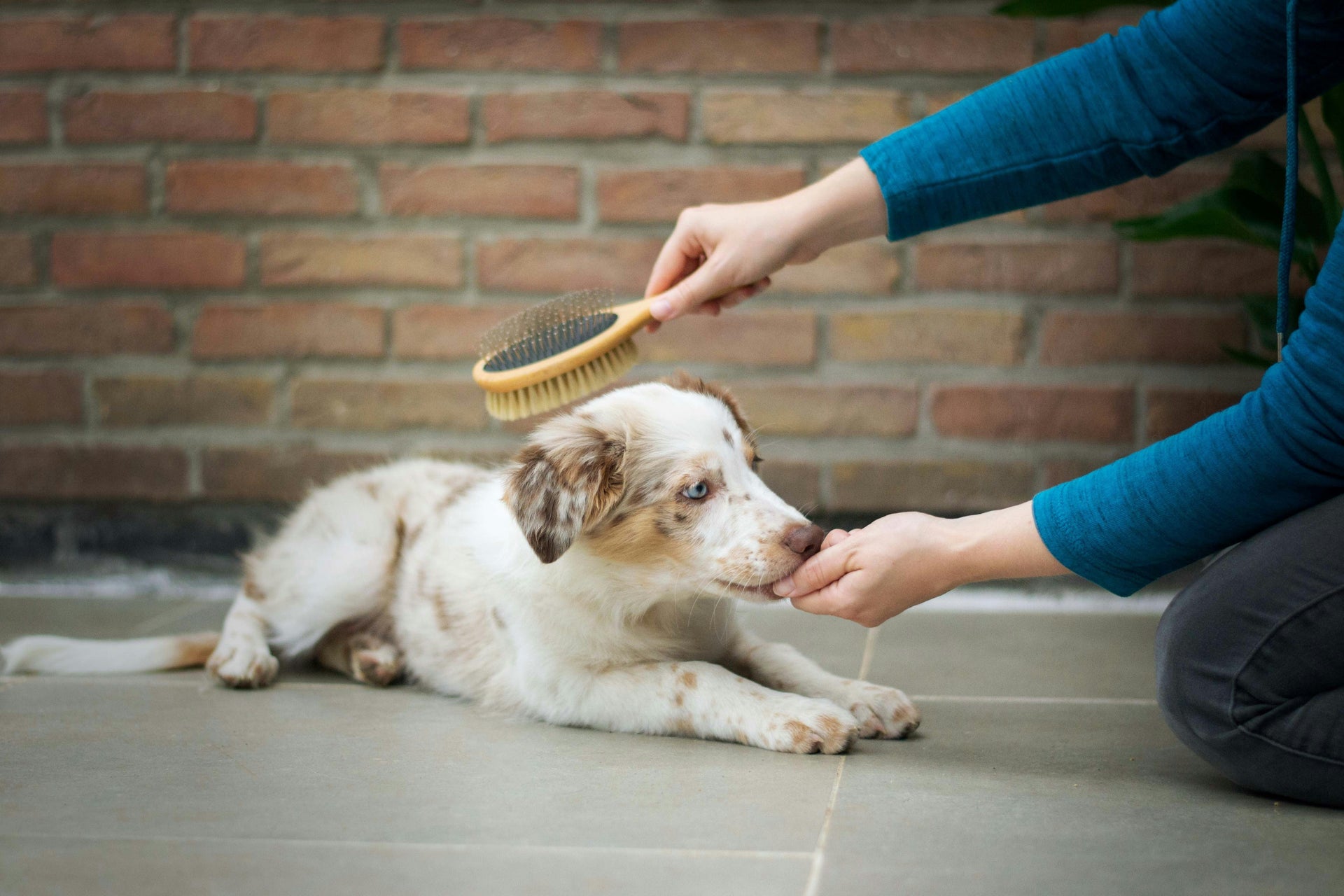
If you’ve ever watched your dog gleefully run through a muddy puddle or roll in the grass, you know how much they love getting dirty. But keeping your furry friend clean is essential for their health and happiness.
Brushing your dog isn’t just about maintaining a shiny coat; it’s a bonding experience that can strengthen your relationship. You might think, “How do I start? ” Or “Am I doing this right? ” Don’t worry—you’re not alone in wondering about the best way to brush your dog.
In this guide, we’ll show you the simple steps to make grooming a fun, stress-free activity for both you and your canine companion. By the end, you’ll feel confident and ready to tackle those tangles head-on. So, let’s dive in and discover how brushing can become your dog’s favorite part of the day!
Choosing The Right Brush
Choosing the right brush for your dog is essential. It ensures their coat stays healthy and shiny. Different dogs need different brushes based on their fur type. Selecting the wrong brush can cause discomfort or harm. Let’s explore how to make the best choice.
Types Of Brushes
There are several types of dog brushes available:
- Slicker Brush:Ideal for removing tangles and loose fur. Great for dogs with medium to long hair.
- Bristle Brush:Suitable for short-haired breeds. Helps distribute natural oils and keeps the coat smooth.
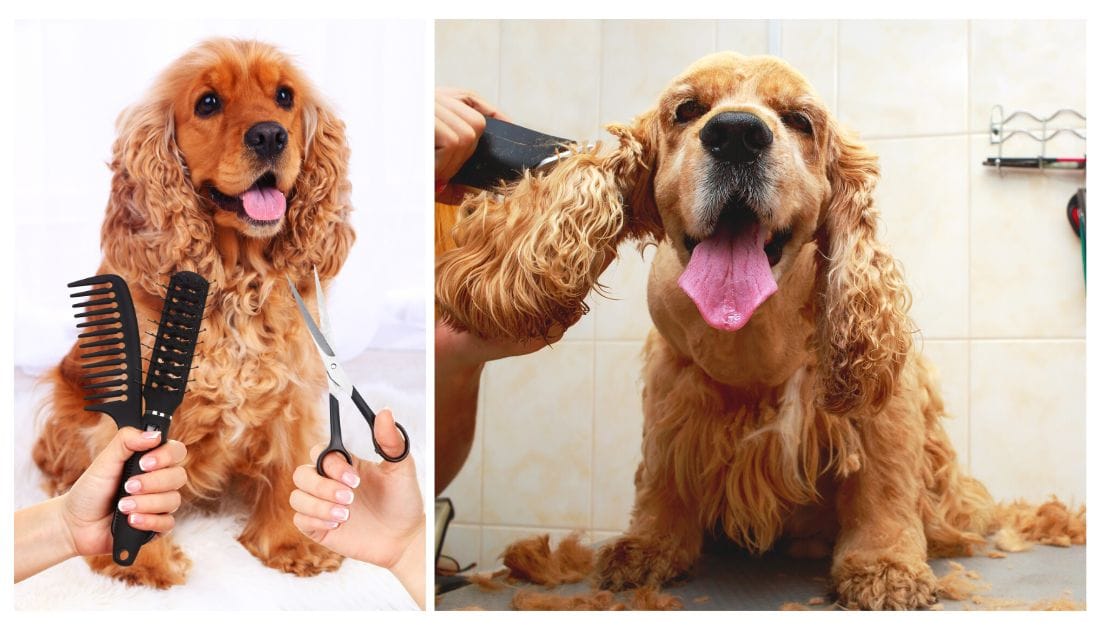
- Pin Brush:Works well for dogs with longer coats. It gently detangles and removes debris.
- Rubber Brush:Perfect for shedding short-haired dogs. It massages the skin and removes loose hair.
Brush Material Considerations
Material matters when selecting a brush. Brushes come in different materials like plastic, metal, or wood. Each has its benefits.
- Plastic Brushes:Lightweight and easy to clean. They are often more affordable.
- Metal Brushes:Durable and effective for tough tangles. Ensure they are gentle to avoid scratching the skin.
- Wooden Brushes:Eco-friendly and offer a sturdy grip. They are often preferred for their natural feel.
Choosing the right brush material can improve your grooming experience. Always pick a brush that suits your dog’s specific needs.
Understanding Your Dog’s Coat
Brushing your dog regularly keeps their coat healthy and shiny. Choose the right brush for your dog’s specific fur type. Gently brush in the direction of hair growth to remove loose hair and prevent tangles.
Understanding Your Dog’s Coat Every dog has a unique coat that requires special attention. Knowing the type of coat your dog has is crucial to providing the best grooming experience. This understanding helps in selecting the right tools and methods for brushing, keeping your furry friend happy and healthy.Coat Types
Dogs come with a variety of coat types, each demanding different care. From smooth and silky coats to dense and curly ones, the variety is vast. A Labrador, for example, has a short, dense coat, while a Poodle boasts a curly, hypoallergenic coat. Your dog’s coat type determines how often you should brush them. Smooth coats might need weekly brushing, while long-haired breeds might require daily care. Observing your dog’s coat can guide you in choosing the right brush.Shedding Patterns
Understanding your dog’s shedding pattern is vital. Dogs like Huskies shed heavily twice a year, known as “blowing their coat.” Meanwhile, some breeds like the Maltese shed minimally but require regular grooming to prevent mats. Keeping track of shedding patterns helps you manage shedding efficiently. It also allows you to prepare for peak shedding seasons. Have you noticed your dog’s shedding pattern? Tailoring your brushing routine to match their shedding can make a significant difference.Preparing Your Dog For Brushing
Brushing your dog is more than just grooming. It’s a bonding time. Preparing your furry friend for this activity is crucial. A well-prepared dog enjoys the process and stays calm. This ensures effective brushing without stress. Let’s explore ways to prepare your dog for brushing.
Creating A Calm Environment
A calm atmosphere is key. Choose a quiet room away from noise. Soft music can help soothe your dog. Avoid sudden movements. Speak in a gentle voice. These actions can reduce anxiety. Your dog will feel safe and relaxed.
Setting Up A Comfortable Space
Your dog needs a cozy spot for brushing. Use a soft mat or towel. Ensure the area is clean and spacious. A comfortable place encourages cooperation. Keep grooming tools within reach. This setup makes brushing easy and enjoyable.
Credit: www.facebook.com
Frequently Asked Questions
How Often Should You Brush Your Dog?
Brushing frequency depends on your dog’s breed and coat type. Generally, dogs should be brushed at least once a week. Long-haired breeds may require daily brushing to prevent tangles. Regular brushing helps keep your dog’s coat healthy and reduces shedding.
It also provides an opportunity to check for skin issues.
What Tools Do You Need For Dog Brushing?
You’ll need a brush suited to your dog’s coat type, such as a slicker brush or bristle brush. For dogs with thick coats, a deshedding tool might be necessary. Additionally, having a comb for detangling can be helpful. Ensure your tools are comfortable for you and your pet.
How Do You Brush A Dog That Hates It?
Start by making brushing a positive experience with treats and praise. Begin slowly, allowing your dog to get used to the brush. Gradually increase brushing time as your dog becomes more comfortable. Be gentle and patient, stopping if your dog becomes stressed.
Consistency and calmness are key.
Can Brushing Help With Dog Shedding?
Yes, regular brushing can significantly reduce shedding by removing loose fur and preventing mats. It helps distribute natural oils, keeping the coat healthy. Use a brush suitable for your dog’s coat type. Brushing also minimizes the amount of hair in your home, making it cleaner and more comfortable.
Conclusion
Brushing your dog keeps their coat healthy and shiny. It helps remove dirt and loose fur. Regular brushing also strengthens your bond with your pet. Choose the right brush for your dog’s fur type. Be gentle and patient during grooming sessions.
Start slowly if your dog is new to brushing. With time, they will enjoy it. Consistency is key for good grooming habits. Happy dog, happy owner. Remember, grooming is a part of caring. Keep your furry friend looking and feeling their best.
Your dog deserves it. Enjoy your time grooming together!

Similar Posts