How to Calm a Reactive Dog on a Walk: Expert Tips
Senior Canine Nutritionist & Dog Behavior Specialist at Cozy Dog Go Wellness Lab
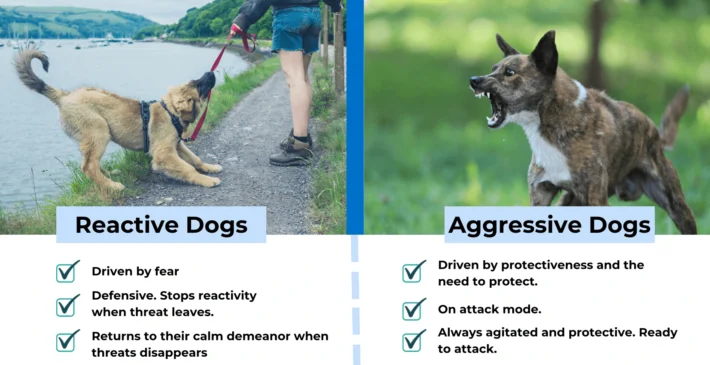
Walking your dog should be a relaxing experience, but if your furry friend is reactive, it can turn into a stressful event for both of you. Does your dog bark excessively or lunge at other dogs or people during walks?
You’re not alone, and there is hope. Imagine the peace of strolling with your dog without the constant worry of an unexpected outburst. In this guide, you’ll discover practical strategies to help your dog stay calm and focused during walks.
These tips are designed to transform your walks into enjoyable moments, strengthening the bond between you and your dog. Read on to uncover the secrets to a more serene walking experience.
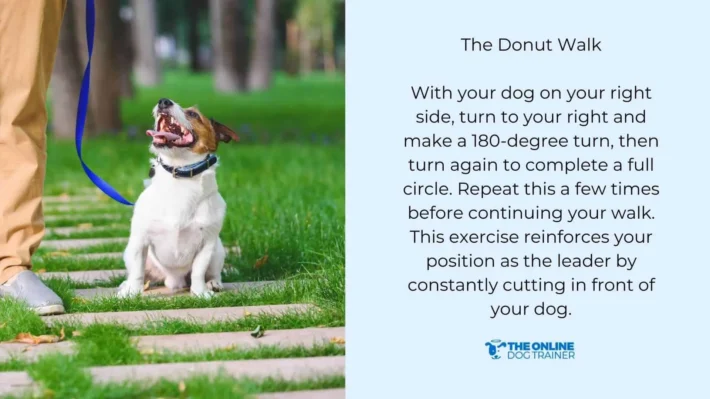
Credit: theonlinedogtrainer.com
Understanding Reactive Behavior
Reactive dogs often display anxiety on walks. Stay calm and use soothing words. Distract with treats and focus on positive reinforcement to ease their stress.
Understanding why your dog reacts the way it does during walks is crucial for fostering a calm and enjoyable experience for both of you. Reactive behavior in dogs can often be misunderstood, and recognizing the underlying causes can help you address them effectively. By gaining insight into your dog’s mind, you can transform your walks into peaceful and rewarding adventures.Identifying Triggers
Every reactive dog has unique triggers that set off their behavior. These can be other dogs, people, bicycles, or even loud noises. Have you noticed what makes your dog bark or lunge? Keeping a journal of these incidents can provide clarity. Document the environment, time of day, and specific trigger. Patterns will emerge, helping you anticipate and manage future reactions.Common Signs Of Reactivity
Recognizing the signs of reactivity is the first step in addressing it. Does your dog’s body stiffen or ears perk up? These subtle cues often precede more obvious behaviors like barking or lunging. Pay attention to your dog’s breathing and tail position. Rapid breathing and a rigid tail can signal distress. Early intervention when these signs appear can prevent escalation and keep your walks calm. Consider the last time your dog reacted. Did you notice any of these signs beforehand? Reflecting on past experiences can sharpen your ability to spot early warnings.Preparation Before The Walk
Preparing for a walk with a reactive dog is crucial to ensuring a calm and pleasant experience for both you and your furry friend. Anticipating potential challenges and equipping yourself with the right tools can make all the difference. Let’s dive into the essential steps to take before heading out the door.
Choosing The Right Equipment
Start by selecting gear that gives you control and comfort. A sturdy leash and a well-fitted harness can prevent sudden lunges. Opt for a harness with a front clip to discourage pulling and improve steering.
Consider a leash with a padded handle for comfort during longer walks. You might be surprised how a simple change in equipment can alter your dog’s behavior.
Reflect on your dog’s needs. Would a head collar provide better guidance and calming effects? Think about how your dog reacts and choose accordingly.
Training And Conditioning
Before heading out, spend time training and conditioning your dog to respond positively to various cues. Reinforce basic commands like sit, stay, and leave it.
Introduce short, controlled walks in low-distraction areas. Gradually increase the exposure to stimuli, rewarding calm behavior.
Engage in positive reinforcement. Celebrate small wins and build your dog’s confidence. Are you ready to see your dog’s progress in action?
Preparation might seem overwhelming, but it’s your secret weapon. Have you considered how your efforts before the walk can transform the experience?
During The Walk
Calming a reactive dog during a walk involves staying calm and maintaining a steady pace. Use treats to distract and reward positive behavior. Practice patience and ensure the dog feels safe and secure in different environments.
During a walk, managing a reactive dog can feel like a daunting task. But with the right strategies, you can transform this challenging experience into a bonding opportunity. You might wonder how you can effectively communicate with your dog to keep both of you relaxed and enjoy the walk. Let’s dive into some practical approaches to achieve that calm and connection.Maintaining Calmness
Maintaining your own calmness is crucial. Your dog senses your emotions, and they can be contagious. If you feel tense, your dog might mirror that tension. Take deep breaths and focus on being relaxed. Use gentle touch to reassure your dog. A calm pat or stroke can work wonders in soothing them. Keep your movements slow and deliberate to signal tranquility. Remember, your dog looks to you for cues. If you react calmly to triggers, they’ll learn to follow suit. How you handle stressful situations can be a powerful lesson for your canine companion.Effective Communication
Communication is key to managing a reactive dog on a walk. Use simple and consistent commands to guide your dog’s behavior. Words like “sit,” “stay,” and “leave it” can be very effective if used correctly. Body language speaks volumes. Make sure your posture is confident yet relaxed. Avoid staring directly at your dog; instead, use peripheral vision to monitor their actions. Consider using a clicker or specific sound to reinforce positive behavior. These tools can be very effective in redirecting focus and rewarding calm actions. Would you be surprised to know that dogs can pick up on your tone of voice? Speak in a calm, soothing manner to maintain their relaxed state. Your voice can be an anchor during moments of distraction. By adopting these strategies during your walk, you might just find the journey more enjoyable, strengthening your bond and building trust with your furry friend.Techniques To Manage Reactivity
Teaching a dog to focus on you can help calm it during walks. Use treats to reward good behavior. Consistent training builds trust and reduces anxiety.
Techniques to manage reactivity in dogs can transform your walks. These techniques help you and your dog enjoy outings. Each method focuses on handling your dog’s reactions.Redirecting Focus
Redirecting your dog’s focus is key. Use toys or treats to gain attention. A squeaky toy can work wonders. Keep it handy during walks. Offer it before your dog reacts to triggers. This shifts their attention away from distractions. For visual stimuli, use your body to block their view. Stand between your dog and the trigger. This helps them stay calm. With practice, they’ll learn to look at you instead.Using Positive Reinforcement
Positive reinforcement encourages desired behaviors. Reward your dog for calm behavior. Use treats or verbal praise. Start with small distractions. Gradually increase difficulty as they improve. Consistency is crucial. Reinforce the behavior every time. This builds a positive association with staying calm. Over time, your dog will learn to react less. Incorporate praise into daily routines. This strengthens their positive behavior. They’ll soon understand calmness leads to rewards.Post-walk Strategies
After a walk with a reactive dog, it’s crucial to have strategies in place to ensure progress and maintain calm. These post-walk strategies help assess the effectiveness of the walk and make necessary adjustments for future outings. The goal is to reinforce positive behaviors while minimizing triggers for reactivity. By focusing on progress evaluation and training adjustments, dog owners can enhance their dog’s walking experience.
Evaluating Progress
Take a few minutes to reflect on the walk. Did your dog show signs of improvement? Notice if they reacted less to common triggers. Note any changes in their behavior. Keep a journal of each walk’s highlights. This helps track patterns over time. Consider the dog’s body language during the walk. Were they more relaxed or tense? A calm demeanor is a positive sign. Consistent evaluation helps in understanding what’s working.
Adjusting Training Techniques
If progress is slow, rethink training methods. Identify triggers that caused reactions. Adjust the approach to minimize these triggers. Use positive reinforcement to encourage calm behavior. Reward your dog when they remain calm. Implement new techniques gradually. Experiment with different methods to see which yields the best results. Consult a professional trainer if needed. Tailor strategies to your dog’s specific needs.

Credit: www.thetrainingofdogs.com
Expert Insights And Recommendations
Expert dog trainers suggest starting with calm energy to ease a reactive dog during walks. Consistent practice with positive reinforcement helps manage triggers effectively.
In calming a reactive dog during walks, expert insights are invaluable. Professionals offer strategies tailored to each dog’s needs. Understanding these recommendations can help manage your dog’s behavior effectively. Below, explore professional training options and understand when it’s time to seek help.Professional Training Options
Professional dog trainers specialize in behavior correction. They use proven methods to address reactivity. Positive reinforcement is a common strategy. It rewards calm behavior, encouraging your dog to remain relaxed. Trainers may also employ desensitization techniques. This involves gradual exposure to triggers. Over time, your dog learns to stay calm in previously stressful situations. Some trainers offer group classes. These classes provide controlled environments for socialization. They help your dog learn to interact calmly with others.When To Seek Help
Consider professional help if your dog’s reactivity worsens. Frequent outbursts can indicate deeper issues. Also, seek help if your dog’s behavior poses safety risks. Uncontrolled reactivity might lead to accidental injuries. If previous methods haven’t worked, a professional may offer new insights. They can assess your dog’s unique triggers and responses. Consulting a veterinarian can also be beneficial. Sometimes, reactivity stems from health issues. A vet can rule out medical causes, ensuring a comprehensive approach.
Credit: pupford.com
Frequently Asked Questions
What Causes A Dog To Be Reactive On Walks?
Reactive behavior in dogs during walks often stems from fear, anxiety, or overstimulation. Dogs may react to unfamiliar people, other dogs, or loud noises. Understanding these triggers can help manage their behavior more effectively. Consistent training and positive reinforcement are essential to reduce reactivity and improve their walking experience.
How Can You Train A Reactive Dog To Be Calm?
Training a reactive dog requires patience and consistency. Start with basic commands in a quiet environment. Gradually introduce distractions and reward calm behavior. Use positive reinforcement, such as treats or praise, to encourage desired actions. Consistent practice can help your dog become more relaxed during walks.
Are There Calming Aids For Reactive Dogs?
Yes, there are calming aids for reactive dogs. Options include calming collars, anxiety wraps, and natural supplements. Consult your veterinarian before using any products to ensure they are safe for your dog. Additionally, regular exercise and mental stimulation can help manage your dog’s anxiety.
How Do I Safely Handle A Reactive Dog On Walks?
Handling a reactive dog on walks requires preparation and vigilance. Use a sturdy leash and harness for control. Avoid crowded areas and keep a safe distance from triggers. Redirect their focus with treats or toys. Gradually expose them to triggers in controlled settings to build tolerance.
Conclusion
Calming a reactive dog takes patience and consistency. Practice makes progress. Use gentle commands and rewards. Stay calm yourself. Dogs sense your energy. Keep walks short at first. Gradually increase time. Avoid crowded places until your dog improves. Celebrate small victories.
Every step counts. Build trust with your dog. Remember, it’s a journey. Not a race. Your bond will grow stronger. With time, walks will become enjoyable. Your dog will feel more relaxed. You both will. Enjoy the journey together. Happy walking!

Similar Posts