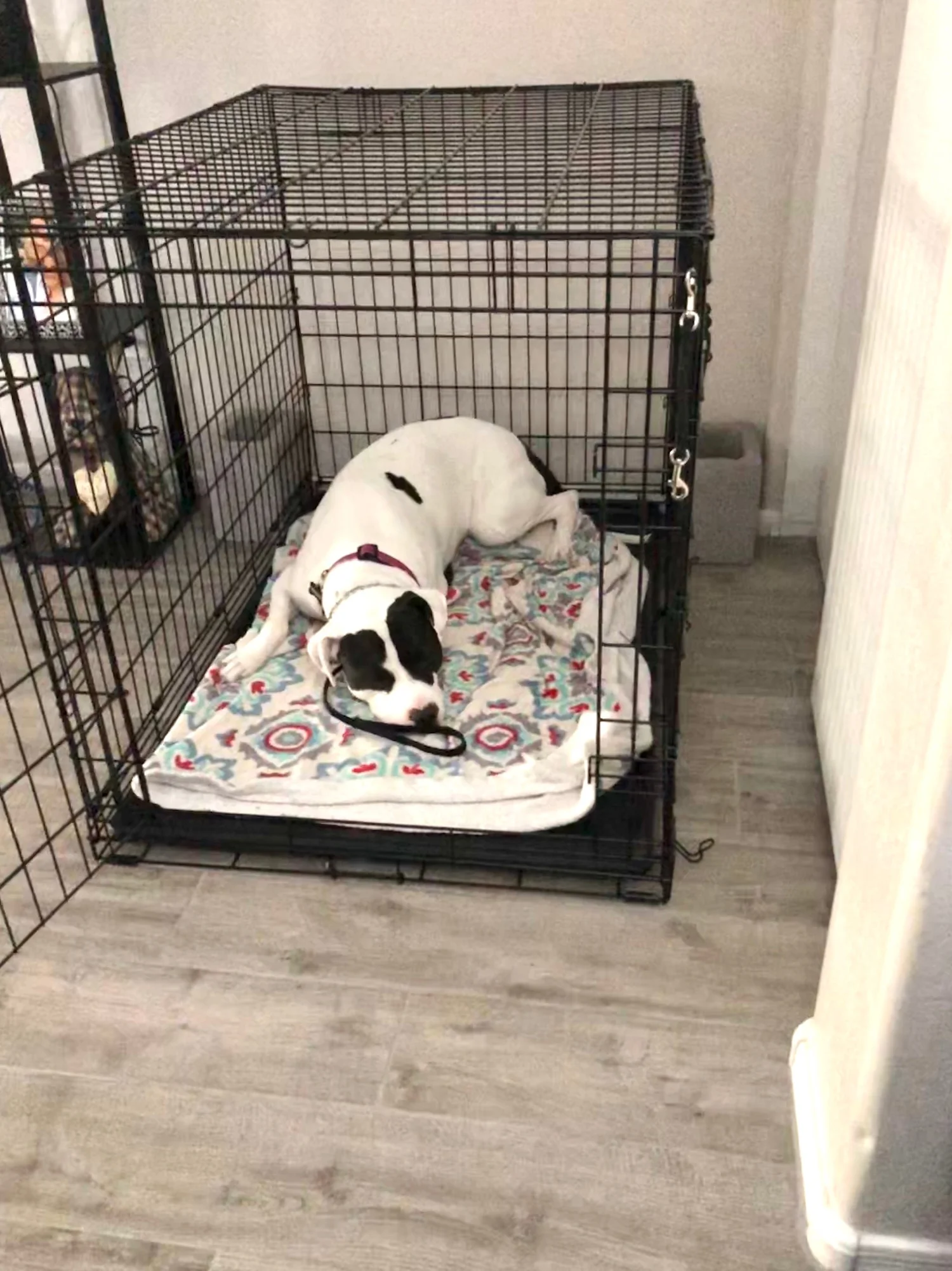
How to Crate Train an Older Dog: Proven Techniques
Senior Canine Nutritionist & Dog Behavior Specialist at Cozy Dog Go Wellness Lab

Crate training isn’t just for puppies; it can be a game-changer for older dogs too. If you’re feeling overwhelmed by the idea of introducing a crate to your seasoned companion, you’re not alone.
Many dog owners share your concerns, wondering if it’s too late or too difficult. But here’s the good news: it’s never too late to start crate training your older dog, and it can actually bring both of you peace of mind.
Imagine coming home to a clean house, free of chewed-up shoes or unexpected messes. Picture your dog feeling secure and happy, viewing their crate as a cozy retreat rather than a cage. This transformation is entirely possible, and it starts with understanding your dog’s unique needs and tailoring the training process to fit them. You might worry about your dog resisting the change, but with the right approach, patience, and a little bit of strategy, you can turn the crate into their new favorite spot. Ready to discover the step-by-step guide to making this transition smooth and stress-free? Let’s dive in and unlock the secret to successful crate training for older dogs.
Credit: cincinnatianimalcare.org
Monitoring Progress
Monitoring progress is crucial when crate training an older dog. Track behavioral changes and adjust strategies accordingly. Celebrate small successes to motivate and reinforce positive habits.
Monitoring your dog’s progress during crate training is key to ensuring a smooth transition. Observing how your older dog adapts can give you valuable insights into their comfort and readiness. You might be surprised at how quickly they adjust or identify areas where they need extra help.Signs Of Comfort
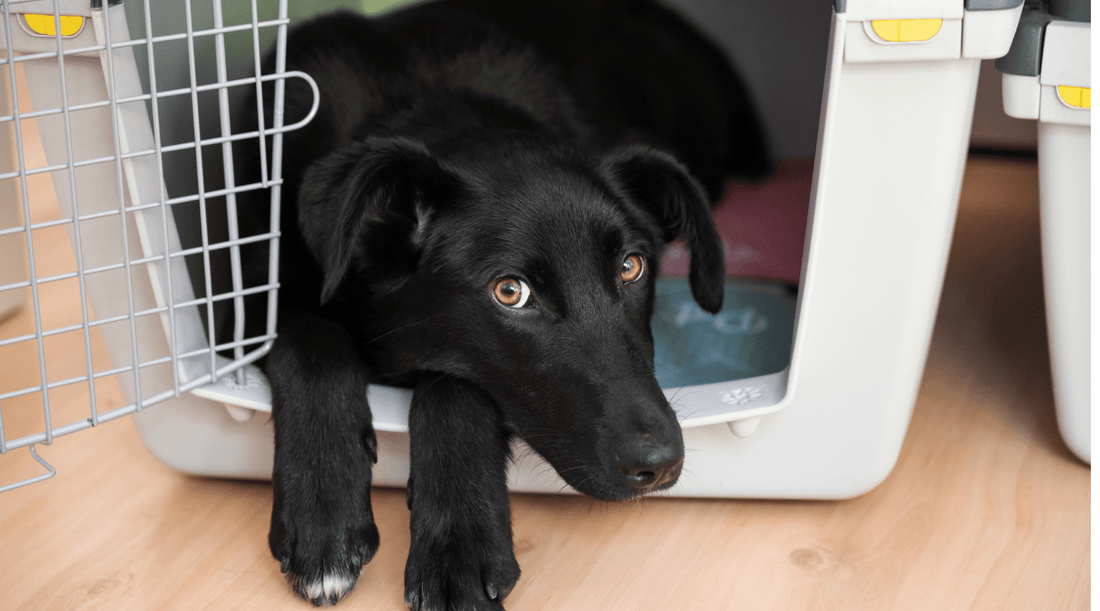
Watch for signs that your dog is becoming comfortable in the crate. Do they enter voluntarily, or are they still hesitant? A relaxed body posture, wagging tail, or even a nap inside are all positive indicators. If your dog whines or scratches at the door, it may mean they need more time or encouragement.Adjusting Techniques
If progress stalls, consider adjusting your approach. Is the crate in a noisy area? Try moving it to a quieter spot. Experiment with different bedding or toys inside the crate to make it more inviting. Sometimes, a simple tweak can make a big difference in their comfort level.Celebrating Milestones
Every small victory deserves recognition. Did your dog spend an hour in the crate without fuss? That’s worth celebrating! Rewarding them with praise or a treat can reinforce positive behavior. How can you make these milestones more meaningful for your dog?Frequently Asked Questions
How Long To Crate Train An Older Dog?
Crate training an older dog can take a few weeks. Consistency and patience are key. Start with short periods and gradually increase time. Each dog is unique, so adapt the process as needed. Positive reinforcement helps in making crate training a positive experience.
Can Older Dogs Learn Crate Training Easily?
Yes, older dogs can learn crate training with patience. They might take longer due to established habits. Use positive reinforcement to encourage them. Consistency is essential. Understand your dog’s comfort level and adjust the training pace accordingly. Gradual introduction to the crate can make the process smoother.
What Size Crate Is Best For Older Dogs?
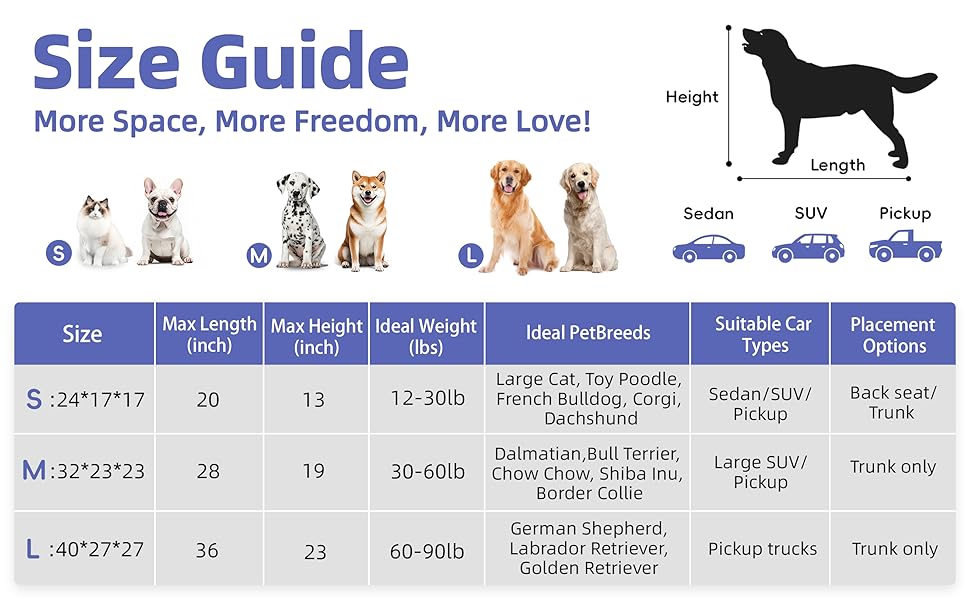
Choose a crate that allows your dog to stand and turn comfortably. It shouldn’t be too large to avoid using it as a bathroom. Ensure it’s cozy and secure. Measure your dog and select a crate that fits their size.
Comfort is crucial for successful crate training.
Is It Cruel To Crate Train Older Dogs?
No, it’s not cruel if done correctly. Crate training offers a safe space and can reduce anxiety. Ensure the crate is comfortable and not used for punishment. Positive reinforcement and gradual introduction are essential. The crate should be a place of comfort and security for your dog.
Conclusion
Crate training an older dog takes patience. A gentle approach works best. Consistency is key. Small steps lead to big progress. Create a positive environment for your dog. Use treats and praise often. Comfort and safety matter in crate training.
Avoid rushing the process. Each dog learns at its own pace. Building trust is essential. Crate training benefits both you and your dog. A happy, secure dog is the goal. Remember, every dog can learn new habits. With time, older dogs will embrace their crate.
Enjoy the journey with your furry friend.

Similar Posts