How to Get a Dog to Stop Barking in Crate: Proven Tips
Does your dog’s barking in the crate drive you up the wall? You’re not alone.
Many dog owners face the relentless noise and wonder if peace and quiet will ever return. The good news? You can teach your dog to stop barking in the crate, and it might be easier than you think. Imagine the tranquility of a silent home, where your dog is content and calm.
Doesn’t that sound appealing? In this guide, we’ll explore simple yet effective strategies to help you regain control and restore harmony. Get ready to discover the secrets to a peaceful household, and say goodbye to constant barking chaos. Keep reading to transform your and your dog’s life for the better.
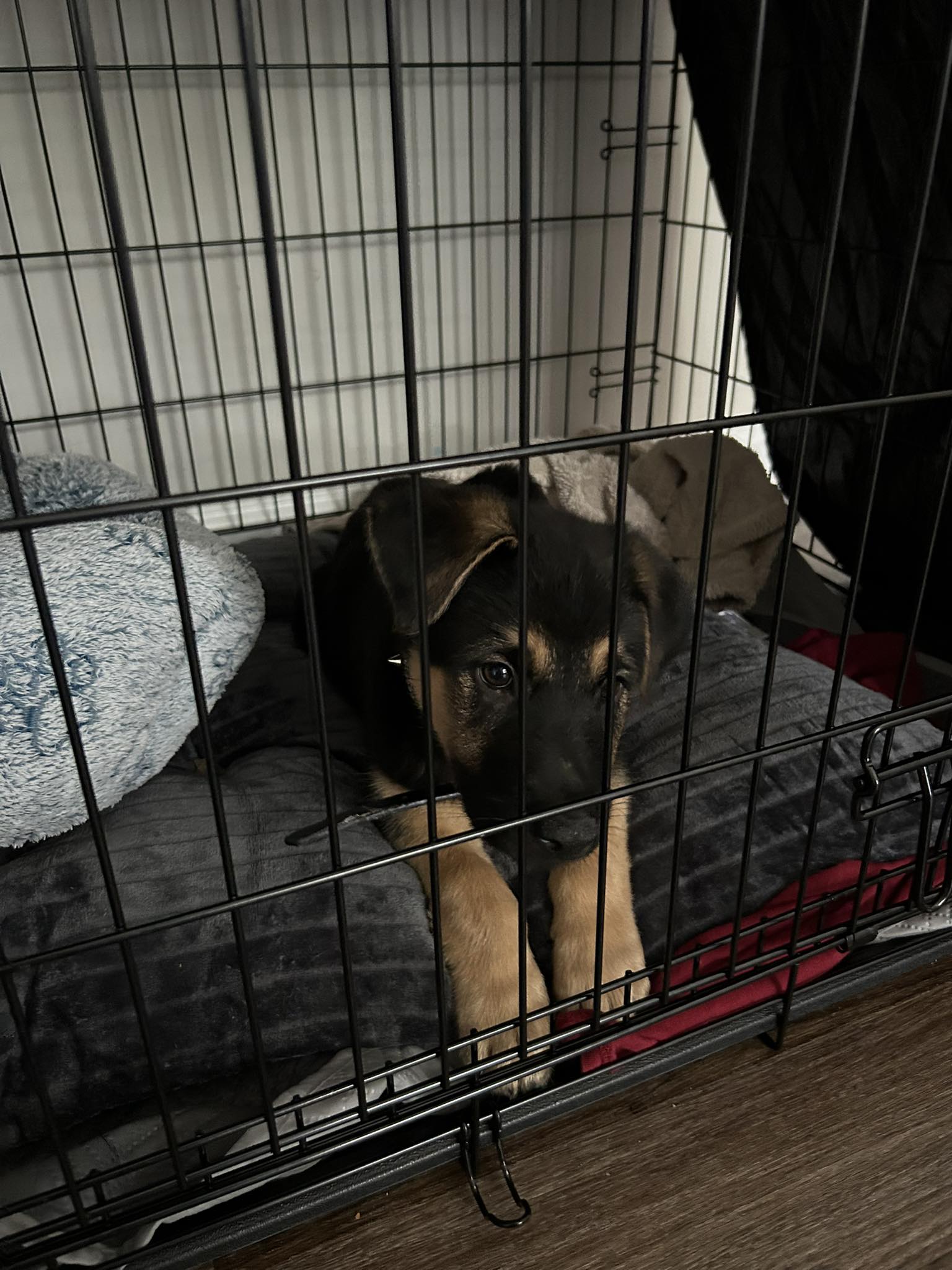
Credit: www.facebook.com
Understanding Barking Triggers
Understanding barking triggers helps in calming a dog in a crate. Recognize stress signals and provide comfort. Create a peaceful environment to ease anxiety and reduce barking.
Understanding why your dog barks in their crate is key to addressing the behavior. Dogs bark for various reasons, and identifying these triggers can help you take effective action. Let’s explore some common reasons behind crate barking.Fear And Anxiety
Many dogs experience fear or anxiety when left alone in their crate. This could stem from past experiences or simply the feeling of confinement. Does your dog seem nervous when you leave the room? Consider gradually acclimating them to the crate. Start with short periods and gradually increase the time. Providing a safe, comforting environment can ease their anxiety.Need For Attention
Dogs are social creatures and crave interaction. Sometimes barking is their way of saying, “Hey, don’t forget about me!” If your dog quiets down when you return, it might be an attention-seeking behavior. Try to avoid reinforcing this by giving attention only when they are calm.Physical Discomfort
Is your dog comfortable in their crate? Check that the bedding is soft and there’s enough space for them to move. If your dog is barking excessively, it might be due to hunger, thirst, or needing a bathroom break. Ensure their basic needs are met before crate time. Understanding these triggers allows you to cater to your dog’s needs, leading to a quieter, happier environment for both of you.
Credit: www.tiktok.com
Creating A Comfortable Crate Environment
Creating a calm crate environment can help stop barking. Introduce toys to keep your dog entertained. Use soft bedding for comfort and warmth, ensuring your dog feels secure and relaxed.
Creating a Comfortable Crate Environment When you aim to reduce your dog’s barking in the crate, creating a comfortable environment is crucial. A well-designed space can make your dog feel at ease, minimizing anxiety and excessive barking. It’s about turning the crate into a sanctuary rather than a cage. Let’s dive into some practical ways to achieve this.Choosing The Right Size
Selecting the appropriate crate size is foundational. It should be spacious enough for your dog to stand, turn around, and lie down comfortably, but not too large that they feel lost or insecure. Imagine trying to relax in a room that’s too big or too small—it’s unsettling, right? Find that sweet spot for your furry friend. Many pet stores offer adjustable crates to accommodate growing puppies.Adding Soft Bedding
Think about the last time you laid on a hard surface; it wasn’t pleasant. Soft bedding can transform the crate into a cozy haven. Consider plush blankets or a dog bed that fits snugly inside the crate. The softness provides warmth and comfort, helping your dog associate the crate with positive experiences. A comfortable bed can be just as crucial for your dog as it is for you after a long day.Ensuring Proper Ventilation
Proper ventilation is often overlooked but is essential for a comfortable crate environment. Ensure the crate has ample openings or mesh panels for airflow. A well-ventilated space prevents overheating and keeps the air fresh, contributing to a calm atmosphere. Ask yourself: wouldn’t you be irritated in a stuffy room? Your dog feels the same. Regularly check that the crate’s ventilation is unobstructed to maintain a pleasant and safe space.Establishing A Crate Routine
Creating a consistent crate routine can help reduce barking. Begin with short crate sessions, gradually increasing the duration. Include toys and treats to comfort your dog, making the crate a positive space.
Establishing a Crate Routine Creating a crate routine is crucial for helping your dog feel secure and calm in their crate. This not only helps reduce barking but also fosters a sense of predictability and comfort. When your dog knows what to expect, they’ll be less anxious and more willing to settle down.Consistent Feeding Schedule
A consistent feeding schedule is the foundation of a good crate routine. Feed your dog at the same times each day to establish a rhythm. This predictability helps your dog anticipate crate time after meals, making transitions smoother. Consider pairing feeding times with positive crate associations. After your dog finishes eating, gently encourage them into the crate with a favorite toy or treat. Gradually, your dog will link meal times with crate relaxation.Regular Exercise
Regular exercise is essential for a calm and content dog. Ensure your dog gets plenty of physical activity before crate time. A tired dog is less likely to bark and more inclined to rest. Think about your dog’s energy needs. A brisk walk or play session before crating can work wonders. This physical outlet helps your dog release pent-up energy, leading to quieter and more settled crate experiences.Scheduled Crate Time
Scheduled crate time helps reinforce routine and predictability. Set specific times for your dog to be in the crate, aligning with your daily schedule. This creates a structured environment for your dog to adapt to. During scheduled crate time, maintain a calm demeanor. Your dog’s ability to relax hinges on your confidence and consistency. If you stay calm and assertive, your dog is more likely to mirror these traits, making crate time a peaceful experience.Using Positive Reinforcement
Teaching your dog to stop barking in the crate can be achieved with positive reinforcement. Reward silence with treats or praise, encouraging calm behavior. Gradually, your dog will associate quietness with rewards, reducing unwanted barking.
Using positive reinforcement is a highly effective way to encourage your dog to stop barking in the crate. It focuses on rewarding the behaviors you want to see more of, rather than punishing the undesirable ones. This approach not only helps in reducing barking but also strengthens the bond between you and your furry friend.Reward Quiet Behavior
Catch your dog when they’re being quiet and calm in the crate. This might mean sitting silently nearby, waiting for them to settle down. Once they’re quiet, offer them a treat or verbal praise. It’s crucial to reward them immediately, so they associate the quiet behavior with positive outcomes. Consistency is key; the more often you do this, the more your dog will learn that being quiet is rewarding.Introduce Treats And Toys
Keep the crate a fun and comfortable place by introducing treats and toys. A treat-dispensing toy can keep your dog occupied and content. Offer these items only when your dog is in the crate and not barking. This creates a positive association with being inside the crate, making it a place they want to be. Rotate toys regularly to keep things interesting and prevent boredom.Use Calming Commands
Teach your dog calming commands to help them relax. Commands like “quiet” or “settle” can be very effective. Start by using these commands when your dog is calm in other situations, then gradually introduce them in the crate. Be patient and use a calm voice, reinforcing the command with treats or affection when your dog responds. Over time, your dog will learn to associate these commands with relaxation and quietness. Have you ever noticed how your dog responds to your tone of voice? This can be a powerful tool in encouraging desired behavior.Addressing Anxiety And Stress
Helping your dog feel calm and secure in their crate is essential for reducing anxiety and stress-related barking. Dogs often bark due to fear or discomfort, which can be heightened in a confined space like a crate. Understanding and addressing these feelings will not only improve their crate experience but also strengthen your bond with them. Let’s explore some effective strategies to help your furry friend feel more at ease.
Gradual Desensitization
Start by introducing the crate as a positive space. Place their favorite toys and treats inside to create a welcoming environment. Allow your dog to explore the crate at their own pace without forcing them inside.
Gradually increase the time they spend in the crate while you’re nearby. This helps them associate the crate with safety and comfort. Consistency is key; make it a part of their daily routine to reduce anxiety over time.
Implementing Relaxation Techniques
Consider using calming music or white noise to soothe your dog. These sounds can help mask external noises that might trigger barking. Additionally, soft lighting in the room can create a peaceful atmosphere.
Practice deep breathing exercises with your dog. Your calm demeanor can influence their behavior. Sometimes, a gentle massage or petting session can also work wonders in easing their stress.
Consulting A Professional
If your dog’s anxiety persists, seeking guidance from a professional trainer or behaviorist can be invaluable. They can provide personalized strategies tailored to your dog’s specific needs.
Professional trainers often have experience in handling various breeds and temperaments. Their insights can offer a fresh perspective, helping you address the root of the anxiety effectively.
Monitoring And Adjusting Techniques
Observe your dog’s behavior and identify triggers causing crate barking. Gradually adjust the environment to minimize disturbances and promote calmness. Consistency in training helps reinforce quiet behavior over time.
Monitoring and adjusting techniques are crucial when you’re trying to get your dog to stop barking in the crate. It’s important to pay close attention to your dog’s behavior and be willing to adapt your approach. By doing so, you can ensure that your training efforts are successful and that your dog feels comfortable and secure.Observing Behavioral Changes
Start by keeping a close eye on your dog’s reactions when they’re in the crate. Notice if there are specific triggers that cause them to bark more than usual. It could be noises from outside, separation anxiety, or simply needing more exercise. Consider keeping a journal to track these behaviors. Noticing patterns will help you understand what’s causing the barking. This insight is vital as it guides you in making the necessary adjustments to your approach.Adjusting Strategies As Needed
Once you’ve identified potential triggers, tweak your strategies accordingly. If your dog barks due to external noises, consider relocating the crate to a quieter area. Alternatively, if separation anxiety seems to be the issue, gradually increase the time your dog spends alone. Adjusting your approach doesn’t mean starting from scratch. Small changes can make a big difference in reducing barking. Be patient and willing to experiment with different techniques until you find what works best for your furry friend.Keeping Consistent Progress
Consistency is key in any training routine. Stick to a regular schedule for crate time, feeding, and play. This helps your dog know what to expect and reduces anxiety. Celebrate small victories to keep yourself motivated. If your dog remains calm for a few minutes longer than before, that’s progress! Consistent effort will lead to lasting results, making both you and your dog happier in the long run. How will you ensure your dog feels secure and quiet in their crate? Your observations and adjustments hold the answer.
Credit: www.tiktok.com
Frequently Asked Questions
Why Does My Dog Bark In The Crate?
Dogs bark in crates due to anxiety or discomfort. They might feel trapped or unsure in a confined space. Ensure the crate is comfortable and introduce it gradually. Providing toys or treats can help create a positive association with the crate, reducing barking over time.
How Can I Make The Crate Comfortable?
To make the crate comfortable, use soft bedding and ensure the space is cozy but not cramped. Include favorite toys and blankets. Make sure the crate is in a quiet area, away from disturbances. Comfort and familiarity are key to reducing anxiety and excessive barking.
What Should I Do If Barking Persists?
If barking persists, consult a professional dog trainer or veterinarian. They can offer personalized advice and solutions. Sometimes, persistent barking may signal deeper issues like separation anxiety or medical concerns. A professional can help identify and address these underlying problems effectively.
Can Crate Training Help Reduce Barking?
Yes, crate training can help reduce barking by creating a positive association with the crate. Gradual exposure and rewarding calm behavior can ease anxiety. Consistent routines and patience are essential. A well-trained dog will see the crate as a safe space, minimizing unnecessary barking.
Conclusion
Teaching your dog to stop barking in the crate takes patience. Consistency matters most. Use positive reinforcement to encourage quiet behavior. Reward silence with treats or praise. Gradually increase crate time to build comfort. Ensure your dog’s needs are met before crating.
A tired dog barks less. Make sure their environment is cozy and secure. Understand what triggers barking and try to minimize it. With time and effort, your dog will feel calm. Remember, each dog learns at its own pace. Stay calm and patient throughout the process.
Happy training!