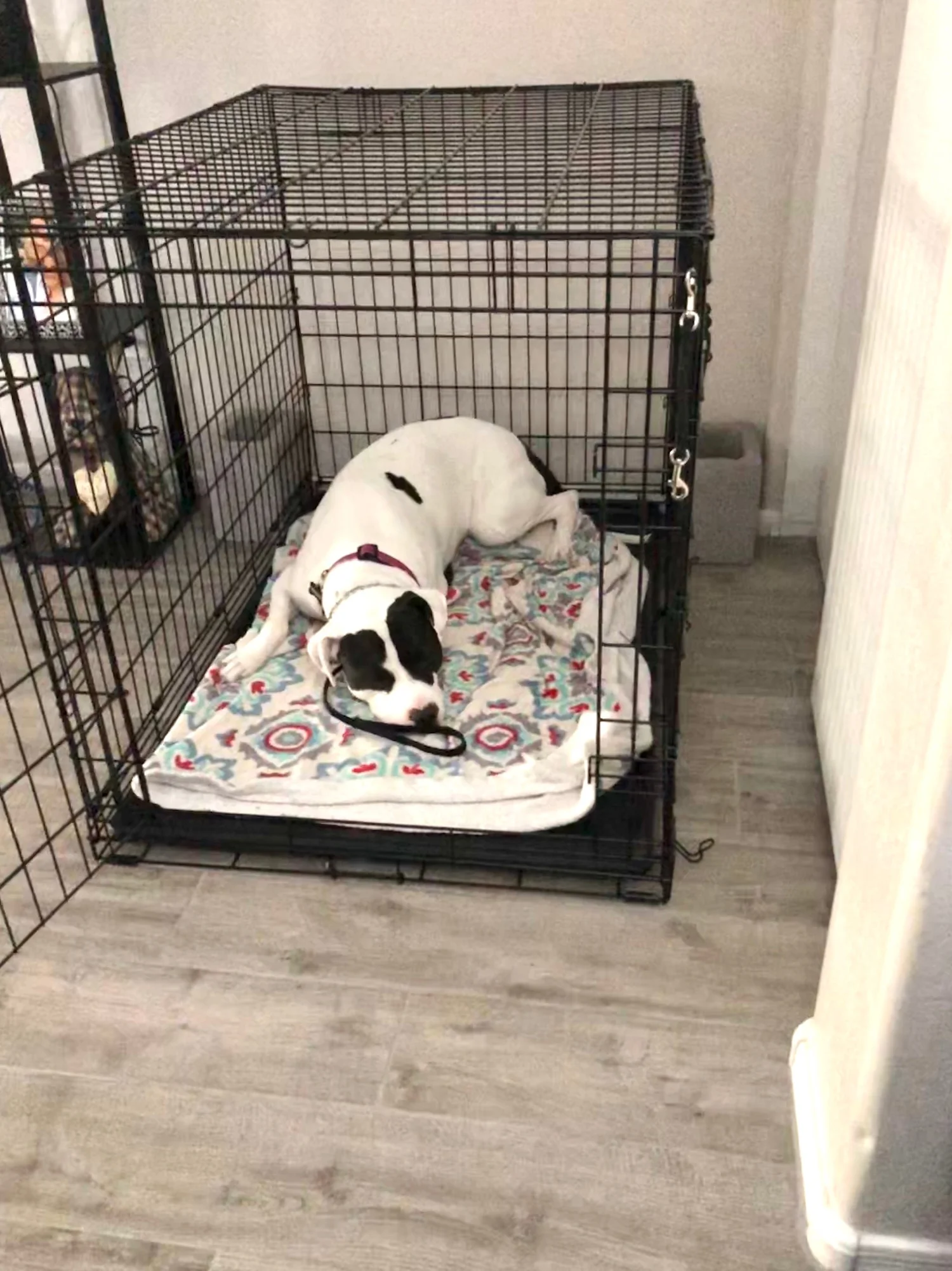
How to Get Dog to Stop Barking in Crate: Proven Tips
Senior Canine Nutritionist & Dog Behavior Specialist at Cozy Dog Go Wellness Lab

Do you find yourself frustrated with your dog’s constant barking while in the crate? You’re not alone.
Many pet owners struggle with this issue, feeling overwhelmed and unsure of how to restore peace and quiet in their homes. The good news is that there are effective strategies to help your dog feel more comfortable and secure, reducing the barking dramatically.
Imagine the relief of enjoying a quiet evening at home, knowing your dog is content and calm. You will discover practical tips that will not only stop the barking but also enhance the bond between you and your furry friend. Get ready to transform your home into a serene sanctuary for both you and your dog.
Understanding Your Dog’s Barking
Understanding your dog’s barking is crucial for effective crate training. Dogs bark for various reasons, and knowing these can help address the issue. Barking is a natural behavior, often used to express needs or emotions. Identifying why your dog barks in the crate is the first step to finding a solution.
Reasons For Barking In Crate
Dogs might bark in their crate due to discomfort or anxiety. They may feel isolated, leading to stress-induced barking. Some dogs bark because they need to relieve themselves, especially if they are young. Hunger can also be a reason, as can boredom if they lack stimulation. Understanding these reasons helps in addressing the barking effectively.
Identifying Barking Triggers
Observe your dog’s behavior to identify triggers. Notice if barking occurs when you leave the room. Check if it starts during specific times, like at night. Look for changes in the environment or routine. Loud noises or unfamiliar scents might disturb them. Identifying these triggers can guide you in creating a calm crate experience.
Creating A Comfortable Crate Environment
Creating a Comfortable Crate Environment Make the crate cozy with a soft bed and familiar toys. Provide a calming atmosphere with gentle music. Regularly reward quiet behavior with treats and praise to encourage a peaceful space.
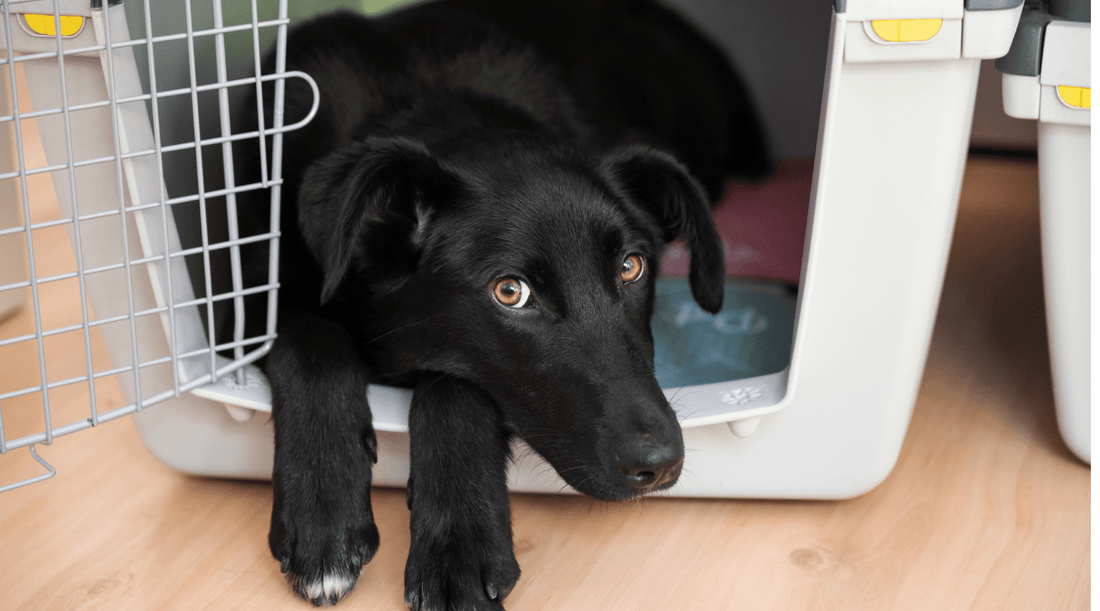
Creating a Comfortable Crate Environment A crate should be a safe haven for your dog. It must be welcoming and secure. A comfortable crate reduces stress and helps calm barking. Focus on creating a space your dog loves.Choosing The Right Crate
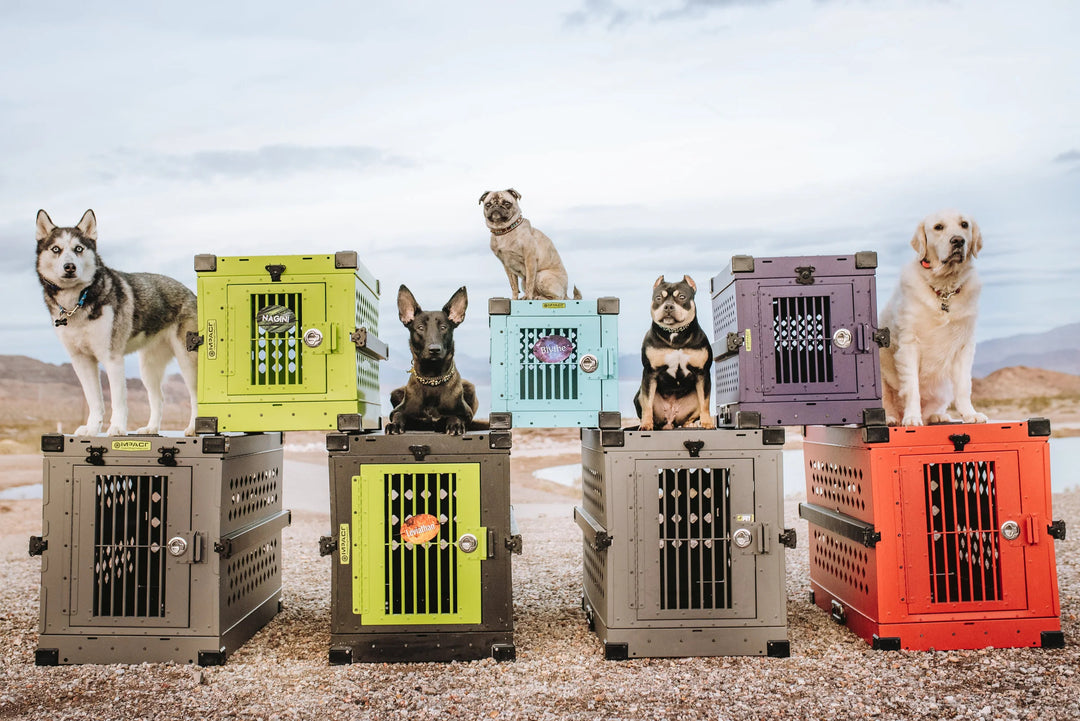
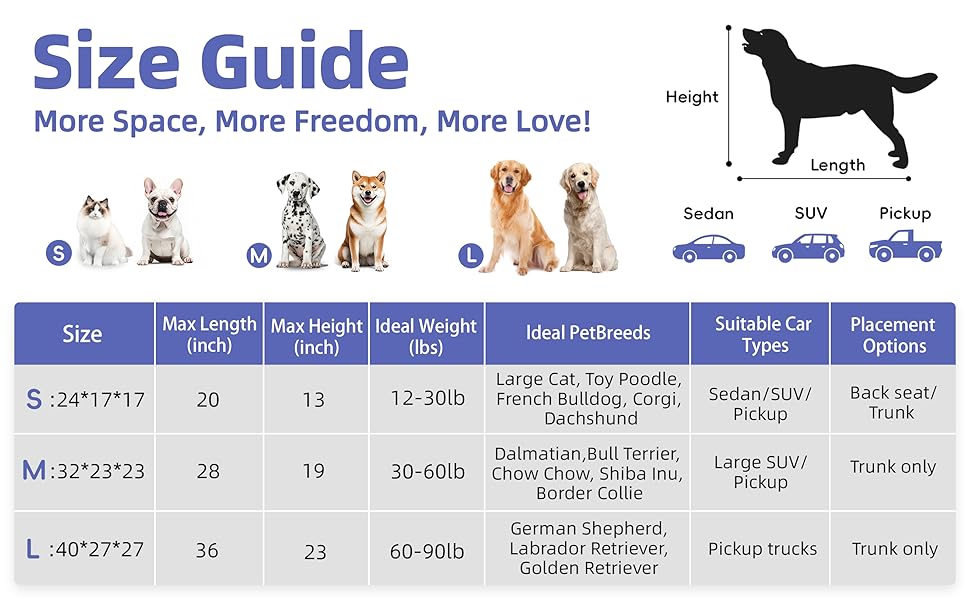
The right crate size is essential. Your dog should stand, turn, and lie comfortably. Too small a crate feels cramped, too large lacks coziness. Material matters too. Plastic crates offer privacy, while wire crates provide visibility and airflow.Making The Crate Inviting
Make the crate cozy with bedding. Soft blankets or a dog bed create comfort. Toys can keep your dog entertained. Choose chew-resistant toys to avoid mess. Place the crate in a quiet spot. Away from loud noises, it should feel peaceful. Scent can soothe your dog. Use a familiar object or your worn t-shirt. This brings comfort and reduces anxiety.Training Techniques For Reducing Barking
Crate training can help reduce a dog’s barking by creating a calm environment. Use positive reinforcement to encourage quiet behavior. Gradually increase crate time to build comfort and security.
Training your dog to stop barking in the crate can be challenging. Different techniques can help reduce this behavior effectively. Understanding your dog’s needs and using structured training will make the process smoother. Here are some proven methods to help your dog feel more comfortable and quiet in the crate.Positive Reinforcement Strategies
Positive reinforcement is a powerful tool in dog training. Rewarding your dog when they are quiet in the crate can encourage this behavior. Use treats or verbal praise to reinforce silence. This approach makes the crate a positive place. Always give rewards immediately after the desired behavior. Timing is crucial for effective training.Consistency In Training
Consistency helps your dog understand expectations. Set a regular schedule for crate time. Keep training sessions short but frequent. Regular practice helps reinforce positive behaviors. Stick to a routine to build trust and understanding. This steady approach reduces stress and confusion.Credit: www.facebook.com
Managing Anxiety And Stress
Calm your dog’s barking in the crate by creating a comfortable, safe space. Introduce toys and soothing sounds to ease anxiety. Consistent training and patience help manage stress effectively.
Managing anxiety and stress in dogs is crucial, especially when it comes to helping them feel at ease in their crate. Crates can be a source of comfort, but for some dogs, they trigger anxiety, leading to excessive barking. Understanding and addressing this anxiety can transform your dog’s crate experience from stressful to serene.Signs Of Anxiety In Dogs
Recognizing anxiety in your dog is the first step towards managing it. Does your dog pace back and forth or whimper when in the crate? These are common signs of anxiety. Other indicators include excessive drooling, panting, or even destructive behavior. If you notice these signs, your dog may be experiencing stress. Pay attention to your dog’s body language. Are their ears pinned back or tail tucked? These physical cues are essential in understanding their emotional state.Calming Techniques
Once you’ve identified anxiety, it’s time to introduce calming techniques. Start by creating a cozy environment inside the crate. Use soft bedding and familiar toys to make the space inviting. Consider using calming aids like pheromone sprays or diffusers. These products can help create a soothing atmosphere. Training your dog with positive reinforcement can also be beneficial. Reward calm behavior with treats or praise. This encourages your dog to associate the crate with positive experiences. Lastly, ensure your dog gets plenty of exercise. A tired dog is less likely to experience anxiety, as physical activity helps reduce stress levels. By carefully observing your dog’s behavior and employing these calming techniques, you can help your furry friend find peace and quiet in their crate. Remember, patience is key. How will you start easing your dog’s anxiety today?Using Technology And Tools
Using technology and tools can be a game-changer when it comes to calming your dog in its crate. Imagine having a peaceful evening without the constant barking echoing through your home. Technology offers various solutions that cater to your dog’s needs, ensuring both you and your pet enjoy a tranquil environment. From innovative gadgets to interactive toys, these tools can transform your dog’s crate experience, making it less stressful and more enjoyable.
White Noise Machines
White noise machines can be incredibly effective in soothing dogs. They create a consistent sound that masks unpredictable noises, helping your dog feel more secure. Have you ever noticed how your dog reacts to sudden sounds? A white noise machine can be the perfect solution to eliminate these disturbances.
Opt for machines with adjustable volume settings. This allows you to find the right level that soothes your dog without overwhelming them. You might find your dog relaxes more quickly as the constant sound mimics the gentle hum of nature or household appliances.
Interactive Toys
Interactive toys can keep your dog engaged and distracted from barking. These toys stimulate your dog’s mind and provide entertainment. Have you ever seen your dog lose interest in a toy? Interactive toys are designed to maintain their attention for longer periods.
- Choose toys that dispense treats to encourage positive behavior.
- Look for toys that make noises or have moving parts to captivate your dog’s interest.
Interactive toys can be an excellent way to redirect your dog’s energy away from barking. They not only entertain but also challenge your dog’s mind, making crate time more enjoyable.
Credit: www.tiktok.com
Seeking Professional Help
Consulting a professional dog trainer can help address excessive barking in the crate. They offer tailored advice and strategies to calm your dog, ensuring a peaceful environment at home.
Seeking Professional Help When your dog’s barking from the crate becomes more than just an occasional annoyance, it might be time to consider seeking professional help. While it’s natural for dogs to bark, excessive barking can indicate underlying issues that need to be addressed. A professional can offer insights and strategies that you might not have considered.When To Consult A Trainer
You may wonder when it’s the right time to reach out to a professional trainer. If you’ve tried various methods at home without success, or if the barking is affecting your daily life, it’s a good moment to consider professional help. Trainers have the expertise to identify causes that might not be obvious to the untrained eye. Sometimes, our furry friends’ behaviors are linked to anxiety or fear, which requires a nuanced approach. A professional can provide a fresh perspective and tailored solutions to help your dog feel more comfortable and secure.Benefits Of Professional Advice
Professional advice brings a host of benefits to your training journey. An experienced trainer can not only address barking issues but also improve your dog’s overall behavior. This holistic approach can lead to a more harmonious relationship with your pet. Additionally, trainers have access to tools and techniques that are not commonly known to pet owners. These expert strategies can make a significant difference, often bringing quicker and more effective results. Have you ever thought about the peace of mind that comes with knowing you’re equipped with the right knowledge? Engaging a professional can provide that assurance, helping you navigate your pet’s needs with confidence.Credit: www.tiktok.com
Frequently Asked Questions
How Can I Calm My Dog In The Crate?
To calm your dog in the crate, create a comfortable environment with soft bedding and favorite toys. Gradually increase crate time with positive reinforcement. Use calming aids like soothing music or pheromone diffusers. Establish a consistent routine to help your dog feel secure.
Why Does My Dog Bark In The Crate?
Dogs bark in the crate due to anxiety, boredom, or discomfort. Ensure the crate is appropriately sized and cozy. Address separation anxiety with gradual desensitization. Provide engaging toys to alleviate boredom. Regular exercise can help reduce excess energy and stress, minimizing barking.
Is Crate Training Effective For Barking Issues?
Yes, crate training can reduce barking by creating a safe space for your dog. Gradual training with positive reinforcement helps your dog associate the crate with relaxation. Consistent routines and crate comfort can prevent barking triggered by anxiety, boredom, or discomfort.
What Toys Help Reduce Crate Barking?
Interactive toys like puzzle feeders and chew toys can reduce crate barking. These toys stimulate your dog’s mind and keep them engaged. Rotate toys regularly to maintain interest. Providing a favorite toy or blanket can also offer comfort and reduce anxiety-related barking.
Conclusion
Training your dog not to bark in the crate takes patience. Stay consistent with your efforts. Reward quiet behavior with treats and praise. Keep the crate comfortable and inviting. Use toys to distract and calm your dog. Remember, barking is normal for dogs.
They just need guidance. Slowly, your dog will learn to stay quiet. Make crate time positive and stress-free. With time, your dog will feel secure and relaxed. Enjoy the peace and quiet in your home. Your effort will pay off.
A quiet dog in the crate means a happier home.

Similar Posts