How to Get Dog to Stop Pooping in Crate: Effective Solutions
Senior Canine Nutritionist & Dog Behavior Specialist at Cozy Dog Go Wellness Lab
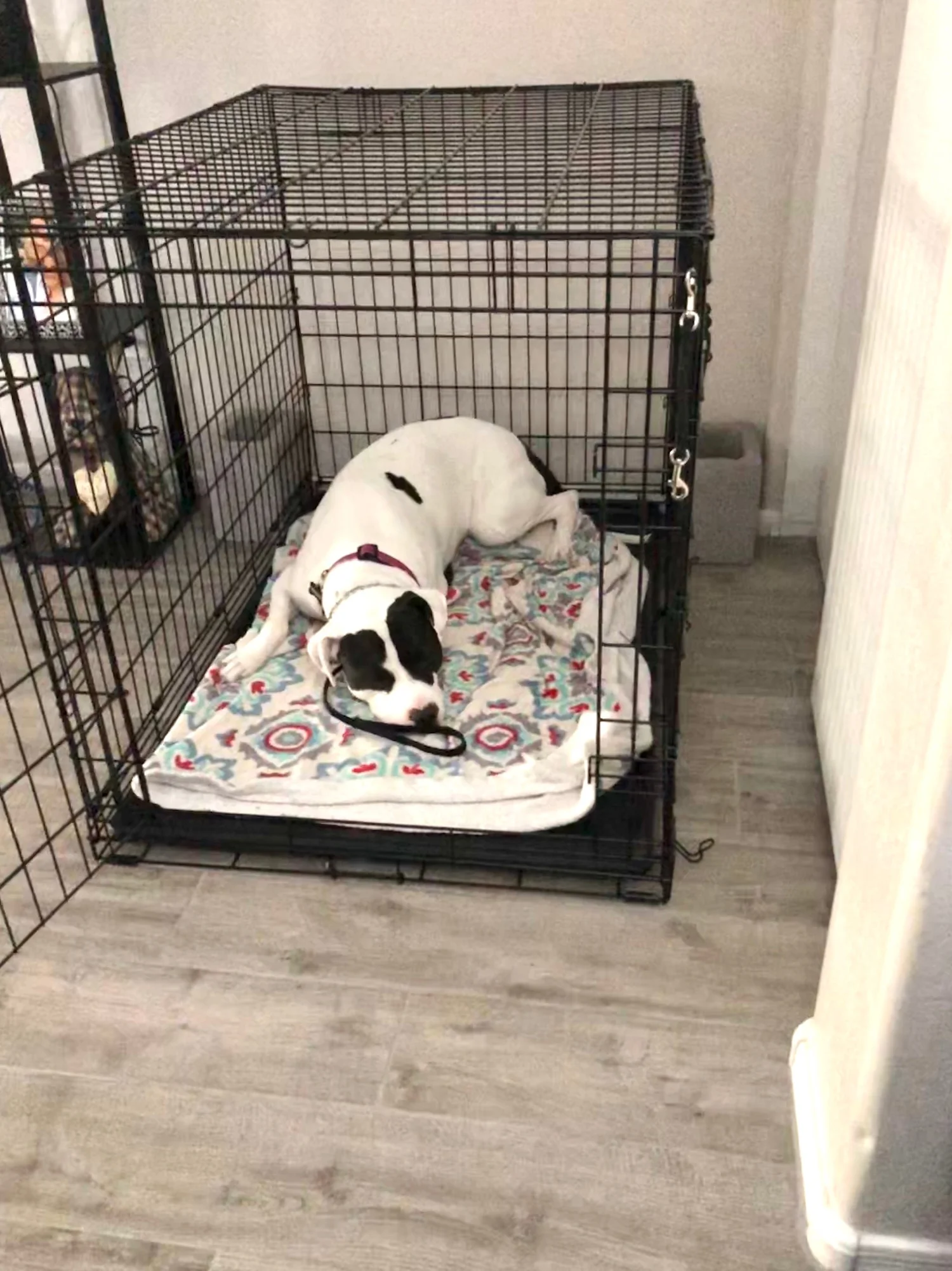
Are you frustrated with your dog pooping in its crate? You’re not alone.
Many dog owners face this messy and stressful issue. You might feel confused, overwhelmed, and maybe even a bit hopeless. But don’t worry—there’s a solution. Imagine the relief of coming home to a clean crate every day. This is not just a dream, but a reality that you can achieve.
In this guide, you’ll discover simple and effective strategies to stop your dog from pooping in its crate. You’ll learn why this happens and how you can address it with confidence. Ready to transform your pet’s behavior and enjoy a cleaner home? Let’s dive in and get to the root of the problem together.
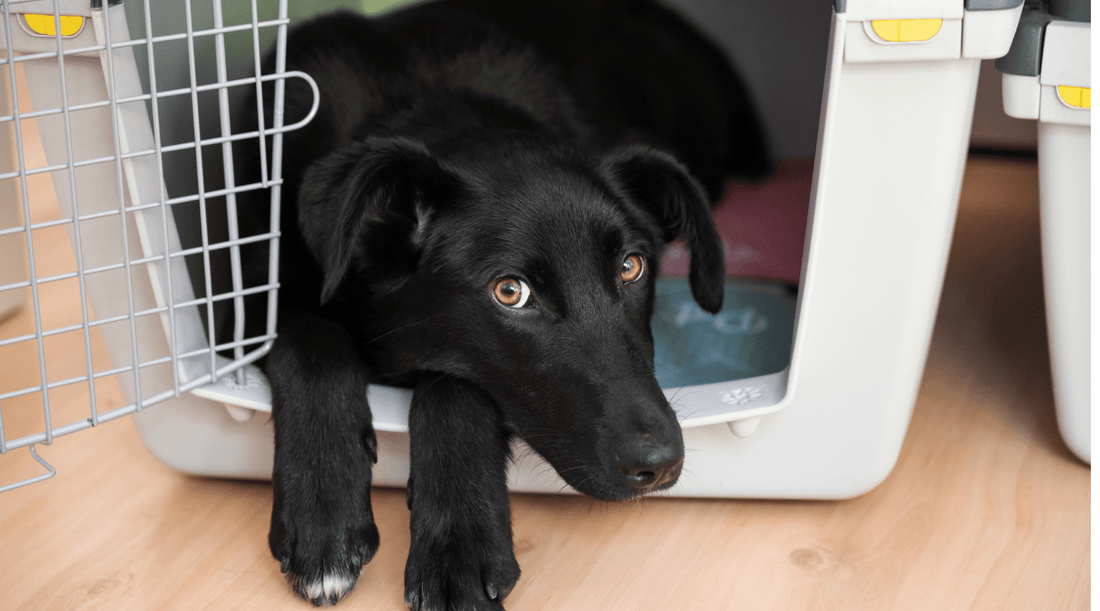
Credit: www.petsradar.com
Causes Of Crate Pooping
Understanding why your dog poops in the crate can be challenging. Dogs might soil their crates for several reasons. Identifying these causes is crucial for resolving the issue effectively. Here are some common causes of crate pooping.
Stress And Anxiety
Stress and anxiety can lead to crate soiling. Dogs may feel stressed due to loud noises or new environments. Separation anxiety also contributes to this behavior. Your dog might associate the crate with negative experiences. This stress can cause them to poop inside.
Medical Issues
Medical problems might be the root cause. Digestive issues can make it hard for dogs to control their bowels. Infections or parasites might also be to blame. Consult a vet to rule out these possibilities. A health check ensures your dog isn’t suffering unnecessarily.
Improper Crate Training
Improper crate training often leads to accidents. Dogs need a gradual introduction to crates. If the crate is too big, they might use one corner as a bathroom. Consistency in training is key. Ensure your dog feels comfortable and secure inside the crate.
Choosing The Right Crate
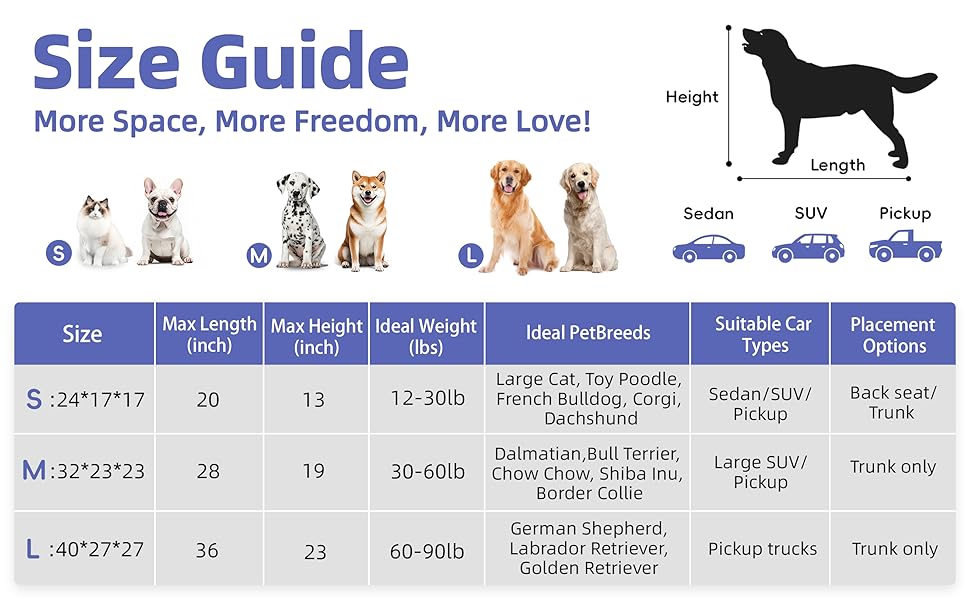
Selecting the right crate size and type can help your dog feel comfortable, reducing accidents. Ensure the crate is cozy yet spacious, allowing movement but not too large to discourage pooping. Proper training and a consistent routine further aid in preventing crate accidents.
Choosing the right crate is crucial for your dog’s well-being. A proper crate can help prevent your dog from pooping inside it. It provides a safe space that feels like a den. Let’s explore the key elements in selecting the ideal crate.Size Matters
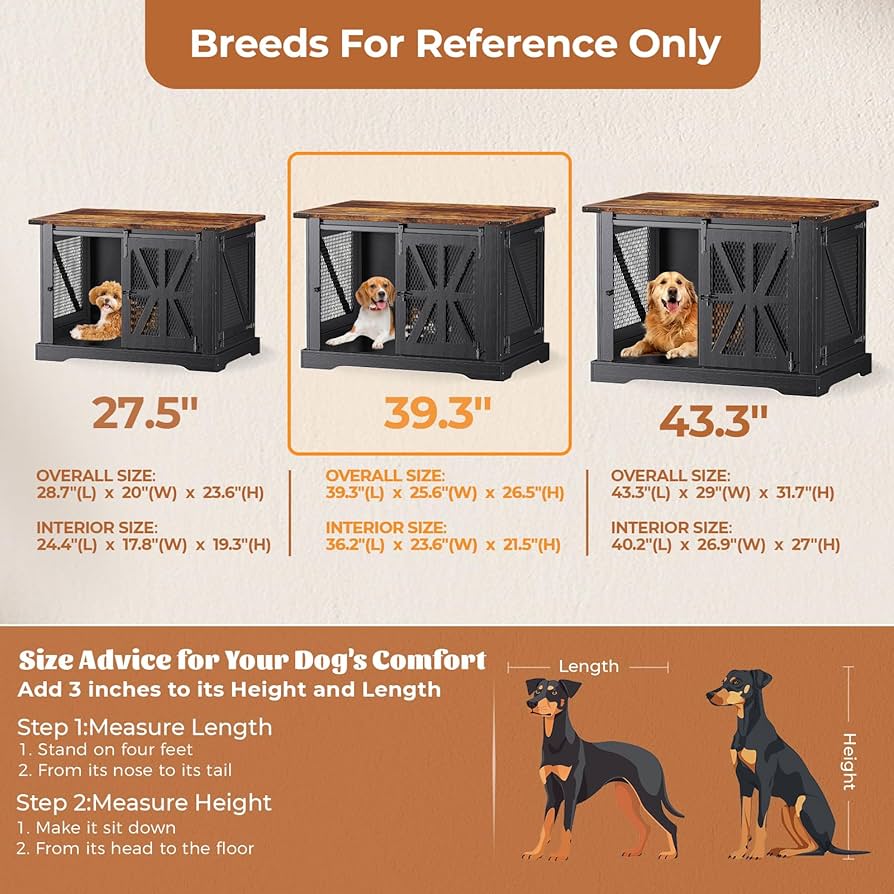
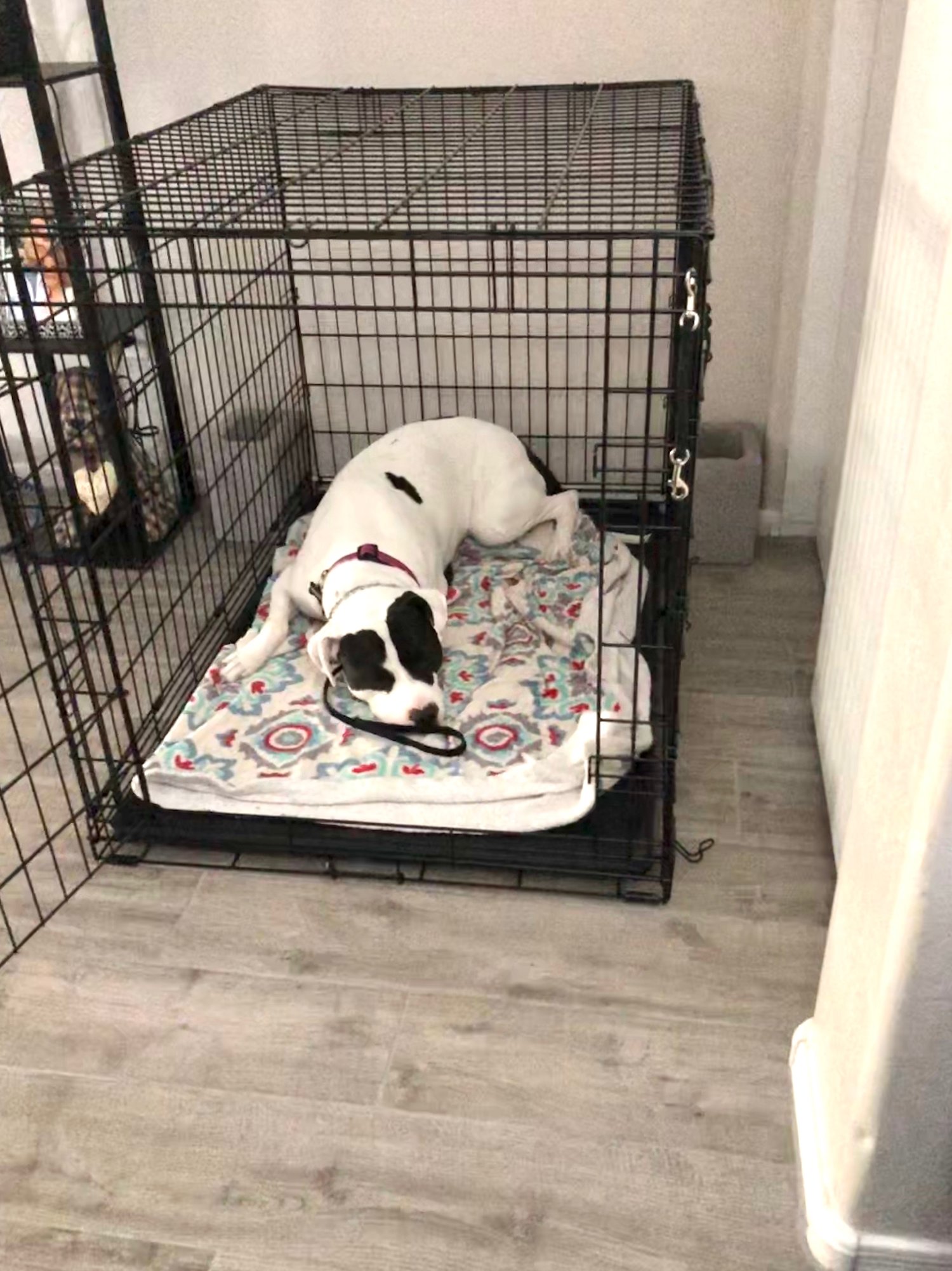
The crate should be spacious enough for your dog to stand. Your dog should also be able to turn around easily. A cramped crate can stress your dog. Too much space may encourage pooping in the crate. Consider your dog’s size and breed when choosing a crate.Comfort And Safety
Ensure the crate has soft bedding. This adds comfort and makes the crate inviting. Check for sharp edges inside the crate. Safety is key to preventing injury. Choose a crate made of sturdy materials. The door should latch securely. This keeps your dog safe and prevents escapes.Establishing A Routine
Establishing a consistent routine helps dogs feel secure and reduces anxiety. Regular feeding and potty breaks encourage proper habits. Patience and positive reinforcement are key to success.
Establishing a routine is crucial when training your dog to stop pooping in the crate. Dogs thrive on consistency and predictability, much like humans. When you set up a structured routine, you help your dog understand when to expect meals, bathroom breaks, and crate time. This not only creates a sense of security but also aids in preventing accidents.Feeding Schedule
Consistency in feeding times can dramatically affect your dog’s bathroom habits. Feed your dog at the same times each day, which helps regulate their digestion. This predictability allows you to anticipate when they will need to go outside. You might notice that dogs usually need to relieve themselves soon after eating. By sticking to a regular feeding schedule, you can plan bathroom breaks accordingly. This minimizes the likelihood of accidents in the crate.Bathroom Breaks
Timely bathroom breaks are key to preventing crate accidents. Take your dog out immediately after meals, and also first thing in the morning and last thing at night. This routine helps them understand that outside is the place for bathroom business. Consider your dog’s age and breed, as puppies may need more frequent breaks than older dogs. Set reminders if needed, to ensure you’re taking them out at consistent intervals. It’s important to praise your dog lavishly when they go outside. Positive reinforcement helps them associate going outside with good behavior. If you’re consistent, you’ll find your dog will start signaling when they need to go, making life easier for both of you.
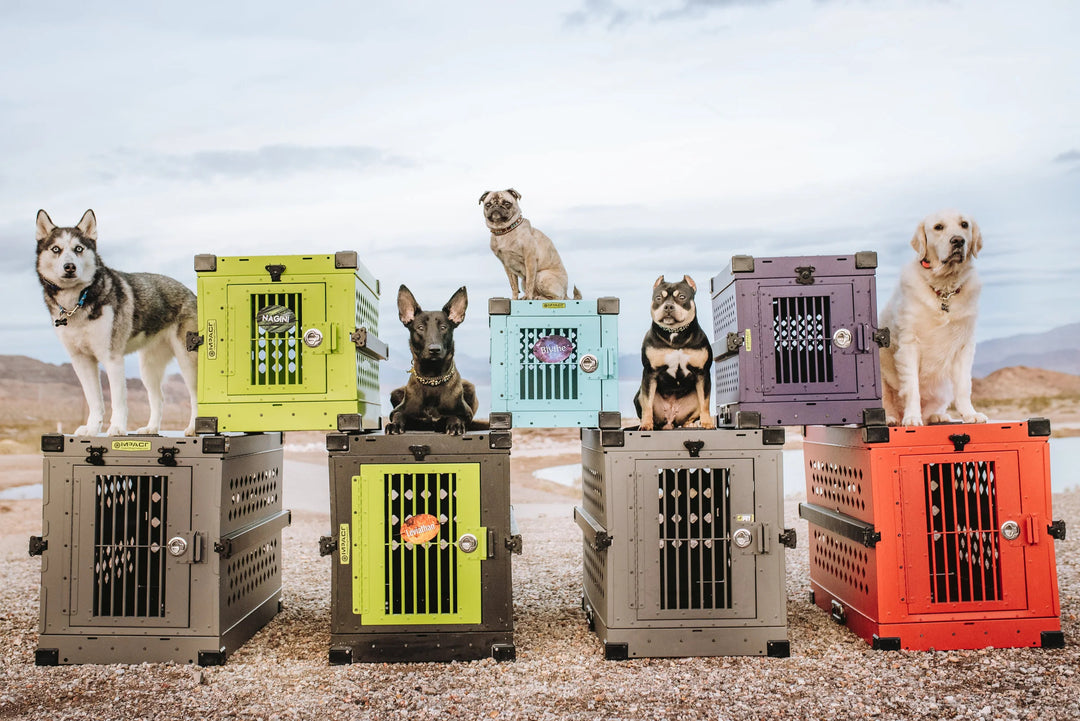
Credit: lailaparty.bg
Crate Training Techniques
Consistency in crate training can help teach your dog to avoid pooping inside. Gradually introduce your pet to the crate, ensuring it’s a comfortable and safe space. Regular potty breaks and positive reinforcement will guide your dog towards better habits.
Crate training your dog can be a rewarding experience when done correctly. It not only teaches your pet to be comfortable in their crate, but it can also prevent unwanted accidents. Understanding the right techniques is crucial to ensure your dog sees the crate as a safe and welcoming space.Positive Reinforcement
Positive reinforcement is a powerful tool in crate training. Reward your dog with treats and praise each time they enter the crate on their own. This builds a positive association with the space. Consistency is key. Each time your dog uses the crate correctly, reinforce their behavior immediately. Think about how you’d feel if every time you did something right, you got a piece of your favorite chocolate. Dogs thrive on this encouragement.Gradual Introduction
Gradual introduction prevents overwhelming your dog. Start by leaving the crate door open and letting your dog explore it at their own pace. Once they seem comfortable, encourage short stays with the door closed. Gradually increase the time they spend inside to ease them into longer durations. This method worked wonders for me when training my dog, Max. Initially hesitant, he grew to love his crate over a few weeks. Have you ever been thrown into a new experience without preparation? Dogs feel the same, so give them time to adjust.Addressing Anxiety
Addressing anxiety in dogs is crucial to stopping crate-related accidents. Anxiety can lead your dog to feel insecure and unsettled, resulting in unwanted behavior such as pooping in the crate. Understanding your dog’s stress triggers and implementing calming strategies can be a game changer.
Calming Strategies
Creating a soothing environment is your first step. Consider using soft music or white noise to comfort your dog. You might find that a specific type of music, like classical, helps relax your pet.
Consistency in your routine can also lower anxiety levels. Keep feeding, walking, and playtimes regular, so your dog feels secure. This predictability can reduce stress and prevent accidents.
Have you tried calming supplements or pheromone diffusers? They can be effective in reducing stress. Speak to your vet about safe options that could work for your furry friend.
Use Of Toys And Blankets
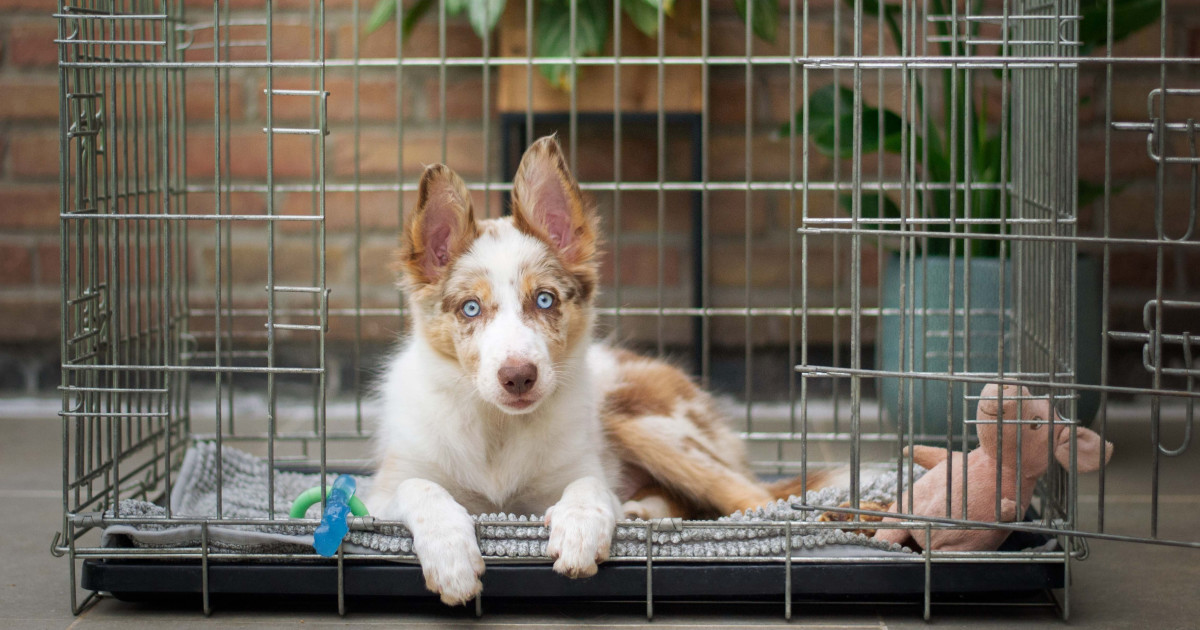
Providing toys in the crate can distract your dog from anxiety. Choose durable and safe toys that your dog loves. Puzzle toys are excellent for keeping them engaged and mentally stimulated.
A favorite blanket can be a great comfort. The familiar scent can make the crate feel like a safe haven rather than a trap. Make sure the blanket is clean and free from any harsh chemicals.
Introduce an old piece of your clothing. Dogs find your scent soothing and it can make them feel close to you even when you’re not around.
Have you noticed any particular toy or blanket that your dog is especially fond of? Incorporating these into the crate environment can make a significant difference in their comfort level.
Medical Solutions
Training your dog to stop pooping in its crate involves understanding its needs. Maintain a consistent schedule for feeding and bathroom breaks. Ensure the crate is comfortable and not too large, as dogs avoid soiling where they sleep.
Addressing the issue of your dog pooping in its crate might require a closer look at potential medical solutions. Often, the root cause could be health-related, and understanding this can pave the way for effective solutions. From consulting a vet to making dietary adjustments, these steps could make all the difference in your dog’s crate training journey.Consulting A Vet
A visit to the vet should be your first step if you suspect a medical issue. Health problems like digestive disorders or infections can lead to uncontrollable bowel movements. A professional diagnosis can not only identify underlying health issues but also provide peace of mind and direction for treatment. Consider sharing specific observations with your vet. Details like the frequency of the accidents or any changes in your dog’s behavior can be vital. The more information you provide, the better your vet can assist you.Dietary Adjustments
Your dog’s diet plays a crucial role in its digestive health. Sometimes, simply adjusting what your dog eats can resolve the issue. Consider evaluating the quality and type of food you are providing. Does your dog have any food allergies or intolerances that could be affecting its digestion? Switching to a hypoallergenic or easily digestible diet might be beneficial. Additionally, pay attention to meal timing. Feeding your dog on a consistent schedule can help regulate its bowel movements, reducing the likelihood of crate accidents. Adjusting these small aspects of your dog’s diet might just be the solution you need.Monitoring And Adjustments
Getting your dog to stop pooping in their crate can be a daunting task. One effective approach is to focus on monitoring and adjustments. This involves closely observing your dog’s behavior and making necessary changes based on what you learn. By tracking progress and being flexible, you’ll create a more comfortable and clean environment for your furry friend.
Tracking Progress
Keeping an eye on your dog’s routine is crucial. Make note of when accidents happen and what might have triggered them. Are they happening at a specific time of day, or after certain activities? Create a simple log or use an app to jot down these details. This data will help you identify patterns and adjust accordingly.
Consider setting up a camera to monitor your dog’s crate behavior. This can reveal insights you might miss otherwise. Is your dog restless before the accident? Are they trying to signal something? Observing these behaviors can lead to actionable insights.
Making Necessary Changes
Once you identify patterns, it’s time to make adjustments. If your dog tends to have accidents in the morning, try adjusting their feeding schedule or morning routine. This small change can prevent accidents by aligning their bathroom needs with outdoor walks.
Evaluate the crate environment. Is it comfortable? Is it too big or too small? Ensure the crate is a cozy space that doesn’t encourage elimination. Add comforting items like a blanket or a toy, but make sure it’s not overcrowded.
Consider your dog’s diet and hydration. Sometimes, the type of food or the timing of water intake can affect their bathroom habits. Experiment with different feeding times and food types to see if there’s an improvement.
It’s essential to be patient and persistent. Adjustments might not work overnight, but with consistent monitoring and tweaking, you’ll likely see progress. Are there other tactics or schedules that might work better for your dog?
Credit: www.sadiesrulesk9training.com
Frequently Asked Questions
Why Does My Dog Poop In The Crate?
Dogs may poop in their crate due to anxiety, lack of proper training, or medical issues. Ensure the crate is a comfortable size and your dog receives regular outdoor breaks. A consistent schedule and positive reinforcement can help address this issue effectively.
How Can I Crate Train My Dog?
Start by making the crate inviting with toys and bedding. Gradually increase crate time while rewarding calm behavior. Consistency and patience are key. Ensure your dog has regular potty breaks and associate the crate with positive experiences to make training successful.
What If My Dog Has Accidents In The Crate?
If accidents occur, clean the crate thoroughly to remove odors. Review your dog’s schedule to ensure they have enough outdoor time. Consider adjusting meal times and consult a vet if accidents persist, as it may indicate a health issue.
How Often Should I Let My Dog Out?
Let your dog out every 2-4 hours, depending on age and size. Puppies need more frequent breaks than adult dogs. Regular outdoor time helps prevent accidents and reinforces good potty habits. Monitor your dog’s behavior and adjust the schedule as needed.
Conclusion
Training your dog to stop pooping in the crate takes patience. Consistency is key. Stick to a routine, and your dog will learn. Use positive reinforcement. Praise and reward good behavior. This builds trust and understanding. Never punish your dog.
It may cause fear and confusion. Monitor your dog’s diet and bathroom schedule. It helps prevent accidents. Crate training isn’t easy, but it’s worth the effort. You’ll see improvements over time. A calm and clean crate means a happy dog.
You can achieve this with persistence and care. Keep practicing, and you’ll succeed.

Similar Posts