How to Measure Dog for Crate: A Step-by-Step Guide
Senior Canine Nutritionist & Dog Behavior Specialist at Cozy Dog Go Wellness Lab

Are you planning to buy a crate for your dog? Getting the right size is crucial for your pet’s comfort and safety.
A crate that’s too small can be confining, while one that’s too big might not provide the sense of security your dog needs. You might wonder how to measure your dog for a crate to ensure the perfect fit. Don’t worry; you’re not alone.
Many dog owners face this challenge. By learning the right way to measure, you can make your pet’s crate a cozy and welcoming space. Stick with us, and discover how to make your dog’s crate not just a containment area, but a comfortable home within your home.
Importance Of Correct Crate Size
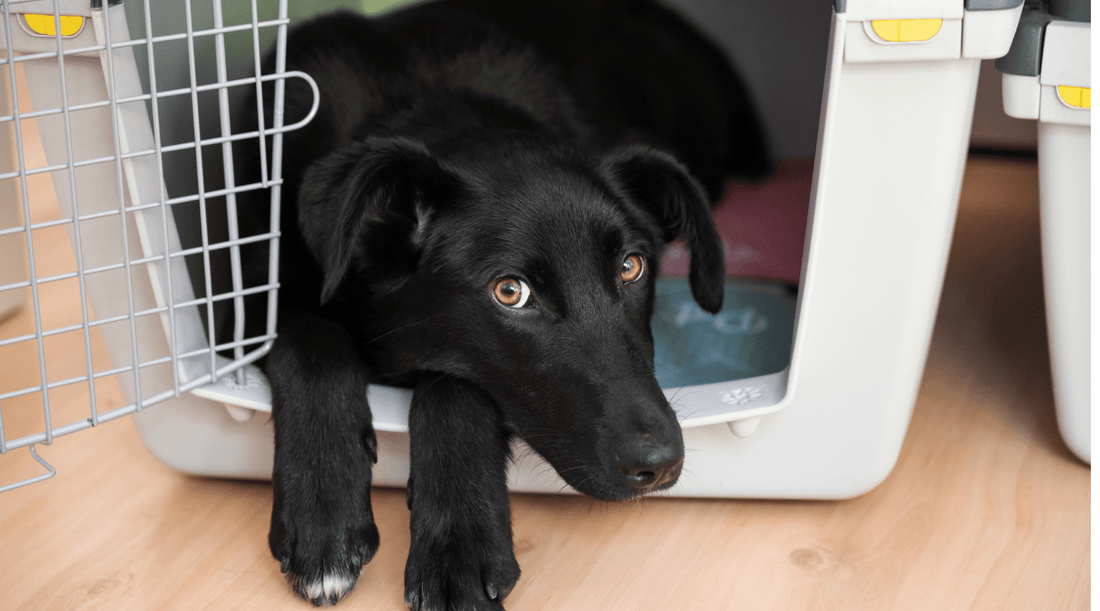
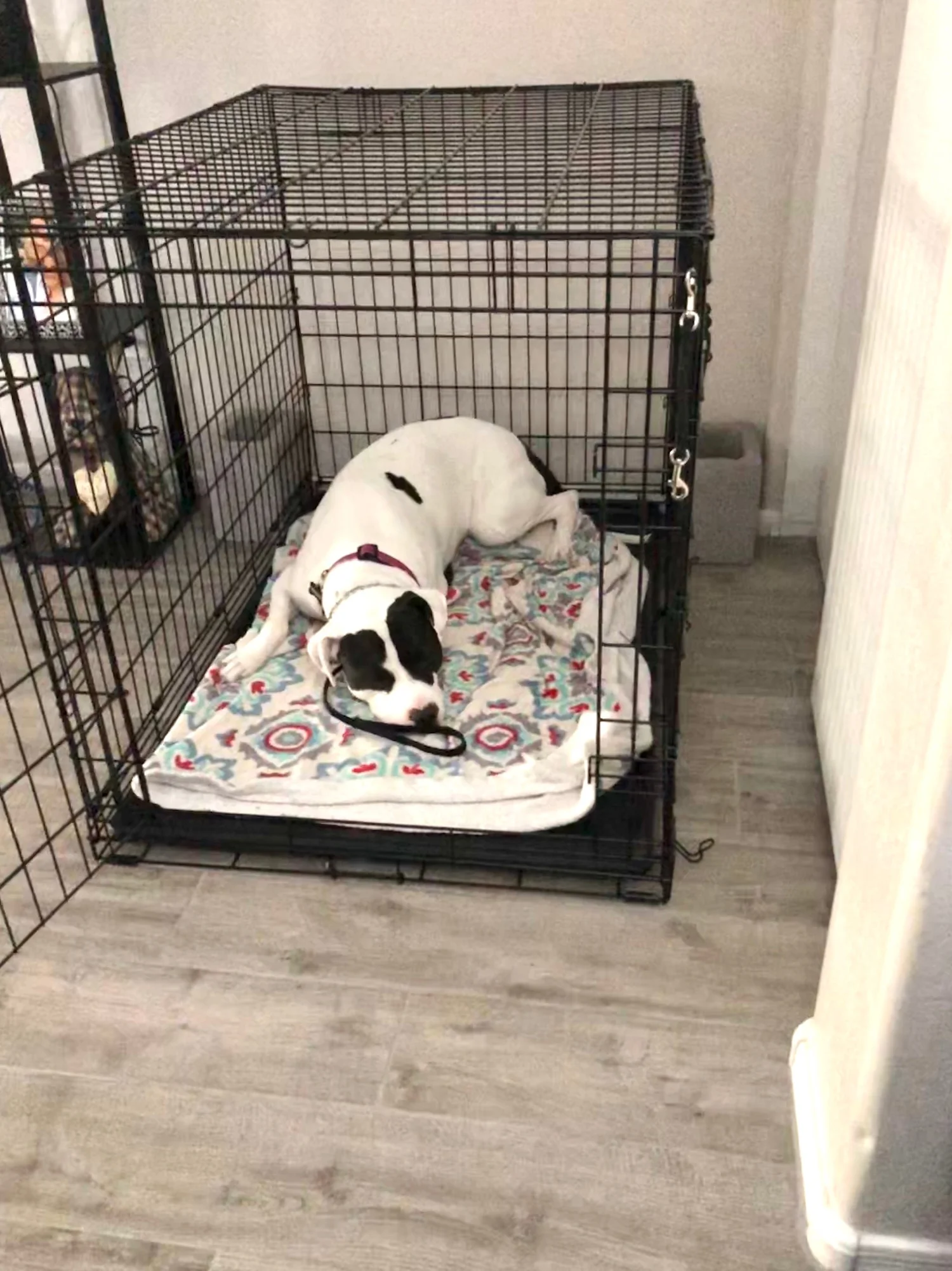
Choosing the correct crate size for your dog is crucial. It directly affects their comfort, safety, and well-being. A crate that’s too small can feel like a prison, while one that’s too large may not provide the sense of security your dog needs.
Understanding Your Dog’s Needs
Each dog is unique in size and temperament. Consider your dog’s breed, age, and personality when selecting a crate. A puppy may need a smaller space initially, but remember they will grow, so plan accordingly.
Ensuring Comfort And Safety
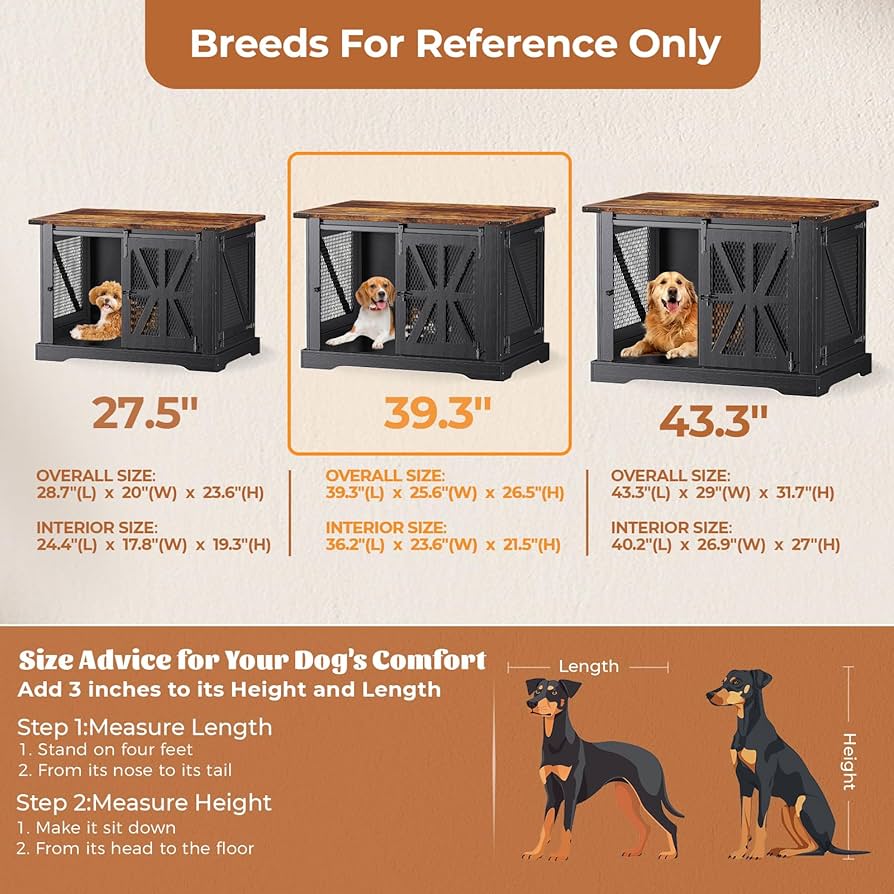
Your dog should be able to stand, turn around, and lie down comfortably in the crate. A cramped space can cause anxiety and stress. Measure your dog from nose to tail and from the top of the head to the floor to determine the ideal dimensions.
Preventing Behavioral Issues
Using the correct crate size can help prevent destructive behaviors. If your dog feels safe and comfortable, they are less likely to chew on the crate or try to escape. This fosters a positive association with the crate as a resting place rather than a trap.
Promoting Positive Crate Training
Crate training is more effective with the right size. Dogs see their crate as a den, a safe haven to relax. A correctly sized crate encourages this instinct, making training smoother and more pleasant for both you and your dog.
A Personal Perspective
Having struggled with my own dog’s crate size, I learned that a few extra inches made all the difference. My dog’s behavior improved, and he seemed happier. Have you experienced a similar situation where a simple change improved your pet’s comfort?
Choosing the right crate size isn’t just about measurements. It’s about understanding your dog’s needs and providing them with a space they can call their own.
Credit: au.costway.com
Tools Needed For Measurement
Measuring a dog for a crate requires a tape measure. Measure from the tip of the nose to the base of the tail for length, and from the ground to the top of the head for height. This ensures a comfortable fit for your pet.
When it comes to measuring your dog for a crate, having the right tools at your disposal is crucial for accuracy. A properly sized crate ensures your dog’s comfort and safety. You don’t need anything fancy—just a few essential items to get the job done efficiently. Imagine the relief of knowing your furry friend has a cozy spot that fits them perfectly.Measuring Tape
A reliable measuring tape is your best friend in this process. Opt for a flexible, soft tape measure, like the ones used in tailoring. They allow you to wrap around your dog easily, capturing precise dimensions. Remember, a rigid tape can make it tricky to measure your dog’s length accurately.Paper And Pen
Jotting down measurements is essential. Keep paper and a pen handy to record your findings. This simple act prevents the hassle of forgetting or misremembering numbers. Plus, you can compare and decide on the best crate size with ease.Treats Or Toys
Getting your dog to stay still can be a challenge. Using treats or toys as incentives makes the process smoother. Reward them for cooperating, and you’ll find it easier to take accurate measurements without a struggle. Consider this: would you sit still if you knew a treat was coming?Helper
Having a helper can make the task more manageable. Ask a family member or friend to assist you. They can hold your dog’s attention or manage the measuring tape, making the job quicker and less stressful. Isn’t it nice to share the load?Table Or Flat Surface
Measuring your dog on a flat surface can yield better results. A table or even the floor works well, allowing your dog to stand naturally. This approach helps avoid skewed measurements and ensures accuracy. Wouldn’t you want to know your measurements are spot on? With these tools in hand, you can measure your dog confidently and accurately. You’ll ensure their crate is a snug fit, giving them a sense of security and comfort.Preparing Your Dog For Measurement
Gently introduce your dog to the measuring process by using a soft tape measure. Ensure your dog stands in a natural position. Measure from the tip of the nose to the base of the tail and from the floor to the shoulder to find the right crate size.
Preparing your dog for measurement is an essential step. It ensures accurate results, making crate selection easier. Dogs can be unpredictable during the measuring process. Calm them down first. A relaxed dog is easier to measure.Creating A Calm Environment
Make the area comfortable for your dog. Remove any distractions. Keep the room quiet. Play soft music if needed. A relaxed space helps your dog feel secure.Gathering Necessary Tools
Have a measuring tape ready. Use a flexible one for better accuracy. Keep treats nearby to reward your dog. A pen and paper are useful for noting measurements.Using Positive Reinforcement
Encourage your dog with gentle words. Offer treats for staying calm. Praise them during the process. Positive reinforcement builds trust and cooperation.Practicing The Position
Show your dog the standing position. Practice it a few times. Use treats to guide them. A familiar position makes measuring easier.Ensuring Comfort During Measurement
Check your dog’s comfort level. Adjust the environment if necessary. Take breaks if your dog gets anxious. Comfort is crucial for accurate results.
Credit: www.amazon.com
Measuring Length
Measuring your dog for a crate ensures comfort and safety. Begin by measuring from the tip of the nose to the base of the tail. Then, measure from the ground to the top of the head. These dimensions help you choose the right crate size.
Measuring the length of your dog is crucial for choosing the right crate. A well-fitted crate keeps your dog comfortable and secure. It prevents injuries and ensures a cozy space.Positioning Your Dog
First, make sure your dog stands naturally. Encourage them to stay still. Use a treat or a toy for motivation. Their posture should be relaxed, with a straight back. This position allows for an accurate length measurement.Taking The Measurement
Grab a measuring tape. Start from the tip of the dog’s nose. Extend the tape to the base of the tail. Make sure the tape remains straight and taut. Record the measurement. This length helps in selecting the perfect crate size.Measuring Height
Measuring your dog’s height is a crucial step in ensuring their comfort and safety in a crate. If you’ve ever felt confused about how to get an accurate measurement, you’re not alone. Many pet owners overlook simple tips that can make the process straightforward and stress-free.
Finding The Right Angle
Begin by ensuring your dog is standing up straight. The ideal position is with all four paws flat on the ground, and their head in a natural, relaxed position.
Imagine capturing the perfect photo of your dog where they look their best. That’s the angle you want for measuring. A slight tip—having them stand against a wall can help in stabilizing their posture.
Recording The Height
Once your dog is in position, take a measuring tape and note the distance from the floor to the top of their head or the highest point of their shoulders, whichever is taller.
It’s tempting to rush, but accuracy here is vital for your dog’s comfort. If you don’t have a measuring tape handy, even a ruler or a piece of string can serve in a pinch, as long as you measure it against a tape later.
Measure twice to ensure accuracy. You might be surprised how a small miscalculation can affect crate size and ultimately, your dog’s experience.
Measuring Width
Measure the widest part of your dog’s body, usually the chest or hips, using a measuring tape. Ensure the tape is snug but not tight to get an accurate measurement. This width will help you choose the right crate size for comfort and safety.
Measuring your dog’s width is crucial for choosing the right crate. The width ensures your pet has enough space to move freely. This comfort can prevent stress and anxiety. Follow these steps to accurately measure your dog’s width.Assessing Shoulder Width
Begin by measuring the widest part of your dog. Typically, this is across the shoulders. Use a flexible tape measure. Stand your dog upright. Wrap the tape around the shoulders. Make sure it stays level and snug. Read the measurement carefully. Note it down for reference.Ensuring Comfort
Comfort is key for your dog’s happiness. Add a few inches to the shoulder width. This extra space allows movement. Your dog can turn around easily. It also accommodates bedding or toys. Always prioritize comfort over tight spaces. A relaxed dog is a happy dog.Evaluating The Measurements
Evaluating the measurements of your dog is essential for selecting the right crate size. Measure your dog’s length from nose to base of tail. Then, measure their height from floor to top of head. These measurements ensure comfort and safety in the crate.
Evaluating the measurements of your dog for a crate can feel like a daunting task. But getting it right ensures your furry friend has a comfortable and safe space. It’s crucial to compare your dog’s dimensions with available crate sizes, adjusting for their comfort.Comparing With Crate Sizes
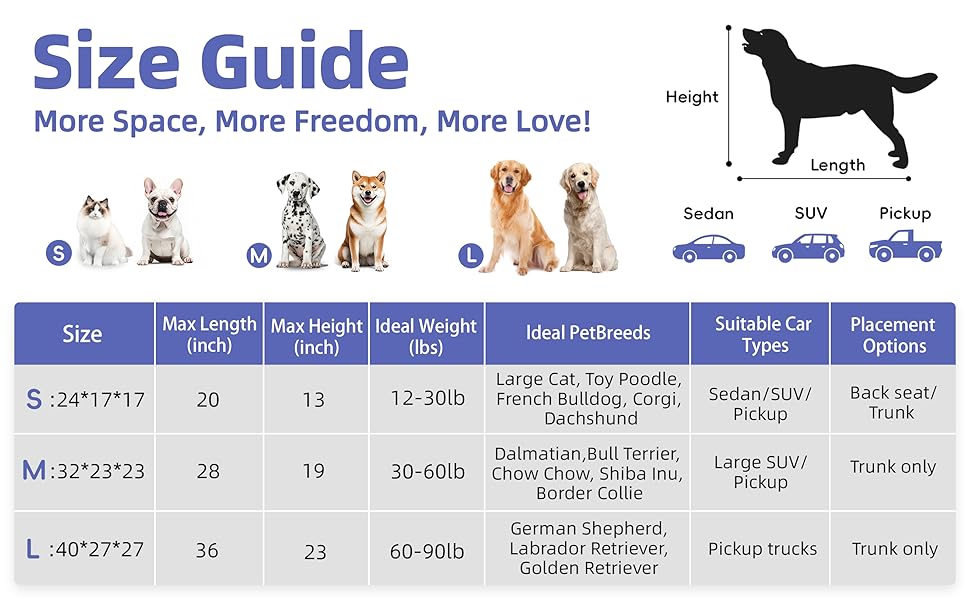
Once you have your dog’s measurements, it’s time to compare them with standard crate sizes. Most crates are available in small, medium, large, and extra-large, but not all brands have the same dimensions for these labels. Check the product specifications carefully. Measure the length, width, and height of the crate to ensure it matches your dog’s size. Imagine your dog standing inside the crate; they should have enough room to turn around and lie down comfortably. If the crate is too cramped, your pet might feel stressed and anxious. On the other hand, a crate that’s too large can make them feel insecure, as they might not feel enclosed enough.Adjusting For Comfort
Comfort is key when choosing the right crate size. After comparing sizes, you might find that none seem to fit perfectly. In such cases, consider adding a few extra inches to your dog’s measurements for additional comfort. This is especially important if your dog is still growing or if you plan to add bedding or toys inside the crate. Personal experience with my own dog taught me this important lesson. I initially chose a snug-fit crate, thinking it would feel cozier. However, adding a soft bed made it too tight, leading me to opt for a slightly larger one. Think about your dog’s habits. Do they like to stretch out or curl up? Tailor the crate size to their preferences. Are you ensuring your dog’s comfort or just sticking to rigid size charts? Balancing precise measurements with comfort can make all the difference.
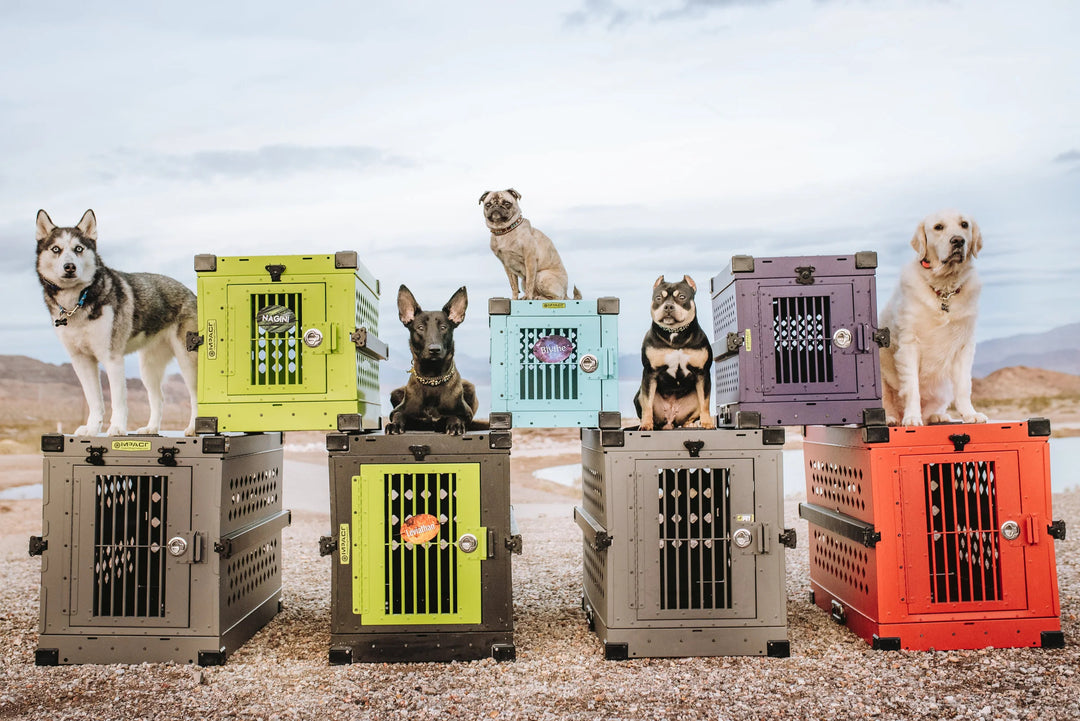
Credit: www.impactdogcrates.com
Common Mistakes To Avoid
Choosing the right crate size is crucial for your dog’s comfort. Avoid guessing measurements; measure your dog from nose to tail and floor to top of head. Ensure extra space for easy movement inside the crate.
When you’re measuring your dog for a crate, it’s easy to make mistakes that can lead to discomfort for your furry friend. Ensuring you get the right size crate is crucial for your dog’s happiness and health. Let’s explore some common pitfalls that you should avoid.Using The Wrong Measurement Tools
Many pet owners use a ruler or a tape measure that’s not suitable for measuring their dog’s dimensions accurately. It’s important to use a flexible tape measure, as it can contour to your dog’s body better. This will help you get precise measurements, ensuring the crate isn’t too tight or too loose.Ignoring Your Dog’s Growth Potential
If your dog is still growing, it’s easy to underestimate how much space they’ll need in the future. Puppies can grow quickly, and a crate that’s perfect now might be too small in a few months. Consider your dog’s breed and anticipated size, and choose a crate that will accommodate their future growth.Focusing Only On Length And Width
Don’t forget about height when measuring your dog for a crate. Many owners focus solely on length and width, neglecting the vertical space their dog needs. Your dog should be able to stand up comfortably without hitting their head, so always factor in height to your measurements.Assuming One Size Fits All
Crates come in various sizes, and it’s a mistake to think that one size fits all. Dogs come in all shapes and sizes, and what works for one might not work for another. Always tailor your choice to your dog’s specific measurements rather than relying on standard sizes.Overlooking Comfort Accessories
Sometimes, owners forget to account for bedding and other accessories that take up space in the crate. A snug-fitting crate can become cramped once you add a cushion or blanket. Make sure to consider the space these items will occupy when selecting the crate size. Remember, taking a little extra time to measure correctly can save you and your pet from a lot of discomfort and hassle. So, what’s your strategy to ensure your dog’s crate is the perfect fit?Tips For Choosing The Right Crate
Measure your dog from nose to tail and floor to head. Ensure the crate is slightly larger for comfort. Consider the dog’s weight and breed to select the appropriate crate size for safety and ease.
Tips for Choosing the Right Crate Choosing the right crate for your dog is essential. It ensures comfort and safety. A well-chosen crate makes travel and home life easier. Here are some tips to guide you.Material Considerations
Crates come in various materials. Each material has its benefits. Wire crates offer good ventilation. They are easy to clean. Plastic crates provide a cozy environment. They are great for travel. Wooden crates blend with home decor. They are sturdy and stylish. Consider your dog’s habits. Chewers may need stronger materials.Portable Vs. Stationary
Decide on portability needs. Portable crates are lightweight. They are ideal for travel. They fold easily for storage. Stationary crates are heavier. They offer more stability. They suit permanent spaces. Think about your lifestyle. Frequent movers may prefer portable crates. Homebodies might choose stationary ones. Each option has its place in your dog’s life.Frequently Asked Questions
How Do I Measure My Dog For A Crate?
To measure your dog for a crate, start by measuring their length from nose to base of tail. Next, measure their height from the top of the head to the ground. Finally, measure their width. This ensures comfort and safety for your pet.
What Size Crate Does My Dog Need?
Choose a crate that is slightly larger than your dog’s measurements. This allows them to stand, turn, and lie down comfortably. Ensure there’s extra space for bedding and toys, but not too much to avoid accidents. A properly sized crate helps with training and traveling.
Can I Use A Single Crate As My Dog Grows?
Using a single crate as your dog grows is possible with adjustable dividers. These dividers help resize the crate as your puppy grows. This way, you avoid purchasing multiple crates. Ensure the final size accommodates your dog’s adult measurements for comfort.
Why Is The Right Crate Size Important?
The right crate size ensures your dog’s comfort and safety. A properly sized crate prevents anxiety and helps with house training. It also reduces the risk of injury during travel. A too-large crate may lead to accidents or discomfort, impacting your dog’s well-being.
Conclusion
Measuring your dog for a crate is simple. First, ensure comfort. A crate should allow standing, turning, and lying down. Use a tape measure for accuracy. Measure your dog’s height from paw to head. Measure length from nose to tail.
Double-check your numbers. Choose a crate slightly larger than the measurements. Your dog will feel cozy and secure. A well-fitted crate reduces stress. It promotes safety during travel. Follow these steps for a happy pet. Share your success stories with fellow dog owners.
Happy measuring!

Similar Posts