How to Stop a Dog from Barking in Crate: Effective Tips
Is your furry friend barking up a storm every time they’re in their crate? You’re not alone.
Many dog owners face the challenge of calming their pets when they’re confined. It can be frustrating, especially when you’re trying to enjoy some peace and quiet or catch a good night’s sleep. But here’s the good news: there are effective ways to help your dog feel more at ease in their crate.
Imagine a world where your dog relaxes quietly, content in their cozy space, and you can finally unwind without the constant noise. You’ll discover simple yet powerful techniques that can transform your dog’s crate experience—and yours. Are you ready to embrace a quieter, more harmonious home? Let’s dive in and explore how you can make crate time a calm time for your beloved pet.
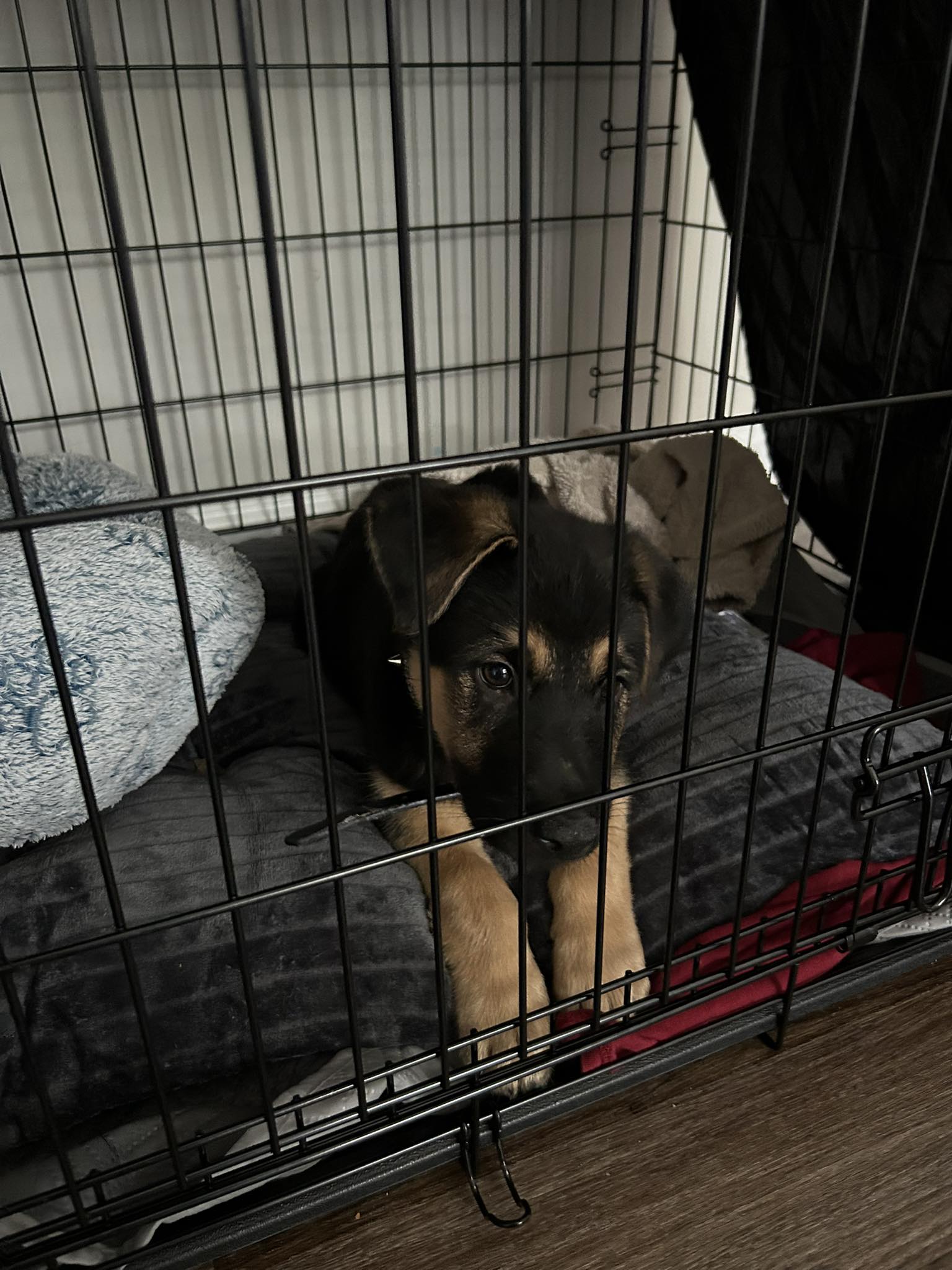
Credit: www.facebook.com
Understanding Barking Behavior
Understanding a dog’s barking behavior in a crate involves recognizing triggers like discomfort or anxiety. Providing comforting items and ensuring regular exercise can help reduce excessive barking.
Understanding your dog’s barking behavior is key to fostering a peaceful environment. Dogs express themselves through barking, and it’s crucial to decode what they’re trying to tell you. If your furry friend barks excessively in their crate, it might be their way of communicating an unmet need or discomfort.Reasons Dogs Bark In Crates
Dogs may bark in crates due to various reasons. They could be feeling anxious or stressed about being confined, especially if they are new to crate training. Some dogs bark because they need to relieve themselves, while others might simply be bored and in need of mental stimulation.Common Triggers For Barking
Identifying what triggers your dog’s barking is the first step toward addressing it. Common triggers include: – Separation Anxiety: Dogs often bark when they feel isolated from their human family. – Lack of Exercise: A dog with pent-up energy is more likely to bark when confined. – Discomfort: An uncomfortable crate or environment can make your dog vocal. Have you ever noticed your dog barking when they hear a noise outside? Sounds like doorbells or passing cars can also set off barking episodes. By understanding these triggers, you can tailor your approach to reducing unwanted barking. Perhaps adding a comfortable blanket or ensuring your dog gets plenty of exercise can make a difference. What steps can you take today to make your dog’s crate a safe and comfortable haven?
Credit: www.tiktok.com
Crate Training Basics
Crate training is a crucial aspect of a dog’s life, especially when you’re aiming to manage barking. It’s all about creating a safe and peaceful haven where your dog feels secure. But how can you ensure your dog actually enjoys being in the crate instead of barking incessantly? Let’s dive into the essentials that will make crate training a positive experience for both you and your furry friend.
Choosing The Right Crate
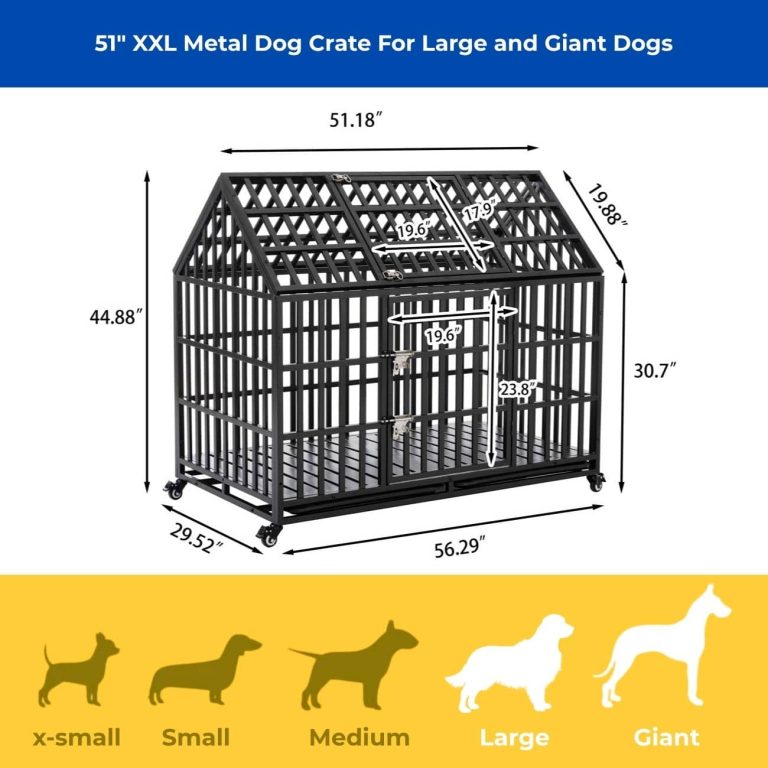
Selecting the perfect crate is akin to choosing a home for your dog. It should be spacious enough for your dog to stand, turn around, and lie down comfortably. Avoid crates that are too big, as they can lead to a sense of insecurity. Instead, opt for a crate that provides a cozy, den-like feeling.
Consider the material of the crate. Wire crates offer ventilation and visibility, while plastic crates provide a more enclosed space. Think about your dog’s preferences and your living space when making this decision. A friend once shared that her dog’s barking reduced significantly after switching to a crate with a cover that provided a darker, quieter environment.
Creating A Comfortable Environment
The environment within the crate plays a significant role in your dog’s comfort. Start by adding a soft blanket or bed to make it inviting. It’s essential that the crate doesn’t feel like a punishment, but rather a place of relaxation.
Incorporate toys and chew items to keep your dog entertained. These can distract them from barking and help them associate the crate with positive experiences. Have you ever noticed how a simple toy can transform a boring space into a playground? This principle applies to crate training as well.
Additionally, consider the placement of the crate within your home. Is it in a quiet corner away from the hustle and bustle? Or near a window with interesting views? A strategic location can significantly influence your dog’s behavior. Where is your dog’s crate currently placed?
By focusing on these basics of crate training, you can help your dog feel secure and reduce unnecessary barking. It’s about understanding your dog’s needs and creating an environment that caters to them. Have you found any particular method effective in crate training your dog?
Effective Training Techniques
Training can help reduce crate barking. Provide a comfy space with toys to keep the dog relaxed. Practice short crate sessions, gradually increasing time, rewarding quiet behavior.
Training your dog to stop barking in their crate can be a rewarding experience for both you and your furry friend. Implementing effective training techniques not only helps in reducing excessive barking but also strengthens the bond between you and your dog. Let’s dive into some practical strategies that can guide you through this process.Positive Reinforcement Strategies
Rewarding good behavior is a powerful tool. When your dog remains quiet in the crate, offer them a treat or a favorite toy. This teaches them that silence leads to rewards. Consistency is key. Make sure you reward your dog every time they stay quiet. Over time, they will associate calm behavior with positive outcomes. You might find that your dog responds better to verbal praise. A gentle “good dog” can boost their morale, encouraging them to stay quiet longer.Gradual Crate Introduction
Introduce the crate slowly to avoid overwhelming your dog. Start by letting them explore it at their own pace. Place the crate in a room where your dog feels comfortable. This helps them associate it with a safe environment. Gradually increase the time your dog spends in the crate. Begin with short periods and slowly extend the duration as they become more accustomed. Ask yourself: How does your dog react when you’re out of sight? This can indicate if the crate is becoming a place of comfort or anxiety. By engaging with these techniques, you set the stage for effective training that resonates with your dog’s natural behavior.Managing Anxiety And Stress
Providing a calm environment helps reduce a dog’s anxiety. Place familiar items in the crate to comfort them. Consistent routines and gentle training make a difference in managing stress and curbing barking.
Managing anxiety and stress in dogs is crucial for their well-being. A dog may bark in a crate due to fear or anxiety. Understanding and managing these feelings can help reduce barking. This section will explore how to identify anxiety and use calming techniques.Identifying Signs Of Anxiety
Dogs show anxiety in different ways. Look for signs like pacing or whining. Trembling or hiding are also common signs. Changes in appetite or behavior may indicate stress. Understanding these signs helps address the root cause.Calming Techniques For Dogs
Various methods can calm an anxious dog. Create a comfortable space with soft bedding. Use a crate cover to make it feel safe. Introduce calming scents like lavender or chamomile. Gentle music or white noise can soothe nervous dogs. Consistent routines reduce uncertainty and stress. Regular exercise helps burn off excess energy. Consider interactive toys to keep them occupied.Consistency And Routine
Consistency and routine are key ingredients in training your dog to stay calm and quiet in its crate. Dogs are creatures of habit, and a predictable schedule can help reduce anxiety and prevent excessive barking. By establishing a routine and maintaining consistent training practices, you can create a soothing environment for your furry friend.
Establishing A Routine
Start by setting regular times for meals, walks, and crate time. This predictability helps your dog understand when it’s time to relax in the crate. Consider creating a schedule that aligns with your daily activities.
For example, if you leave for work at 8 AM, make sure your dog is settled in the crate shortly before. This consistency can make the transition smoother.
Think about your dog’s natural rhythm. Do they tend to nap mid-morning? Adjust the crate time to coincide with their natural downtime, making it easier for them to accept the crate as a comfortable resting spot.
Consistency In Training
Consistency isn’t just about timing; it’s also about how you reinforce behavior. Use the same command or cue every time you want your dog to enter the crate. This helps your dog associate the crate with positive experiences.
Reward your dog with a treat or praise every time they settle quietly in the crate. This positive reinforcement encourages them to repeat the desired behavior.
Have you noticed if your dog reacts differently when you use a firm voice versus a calm one? Try sticking to a calm, encouraging tone to see if it leads to better results.
Consistency also means being patient. Training takes time, and you might face setbacks. But with a routine and consistent reinforcement, your dog will learn to feel safe and secure in its crate.
How can you tweak your routine to better fit your dog’s needs? Every dog is unique, so it’s important to observe and adapt as necessary.
Utilizing Distractions
Distracting a barking dog with toys or treats helps keep it quiet in the crate. Engaging activities can shift focus away from barking. Consistent use of positive distractions ensures a peaceful environment.
Utilizing distractions can be a game-changer when it comes to managing your dog’s barking in a crate. By providing engaging stimuli, you can divert their attention away from barking, making crate time a peaceful experience. Consider these strategies to create a more harmonious environment for both you and your furry friend.Toys And Treats
Invest in a variety of toys that will keep your dog entertained. Puzzle toys, chew toys, and interactive toys can capture their attention for extended periods. Rotate these toys regularly to maintain their interest. Treats can also serve as effective distractions. Stuff a Kong toy with peanut butter or a favorite treat and let your dog work to get it out. This not only distracts them but also provides mental stimulation.Background Noise
Creating a sound-rich environment can help drown out triggers that might cause your dog to bark. Try leaving a radio or TV on at a low volume to provide comforting background noise. Many pet owners find that classical music or nature sounds work wonders. Consider using a white noise machine to create a consistent auditory backdrop. This can be especially helpful if your dog is sensitive to random noises that occur outside the crate. What sounds soothe your dog the most? Experiment to find the perfect auditory balance.Seeking Professional Help
Consulting a professional dog trainer can be beneficial. They provide tailored strategies to manage crate barking effectively. Expert guidance ensures a happier, quieter environment for both you and your pet.
Sometimes, despite your best efforts, your dog’s persistent barking in the crate can become overwhelming. This is when seeking professional help might be your best course of action. Professionals can offer targeted solutions and insights that may be difficult to access on your own.When To Consult A Trainer
If your dog’s barking is incessant and disruptive, it could be time to consider consulting a trainer. Trainers can provide personalized strategies tailored to your dog’s specific needs. You might find that a simple change in your approach can make a world of difference. Have you tried altering the crate’s location or adding comforting items? If these tactics haven’t worked, a trainer can suggest more advanced techniques.Evaluating Behavioral Specialists
Choosing the right behavioral specialist is crucial. Look for professionals who have a track record of success with similar issues. Ask for referrals or read reviews to ensure they are credible and effective. Consider specialists who offer a holistic approach, addressing not just the barking but underlying causes. Sometimes, it’s not just about silencing the bark but understanding its source. Would a specialist’s experience with your dog’s breed be beneficial? Their insights can be invaluable. Remember, seeking professional help doesn’t mean you’ve failed; it means you’re committed to finding the best solution for your furry friend.
Credit: www.dogsavvylosangeles.com
Frequently Asked Questions
Why Does My Dog Bark In The Crate?
Dogs bark in crates due to anxiety, boredom, or discomfort. Ensure the crate is comfortable, with toys and blankets. Gradually acclimate your dog to the crate environment to ease stress and reduce barking.
How Can I Calm A Barking Dog?
Calm a barking dog by providing familiar items like toys or blankets. Use positive reinforcement when they are quiet. Gradual crate training can help them feel safe and reduce anxiety-induced barking.
Is Crate Size Important For Barking?
Yes, crate size matters. A crate that’s too small can cause discomfort, leading to barking. Ensure your dog can stand, turn, and lie down comfortably in the crate to avoid stress.
Can Exercise Reduce Crate Barking?
Yes, exercise can reduce barking. A well-exercised dog is calmer and less likely to bark. Ensure your dog gets enough physical activity before crate time to help them relax.
Conclusion
Stopping a dog from barking in a crate takes patience. Consistent training helps your dog feel secure. Comfort items like blankets can ease anxiety. Ensure the crate is a positive space. Avoid punishment; it can increase stress. Practice crate time gradually, starting with short periods.
Praise your dog for quiet behavior. Regular exercise tires your dog, reducing excess energy. Try calming sounds or music to soothe them. With time and care, barking reduces. Your dog learns to relax in the crate. A peaceful home benefits everyone, including your furry friend.