How to Stop a Dog from Howling in Crate: Quick Solutions
Senior Canine Nutritionist & Dog Behavior Specialist at Cozy Dog Go Wellness Lab
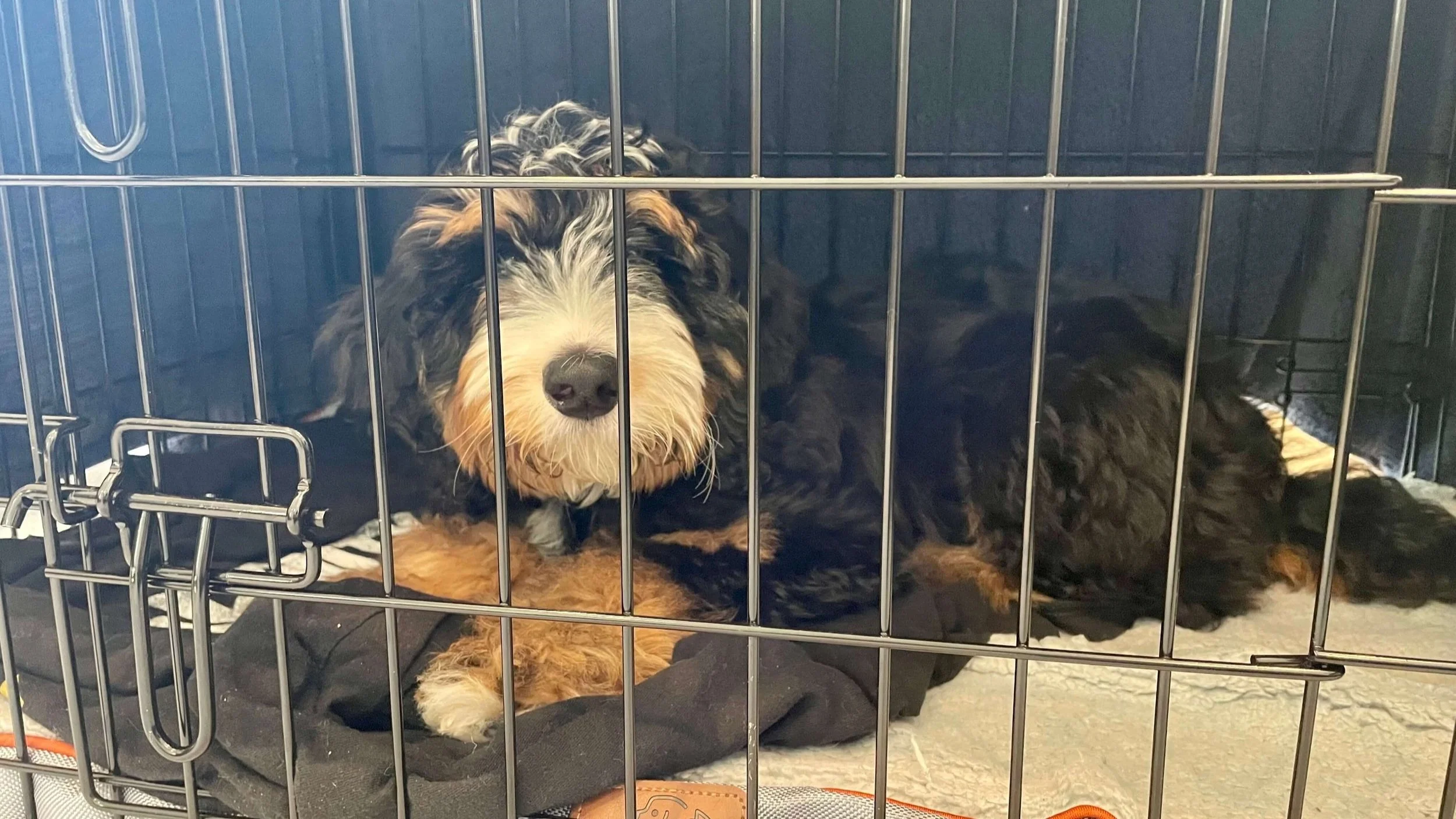
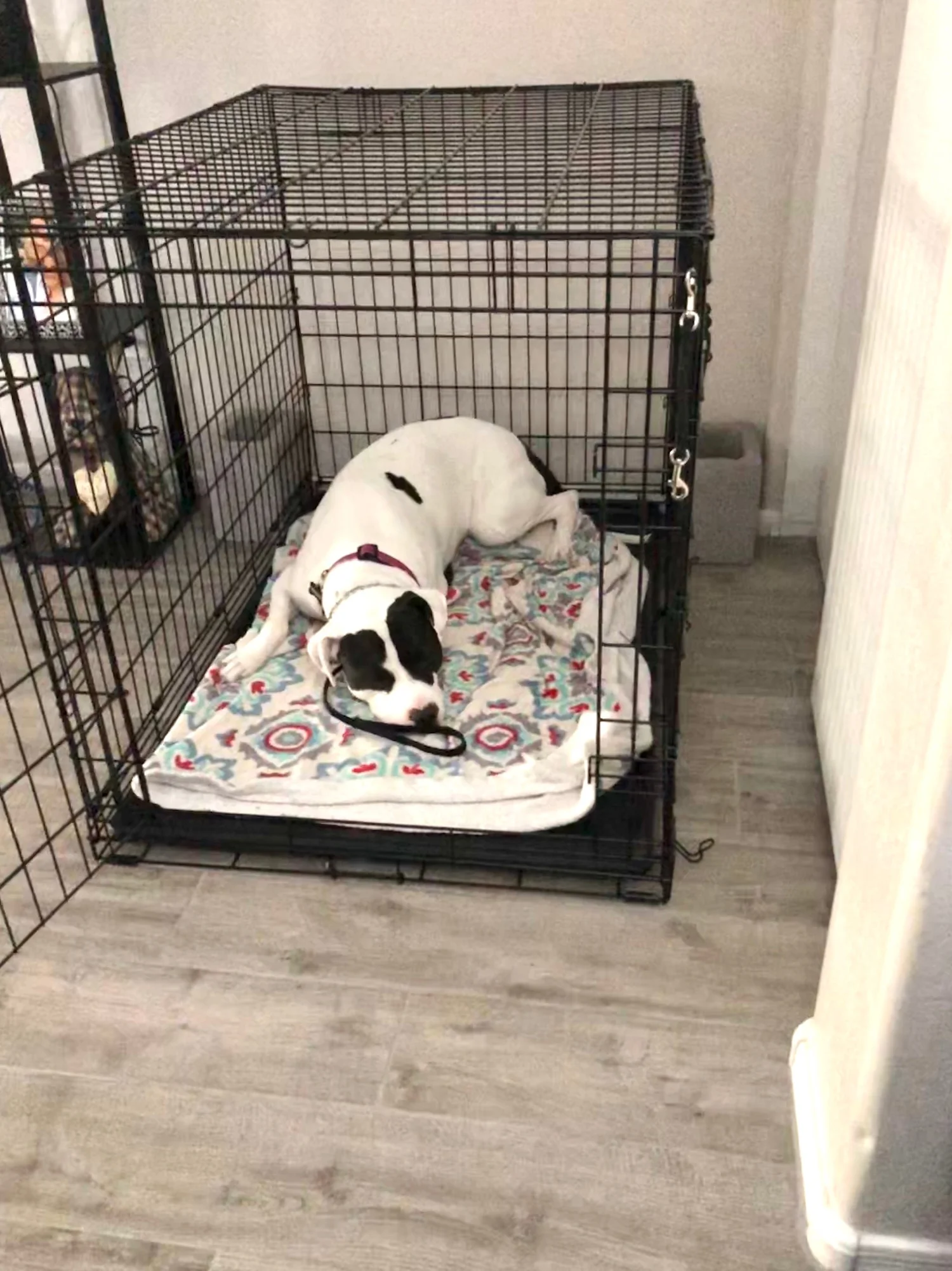
You’ve just tucked your pup into his crate for the night, hoping for a peaceful evening. But instead, you’re met with a chorus of howls that seem to shake the walls.
Sound familiar? You’re not alone. Many dog owners face the challenge of crate howling, which can disrupt your sleep and leave your furry friend anxious. The good news is, there’s a way to bring tranquility back to your home. Imagine the relief you’ll feel when bedtime becomes a calm and quiet affair.
By understanding the reasons behind your dog’s howling and learning effective strategies to address it, you can transform your nights from noisy chaos to serene silence. Stick around to discover how you can turn your dog’s crate into a sanctuary rather than a source of distress. Your journey to a quiet night starts here.
Causes Of Crate Howling
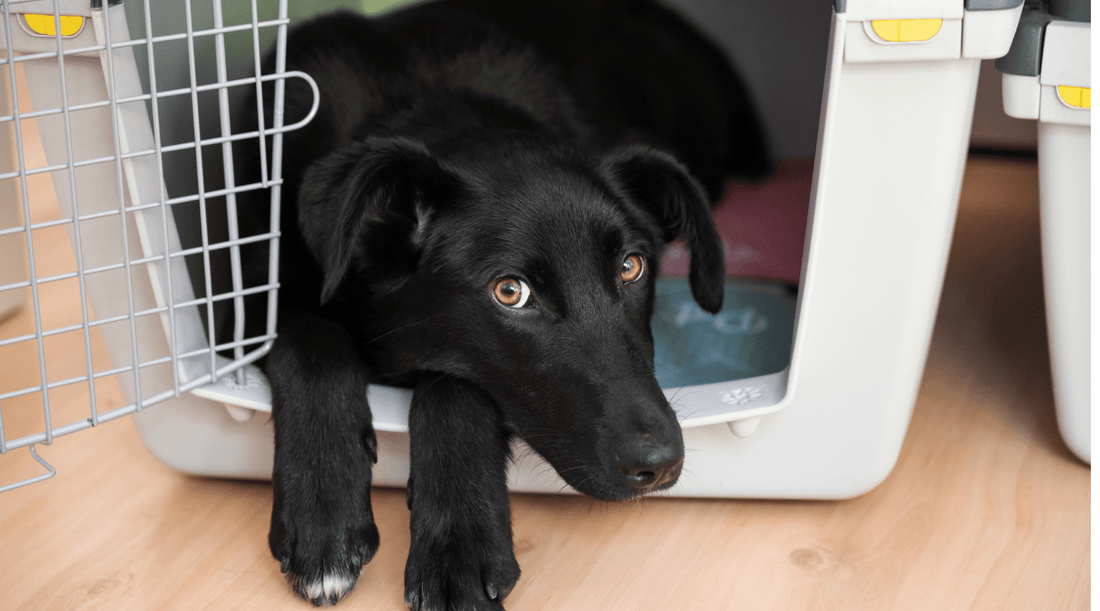
Separation anxiety, boredom, or discomfort often cause crate howling. Ensure a cozy space to help your dog relax.
Understanding why your dog howls in their crate is crucial to finding a solution. Dogs may howl for various reasons, and identifying the root cause can help you address the issue effectively. Let’s dive into some common causes of crate howling, which could be affecting your furry friend.Separation Anxiety
Separation anxiety is a frequent culprit. Many dogs feel anxious when they are away from their human companions. This anxiety can manifest as howling when they are confined to their crate, feeling isolated from you.Lack Of Exercise
A dog with pent-up energy may howl to release their frustration. If your dog isn’t getting enough physical activity, their crate can feel like a prison rather than a safe space. Ensuring they get plenty of exercise can help reduce this behavior.Need For Attention
Some dogs learn that howling gets a reaction. Even if it’s negative attention, they may see it as better than none. Have you ever rushed to your dog’s crate to quiet them down, only to find them wagging their tail happily?Fear Or Discomfort
The crate itself might be the issue. It could be too small, uncomfortable, or in an intimidating location. Assess whether the crate environment is inviting and suitable for relaxation.Medical Issues
Occasionally, howling is a sign of discomfort or pain. If your dog suddenly starts howling in their crate, it might be worth checking for any underlying health issues. A visit to the vet can rule out any medical concerns. Understanding these causes can guide you in creating a more peaceful environment for your dog. Are there any other behaviors your dog exhibits that align with these causes? Identifying these triggers is the first step in helping your dog feel more comfortable in their crate.Adjusting Crate Environment
Adjusting the crate environment can help reduce your dog’s howling. Creating a cozy and secure space is crucial. This ensures your dog feels comfortable and calm in their crate.
Comfortable Bedding
Provide soft bedding for your dog. Use materials like fleece or cotton for comfort. Ensure the bedding is clean and smells familiar to your dog. Avoid bedding that is too thick, as it can cause overheating.
Proper Ventilation
Ensure the crate has adequate airflow. This prevents your dog from feeling trapped. Keep the crate in an area with good ventilation. Avoid placing the crate near direct heat sources.
Appropriate Size
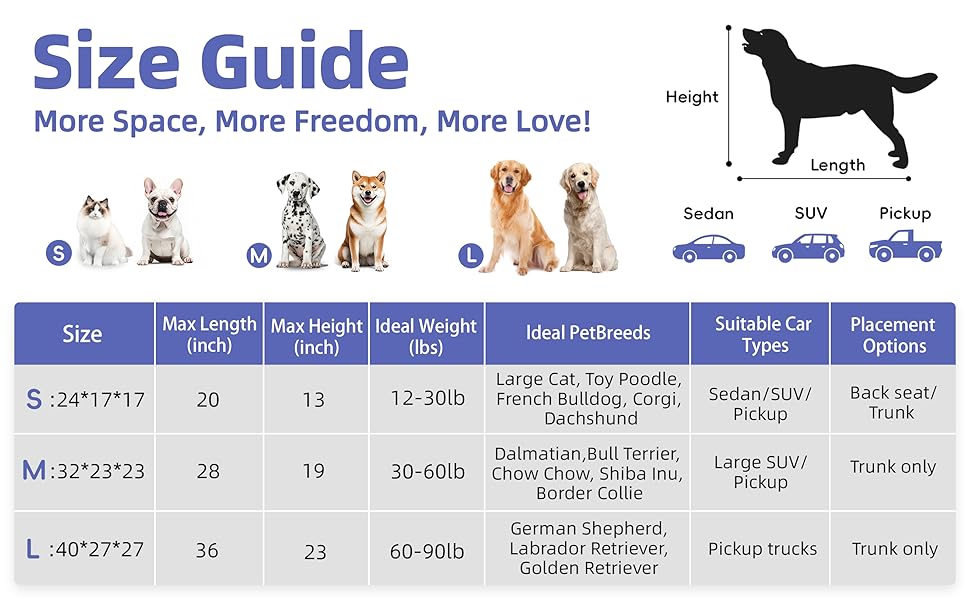
Choose the right crate size for your dog. The crate should allow your dog to stand, turn, and lie down. A cramped crate can cause stress and discomfort. Measure your dog to find the perfect fit.
Establishing A Routine
Creating a daily routine helps calm your dog in the crate. Regular feeding and exercise times reduce anxiety. Consistency builds trust and comfort, making your dog feel secure and less likely to howl.
Establishing a routine is a fundamental step in helping your dog adjust to crate time without howling. Dogs thrive on consistency, and a set routine gives them a sense of security and predictability. By organizing daily activities like feeding, exercise, and rest, you can make crate time more comfortable and less stressful for your furry friend.Consistent Feeding Schedule
A regular feeding schedule not only promotes digestive health but also helps in managing your dog’s energy levels. Feed your dog at the same times each day. This predictability can decrease anxiety and keep them calm. Consider setting reminders on your phone to stay consistent. When your dog knows when to expect meals, it minimizes restlessness that can lead to howling.Regular Exercise
Exercise is crucial for burning off excess energy that might otherwise be expressed through howling. Prioritize daily physical activity tailored to your dog’s breed and age. A brisk walk or a playful run in the park can work wonders. Look at your dog’s behavior; do they seem restless or are they calm after a good run? This can guide you in setting exercise routines that suit them.Scheduled Rest Periods
Just like humans, dogs need downtime to recharge. Scheduled rest periods help them understand when it’s time to relax. Establish quiet times during the day when the crate becomes their peaceful retreat. Introduce calming activities like soft music or a cozy blanket in the crate. Have you noticed how some dogs find peace with a favorite toy? Providing such comfort items can enhance their rest experience.Credit: www.tiktok.com
Frequently Asked Questions
Why Does My Dog Howl In The Crate?
Dogs howl in crates due to anxiety, loneliness, or discomfort. It’s often a way to express distress or seek attention. Ensuring your dog feels safe and comfortable, with toys or bedding, can help. Gradual acclimation to the crate may reduce howling episodes over time.
How Can I Calm My Dog In The Crate?
To calm your dog, provide comfort items like soft bedding or favorite toys. Use positive reinforcement with treats when they stay quiet. Regular exercise and establishing a consistent routine can also help. Consider calming aids or consult a vet for advice if the issue persists.
Is Crate Howling A Sign Of Separation Anxiety?
Yes, crate howling can indicate separation anxiety. Dogs may feel stressed when left alone in a confined space. Gradual desensitization and positive crate experiences can help. Consulting with a veterinarian or behaviorist might be necessary for severe anxiety cases.
Can Crate Training Stop Howling?
Crate training can reduce howling by creating a positive association with the crate. Start with short sessions and reward calm behavior. Gradually increase time spent in the crate, always ensuring comfort. Consistency and patience are key for successful crate training.
Conclusion
Helping your dog stop howling in the crate takes patience. Start with small steps. Always reward good behavior. Consistency is key to success. A comfortable crate can make a difference. Ensure your dog feels safe and secure. Try not to rush the process.
Remember, every dog is unique. Understand your dog’s needs and respond to them. With time, your dog will adjust. Enjoy a quieter, happier home.

Similar Posts