Your furry friend is a source of joy and companionship, but when the barking starts, it can quickly turn into a stressful situation. If you’ve ever found yourself frustrated by your dog’s incessant barking in their crate, you’re not alone.
It’s a common problem that many pet owners face, and it can feel overwhelming. But what if there was a way to bring peace and quiet to your home without sacrificing your dog’s comfort and happiness? Imagine being able to enjoy a calm evening or a peaceful night’s sleep, free from the sound of barking.
Picture your dog settling into their crate with ease, feeling relaxed and secure. This isn’t a distant dream; it can be your reality. By understanding the reasons behind your dog’s barking and discovering effective solutions, you can transform crate time into a positive experience for both you and your pet. You’ll uncover simple strategies that speak directly to your dog’s needs, helping them feel safe and calm. You’ll learn how to create an environment that reduces barking and fosters a sense of security. Ready to reclaim peace and quiet? Let’s dive into how you can stop dog barking in the crate once and for all.
Reasons For Barking In Crate
Dogs may bark in crates due to anxiety, discomfort, or lack of training. Ensuring a cozy space and gradual crate training can help reduce barking.
Dog barking in a crate can be challenging for pet owners. Understanding the reasons behind this behavior is crucial. Each dog is unique, and their needs may vary. Here are some common reasons dogs bark in their crates.Separation Anxiety
Some dogs feel anxious when left alone. They bark to express their distress. It’s their way of coping with separation from their owners. This behavior can be more pronounced in dogs who are used to constant human presence.Discomfort Or Needs
Dogs may bark if they are uncomfortable or have unmet needs. They might be too hot or too cold. Hunger and thirst are also common triggers. Ensuring the crate is comfortable and checking their food and water can help.Boredom And Lack Of Stimulation
A lack of stimulation can lead to barking. Dogs need mental and physical activity. Without it, they might bark out of boredom. Providing toys or interactive games can keep them engaged.Fear And Stress
Fear can cause dogs to bark in their crate. Strange noises or unfamiliar surroundings might stress them. This behavior is a reaction to perceived threats. Creating a safe and familiar environment can ease their stress.
Credit: www.tiktok.com
Creating A Positive Crate Environment
Creating a calm and cozy space can help reduce dog barking in crates. Use soothing blankets and toys to comfort your pet. Regular exercise and crate training contribute to a peaceful environment, promoting relaxation and reducing anxiety.
Creating a Positive Crate Environment Is your pup barking up a storm in their crate? Creating a positive crate environment can work wonders in calming your furry friend. It’s not just about keeping them quiet; it’s about making their crate a place they feel safe and happy. You can turn the crate into a cozy retreat rather than a dreaded cage.Choosing The Right Crate Size
The right crate size is crucial in making your dog feel comfortable. A crate that’s too small can feel claustrophobic, while one that’s too large might not offer the snug security dogs love. Think about your dog’s size and breed when choosing a crate. Can they stand up, turn around, and stretch comfortably? This is your benchmark. When my lab, Max, finally had a crate that fit him perfectly, he stopped barking and started snoozing more.Comfortable Bedding And Toys
Imagine sleeping on a bare floor—it’s not pleasant, right? Your dog feels the same way. Adding comfortable bedding can transform their crate into a personal haven. Soft blankets or a plush dog bed can make a world of difference. Don’t forget toys! Chew toys or puzzle toys can keep them occupied and happy. Max loves his squeaky toy, and it keeps him entertained for hours.Location Of The Crate
Where is your dog’s crate positioned? Crate location can impact your dog’s behavior. Crates placed in bustling areas might overstimulate them, while secluded spots might make them feel lonely. Try placing the crate in a quiet corner where your dog can still see family activities. This way, they feel part of the action without being overwhelmed. When I moved Max’s crate near the living room, his barking reduced significantly. By focusing on these aspects, you’re not only helping your dog stop barking, but you’re also creating a space where they feel secure and loved. Isn’t that what every dog owner wants for their beloved pet?Training Techniques
Training Techniques Dogs can be taught to stop barking in crates through consistent routines. Use positive reinforcement with treats when they are quiet. Gradually increase crate time, ensuring comfort and calm.
Training a dog to stop barking in a crate requires patience and consistency. It’s essential to use effective techniques that promote calm behavior. Different approaches can help your dog feel secure and reduce excessive barking. Let’s explore some proven methods to train your furry friend.Gradual Acclimation
Introduce your dog to the crate slowly. Start with short sessions. Allow your dog to explore the crate with the door open. Place treats inside to create positive associations. Gradually increase the time spent in the crate. This helps your dog adjust comfortably. Consistent exposure reduces anxiety and barking.Positive Reinforcement
Reward calm behavior with treats or praise. Use a soothing voice to encourage your dog. Every quiet moment in the crate deserves a reward. Consistency helps your dog understand what behavior is expected. Avoid punishing barking, as it can increase stress. Positive reinforcement builds trust and confidence.Command Training
Teach specific commands like “quiet” or “settle.” Use these commands during crate sessions. Speak clearly and use a firm tone. Reward your dog when they respond correctly. Practice commands regularly, both inside and outside the crate. Commands give your dog clear instructions, reducing confusion.
Credit: www.tiktok.com
Exercise And Mental Stimulation
Exercise and mental stimulation are key to stopping your dog from barking in a crate. A tired dog is less likely to bark. Physical activity and mental challenges keep your dog’s mind occupied. They reduce stress and boredom, leading to calmer crate time.
Daily Physical Activity
Regular walks are essential. They help your dog burn energy. A brisk walk in the morning can set the tone for the day. Include evening walks to release pent-up energy. Outdoor play sessions are great too. Running or fetching in the yard can be effective.
Interactive Toys And Games
Interactive toys can distract your dog. Puzzle toys are beneficial. They challenge your dog’s brain and keep it busy. Toys with treats inside are motivating. Your dog will focus on getting the treat, reducing barking. Consider games like hide and seek. Hide treats around your home. Let your dog find them. It engages their sense of smell and curiosity.
Addressing Separation Anxiety
Addressing separation anxiety in dogs is crucial to help your furry friend feel comfortable in their crate. Dogs often bark due to stress when they are alone. Understanding and tackling this anxiety can transform your dog’s crate experience from a stressful time to a peaceful retreat. Let’s explore some practical techniques to ease your dog’s separation anxiety.
Short Absences Practice
Start by leaving your dog alone for short periods. Gradually increase the time you are away. This helps your dog realize you will return, reducing anxiety.
For instance, you might step out for a few minutes, then return with a treat. This creates a positive association with your absence. Consistency is key. Regular practice can build your dog’s confidence in being alone.
Desensitization Techniques
Desensitization involves slowly getting your dog used to the idea of being alone. Begin by leaving the room for a few seconds, then gradually extend the time.
Use calming activities like gentle music or a favorite toy to distract your dog. You could also leave an item with your scent, like an old shirt, to comfort them. These techniques help your dog understand that being alone isn’t scary.
Have you ever considered how your dog feels when you walk out the door? By addressing separation anxiety, you can make every absence less stressful for both of you. What changes will you make today to help your dog feel more secure?
Using Calming Aids
Using calming aids can be a game-changer when it comes to stopping your dog’s incessant barking in the crate. These aids provide comfort and relaxation, helping your furry friend feel more at ease in their confined space. Whether your dog is dealing with separation anxiety or simply adjusting to the new environment, calming aids can make the transition smoother.
Natural Remedies
Natural remedies can be highly effective in soothing your dog. Herbal supplements like chamomile or valerian root can help reduce anxiety. You might consider adding these to your dog’s diet after consulting with a vet.
Another option is to use essential oils like lavender, known for its calming properties. You can diffuse the oil or apply a diluted version to your dog’s bedding. Have you noticed how certain scents relax you? Dogs respond similarly.
Calming Sprays And Diffusers
Calming sprays and diffusers are an easy way to create a peaceful environment in your dog’s crate. These products often contain pheromones that mimic those produced by nursing dogs, offering a sense of security.
A diffuser can be set up near the crate, releasing calming scents throughout the day. Alternatively, a spray can be applied directly to the crate’s interior. Imagine walking into a room filled with soothing aromas; it works the same way for your dog.
Professional Help
Seeking expert advice can effectively address crate barking. Professional trainers provide tailored solutions for calming your dog. Their guidance ensures a peaceful environment and reduces stress for both pet and owner.
If your dog won’t stop barking in their crate, you might need professional help. A professional can provide guidance and techniques tailored to your dog’s needs. This section covers two key professionals who can assist you.Consulting A Veterinarian
Consult a veterinarian if your dog barks excessively in the crate. They can identify any underlying medical issues causing distress. Sometimes, dogs bark due to pain or discomfort. A vet can conduct a thorough check-up. They can also offer solutions if anxiety is a problem. Prescribing medication might be an option to calm your dog. Always discuss any concerns you have with your veterinarian.Hiring A Dog Trainer
Consider hiring a dog trainer for persistent barking issues. Trainers specialize in behavior modification techniques. They can teach your dog to feel comfortable in the crate. A trainer can work with your dog’s unique personality. Sessions can take place at home or in a class setting. Trainers often use positive reinforcement methods. This approach helps encourage desired behavior in your dog.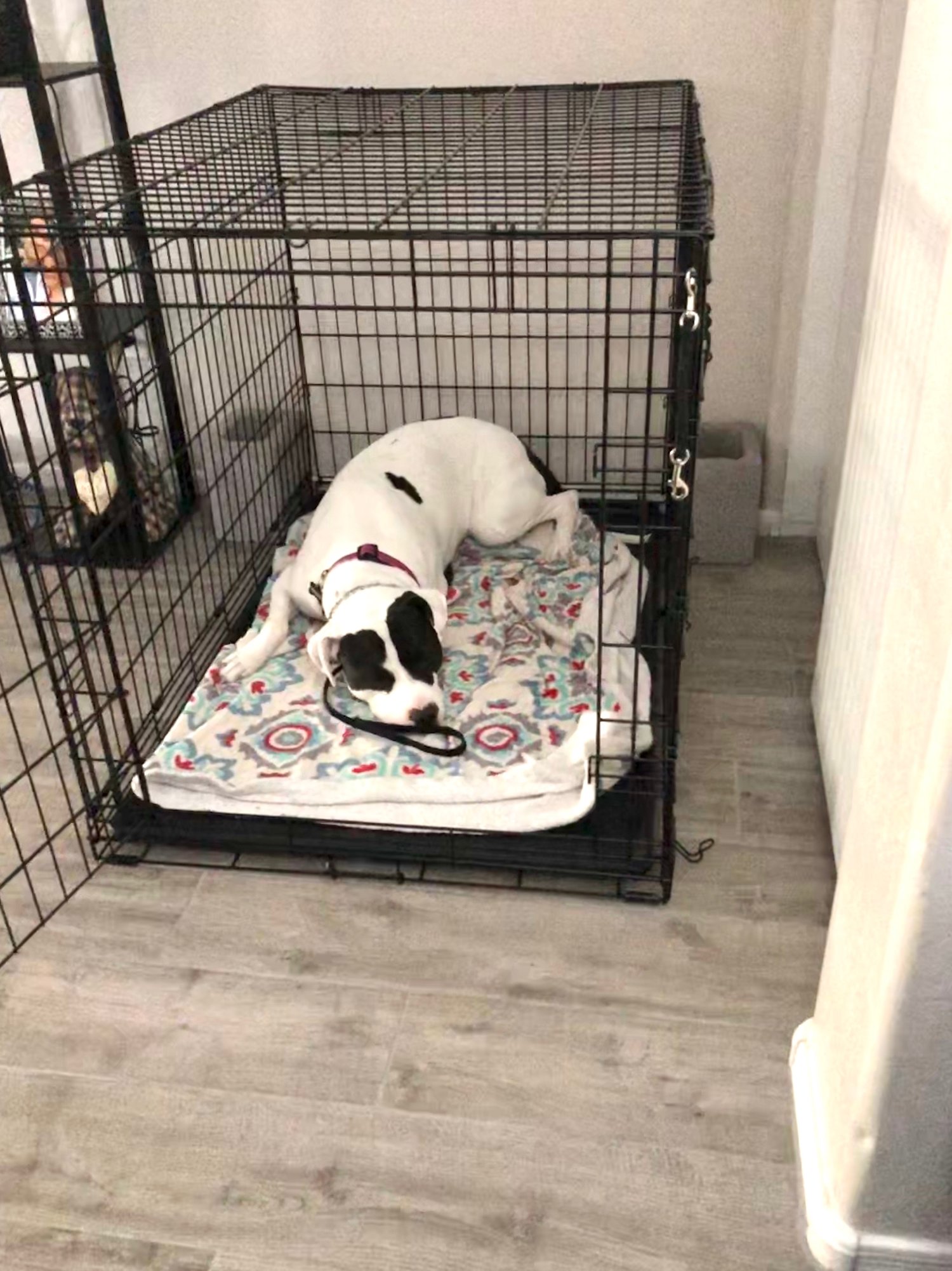
Credit: www.sadiesrulesk9training.com
Frequently Asked Questions
Why Does My Dog Bark In The Crate?
Dogs often bark in crates due to anxiety or boredom. They may feel confined or lack stimulation. Ensuring proper crate training and introducing engaging toys can help. Gradual acclimation to the crate can also reduce stress and barking.
How Can I Train My Dog To Be Quiet?
Training your dog involves consistent commands and positive reinforcement. Use treats to reward quiet behavior. Gradually increase crate time, ensuring the dog associates it with positive experiences. Patience and repetition are key to success.
What Toys Help Reduce Crate Barking?
Interactive toys and chewable items can keep your dog entertained. Kong toys filled with treats or puzzles are effective. These stimulate your dog’s mind, reducing boredom and the urge to bark. Always supervise the use of new toys.
Is My Dog’s Barking Due To Separation Anxiety?
Yes, separation anxiety can cause excessive barking in crates. Dogs feel stressed when left alone. Counter this by gradually increasing alone time and providing comforting items. Consistency in routines can also help ease anxiety.
Conclusion
Training your dog to stop barking in the crate takes patience. Consistency is key. Ensure your dog feels safe and comfortable. Practice crate training daily. Reward quiet behavior with treats or praise. Avoid giving attention when barking. This teaches that silence brings rewards.
Patience and understanding make a big difference. Use these tips regularly. Over time, your dog will adjust. A calm crate environment benefits everyone. Happy pet, happy owner. Remember, every dog is unique. Adjust techniques based on your dog’s needs. Consistent effort leads to success.
Enjoy peaceful moments with your furry friend.