You know the feeling: it’s late at night, and your dog is barking non-stop in their crate. This isn’t just frustrating; it can be downright exhausting.
You’ve tried everything you can think of, but nothing seems to work. Imagine finally having a peaceful night where your dog is calm and quiet, allowing you to get the rest you desperately need. Wouldn’t that be wonderful? What if there were simple, effective strategies you could use to stop your dog from barking in their crate?
Techniques that don’t require expensive training sessions or complicated gadgets. Just straightforward methods that work. In this guide, we’ll explore proven tactics to help your dog feel secure and comfortable in their crate, reducing the barking and bringing tranquility to your home. You’ll learn how to understand the underlying causes of your dog’s behavior and discover practical solutions that you can implement immediately. Ready to transform your nights from chaotic to calm? Let’s dive into the details and help you achieve the peace you deserve.
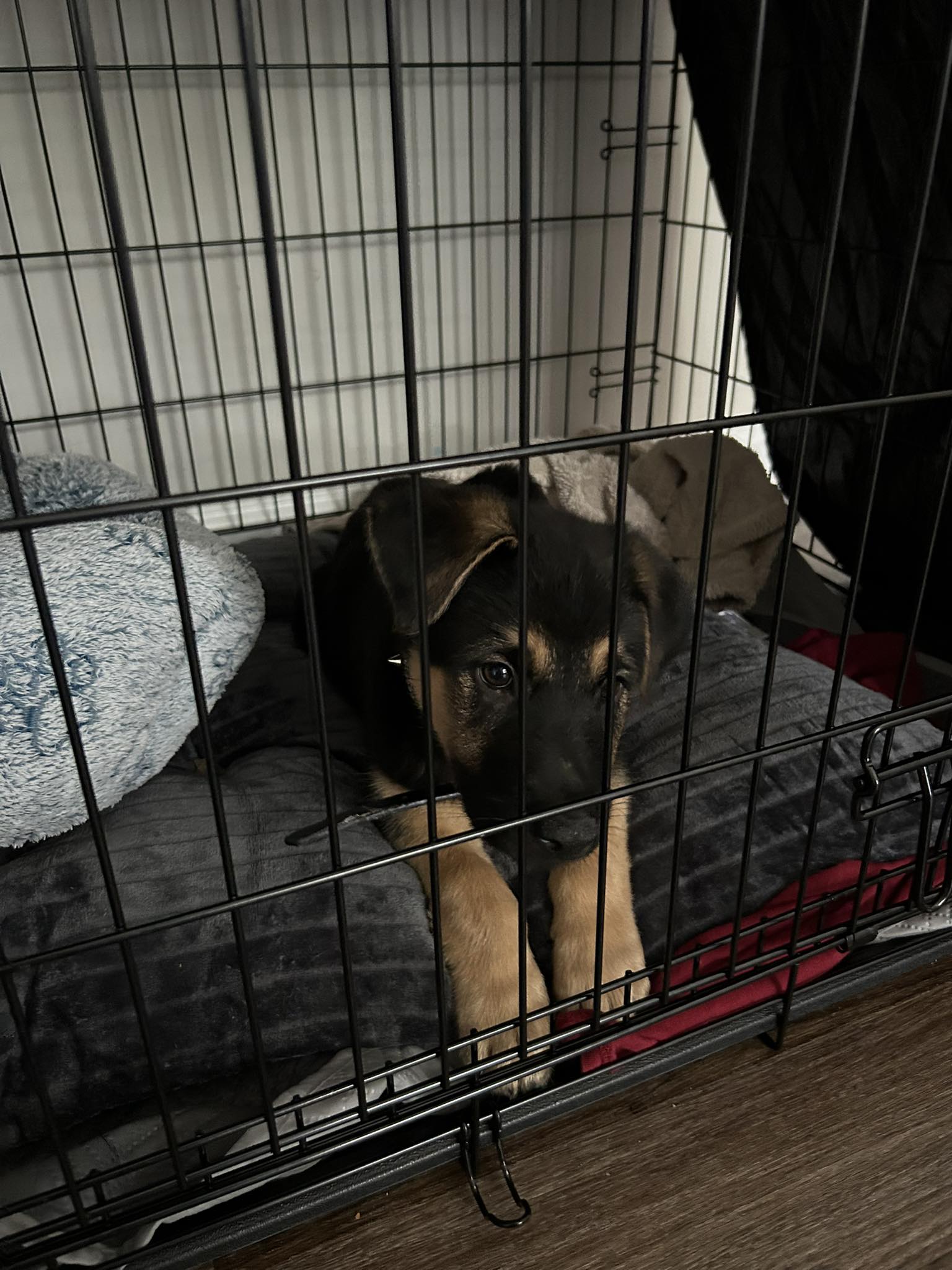
Credit: www.facebook.com
Causes Of Barking In Crates
Dogs may bark in crates due to anxiety, boredom, or discomfort. Address these issues to reduce barking. Ensure the crate is a positive space and provide toys for mental stimulation.
Understanding why your dog barks in a crate is key to solving the issue. Dogs bark due to various triggers. Identifying these causes helps address them effectively. Let’s explore common reasons why your dog might be barking in their crate.Separation Anxiety
Separation anxiety is a major cause of barking. Dogs are social animals. They feel stressed when left alone. This stress often leads to barking. They bark to express their distress. It can also be a call for you to return. Understanding this anxiety helps in managing the barking.Fear Or Discomfort
Fear or discomfort can trigger barking. The crate might feel unfamiliar or scary. Loud noises might startle them. Also, if the crate is too small, discomfort ensues. Ensure the crate is a safe and comfortable space. This reduces barking from fear or discomfort.Attention-seeking Behavior
Some dogs bark to get attention. They learn barking gets a response. Even a negative response can encourage them. They might feel bored or neglected. Giving them attention for quiet behavior can change this habit.Lack Of Exercise
A dog with excess energy might bark more. Lack of exercise leads to restlessness. This pent-up energy finds an outlet in barking. Regular exercise helps calm them. A tired dog is often a quiet dog. Ensure your dog gets enough physical activity daily.
Credit: www.petperspective.com.au
Choosing The Right Crate
Selecting the ideal crate can reduce your dog’s barking. Ensure it’s comfortable and appropriately sized. A cozy crate helps your dog feel secure and relaxed, minimizing anxiety and noise.
Choosing the right crate is crucial for a calm, quiet dog. The right crate helps your dog feel secure. It can reduce anxiety and barking. Let’s explore what to consider.Size Considerations
The crate should be big enough for your dog. Your dog should stand, turn, and lie down comfortably. A too-small crate can cause stress. Measure your dog before buying. Consider their full-grown size if they are a puppy.Material And Design
Choose a crate made of strong materials. Wire crates offer good ventilation. Plastic crates provide a den-like feel. Consider the crate’s design. Some crates have removable dividers. This feature is useful for growing puppies. Look for easy-to-clean designs.Placement In Home
Place the crate in a quiet area. Avoid high-traffic spots. The location should be calm and peaceful. Keep it away from drafts or direct sunlight. A corner of the living room is ideal. Ensure it’s a place where your dog can relax.Training Techniques
Consistent training helps reduce barking in crates. Introduce calming cues and positive reinforcement to create a peaceful environment. Gradually increase crate time to build comfort and minimize anxiety.
Training your dog to stop barking in the crate can be a rewarding experience for both you and your furry friend. Understanding effective training techniques can transform the crate from a source of anxiety into a haven of comfort for your dog. The key is to use methods that promote positive behavior without causing stress or fear.Positive Reinforcement
Positive reinforcement is a powerful tool in dog training. Reward your dog with treats or praise when they are quiet in the crate. Consistency is crucial. If your dog learns that being calm leads to rewards, they are more likely to repeat the behavior. Consider keeping a small bag of treats nearby. This way, you can quickly reward your dog when they stop barking. Have you noticed how your dog’s eyes light up with a bit of praise or a tasty treat?Gradual Crate Introduction
Introducing the crate gradually can help your dog feel more comfortable. Start by allowing your dog to explore the crate without closing the door. Place a favorite toy or a soft blanket inside to make it inviting. Once your dog seems comfortable, try closing the door for short periods while you’re nearby. Gradually increase the duration as they become more accustomed to the crate. Remember, patience pays off. Have you ever tried easing into a new routine instead of diving in headfirst?Establishing A Routine
Dogs thrive on routine, and establishing a consistent schedule can help reduce anxiety. Feed your dog, take them for a walk, and crate them around the same times each day. This predictability can reassure them that the crate is a normal part of their day. Set specific times for your dog to be in the crate, and stick to them as much as possible. This structure helps them understand when it’s time to relax. Could your own daily routines benefit from a little more consistency?Creating A Comfortable Environment
Creating a calm crate setting can reduce barking. Ensure the crate is cozy with soft bedding and toys. Use soothing sounds or dim lights to help your dog relax.
Creating a comfortable environment for your dog in their crate can significantly reduce barking. A cozy space helps them feel secure and relaxed, minimizing stress and anxiety. The right setting can transform the crate into a peaceful haven for your furry friend. Let’s explore how you can optimize your dog’s crate experience.Temperature Control
Maintaining the right temperature is crucial for your dog’s comfort. Ensure the crate is in a spot that is neither too hot nor too cold. Use fans or heaters to adjust the temperature as needed. Your dog should feel cozy without overheating or shivering.Noise Reduction
Noise can be a major stressor for dogs. Place the crate in a quiet area of your home. Consider using soundproofing materials to minimize disturbances. Playing soft music can help soothe your dog, creating a calming atmosphere.Familiar Items
Include familiar items in the crate to comfort your dog. A favorite blanket or toy can make the space feel safe. These items carry your dog’s scent, providing reassurance. Familiar smells can ease stress and reduce barking.Using Toys And Treats
Using toys and treats can help keep your dog calm in the crate. Choose chew toys and special treats to distract and comfort them. This positive reinforcement encourages quiet behavior and reduces anxiety.
Using toys and treats can be a great way to stop barking in the crate. Dogs often bark due to boredom or anxiety. Engaging toys and tasty treats can distract them and keep them calm. This method not only curbs barking but also enriches their environment.Interactive Toys
Interactive toys are excellent for keeping your dog engaged. These toys challenge your dog mentally. They often require problem-solving skills. This keeps your dog busy for a long time. Look for toys that move or make sounds. They spark curiosity and provide entertainment.Treat Dispensing Toys
Treat dispensing toys are a fun way to reward your dog. They release treats when your dog plays with them. This encourages your dog to focus on the toy. It keeps them occupied and reduces barking. Make sure to fill the toy with their favorite treats. This increases their interest and excitement.Chew Toys
Chew toys are a must-have for crate training. They satisfy your dog’s natural urge to chew. Chewing is a calming activity for dogs. It helps reduce stress and barking. Choose durable toys that can withstand heavy chewing. This ensures safety and longevity.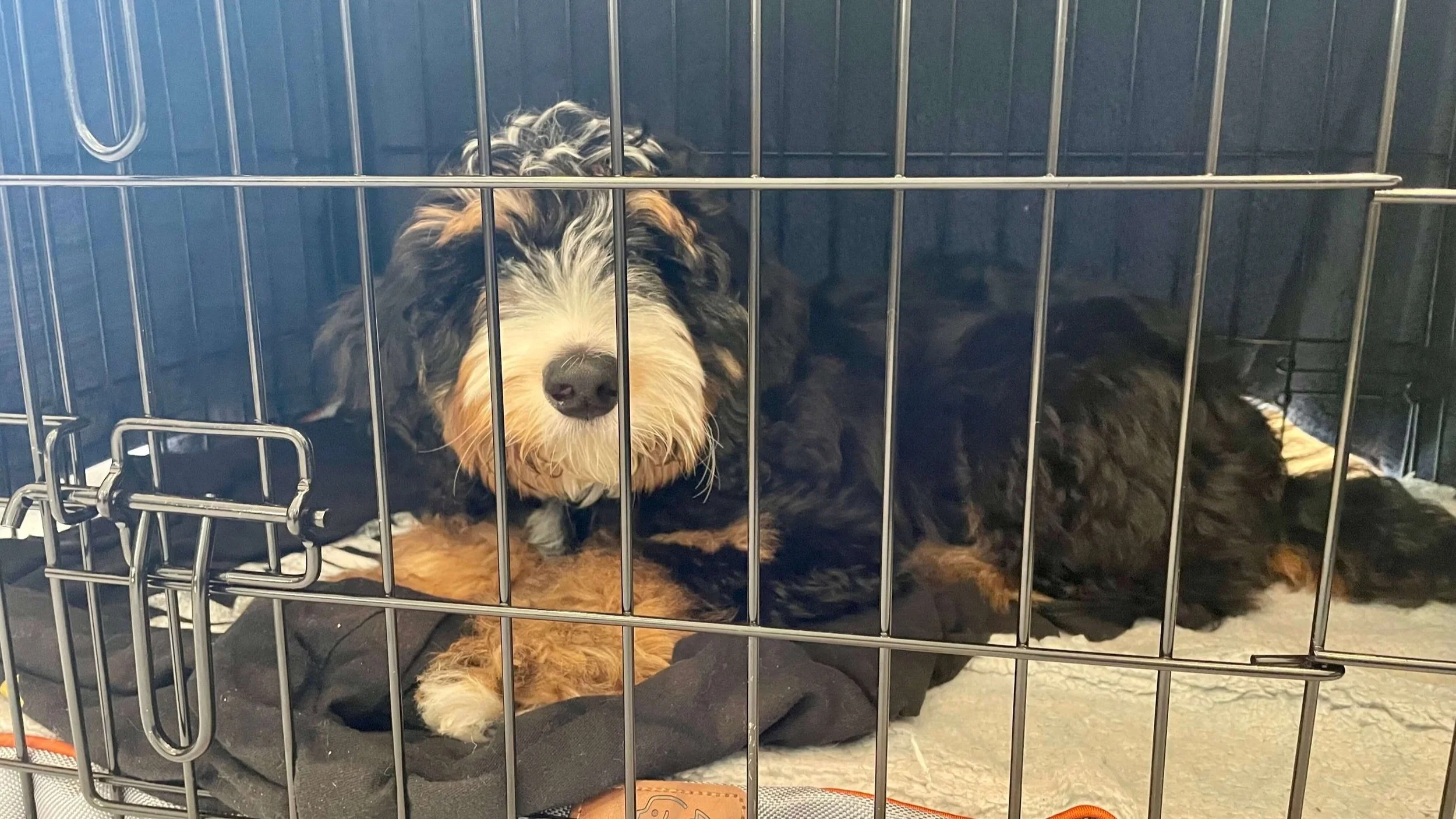
Credit: www.dogsavvylosangeles.com
Professional Help
Seeking professional help can be key to managing crate barking. Experts offer tailored strategies to ease your dog’s anxiety, ensuring a peaceful environment.
When your furry friend just won’t stop barking in their crate, sometimes it’s best to seek professional help. While it’s natural for dogs to bark, incessant barking can become a problem that requires expert intervention. By consulting professionals, you can gain insights that you might not have considered, making life more peaceful for both you and your pet.Consulting A Trainer
A professional dog trainer can be a lifesaver. They can provide you with personalized strategies to address your dog’s barking. Trainers often observe your dog’s behavior in different settings to identify triggers and suggest effective solutions. Trainers use positive reinforcement to encourage good behavior. They might recommend specific training routines that discourage barking. Have you ever thought about how rewarding silence can be for a dog?Behavioral Therapy
Sometimes, barking can be a sign of deeper behavioral issues. Behavioral therapists specialize in identifying and addressing these underlying problems. They can work with your dog to change unwanted behaviors. Therapists often focus on desensitization techniques. This involves gradually exposing your dog to the stimuli that cause barking, helping them become less reactive over time. Could your dog’s barking be a sign of stress or anxiety?Veterinary Advice
Consulting a veterinarian can be crucial if barking is sudden or unusual. Health issues can sometimes manifest as behavioral changes, including barking. A vet can rule out medical causes and provide guidance on next steps. If your dog is healthy, your vet might suggest calming supplements or medications. These can be beneficial if anxiety is contributing to the barking. It’s important to consider whether your dog’s barking might have a physical cause. Seeking professional help can be a game-changer. Each expert offers unique insights that can address your dog’s barking from different angles. By combining their advice, you can create a more harmonious environment for you and your dog.Consistency And Patience
Consistency and patience are key to stopping a dog from barking in its crate. Regularly rewarding quiet behavior and calmly addressing barking can help your dog feel more comfortable and secure.
Consistency and patience are key to stopping a dog from barking in a crate. Dogs thrive on routine and predictability. Establish a consistent schedule to help your dog feel secure. This involves regular feeding, walks, and crate time. Patience is crucial as your dog adjusts to new habits. It may take time for them to learn that barking won’t yield results. Stay calm and positive during this process.Monitoring Progress
Keep track of your dog’s behavior. Observe when the barking occurs and note any patterns. Is it during certain times or situations? Use this information to adjust your approach. Consider keeping a journal to log daily observations. This helps in identifying triggers and improvements over time.Adjusting Techniques
If barking persists, try different strategies. Experiment with crate placement or introduce calming aids. Ensure the crate is comfortable and inviting. Adjust techniques based on your dog’s needs. Sometimes, a small change can make a significant difference.Celebrating Small Wins
Celebrate small victories. Each quiet night is a step forward. Reward your dog for calm behavior with treats or praise. Positive reinforcement encourages them to repeat good behavior. Recognizing progress boosts your confidence and helps your dog feel encouraged.Frequently Asked Questions
Why Does My Dog Bark In The Crate?
Dogs may bark in the crate due to anxiety or discomfort. Ensure the crate is cozy and familiar. Gradually acclimate your dog to the space with positive reinforcement. A comfortable environment can help reduce stress and barking.
How Can I Calm A Barking Dog?
To calm a barking dog, use soothing words and gentle touches. Provide toys or treats to distract them. Ensure your dog feels secure and comfortable in its environment to prevent barking due to stress or boredom.
Is Crate Training Effective For Barking?
Crate training is effective for managing barking when done correctly. Introduce the crate gradually and associate it with positive experiences. Consistent training with rewards can help your dog feel comfortable and reduce excessive barking.
What Toys Help Reduce Crate Barking?
Interactive toys, like puzzle feeders or chew toys, can reduce crate barking. These toys occupy your dog’s mind and alleviate boredom. Providing toys can make the crate a pleasant place, reducing the urge to bark.
Conclusion
Teaching your dog to stop barking in the crate takes patience. Consistency is key. Use positive reinforcement to encourage quiet behavior. Try giving treats when your dog stays calm. A comfortable crate helps reduce anxiety. Make sure your dog gets enough exercise.
A tired dog barks less. Practice crate time when you’re home. This builds trust. Gradually extend the time spent in the crate. With time and effort, barking will decrease. Remember, every dog is unique. Tailor techniques to fit your dog’s needs.
Keep a calm and patient attitude throughout the process. Your efforts will pay off.