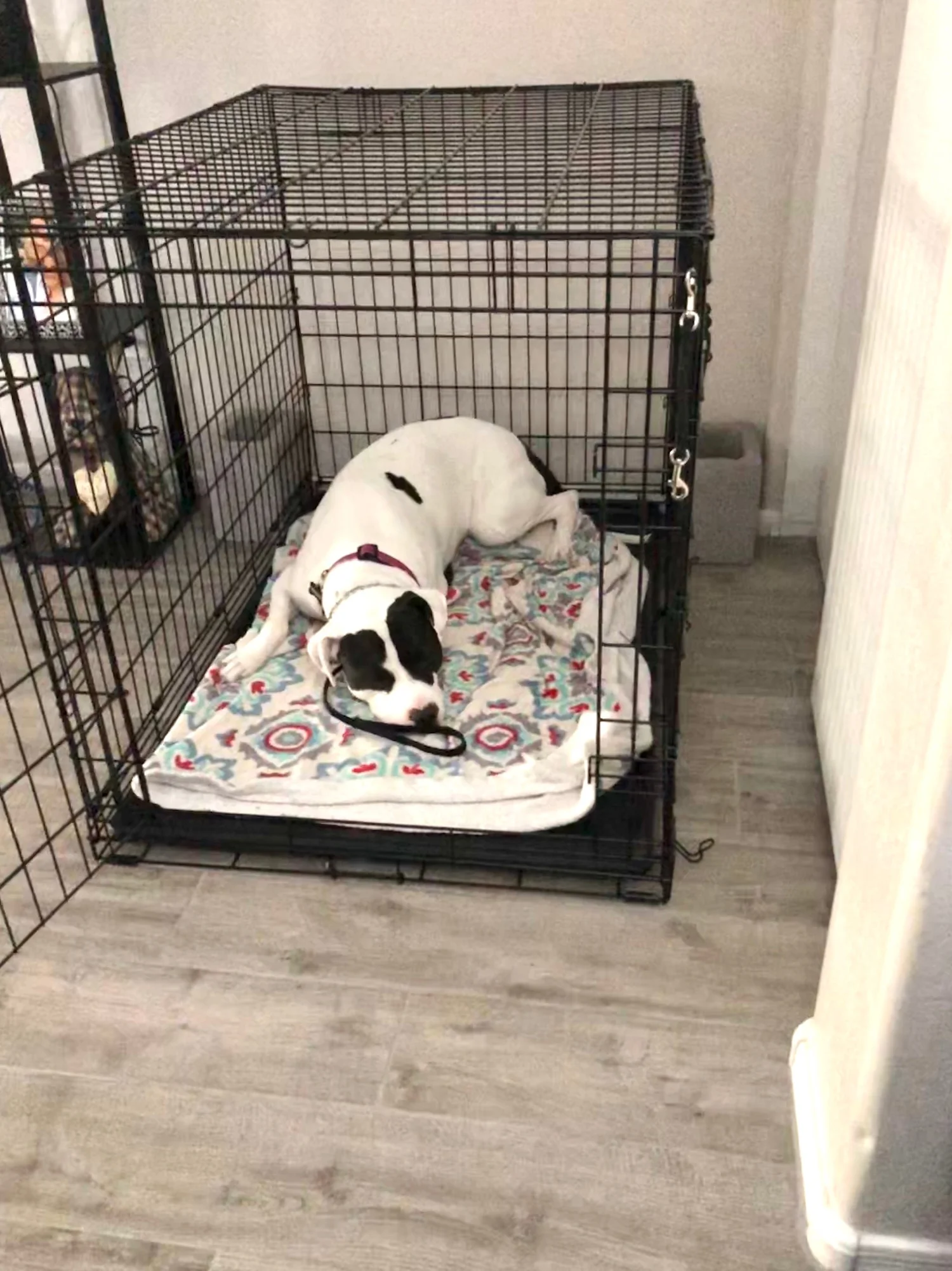
How to Stop Dog from Urinating in Crate: Proven Tips
Senior Canine Nutritionist & Dog Behavior Specialist at Cozy Dog Go Wellness Lab

Are you frustrated by your dog urinating in their crate? You’re not alone.
Many dog owners face this challenging behavior, and it can leave you feeling overwhelmed and helpless. But here’s the good news: understanding why your dog is doing this is the first step toward solving the problem. Imagine coming home to a clean crate every day, a happy pup waiting for you, and the peace of mind knowing that you’ve cracked the code on this puzzling behavior.
This guide is here to help you achieve just that. You’ll discover practical tips and insights that will not only stop your dog from urinating in the crate but also strengthen the bond between you and your furry friend. Ready to transform your crate training experience? Let’s dive in!
Common Causes
Understanding why your dog might be urinating in their crate is the first step towards solving the issue. There are various common causes that can contribute to this behavior. Identifying the root of the problem will help you take effective measures to prevent it. Let’s explore some of these causes.
Medical Issues
One possible reason your dog is urinating in their crate could be medical issues. Dogs, like humans, can suffer from urinary tract infections or bladder problems that make it difficult for them to control their bladder. It’s important to consult a veterinarian to rule out any health-related concerns. Have you noticed if the urination is accompanied by other symptoms like excessive thirst or lethargy?
Behavioral Factors
Behavioral issues can also lead to crate urination. Anxiety or stress, especially if your dog is left alone for long periods, can trigger this behavior. Consider if there have been recent changes in your household that might be unsettling for your dog. You might want to try leaving a comforting item with them, like a piece of your clothing, to ease their anxiety.
Age And Developmental Stage
A puppy’s age and developmental stage can be a major factor. Puppies have tiny bladders and may not yet have learned to hold it for extended periods. Are you providing regular potty breaks based on your puppy’s age? Establishing a consistent schedule for bathroom breaks can help train them gradually. Remember, patience is key as they learn to control their impulses.
Assessing Your Dog’s Routine
Regularly assess your dog’s routine to address crate urination issues. Ensure proper timing for meals and bathroom breaks. Adjust the schedule to prevent accidents and make the crate experience more comfortable.
Assessing your dog’s routine is crucial when you’re trying to stop crate urination. Your dog’s daily habits can give you insight into why this might be happening. By carefully observing and adjusting their routine, you can make meaningful changes that lead to a dry crate.Monitoring Feeding Schedule
Feeding your dog at the same time every day can significantly impact their bathroom habits. Consistent meal times help regulate their digestive system, making it easier to predict when they need to go outside. Have you considered adjusting the feeding time to see if it aligns better with your availability to take them out? Keeping track of what and how much your dog eats is also important. Sudden changes in diet can lead to unexpected accidents. Are you feeding your dog a balanced diet that suits their age, size, and activity level?Tracking Potty Breaks
Regular potty breaks are essential for preventing crate urination. Ensure your dog gets enough opportunities to relieve themselves throughout the day. Have you been able to establish a consistent bathroom routine that your dog can rely on? Observe the patterns in your dog’s bathroom habits. Do they need to go out more frequently at certain times of the day? By identifying these patterns, you can adjust your schedule to meet their needs better. Consider keeping a journal of your dog’s potty schedule. This can help you notice trends and make informed decisions. Have you tried documenting your dog’s habits to see if there’s room for improvement?Crate Training Techniques
Crate training is crucial for your dog’s behavior. It helps create a safe space for them. With the right techniques, you can stop your dog from urinating in the crate.
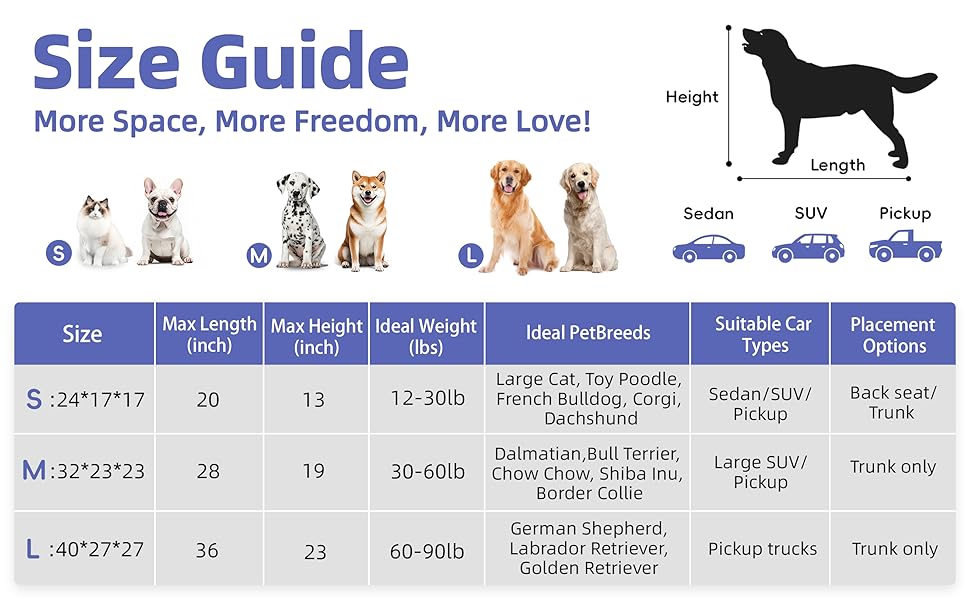
Choosing The Right Crate Size
The crate should fit your dog comfortably. They should stand, turn, and lie down easily. A too-large crate may encourage urination in one corner. A snug fit prevents this behavior.
Creating A Positive Environment
Make the crate inviting for your dog. Place a soft blanket inside. Add a favorite toy. Keep it in a quiet, stress-free area. This encourages your dog to see the crate as a safe haven.
Gradual Introduction
Introduce the crate slowly to your dog. Start with short periods of time. Let your dog explore it with the door open. Offer treats for entering the crate. Gradually increase the time they spend inside. This builds positive associations.
Credit: www.tiktok.com
Professional Training Assistance
Understanding the reasons behind a dog’s urination in the crate is vital. Implementing regular potty breaks and positive reinforcement can help change this behavior effectively.
Professional Training Assistance Seeking professional help can transform your dog’s behavior. Trainers offer insights into your dog’s needs. They use structured methods to correct crate urination. This guidance builds a solid foundation for your dog’s training journey.Finding A Certified Trainer
Look for certified trainers with proven experience. A certified trainer uses standardized techniques. These trainers are skilled in canine behavior. They tailor sessions to your dog’s specific needs. Certification ensures they follow ethical training practices.Benefits Of Obedience Classes
Obedience classes provide structured environments. Dogs learn commands in a controlled setting. Classes improve communication between you and your dog. They teach dogs to follow rules consistently. Socialization with other dogs is an added benefit.
Credit: www.reddit.com
Frequently Asked Questions
Why Does My Dog Urinate In The Crate?
Dogs may urinate in crates due to anxiety, illness, or poor training. Ensure the crate is properly sized and comfortable. Address any health issues with a vet. Gradual crate training can help reduce stress. Positive reinforcement encourages good behavior, preventing accidents.
How Can I Stop Crate Urination?
To stop crate urination, establish a consistent routine with regular bathroom breaks. Ensure the crate is comfortable and clean. Use positive reinforcement to encourage outdoor urination. If problems persist, consult a veterinarian for advice on potential health concerns.
Is Crate Size Important For Preventing Urination?
Yes, crate size is crucial for preventing urination. A crate too large may encourage urination in one corner. Choose a crate that allows the dog to stand, turn, and lie comfortably. A snug fit discourages using the crate as a bathroom.
Can Anxiety Cause Crate Urination In Dogs?
Yes, anxiety can lead to crate urination in dogs. Separation anxiety and fear can trigger accidents. Gradual crate training and familiarizing your dog with the space can help. Provide comfort items like toys or blankets. Consult a vet if anxiety persists.
Conclusion
Helping your dog stop urinating in the crate is possible. Stay patient and consistent. Reward good behavior with treats or praise. Clean the crate regularly to remove odors. Ensure the crate is comfortable and appropriately sized. Take your dog out frequently for potty breaks.
Monitor your dog’s habits and adjust routines as needed. Consult a vet if issues persist. Remember, every dog is unique. What works for one might not work for another. Keep trying different strategies. Your dog will learn with time and care.

Similar Posts