When it comes to your furry friend’s bedtime routine, you might be wondering about the best sleeping arrangement for them. Should dogs sleep in crates?
This question often sparks a debate among pet owners. You care deeply about your dog’s comfort and happiness, but you also want to ensure their safety and well-being. Crate training is a popular method that many swear by, yet it might leave you questioning if it’s the right choice for your beloved pet.
You’ll discover the benefits and considerations of having your dog sleep in a crate, helping you make an informed decision that suits both you and your canine companion. Get ready to uncover insights that could enhance your dog’s sleep quality and your peace of mind. Don’t miss out on finding the balance between cozy comfort and beneficial boundaries for your dog’s nightly rest.
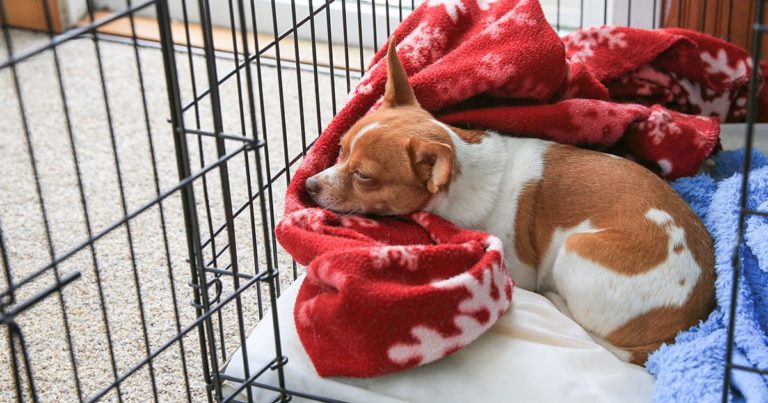
Credit: www.diamondpet.com
Benefits Of Crate Sleeping For Dogs
Crate sleeping for dogs is a topic that brings with it a myriad of opinions. However, understanding the benefits can help you decide if it’s the right choice for your furry friend. Let’s explore how crate sleeping can enhance your dog’s life and ease your pet care routine.
Safety And Security
A crate acts as a safe haven for your dog, providing a space that is entirely their own. This can be particularly reassuring during stressful situations like thunderstorms or when guests visit. Imagine your dog feeling snug and secure, just like they would in a cozy den.
Moreover, crating can prevent unwanted accidents or injuries when you’re not around to supervise. You wouldn’t want your dog chewing on electrical cords or other dangerous items, right?
House Training Aid
Crates can be invaluable for house training, helping puppies learn bladder control. Dogs instinctively avoid soiling their sleeping area, which encourages them to hold it until they’re let outside. This can speed up the training process and make it less frustrating for both you and your dog.
Have you ever tried to teach a puppy where to go potty? The crate can serve as a clear boundary, making the learning process more straightforward.
Travel Convenience
Crate training your dog can make travel much less stressful. Whether you’re taking a road trip or flying, a crate can serve as a familiar, calming space. It’s like bringing a piece of home with you wherever you go.
Consider how much easier travel can be when your dog is comfortable and relaxed in their own crate. This can lead to a more enjoyable experience for both of you.
In essence, while some may have reservations about crate sleeping, the benefits can be substantial. Have you considered how a crate could improve both your dog’s life and yours?

Credit: www.facebook.com
Potential Drawbacks
Crate training is a popular method for dog owners. It offers safety and structure. Yet, it has potential drawbacks that need attention. Understanding these can help make informed decisions.
Stress And Anxiety
Some dogs may feel stressed in a crate. The confined space can increase anxiety. Dogs with separation anxiety may find crates overwhelming. They might bark or whine excessively. This can lead to disruptive behavior. It is important to monitor their reactions.
Limited Space Concerns
Crates can restrict movement. Dogs need space to stretch and move. A small crate can cause physical discomfort. It may hinder proper growth in puppies. Dogs might feel trapped in limited spaces. Ensuring the right crate size is crucial for comfort.
Choosing The Right Crate
Choosing the Right Crate Dogs can feel secure and comfortable sleeping in crates. It provides them with a cozy, personal space. Safety and routine are key benefits of crate training for dogs.
Choosing the right crate for your dog is crucial, as it can affect their comfort and sense of security. A well-chosen crate can become a sanctuary for your furry friend, helping them feel safe and relaxed. But how do you decide on the perfect crate? Consider these essential factors to ensure your dog’s crate is a cozy haven rather than a cramped cage.Size And Comfort
The size of the crate should be your first consideration. It must be spacious enough for your dog to stand, turn around, and lie down comfortably. A cramped crate can lead to anxiety and discomfort for your pet. Measure your dog from nose to tail and from floor to the top of their head. These dimensions will guide you to the right crate size. Remember, your dog should feel like they have their own room, not just a corner.Material Considerations
Crates come in various materials, each with its pros and cons. Plastic crates are durable and offer privacy, while metal wire crates provide ventilation and visibility. Think about your dog’s behavior. If they tend to chew or escape, a sturdy metal crate might be the best option. For travel, lightweight plastic crates could be more practical.Placement And Environment
Where you place the crate can influence your dog’s comfort. Situate the crate in a quiet area, away from direct sunlight and drafts, to create a peaceful sleeping environment. Consider the room’s temperature and noise level. Dogs are social animals, so placing the crate where they can see and hear family activity can help them feel included and secure. Have you ever noticed how your dog seeks out specific spots to rest? Use this insight to choose a crate location that naturally attracts them.Training Tips For Crate Sleeping
Training your dog to sleep in a crate can seem daunting. Yet, it can offer a safe haven for your furry friend. A crate provides security and helps with house training. Consistent training leads to a positive crate experience. Let’s explore effective tips for crate sleeping.
Positive Reinforcement Techniques
Positive reinforcement plays a crucial role in crate training. Reward your dog with treats for going near the crate. Praise them warmly when they step inside. This makes the crate a happy place. Consistent rewards encourage your dog to repeat the behavior. Over time, they associate the crate with positive outcomes.
Gradual Introduction Strategies
Introduce the crate gradually to prevent anxiety. Start by placing the crate in a common area. Let your dog explore it freely. Place toys and treats inside to attract them. Once comfortable, gently guide them into the crate. Keep the door open initially. Gradually increase the time they spend inside. This builds trust and reduces fear.
Alternatives To Crate Sleeping
Considering alternatives to crate sleeping for your dog can open up a world of possibilities that may better suit your pet’s personality and your home environment. While crates offer security and structure, they aren’t the only option for providing a comfortable sleeping spot. Let’s delve into some alternatives that might just become your dog’s favorite place to snooze.
Dog Beds And Mats
Dog beds and mats provide a cozy and inviting space for your furry friend to rest. These come in various shapes, sizes, and materials, ensuring that you can find the perfect fit for your dog’s needs. Whether it’s a plush bed for your tiny Chihuahua or a durable mat for your energetic Labrador, there’s something out there for every pup.
Consider the bed’s location within your home. Is it in a quiet corner or near the hustle and bustle of family life? Some dogs love being near their humans, while others prefer a quieter spot. Reflect on your dog’s preferences and choose accordingly.
Personal experience can guide you here. If your dog seems restless in the crate, a change to a soft bed might be just what they need. You might find that your dog curls up in their bed more peacefully, feeling more connected to the household.
Open Space Options
Not every dog appreciates confined spaces, and open areas can offer freedom and comfort. An open space can be a specific room or a designated area in your living room, offering your dog the flexibility to move around as they please.
Think about using baby gates to create a safe environment within your home. This way, you can give your dog the space they need while ensuring they don’t wander into unsafe areas.
Engage with your dog’s natural instincts. Some dogs love lying by the window, basking in the sunlight, or watching the world go by. Creating open space options can cater to these instincts, enhancing their comfort and happiness.
What’s your dog’s favorite spot in the house? Observing their behavior can provide insights into where they feel most relaxed, helping you create an ideal sleeping environment.
Expert Opinions And Studies
Understanding whether dogs should sleep in crates involves considering various expert opinions and studies. Many professionals, from veterinarians to behavioral scientists, have weighed in on this topic, each bringing their unique perspective and insights. Let’s dive into what they have to say and what the research reveals about crate sleeping for dogs.
Veterinarian Insights
Veterinarians often recommend crate sleeping for dogs, emphasizing the importance of a safe and secure space. Crates can provide a sense of security, akin to a den in the wild. This is crucial in preventing anxiety and fostering a calm environment.
A vet I consulted for my anxious pup suggested a crate as part of his bedtime routine. This not only improved his sleep quality but also reduced his stress during the day. Could a crate be the answer to your dog’s sleep troubles?
Behavioral Studies
Behavioral studies shed light on how crate sleeping affects dogs’ mental health and behavior. Research indicates that crates, when used appropriately, can improve a dog’s behavior by providing them with structure and boundaries.
One study found that dogs that slept in crates exhibited less destructive behavior during the day. This supports the idea that a crate can be a beneficial tool for managing a dog’s energy and impulses. How might this impact your dog’s daily routine?

Credit: www.facebook.com
Frequently Asked Questions
Is Crate Training Beneficial For Dogs?
Crate training can be beneficial as it provides a safe space for dogs. It helps with house training and prevents destructive behavior. However, it’s essential to introduce the crate positively and ensure it’s a comfortable environment. Always ensure the crate is appropriately sized for the dog.
How Long Should A Dog Sleep In A Crate?
Dogs should not spend excessive time in crates. Puppies can be crated for a few hours, while adult dogs can manage overnight. Ensure your dog has enough exercise and breaks outside the crate. Always prioritize your dog’s comfort and well-being when considering crate time.
Can Crate Sleeping Help With Anxiety?
Crate sleeping can help with anxiety by offering a secure and cozy space. It can reduce stress, especially during travel or when guests visit. However, it’s crucial to associate the crate with positivity. Never use it as punishment, and consult a vet if anxiety persists.
Is It Safe For Puppies To Sleep In Crates?
Yes, it’s safe for puppies to sleep in crates if introduced correctly. Ensure the crate is comfortable and appropriately sized. Puppies need frequent bathroom breaks, so don’t leave them crated too long. Gradually increase crate time as they grow and adapt.
Conclusion
Crate training offers many benefits for dogs and owners. Safety, comfort, and routine make crates appealing. Some dogs see crates as their personal space. Others may need time to adjust. Always monitor your dog’s comfort and stress levels. Every dog is unique.
Choose what’s best for your furry friend. Start slow, and be patient. Consult your vet for guidance if needed. Balance is key. Crates can be helpful when used correctly. Your dog’s happiness matters most. Remember, a happy dog means a happy home.