Should I Crate Train My Dog: Essential Guide
Senior Canine Nutritionist & Dog Behavior Specialist at Cozy Dog Go Wellness Lab

Are you wondering if crate training is the right choice for your furry friend? You’re not alone.
Many dog owners find themselves at a crossroads, unsure whether this popular method is suitable for their beloved pets. Crate training can be a powerful tool, offering benefits like safety, security, and peace of mind. But is it the right fit for you and your dog?
This article will explore the ins and outs of crate training, providing you with the insights you need to make an informed decision. By the end, you’ll feel confident in knowing whether crate training will enhance your dog’s life and yours. Dive in to discover how this method could transform your relationship with your canine companion, making your life easier and your dog’s happier.
Benefits Of Crate Training
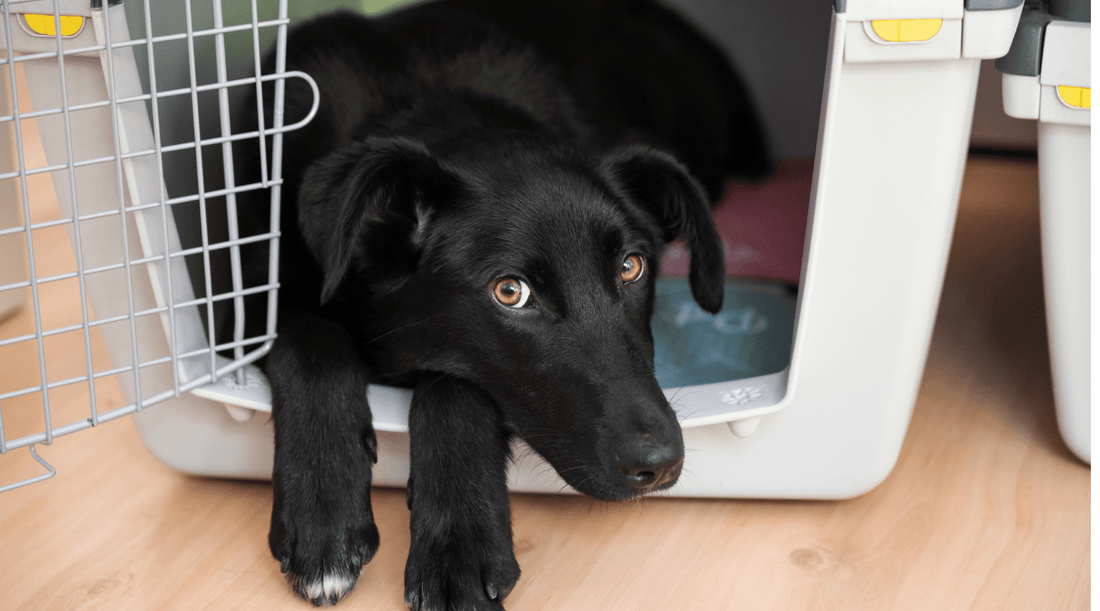
Crate training helps dogs feel safe and secure, offering them a personal space. It aids in housebreaking and reduces anxiety. Plus, it keeps your home safe when you’re away.
Crate training offers many benefits for your dog and home. It provides structure, enhances safety, and supports behavioral development. Below, explore the key advantages of crate training.Safety And Security
A crate acts as a safe haven for your dog. It offers a personal space to relax and feel secure. This safe space can help reduce anxiety in dogs. During stressful times like thunderstorms, a crate can be calming.Housebreaking Aid
Crate training simplifies housebreaking. Dogs naturally avoid soiling their sleeping area. This trait helps teach them when and where to relieve themselves. Consistent crate use can speed up the housebreaking process.Travel Convenience
Crates make traveling with your dog easier. They provide a familiar space in a new environment. This familiarity reduces stress during trips. Crates also ensure safety in the car, preventing distractions.Behavioral Management
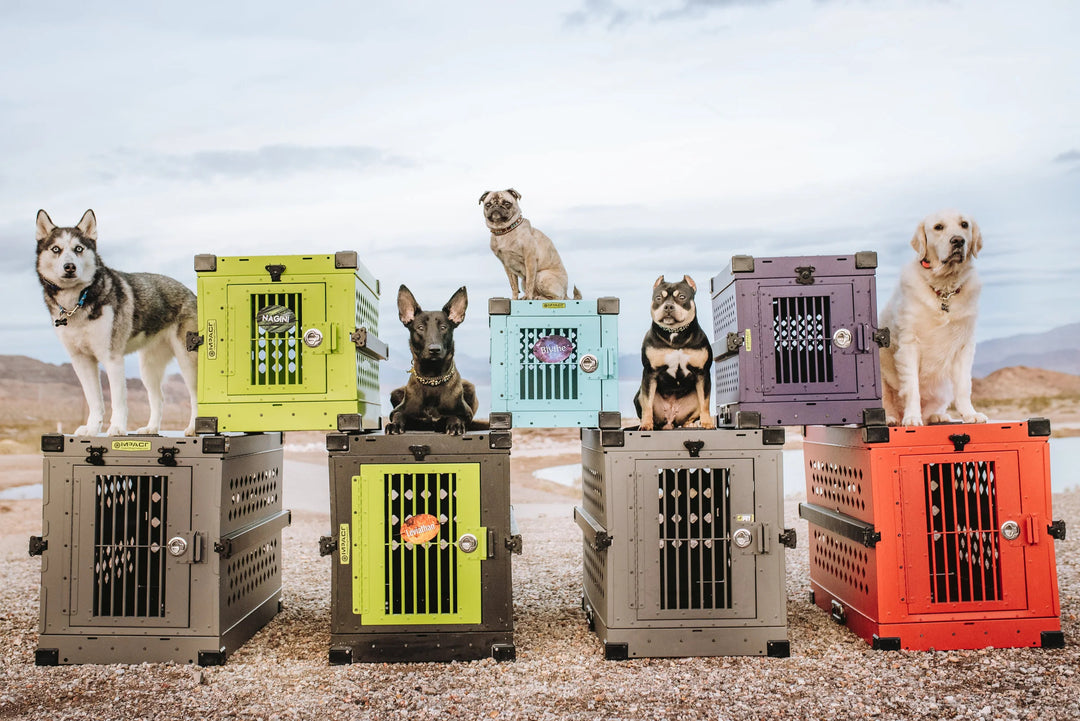
Crates help manage behavior effectively. They provide a space for time-outs when needed. This can prevent bad habits and promote calm behavior. Crate training also helps with impulse control.Credit: www.impactdogcrates.com
Choosing The Right Crate
Choosing the right crate for your dog is a crucial step in crate training. It’s not just about finding a place for them to rest; it’s about creating a secure and comfortable environment that aligns with their needs. The right crate can make all the difference in your dog’s training journey, ensuring they feel safe, relaxed, and at home.
Size And Space Considerations
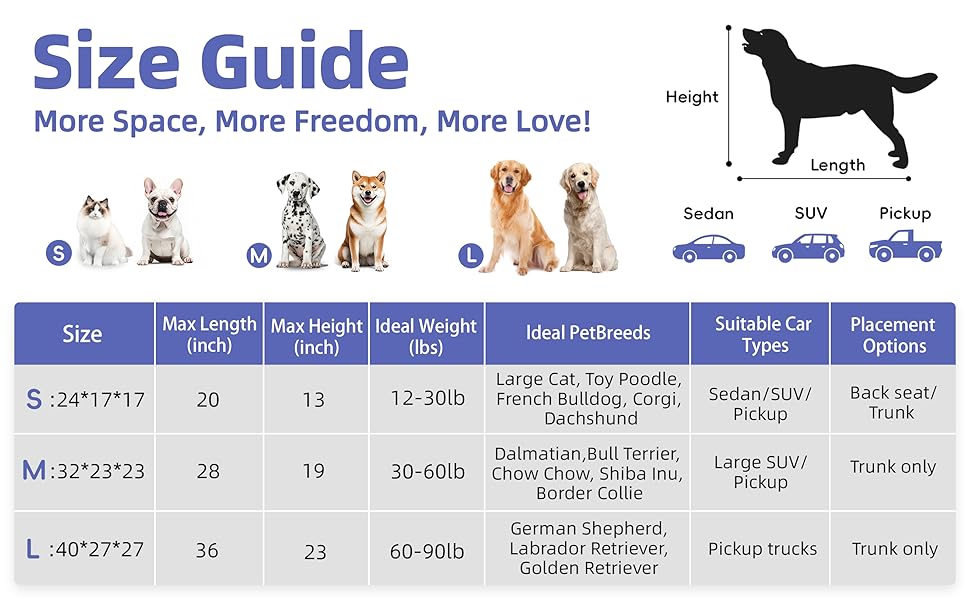
Ensuring your crate is the right size is essential. A crate that is too small can cause stress and discomfort, while one that is too large might negate the sense of security it should provide. Measure your dog from nose to tail and from the ground to the top of their head to find a snug fit. Consider if your dog is still growing, and opt for a crate that can accommodate their future size.
Do you travel often? A collapsible crate might be beneficial for easy transport. Evaluate your living space, as placing the crate in a quiet corner might help your dog feel more at ease.
Material Options
Crates come in various materials such as plastic, metal, and fabric. Plastic crates are sturdy and provide privacy, which can be comforting for anxious dogs. Metal crates offer durability and ventilation, making them great for larger breeds or chewers. Fabric crates are lightweight and portable, ideal for travel or indoor use.
Think about your dog’s behavior: Are they likely to chew or scratch? This will guide you in choosing a material that withstands their habits. Each material has its pros and cons, so weigh them against your dog’s specific needs.
Comfort And Accessories
A crate should be a cozy den for your dog. Adding a soft bed or blanket can make it more inviting, ensuring they feel comfortable and secure. Consider adding toys to keep them entertained and a water bowl for hydration, especially if they spend extended periods in the crate.
Have you thought about crate covers? These can offer privacy and help your dog relax. Accessories can transform a simple crate into a personal sanctuary. Always ensure anything added is safe and not a choking hazard.
Steps To Effective Crate Training
Crate training provides a safe space for your dog. Start with short periods inside the crate. Gradually increase time as your dog becomes comfortable. Positive reinforcement helps in making the crate a pleasant place.
Crate training can transform your dog’s life. It offers a safe space for rest and relaxation. For success, follow these simple steps. Introduce the crate properly and build positive associations. Then, increase the time your dog spends inside. Let’s dive deeper into each step.Introducing The Crate
Place the crate in a busy area of your home. This helps your dog feel part of the family. Keep the door open and let your dog explore. Make it inviting with a soft blanket or favorite toy. Encourage your dog to enter by placing treats inside. Be patient. Some dogs need time to adjust.Creating Positive Associations
Link the crate to positive experiences. Offer treats and praise when your dog enters. Feed meals near or inside the crate. This makes the crate a happy place. If your dog seems nervous, play games nearby. Keep the crate experience fun and stress-free.Gradual Increase In Time Spent
Start with short crate sessions. Five minutes at first. Gradually extend the time as your dog becomes comfortable. Stay nearby so your dog feels secure. Practice while you’re home before leaving your dog alone. Always return with a treat and praise. This reassures your dog that the crate is safe.
Credit: www.sadiesrulesk9training.com
Common Challenges
Crate training your dog offers many benefits, but it can present challenges. Understanding these challenges helps ensure a smoother training process. Let’s explore some common hurdles you might face and how to tackle them effectively.
Overcoming Fear And Anxiety
Some dogs feel anxious when introduced to a crate. The small, enclosed space can be intimidating. Start by creating a positive association with the crate. Place treats and toys inside to encourage exploration. Let your dog enter the crate at their own pace. Use a calm voice to reassure them. Gradually increase the time your dog spends inside the crate. This helps build their confidence and reduces fear.
Dealing With Excessive Barking
Excessive barking can be frustrating during crate training. It’s often a sign of stress or boredom. Provide distractions like chew toys or puzzle feeders inside the crate. Ensure your dog gets enough exercise before crate time. A tired dog is less likely to bark excessively. Avoid giving attention to barking, as this can reinforce the behavior. Wait for a pause in barking to offer praise or a treat.
Handling Resistance
Some dogs resist entering the crate altogether. This resistance can stem from a negative past experience. Ensure the crate is a comfortable and inviting space. Use soft bedding and keep the area clean. Sometimes, changing the crate’s location helps. Place it in a quiet area, away from household noise. Be patient and consistent with training. Celebrate small victories to encourage progress.
Tips For Success
Crate training offers dogs a secure space, aiding in housebreaking and reducing anxiety. It nurtures routine, promoting positive behavior. Gradual introduction ensures comfort and acceptance.
Crate training your dog can lead to a harmonious home environment. Success in crate training relies on understanding and patience. Here are some essential tips to guide you.Consistency And Routine
Establish a regular schedule for crate time. Dogs thrive on routine. Feed your dog at the same time daily. Include bathroom breaks in this routine. This helps your dog feel secure. Stick to the routine. A consistent schedule builds trust.Positive Reinforcement
Reward your dog for good behavior. Use treats and praise. Make the crate a positive space. Avoid using it as punishment. Encourage your dog to enter the crate willingly. Always associate the crate with pleasant experiences. Positive reinforcement strengthens desired behaviors.Monitoring Progress
Keep track of your dog’s comfort levels. Watch for signs of stress or anxiety. Adjust crate time as needed. Gradually increase the duration your dog spends in the crate. Celebrate small victories. Monitoring helps in making necessary changes. Aim for gradual improvement without overwhelming your dog.
Credit: k9connoisseur.com
Alternatives To Crate Training
Crate training is a popular method for dog training, but it’s not the only option. Some dogs, and their owners, might find other methods more suitable. If you’re wondering about alternatives, here are some effective ways to ensure your furry friend is comfortable and well-behaved without a crate.
Dog Gates And Playpens
Dog gates and playpens are excellent for creating a safe and confined area for your dog. They allow your pet more space to move around compared to a crate. This can be particularly beneficial for more energetic dogs who need room to stretch and play.
Imagine setting up a playpen in your living room where your dog can safely explore and relax. It’s a great way to keep your pet visible and part of the family activities while maintaining boundaries. Plus, gates and playpens can be moved and adjusted as needed, offering flexibility that a crate doesn’t.
Room Confinement
Designating a specific room for your dog can serve as an effective training tool. Choose a room that is dog-proofed, with minimal hazards, and make it comfortable with toys and a bed. This method gives your pet a sense of their own space without the confinement of a crate.
Think of it like giving your dog their own mini apartment. You can even rotate rooms to keep things fresh and exciting. Always ensure the environment is safe and stimulating to prevent boredom and promote well-being.
Professional Training
Enlisting the help of a professional trainer can be a game-changer. Trainers can tailor techniques specifically for your dog’s needs and personality. This approach not only helps with behavior but also strengthens the bond between you and your pet.
Have you ever considered how a trainer can reveal insights into your dog’s behavior that you might miss? They provide structured plans and guidance, making the training process smoother and more effective. Plus, you’ll gain confidence in handling your dog in various situations.
Is crate training the only path to a well-behaved dog? Not necessarily. Explore these alternatives and find what fits best for you and your loyal companion.
Frequently Asked Questions
Is Crate Training Beneficial For Puppies?
Crate training helps puppies feel secure and safe. It aids in potty training by establishing a routine. Crates provide a personal space where they can retreat and relax. This method can prevent destructive behavior when unsupervised.
How Long Should A Dog Stay In A Crate?
Dogs shouldn’t stay in a crate for too long. Puppies can stay for two to three hours. Adult dogs can handle four to six hours. Always ensure they have breaks for exercise and bathroom needs.
Can Crate Training Help With Separation Anxiety?
Yes, crate training can help with separation anxiety. It creates a safe space for your dog. This secure environment can reduce stress when you’re away. Gradual crate training can improve your dog’s confidence and comfort.
What Size Crate Should I Get For My Dog?
Choose a crate that’s large enough for your dog to stand, turn, and lie down. It shouldn’t be too big, as this can cause discomfort. Measure your dog’s length and height to find the perfect size.
Conclusion
Deciding to crate train your dog can be beneficial. It offers safety and comfort for your pet. Crate training helps with housebreaking and reduces anxiety. It also creates a safe space for your dog. Training requires patience and consistency. Not every dog responds the same way.
Observe your dog’s reactions carefully. Make adjustments if needed. Always prioritize your dog’s well-being. Trust your instincts. Crate training is a personal decision for each owner. Evaluate your dog’s needs and lifestyle. Choose what’s best for both of you. A happy dog means a happy home.

Similar Posts