What are the Most Aggressive Dog Breeds: Uncover the Truth
Senior Canine Nutritionist & Dog Behavior Specialist at Cozy Dog Go Wellness Lab
Are you curious about which dog breeds are considered the most aggressive? Whether you’re thinking about adopting a new furry friend or simply want to understand canine behavior better, knowing which breeds are often labeled as aggressive can be crucial.
The idea of aggression in dogs can be alarming, but it’s important to understand that behavior can vary widely within any breed. You might be wondering if these labels are fair, or if there’s more to the story. By diving into this topic, you can gain insights that could help you make informed decisions and foster safer interactions with dogs.
Keep reading to discover the truth behind the myths and facts about aggressive dog breeds. This knowledge could change the way you see these often misunderstood companions.
Credit: www.herberttrial.com
Factors Influencing Aggression
Understanding aggression in dogs requires examining various factors. These include genetic traits, training, socialization, and environmental influences. Each plays a role in shaping a dog’s behavior.
Genetic Traits
Genetics can determine a dog’s predisposition to aggression. Some breeds have inherent traits for protection or guarding. These traits can lead to aggressive behaviors. Certain breeds are bred for specific tasks requiring assertiveness. Over time, these traits become part of their genetic makeup.
Training And Socialization
Proper training and socialization are crucial for behavior development. Dogs not exposed to different environments might react aggressively. Training teaches dogs to respond appropriately to various stimuli. Socialization helps them interact well with humans and other animals. Lack of these can increase aggression tendencies.
Environmental Influences
The environment a dog lives in impacts its behavior. Stressful or chaotic surroundings can lead to aggressive responses. Consistent routines and calm settings often reduce aggression. Dogs mimic the behavior of those around them. Positive environments foster calm and friendly dogs.
Misconceptions About Aggression
Aggression in dogs often depends on upbringing, not breed alone. Many believe breeds like Pit Bulls and Rottweilers are innately aggressive. Proper training and socialization can result in friendly, well-behaved pets.
Misconceptions about dog aggression often lead to unfair judgments. Many believe certain breeds are inherently aggressive. This belief stems from stereotypes, media portrayal, and the owner’s role. Understanding these factors can change perceptions.Breed Stereotypes
Some breeds have a reputation for being aggressive. Pit Bulls and Rottweilers are often labeled as dangerous. This belief ignores individual dog behavior. Each dog is unique with its own personality. Judging based on breed alone is misleading.Media Influence
Media reports often focus on dog attacks. Headlines highlight breed names, fueling fear. This creates an image of certain breeds as vicious. Positive stories about these breeds are less frequent. This imbalance shapes public perception.Role Of Owners
Owners play a crucial role in a dog’s behavior. Proper training and socialization are vital. Neglect or mistreatment can lead to aggression. Responsible ownership helps prevent behavior issues. Dogs reflect the care they receive.Managing Aggressive Behavior
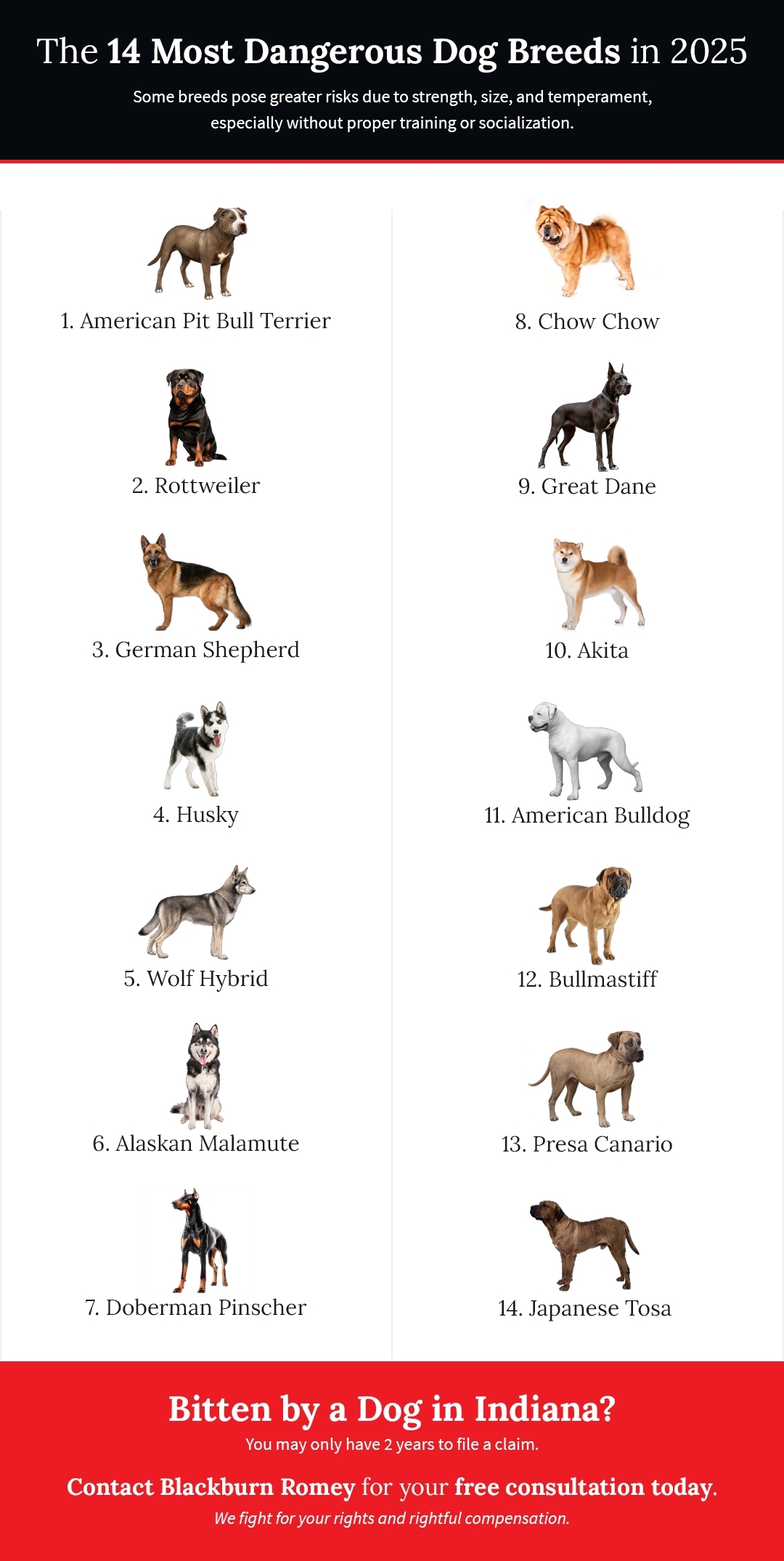
Identifying aggressive dog breeds aids in understanding behavior management. Breeds like Rottweilers, Pit Bulls, and Dobermans often require experienced handlers. Proper training and socialization are vital for safety and harmony.
Managing aggressive behavior in dogs is crucial for safety. Understanding the root causes helps in addressing the issue effectively. Each breed has unique traits, so tailored solutions work best. Let’s explore how to manage aggression through different strategies.Training Techniques
Positive reinforcement builds trust and reduces aggression. Reward good behavior with treats and praise. Consistent commands help dogs understand expectations. Avoid physical punishment; it can worsen aggression. Socialization is key. Expose dogs to various environments and people. This reduces fear and aggression.Professional Help
Consult a dog behaviorist for expert guidance. They assess and create personalized training plans. Veterinarians can check for medical issues causing aggression. Medication might be needed in some cases. Group classes offer structured learning in a controlled setting.Responsible Ownership
Choose breeds that match your lifestyle. Research breed-specific needs and temperaments. Provide regular exercise to release energy. A tired dog is often a calm dog. Secure your home to prevent accidental escapes. Supervise interactions with strangers and other animals.Legal Implications
Understanding the legal implications of owning aggressive dog breeds is crucial. Laws vary widely and can impact your life significantly. Knowing these laws can help you make informed decisions.
Breed-specific Legislation
Breed-specific legislation targets particular dog breeds deemed dangerous. These laws aim to reduce dog attacks. Some areas ban certain breeds entirely. Others impose strict regulations. Owners may face fines or penalties if they don’t comply. It’s important to check your local laws before adopting a breed like a Pit Bull or Rottweiler.
Liability And Insurance
Owning an aggressive breed can affect your insurance. Many companies charge higher premiums for these breeds. Some might refuse coverage altogether. If your dog injures someone, you could be liable. This means covering medical expenses and legal fees. Ensuring you have adequate insurance is essential. It protects you financially in case of an incident.
Community Safety Measures
Communities often implement safety measures to protect residents. Leash laws are common in many areas. They require dogs to be leashed in public places. Some communities also mandate muzzling for aggressive breeds. These measures aim to prevent attacks and ensure public safety. Participating in local safety initiatives can help maintain harmony. Responsible ownership contributes to a safer community.

Credit: dogistry.com
Promoting Safe Interactions
Certain dog breeds are often seen as more aggressive, like Pit Bulls and Rottweilers. Understanding their behavior helps ensure safer interactions. Proper training and socialization are key for any breed.
Promoting safe interactions with dogs, especially breeds often labeled as aggressive, is crucial for creating a harmonious environment for both humans and animals. Understanding these breeds, their behaviors, and how to interact with them safely can prevent misunderstandings and unfortunate incidents. Engaging with dogs in a respectful and knowledgeable manner ensures that both you and your furry friends can enjoy each other’s company safely.Educating The Public
Educating the public about dog breeds and their behaviors is essential. Many people have misconceptions about breeds like Rottweilers or Pit Bulls, often labeling them as dangerous without understanding their true nature. Providing factual information and sharing positive stories can help change these perceptions. Community workshops and school programs can be excellent platforms for spreading awareness. By involving experienced dog trainers or behaviorists, these events can provide valuable insights into how to approach and handle different breeds safely. Wouldn’t it be wonderful if more people understood the gentle side of these misunderstood dogs?Socialization Strategies
Early socialization is key to raising a well-adjusted dog. Exposing puppies to various environments, people, and other animals helps them become more confident and less anxious. Consider organizing playdates with other dogs or taking your dog to pet-friendly events. This not only helps in socialization but also strengthens your bond with your pet. Remember, a well-socialized dog is less likely to react aggressively.Understanding Dog Body Language
Understanding dog body language can prevent many unwanted incidents. Dogs communicate their feelings through their body posture, tail movements, and facial expressions. Learn to recognize signs of stress or aggression, such as growling, bared teeth, or a stiff tail. On the flip side, a wagging tail and relaxed body indicate a friendly demeanor. By paying attention to these signals, you can better gauge how to interact with a dog safely. Taking the time to observe and understand these cues can enhance your relationship with your dog. Isn’t it amazing how much they can communicate without words?Frequently Asked Questions
What Makes A Dog Breed Aggressive?
Aggressive dog breeds often have a strong protective instinct. They may display dominance or territorial behavior. Genetics, upbringing, and environment also play significant roles. Proper training and socialization can help manage aggression.
Are Aggressive Dog Breeds Dangerous As Pets?
Aggressive breeds can be great pets with proper training. They require experienced owners who understand their behavior. Socialization and obedience training are essential. Responsible ownership minimizes potential dangers.
How Can Aggression In Dogs Be Managed?
Aggression can be managed through consistent training and positive reinforcement. Professional help from a dog trainer or behaviorist can be beneficial. Early socialization and regular exercise also help in reducing aggressive tendencies.
Do Aggressive Breeds Require Special Training?
Yes, aggressive breeds benefit from specialized training. This includes obedience, socialization, and behavior modification techniques. Experienced trainers can guide owners in managing aggression effectively.
Conclusion
Understanding dog breeds is crucial. Some breeds need extra care and training. Aggressive behavior is often misunderstood. Dogs require love, patience, and guidance. Proper socialization helps reduce aggression. Every dog is unique in temperament. Responsible ownership makes a difference. Train your dog regularly.
Know your dog’s needs. Provide a safe environment for them. Choose wisely when adopting a pet. Consult experts for advice and support. Dogs are loyal companions. Treat them with respect and kindness. They thrive in loving homes. Ensure they feel secure.
Make informed choices for happy pets. Your pet’s happiness matters.

Similar Posts