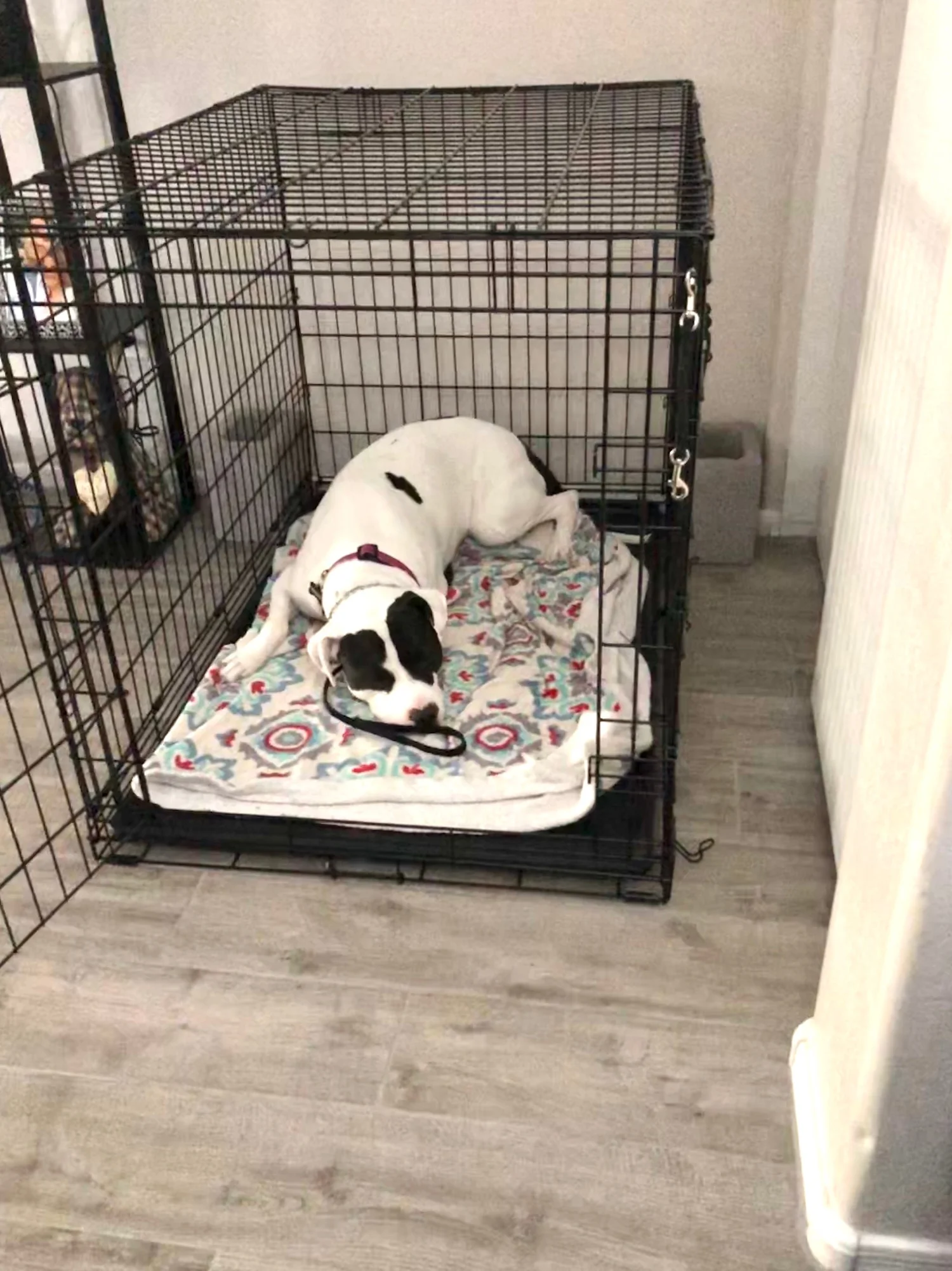
How to Stop a Dog from Crying in the Crate: Quick Tips
Senior Canine Nutritionist & Dog Behavior Specialist at Cozy Dog Go Wellness Lab
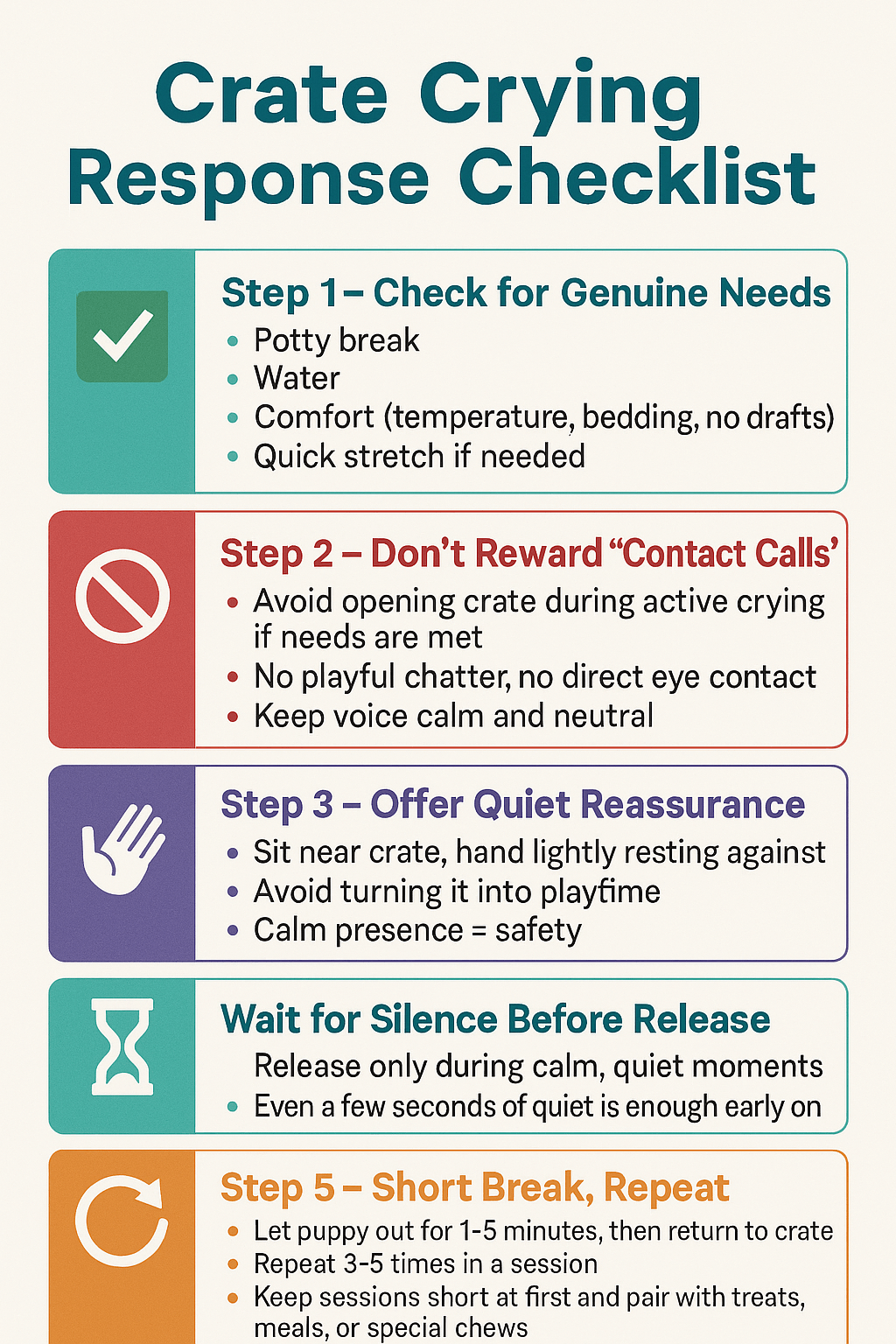
Is your pup’s crying keeping you up at night or making you feel guilty during the day? You’re not alone.
Many dog owners face the challenge of crate training, only to be met with heart-wrenching whimpers and cries. It can be tough to know what your furry friend needs and how to ease their discomfort. But here’s the good news: with the right approach, you can turn that crying into calmness.
Imagine a peaceful home where your dog feels safe and happy in their crate, giving you peace of mind too. We’ll explore simple and effective strategies to stop your dog from crying in the crate, helping you both enjoy a more harmonious life together. Don’t miss out on these tips that could transform your daily routine.
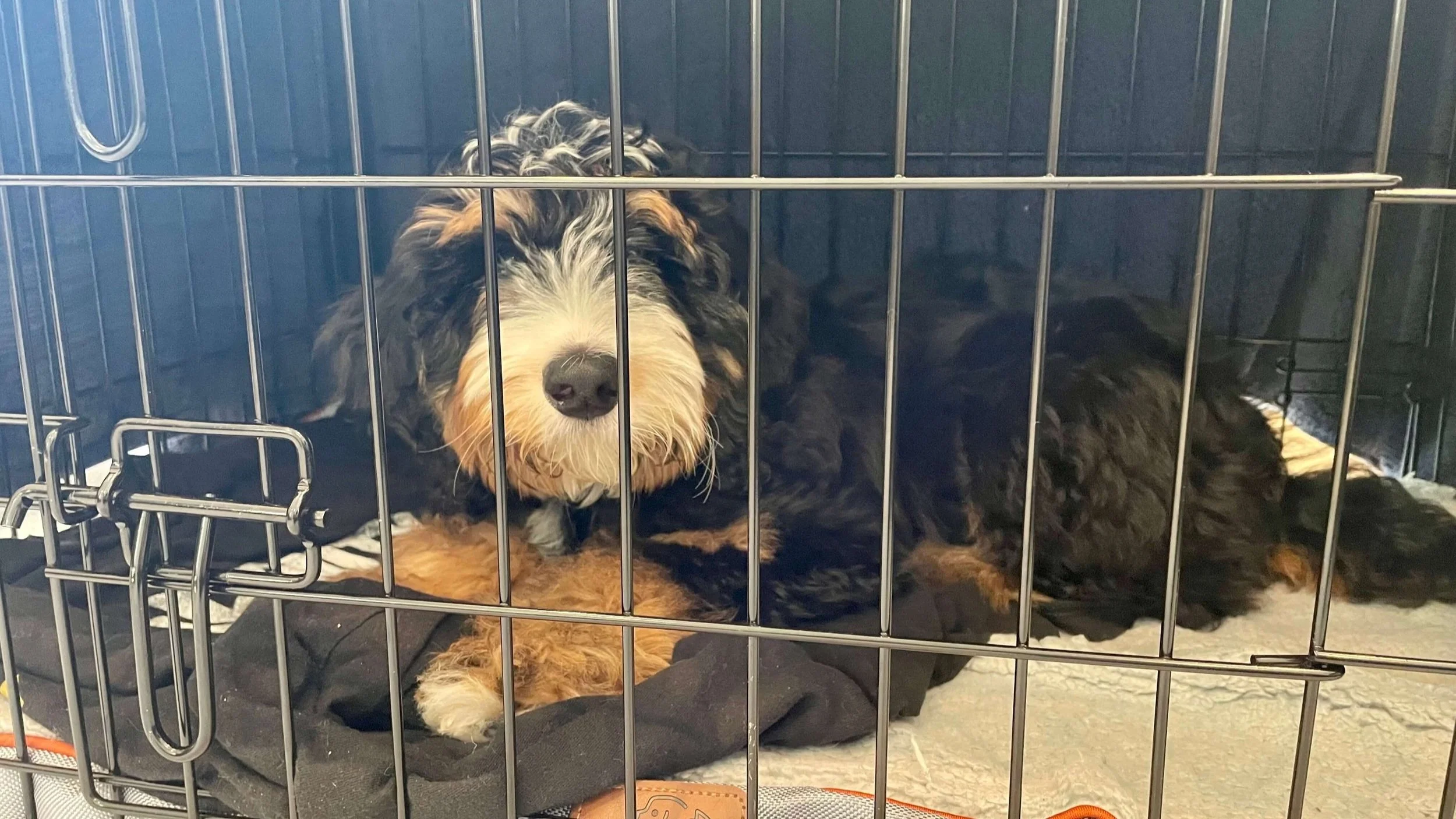
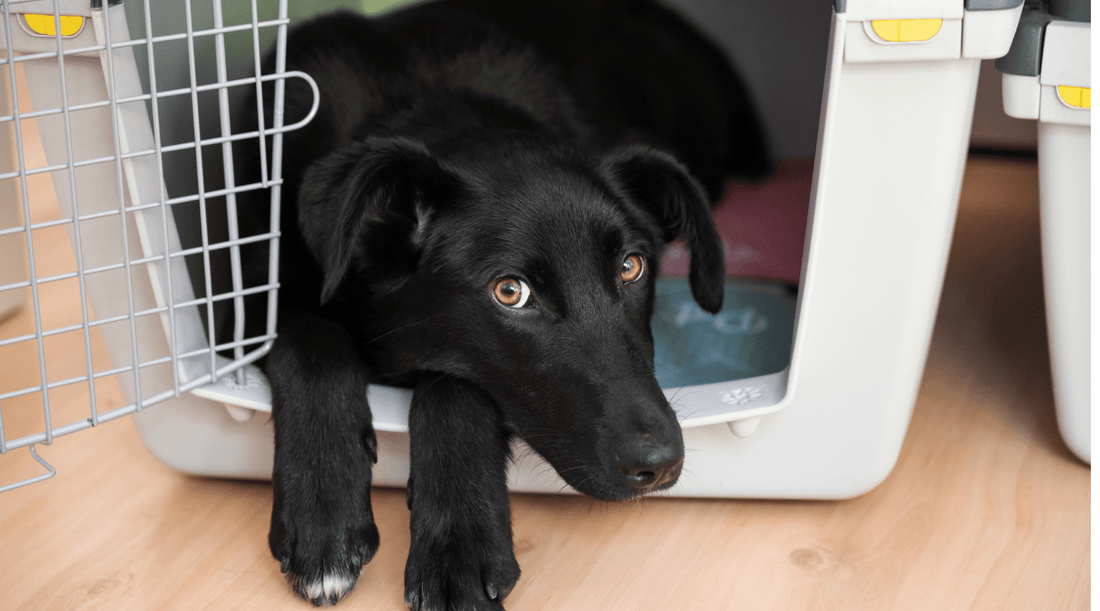
Credit: www.dogsavvylosangeles.com
Understanding The Causes
Identifying why your dog cries in the crate helps in addressing the issue effectively. Anxiety, discomfort, or lack of familiarity often cause distress. Understanding these triggers can guide you in making the crate a comfortable and safe space for your pet.
Understanding the Causes Crate training can be challenging for dogs. Understanding why your dog cries in the crate is vital. Different factors can cause distress and discomfort. Identifying these can help you address them effectively.Separation Anxiety
Separation anxiety is common in dogs. They feel stressed when away from their owners. This emotional response can lead to crying. Dogs form strong bonds with their humans. Being alone can make them feel insecure. Creating a safe and positive crate environment is crucial. Gradually increase crate time to build comfort.Need For Comfort
Dogs seek comfort and security. The crate might not feel cozy enough. Lack of bedding or toys can lead to discomfort. Ensure the crate is a welcoming space. Adding soft bedding can help. Include toys that they love. Familiar items provide reassurance and ease anxiety.Hunger Or Thirst
Basic needs like hunger or thirst can cause distress. A dog may cry if it needs food or water. Ensure they eat and drink before crate time. Check if your dog has access to water. Proper feeding schedules are essential for comfort. Addressing these needs can reduce crying significantly.Choosing The Right Crate
Selecting the right crate can ease your dog’s anxiety. Choose a cozy, secure space to help them feel safe. Include a soft blanket and favorite toy for comfort.
Choosing the right crate for your dog is crucial to ensuring their comfort and reducing crying. A well-selected crate becomes a safe haven for your furry friend, fostering a sense of security rather than confinement. But how do you decide which crate is best for your dog? Let’s dive into the specifics.Size Considerations
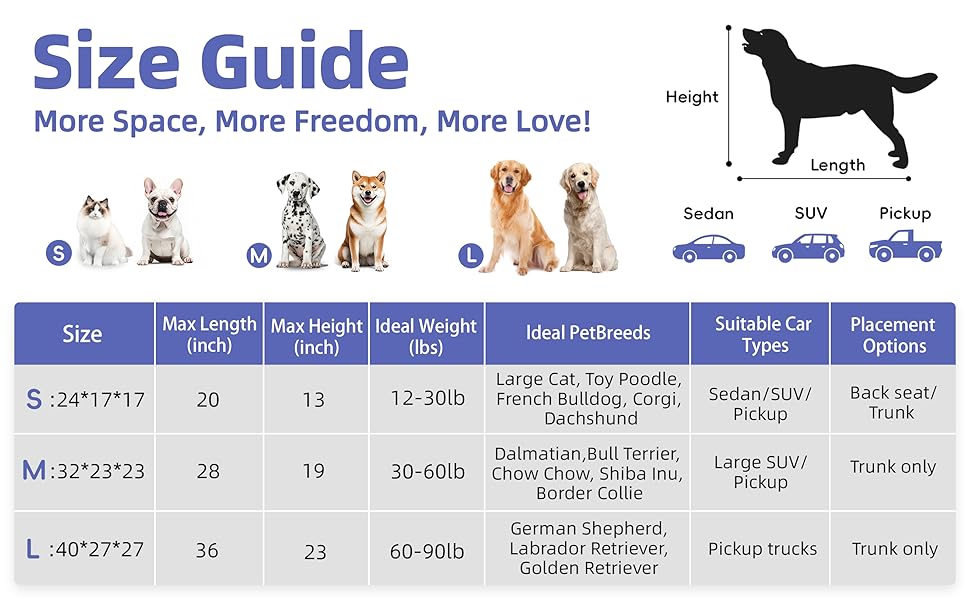
Ensuring your dog’s crate is the right size is vital. A crate that’s too small can make your dog feel cramped, leading to distress. Measure your dog from the tip of their nose to the base of their tail and from the floor to the top of their head. Select a crate that allows them to stand, turn around, and lie down comfortably. But don’t go too big; a larger crate might lead to potty accidents as your dog may designate a corner for bathroom breaks. Consider your dog’s growth if they’re still a puppy. Adjustable crates with dividers can be a great option, allowing you to expand the space as your puppy grows.Material Options
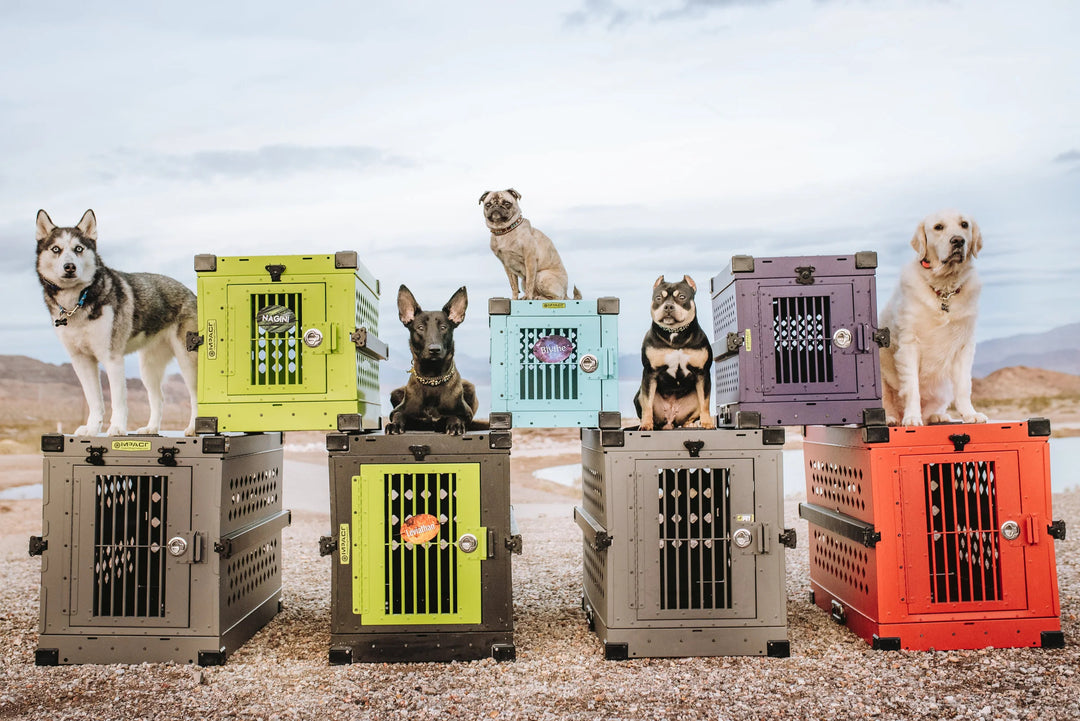
Crates come in various materials, each offering unique benefits. Wire crates are popular for their durability and ventilation. They also provide visibility, allowing your dog to see their surroundings, which can be comforting. Plastic crates are lightweight and offer more privacy, which some dogs prefer. They are also ideal for travel due to their sturdy build. However, ensure proper ventilation to prevent overheating. For a more homely feel, wooden crates can blend with your furniture. They’re best for dogs who are already crate-trained, as they’re not as resistant to chewing as wire or plastic options. Think about your dog’s habits and preferences. Does your dog enjoy chewing or feel anxious in confined spaces? Your choice of material can significantly impact their comfort and, ultimately, reduce crying in the crate.Creating A Comfortable Environment
Creating a cozy crate environment is essential to ease your dog’s distress. Soft bedding, familiar toys, and gentle background noise can make a significant difference in calming their cries.
Creating a comfortable environment in the crate can help calm your dog. A cozy space makes your pet feel safe and secure. Small adjustments can significantly reduce your dog’s crying. Let’s explore how to create this comforting atmosphere.Bedding And Blankets
Soft bedding adds comfort to the crate. Choose a plush, washable bed that fits snugly. Blankets can provide warmth and a sense of security. Consider using a blanket with your scent on it. This familiar smell can soothe your dog. Layer the bedding to protect against cold crate bottoms. A clean, cozy space encourages relaxation.Toys And Chews
Toys can distract your dog from feeling alone. Chews keep your pet entertained and occupied. Choose safe, durable toys that can withstand chewing. Puzzle toys can engage their mind and reduce anxiety. Rotate the toys to keep your dog interested. A favorite toy can provide extra comfort.Establishing A Routine
Establishing a routine is crucial when trying to stop your dog from crying in the crate. Dogs thrive on consistency and knowing what to expect each day can ease their anxiety. A structured routine not only helps your dog feel secure but also creates a predictable environment that can significantly reduce their stress levels.
Consistent Schedule
Having a consistent schedule is like setting a daily rhythm for your dog. Feed them at the same time each day, and ensure they have regular bathroom breaks. This helps your dog understand when it’s time to rest, play, and eat. Consistency builds trust; your dog will begin to associate the crate with a safe space during these predictable times.
Think about your own daily habits. You likely feel more at ease when you know what’s coming next, right? Dogs are no different. A consistent schedule can turn the crate into a comforting part of their routine rather than a source of anxiety.
Pre-crate Rituals
Establishing pre-crate rituals can signal to your dog that it’s time to settle down. Engage in calm activities before crate time, like a short walk or gentle play, to help them burn off energy and relax. Avoid stimulating actions that might leave them too excited to settle down.
Consider what calms your dog. Is it a favorite toy or a soothing petting session? Incorporate these into your pre-crate rituals. This will help your dog associate the crate with positive experiences and relaxation.
Think about this: what small changes can you make in your daily routine that could make your dog feel more comfortable? Sometimes, it’s the little things that make a big difference in ensuring your dog’s crate time is peaceful and tear-free.
Training Techniques
Create a cozy crate environment with soft bedding and familiar toys. Gradually increase crate time to help your dog adjust. Offer treats and soothing words to encourage a sense of security and comfort.
Training your dog to stay calm in the crate is a journey that requires patience, consistency, and understanding. Dogs often cry in the crate because they are scared or feel isolated. With the right techniques, you can turn the crate into a safe haven rather than a place of distress. Let’s delve into some effective training techniques that will help ease your dog’s anxiety and stop the crying.Positive Reinforcement
One of the most effective methods is positive reinforcement. Dogs respond well to rewards and praise. Each time your dog enters the crate without crying, offer a treat or verbal praise. This creates a positive association with the crate. Consider using clicker training to mark good behavior. A click followed by a treat can reinforce the idea that the crate is a good place. Remember, patience is key. Avoid punishing your dog when they cry, as this can increase anxiety.Gradual Acclimation
Start by introducing the crate slowly. Allow your dog to explore it without pressure. Place their favorite toys or bedding inside, making it a comfortable space. Use short intervals to train. Have your dog stay in the crate for a few minutes, gradually increasing the time. Monitor their behavior and adjust the duration as needed. Ask yourself, how would you feel if you were suddenly left in an unfamiliar space? Gradual acclimation respects your dog’s comfort level, easing them into the new routine. Keep the process stress-free to ensure a positive experience.
Credit: www.dogsavvylosangeles.com
Calming Strategies
Create a cozy crate environment with soft bedding and familiar toys. Gradually increase crate time while offering treats for comfort. Use calming music or white noise to soothe your dog.
Calming Strategies Helping your dog feel at ease in the crate can be a game-changer in your pet’s comfort and your peace of mind. It’s not just about having a cozy space for your furry friend; it’s about creating an environment that soothes and reassures them. Have you ever wondered why some dogs settle right in while others seem to cry endlessly? It’s time to explore calming strategies that make a difference.Soothing Sounds
Music can be a powerful tool in calming your pet. Certain types of music, such as classical or soft instrumental tunes, have a calming effect on dogs. You might even discover that your pup has a preference! Consider setting up a playlist specifically for crate time. You can also try white noise machines. These devices can mask disturbing sounds from outside, providing a consistent and soothing background noise. It’s like creating a little sanctuary for your dog, where the only sounds are gentle and comforting.Aromatherapy
Aromatherapy isn’t just for humans. Some scents can have a calming effect on dogs. Lavender and chamomile are popular choices for their relaxing properties. You could use an essential oil diffuser near the crate, ensuring it’s placed safely out of reach. Alternatively, you might try a pet-safe calming spray. These are specially formulated to help reduce anxiety. Just a light mist around the crate can make a big difference. Have you ever noticed how certain smells can evoke a sense of calm? It’s no different for your dog. Using aromatherapy could be your secret weapon in creating a serene crate environment.Monitoring And Adjustments
Monitoring and Adjustments are essential when working to stop your dog from crying in the crate. It’s about paying close attention to your dog’s behavior and health, and adapting your approach based on what you observe. This process not only helps your dog feel more comfortable but also strengthens the bond between you and your furry friend. Pay attention to your dog’s body language and vocalizations. Is your dog whining only when you leave the room, or do they cry even when you’re nearby? These observations can provide clues about the underlying causes of their distress. A dog might cry due to separation anxiety or discomfort. Spend time watching your dog to identify patterns. Consider keeping a journal to track when and why your dog cries. Regular health check-ups are crucial. Sometimes, crying can be a sign of physical discomfort or illness. Ensure your dog is up-to-date with vet visits and is physically healthy. Consult your vet if the crying persists despite adjustments. A professional can offer insights and rule out health issues. Monitoring and adjusting is an ongoing process. How will you tailor your approach to best suit your dog’s needs?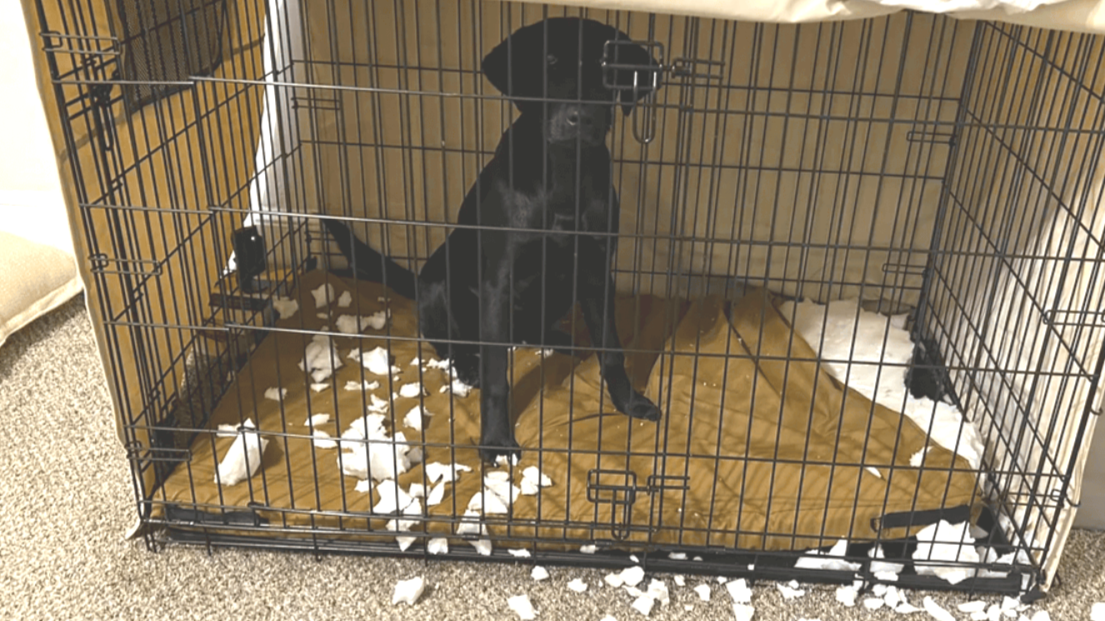
Credit: www.dogsavvylosangeles.com
Seeking Professional Help
When your furry friend won’t stop crying in their crate, seeking professional help can be a game-changer. Sometimes, the root cause of the problem is beyond what simple techniques can solve. Understanding when and how to reach out for expert guidance can save you and your dog a lot of stress. You don’t have to navigate this challenge alone, and professional advice could offer the breakthrough you need.
Consulting A Trainer
Dog trainers can offer invaluable insights tailored to your dog’s needs. A trainer might observe your dog’s behavior and suggest specific exercises to make the crate a positive space. Training sessions can provide structure, helping your dog associate the crate with safety rather than anxiety.
If you’ve tried everything and your dog still cries, a trainer can introduce techniques you might not have considered. For example, they might recommend gradual exposure to the crate, or use rewards more effectively. Could a few lessons with a professional be the key to your dog’s peace?
Veterinary Advice
Sometimes, the crying might hint at an underlying health issue. A vet can rule out medical reasons for your dog’s distress, ensuring they’re physically comfortable in the crate. Health problems could be causing discomfort, leading to excessive crying.
Veterinary advice might also extend to behavioral guidance. Some vets specialize in animal behavior and can recommend changes in diet or environment that could soothe your dog’s nerves. If your dog’s crying seems unusual, why not let a vet weigh in on the situation?
Frequently Asked Questions
Why Does My Dog Cry In The Crate?
Dogs cry in the crate due to anxiety, loneliness, or discomfort. They may need time to adjust to the crate. Ensuring the crate is comfortable and gradually increasing crate time can help. Providing toys or treats might also ease their distress.
How Can I Make The Crate Comfortable?
To make the crate comfortable, add soft bedding and familiar toys. Ensure the crate is the right size for your dog. A blanket or cover can create a den-like atmosphere, making the crate feel safe and cozy. Regularly clean and maintain the crate for hygiene.
Should I Ignore My Dog Crying At Night?
Ignoring a crying dog can sometimes teach them to self-soothe. However, ensure their needs are met first. Address any immediate concerns like hunger or the need to relieve themselves. Gradually, they may learn to settle in the crate without crying.
Is Crate Training Effective For Puppies?
Yes, crate training is effective for puppies. It helps in house training and provides a safe space. Start with short intervals, gradually increasing the time they spend in the crate. Patience and consistency are key to successful crate training.
Conclusion
Helping your dog feel secure in the crate takes patience. Practice creates comfort, so remain consistent. Offer treats and toys to make the space inviting. Short crate times build trust gradually. Listen to your dog’s needs and adjust as required.
Every dog is different, and progress may vary. Stay calm and positive during training. Celebrate small victories along the journey. A relaxed dog means a happier home. Keep encouragement at the forefront. Your bond with your dog will strengthen. With time and love, your dog will find peace in the crate.

Similar Posts