What are the Best Joint Supplements for Dogs: Top Picks
Senior Canine Nutritionist & Dog Behavior Specialist at Cozy Dog Go Wellness Lab
Is your furry friend starting to slow down, struggling to jump onto the couch, or showing signs of stiffness after a long walk? As a loving pet owner, you want to ensure your dog stays active and healthy for as long as possible.
Joint health is a crucial aspect of your dog’s overall well-being, and with so many options available, choosing the best joint supplements can feel overwhelming. Imagine giving your dog the freedom to run, play, and explore without pain or discomfort.
You’ll discover the top joint supplements for dogs that can help maintain your dog’s mobility and quality of life. Let’s explore how you can give your beloved companion the comfort and care they deserve.

Credit: www.amazon.com
Importance Of Joint Health In Dogs
Joint health is crucial for your dog’s overall well-being. Strong joints help maintain mobility, allowing dogs to stay active and happy. As dogs age, joint issues can become more common, affecting their quality of life.
Supporting joint health from an early age can prevent discomfort and pain. A balanced diet, regular exercise, and appropriate supplements play a significant role. Let’s explore why joint health matters so much for your furry friend.
Why Joint Health Matters For Dogs
Healthy joints support everyday movements like walking and running. They enable dogs to enjoy playful activities without pain. Joint health is tied to muscle strength and endurance, affecting a dog’s vitality.
Signs Of Joint Problems In Dogs
Look for signs like limping or stiffness. Reluctance to climb stairs can indicate discomfort. Difficulty standing up is another common symptom. Paying attention to these signs can help address issues early.
Preventing Joint Issues
Regular exercise is key to keeping joints flexible. A balanced diet provides essential nutrients for joint support. Supplements can help maintain joint health and reduce inflammation.
Choosing The Right Joint Supplements
Look for supplements with glucosamine and chondroitin. These ingredients support cartilage health. Omega-3 fatty acids can reduce inflammation and promote joint wellness.
Consulting Your Veterinarian
Your vet can recommend suitable supplements for your dog. They can assess your dog’s specific needs based on age and breed. Professional advice ensures the best care for your pet’s joint health.

Credit: www.amazon.com
Common Joint Issues In Dogs
Dogs are active creatures, always ready to play and explore. Their energetic nature can sometimes lead to joint issues. These problems can affect their quality of life. Understanding common joint issues can help provide better care.
Hip Dysplasia
Hip dysplasia is a common issue in many dogs. It occurs when the hip joint doesn’t develop properly. This can lead to arthritis and discomfort. Larger breeds are more prone to hip dysplasia. Symptoms include limping and difficulty in climbing stairs.
Arthritis
Arthritis is a condition that affects many aging dogs. It involves inflammation of the joints. Dogs with arthritis may experience pain and stiffness. This can make movement difficult. Regular exercise and weight management can help reduce symptoms.
Luxating Patella
A luxating patella is a dislocated kneecap. Small dog breeds often face this issue. The kneecap moves out of its normal position. This can cause limping and discomfort. Surgery can be an option if it’s severe.
Osteochondritis Dissecans (ocd)
OCD is a condition where cartilage separates from the bone. It mostly affects young dogs in their growth phase. Larger breeds are at risk. OCD can lead to joint pain and lameness. Proper nutrition and avoiding over-exercise can help manage it.
Key Ingredients In Joint Supplements
When choosing the best joint supplements for your dog, understanding the key ingredients can make all the difference. These ingredients work together to support joint health, improve mobility, and enhance your dog’s overall well-being. Let’s dive into the crucial components that make these supplements effective.
Glucosamine Benefits
Glucosamine is often hailed as a hero in joint supplements. It plays a vital role in building cartilage and can help reduce inflammation in joints. If your furry friend struggles to jump or climb stairs, glucosamine might be the support they need.
Many dog owners notice improvements in their pet’s flexibility and activity levels after adding glucosamine to their diet. Imagine seeing your dog run with enthusiasm again—this ingredient could be the key.
Chondroitin Effects
Chondroitin complements glucosamine by enhancing the elasticity and shock-absorbing properties of cartilage. It helps slow down cartilage breakdown, which is essential for dogs with arthritis or joint issues.
Think of chondroitin as a protective barrier for your dog’s joints. It works to maintain joint health, allowing your dog to enjoy activities without discomfort.
Msm And Its Role
Methylsulfonylmethane (MSM) is known for its anti-inflammatory properties. It can alleviate pain and swelling, offering relief to dogs with joint pain. MSM also aids in maintaining healthy connective tissues.
Consider MSM as a soothing balm for your dog’s joints, helping them stay active and comfortable. Could this be the missing piece in your dog’s joint care routine?
Omega-3 Fatty Acids
Omega-3 fatty acids are not just good for the heart; they are excellent for joint health too. These fatty acids reduce inflammation and support overall joint function.
Adding omega-3s to your dog’s diet can lead to noticeable improvements in their mobility. Have you ever seen the joy in your dog’s eyes when they’re able to chase after their favorite toy again?
Each of these ingredients has unique benefits that contribute to joint health. As you consider supplements for your dog, reflect on how these components can transform their quality of life. Are you ready to give your furry friend the freedom to move without pain?

Credit: www.amazon.com
Top-rated Joint Supplements
Ensuring your dog’s joint health is vital for their happiness and mobility. Finding the best joint supplements can make a big difference. Many options exist, each offering unique benefits. Understanding these options helps you choose the right supplement.
Natural Supplements
Natural supplements are popular for their gentle approach. They use ingredients like glucosamine and chondroitin. These compounds support cartilage and joint function. Omega-3 fatty acids are also beneficial. They reduce inflammation and promote joint health. Herbal supplements like turmeric can relieve discomfort. They offer a natural way to improve mobility.
Prescription Options
Prescription supplements offer targeted solutions for severe joint issues. Vets often recommend them for dogs with arthritis. They might contain stronger concentrations of key ingredients. These supplements can be more effective in managing pain. Always consult with your vet before using prescription options. Your vet can guide you on the right dosage and product.
Budget-friendly Choices
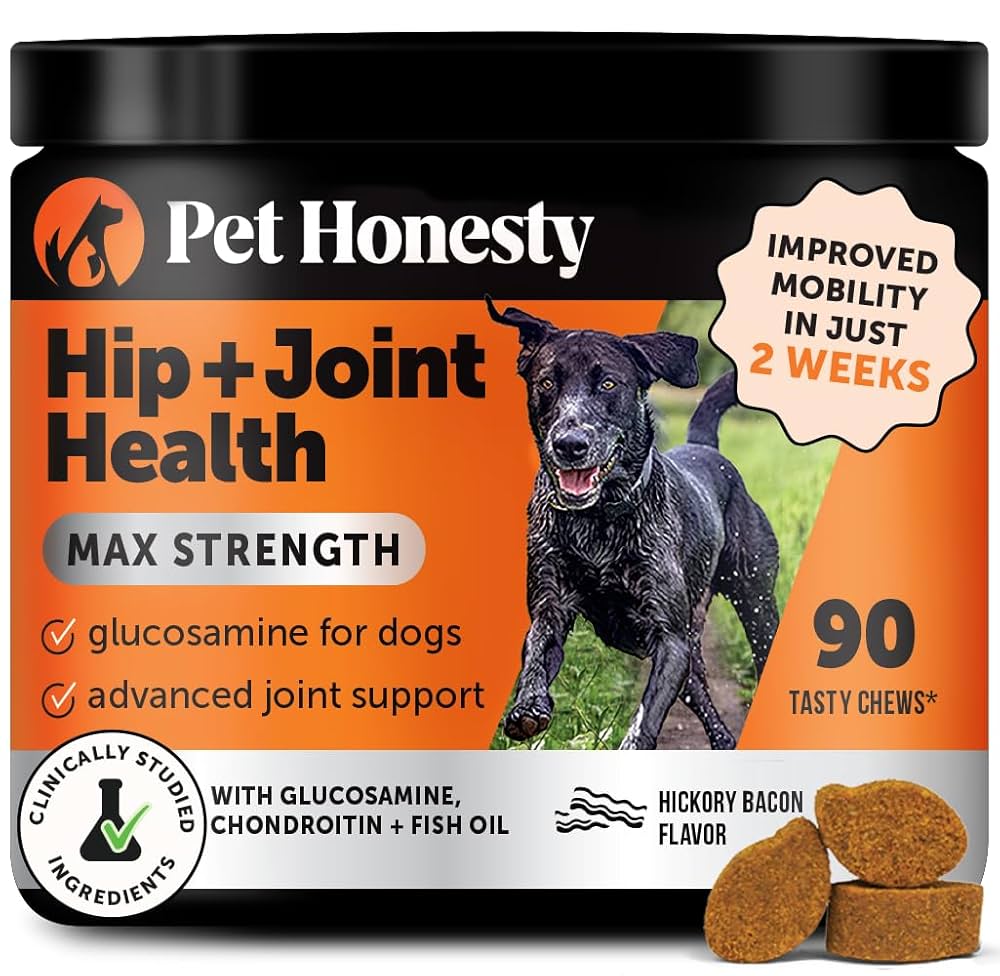
Not all joint supplements are expensive. Some budget-friendly choices provide good results. Look for products with essential ingredients like glucosamine. These affordable options can improve joint health without breaking the bank. Reading reviews and checking ingredients helps find quality supplements. It’s possible to care for your dog’s joints on a budget.
Choosing The Right Supplement
Choosing the right joint supplements for dogs involves considering ingredients like glucosamine and chondroitin. These help maintain healthy cartilage and reduce discomfort. Opt for quality products that are tailored to your dog’s age, size, and specific needs.
Choosing the right supplement for your dog’s joints is crucial. Supplements can improve mobility and reduce pain. But not all supplements are the same. Knowing what to look for can make a difference in your dog’s health. Let’s explore key factors in choosing the best joint supplement for your furry friend.Factors To Consider
Several factors should guide your choice. First, understand your dog’s specific needs. Large breeds may require different supplements than small breeds. Age is also important. Older dogs might benefit from stronger formulations. Next, check the ingredients. Look for glucosamine, chondroitin, and MSM. These are known to support joint health. Avoid supplements with fillers or artificial additives. They may not provide any benefits. Dosage is another factor. Ensure the supplement offers the right dose for your dog’s weight. Lastly, consider the form of the supplement. Some dogs prefer chewables, others do well with powders or liquids.Veterinary Recommendations
Consulting your vet can provide valuable insights. Vets understand your dog’s medical history. They can recommend the best supplement based on health conditions. Vets often suggest products with proven effectiveness. They might steer you towards trusted brands. Sometimes, a vet might suggest a combination of supplements. This can enhance joint support. Remember, your vet can also advise on dosage adjustments. This ensures your dog gets the optimal benefit. Regular vet check-ups can monitor your dog’s progress with the supplement.Administering Joint Supplements
Selecting the right joint supplements for dogs can ease joint pain and improve mobility. Look for options containing glucosamine, chondroitin, and MSM. These ingredients support healthy joints and cartilage, promoting your dog’s comfort and activity levels.
Administering joint supplements to your furry friend can be a crucial part of their health regimen. Dogs, especially as they age, can suffer from joint discomfort, which can impact their quality of life. The key is to ensure you’re giving them the right amount and watching out for any adverse reactions.Dosage Guidelines
Determining the correct dosage is essential. Each dog is unique, and their supplement needs can vary based on weight, age, and health condition. It’s always a good idea to start with the recommended dosage on the product label. Consult your veterinarian to tailor the dosage to your dog’s specific needs. They might suggest starting with a lower dose and gradually increasing it to monitor how your dog responds. Keep an eye on your dog’s behavior and mobility; these are great indicators of how well the supplement is working.Potential Side Effects
Just like humans, dogs can have different reactions to supplements. Some dogs may experience mild digestive upset, like diarrhea or gas. If you notice any adverse effects, it might be worth adjusting the dosage or trying a different supplement. Severe reactions are rare but possible. If your dog shows signs of an allergic reaction, such as itching or swelling, stop the supplement immediately and consult your vet. Always monitor your dog closely, especially when introducing a new supplement to their diet. Finding the right joint supplement is about patience and observation. Have you noticed any improvements in your dog’s mobility or mood after starting supplements? Your observations can be as valuable as any scientific study.Lifestyle Tips For Joint Health
Ensuring your dog’s joint health can involve choosing the right supplements. Glucosamine and chondroitin are popular for supporting cartilage. Omega-3 fatty acids help reduce inflammation and improve mobility.
Caring for your dog’s joint health involves more than just supplements. Adopting a holistic approach to their lifestyle can make a significant difference. Whether your furry friend is already showing signs of joint issues or you’re aiming to prevent them, these lifestyle tips can offer practical solutions.Dietary Support
What you feed your dog plays a pivotal role in maintaining their joint health. A balanced diet rich in omega-3 fatty acids can help reduce inflammation. Foods like fish oil and flaxseed are excellent sources. Consider adding glucosamine and chondroitin through natural sources such as bone broth. These nutrients are known to support cartilage health. Always consult with your vet before making significant changes to your dog’s diet.Exercise And Mobility
Regular exercise is crucial for keeping your dog’s joints flexible. Short, frequent walks are better than long, strenuous hikes. Tailor the exercise routine to your dog’s age, breed, and current health condition. Swimming is an excellent low-impact exercise for dogs with joint issues. It strengthens muscles without stressing the joints. Have you tried visiting a dog-friendly swimming pool or lake nearby? Remember, the goal is to maintain a healthy weight. Excess weight adds stress to your dog’s joints. Keep an eye on portion sizes and ensure treats are given in moderation. Incorporating these lifestyle changes can significantly enhance your dog’s quality of life. What small change can you make today to support your dog’s joint health?Frequently Asked Questions
What Are The Best Joint Supplements For Dogs?
The best joint supplements for dogs typically contain glucosamine, chondroitin, and MSM. These ingredients help support cartilage health and improve mobility. Look for supplements that are vet-recommended and have positive reviews from other pet owners. Always consult your vet before starting any new supplement regimen for your dog.
How Do Joint Supplements Help Dogs?
Joint supplements help dogs by reducing inflammation and supporting joint health. They promote cartilage repair and improve mobility. Ingredients like glucosamine and chondroitin are essential for maintaining healthy joints. These supplements can improve your dog’s quality of life, especially in older dogs or those with arthritis.
Can Puppies Take Joint Supplements?
Puppies can take joint supplements if recommended by a veterinarian. Young dogs with joint issues may benefit from early support. It’s crucial to choose supplements specifically designed for puppies. Consult your vet to ensure the supplement is safe and appropriate for your puppy’s age and size.
Are There Natural Joint Supplements For Dogs?
Yes, there are natural joint supplements for dogs. Ingredients like turmeric, green-lipped mussel, and fish oil are popular. These natural supplements can reduce inflammation and improve joint health. Always consult your veterinarian before introducing any natural supplements to ensure they are safe for your dog.
Conclusion
Choosing the right supplement helps your dog’s joints stay healthy. Different dogs need different nutrients. Research shows glucosamine and chondroitin support joint health. MSM and omega-3s also aid in mobility. Always consult your vet before starting supplements. They can guide you based on your dog’s needs.
A healthy diet and regular exercise are important too. These combined efforts improve your dog’s quality of life. Supplements are just one part of the plan. Keep monitoring your dog’s health. Adjust the approach as needed. Your dog’s comfort and happiness come first.

Similar Posts