What Dog Breeds Do Not Shed: Discover Low-Maintenance Pets
Senior Canine Nutritionist & Dog Behavior Specialist at Cozy Dog Go Wellness Lab
Are you tired of constantly cleaning up dog hair from your clothes and furniture? If you’re nodding along, you’re not alone.
Many dog lovers face the same hairy problem. But what if you could enjoy the companionship of a dog without the shedding mess? Enter the world of non-shedding dog breeds. These breeds not only keep your home cleaner but also reduce allergy concerns.
Imagine a life where you can spend more time playing with your furry friend and less time vacuuming. Curious to find out which breeds make this possible? Keep reading to discover the perfect low-shed companion for you and your lifestyle.
Credit: www.petlovers.com
Non-shedding Dog Breeds
Have you ever dreamt of owning a dog but worried about the endless shedding and fur-covered furniture? The good news is, there are breeds known for their minimal shedding. These non-shedding dog breeds can be perfect companions for those who desire a clean home without constant vacuuming. Whether you suffer from allergies or simply prefer a tidy space, these breeds might just be what you’re looking for.
Poodle
Poodles are famous for their curly, hypoallergenic coats. Their fur traps dander, reducing shedding and making them ideal for allergy sufferers. Regular grooming keeps their curls in check and your home fur-free.
Bichon Frise
The Bichon Frise sports a soft, curly coat that doesn’t shed much. They need frequent grooming to prevent matting, but their cheerful personality and minimal shedding make them a delightful pet choice.
Maltese
Known for their long, silky hair, Maltese dogs are surprisingly low shedders. Their coats require regular brushing to stay tangle-free, but you’ll rarely find fur around your home.
Portuguese Water Dog
Portuguese Water Dogs have dense, curly coats that limit shedding. They love water activities, making them perfect for active families. Their coat needs regular care to maintain its texture and prevent tangles.
Havanese
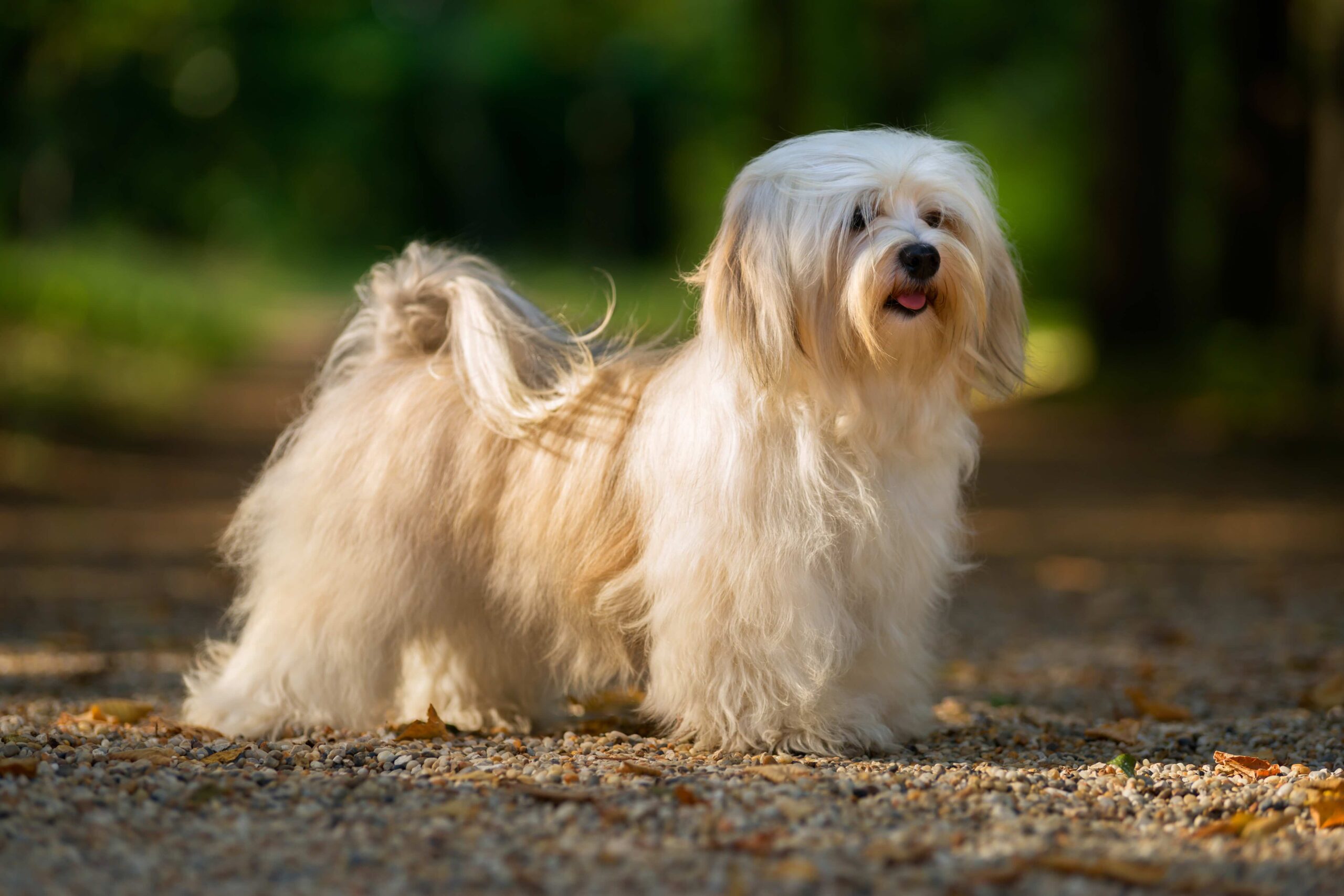
Havanese dogs boast a beautiful, soft coat that doesn’t shed much. They are affectionate and thrive on companionship. With regular grooming, their coat remains manageable, keeping your home clean.
Imagine having a dog that doesn’t leave fur everywhere, yet still offers all the love and companionship you crave. These non-shedding breeds might just be the perfect fit for you. Which breed resonates with your lifestyle?
Credit: www.rd.com
Characteristics Of Low-shedding Dogs
When you’re thinking of adding a furry friend to your life, the idea of less shedding is certainly appealing. Low-shedding dogs offer all the companionship without leaving piles of hair around your home. But what makes these breeds special? Let’s explore the characteristics that set them apart.
Coat Texture And Type
Low-shedding dogs often have unique coat textures that help minimize hair loss. Breeds like the Poodle or Schnauzer have curly or wiry coats that trap loose hairs. This means less fur on your furniture and more on your pet, where it belongs. Some dogs have hair rather than fur, which grows continuously and falls out less frequently, similar to human hair.
Grooming Needs
Though they shed less, these dogs do require regular grooming. Their coats can become tangled or matted if not properly cared for. You might need to invest time in brushing and occasional professional grooming. But consider this: a few minutes of brushing might save you hours of vacuuming. Are you ready to swap your vacuum cleaner for a brush?
Allergy Considerations
Low-shedding dogs are often recommended for allergy sufferers. While no breed is completely hypoallergenic, these dogs produce fewer allergens due to less shedding. If you have allergies, choosing a breed with minimal shedding could make a big difference. It’s always a good idea to spend time with a breed before deciding, ensuring your new friend won’t trigger your allergies.
Benefits Of Low-maintenance Dogs
Choosing a low-maintenance dog breed that doesn’t shed can transform your home life. Imagine less fur on your furniture and clothes, and more time to enjoy with your furry companion. These breeds offer benefits that go beyond a cleaner home, making them an excellent choice for many dog lovers.
Reduced Cleaning Efforts
With a non-shedding dog, you’ll find your cleaning routine much easier. You won’t be vacuuming fur off the carpets or sweeping it from the corners every day. This means more time for walks and play without dreading the aftermath of shedding.
Have you ever wondered why some dog owners spend weekends deep-cleaning their homes? It’s often due to shedding. Opting for a breed that doesn’t shed can free up your weekends for fun activities instead.
Ideal For Busy Lifestyles
If you have a hectic schedule, a low-maintenance dog can be a lifesaver. These breeds require less grooming and maintenance, allowing you to focus on your busy life without worrying about constant dog care.
Picture coming home after a long day and not having to brush out clumps of fur. Wouldn’t that make your evenings more relaxing? A non-shedding dog fits seamlessly into a bustling lifestyle.
Compatibility With Allergies
Non-shedding dogs are often better for those with allergies. Less fur means fewer allergens floating around, which can help reduce allergic reactions. This makes these breeds a great choice for allergy sufferers.
Have you hesitated to get a dog due to allergies? Choosing a breed that doesn’t shed may be your solution. It opens up the possibility of pet ownership without the sneezing and sniffling.
Choosing The Right Breed
Considering a dog that doesn’t shed? Breeds like Poodles and Maltese are ideal for clean homes. These dogs have minimal shedding, making them great for allergy sufferers.
Choosing the right dog breed for your home is a crucial decision, especially if you’re looking for a pet that doesn’t shed. Dogs that don’t shed are perfect for maintaining a clean home and for those with allergies. But beyond shedding, there are other factors to consider to ensure a good match for your lifestyle.Size And Space Requirements
When considering a breed, think about how much space you can offer your new furry friend. Smaller breeds like the Maltese or the Bichon Frise are ideal for apartments or homes with limited space. On the other hand, larger non-shedding breeds like the Standard Poodle might require more room to roam. Would a small dog suit your cozy apartment, or do you have the outdoor space for a larger, more energetic companion? Reflect on your living situation to find the best fit.Energy Levels And Exercise Needs
Every dog needs exercise, but the level varies greatly between breeds. Breeds like the Basenji are known for their high energy and need for regular exercise. If you have an active lifestyle, this could be a great match for you. Conversely, if you’re more of a homebody, consider a breed like the Shih Tzu, which has lower energy levels. Matching your dog’s energy with your own can lead to a happier and more harmonious home life.Temperament And Family Compatibility
Temperament is key when choosing a dog to join your family. Some non-shedding breeds, such as the Portuguese Water Dog, are known for their friendly and social nature, making them great for families with children. Others, like the Chinese Crested, might be more reserved and better suited for quieter households. Consider how the dog’s personality will mesh with your family’s dynamic to ensure a loving and lasting relationship. Choosing the right breed goes beyond aesthetics; it’s about finding a companion that fits seamlessly into your lifestyle. What kind of dog would bring joy and balance to your life?Care Tips For Low-shedding Breeds
Discover low-shedding dog breeds perfect for allergy sufferers. Breeds like Poodles and Bichon Frises have minimal shedding. Regular grooming helps maintain their coat and reduces loose hair at home.
Low-shedding dog breeds are a blessing for those who love dogs but dread dealing with fur all over their home. While these breeds require less cleaning, they still need attentive care to thrive and maintain their coat. Understanding the specific needs of low-shedding dogs can make a significant difference in their health and happiness. Let’s explore some practical care tips that will help your furry friend stay in top shape.Regular Grooming Practices
Regular grooming is key to keeping your low-shedding dog comfortable and healthy. Despite their minimal shedding, these breeds can still develop mats if not brushed consistently. Use a soft-bristle brush or a grooming glove to gently remove any loose fur and dirt. Make it a bonding experience by talking to your dog and rewarding them with treats during grooming sessions. Consider professional grooming every few months to maintain their coat’s health and shine. This will also help trim nails and check for any skin issues.Diet And Nutrition
A balanced diet plays a critical role in the health of your dog’s coat. Low-shedding breeds benefit from high-quality dog food rich in omega-3 and omega-6 fatty acids. These nutrients support healthy skin and fur. Include fresh water and avoid overfeeding to prevent weight-related health issues. You could try adding supplements like fish oil after consulting your vet. Have you noticed any changes in your dog’s coat after adjusting their diet?Health Monitoring
Regular health checks are essential for all dog breeds, including low-shedding ones. Look out for signs of allergies or skin irritations, which can affect their coat and overall health. Schedule routine vet visits to catch any potential issues early. A healthy dog is a happy dog! Monitor your dog’s behavior and energy levels. Any unusual changes might indicate an underlying health problem. Always trust your instincts as a pet owner.Common Misconceptions
Many people believe certain dog breeds do not shed at all. This common misconception can lead to unexpected surprises for new pet owners. While some dogs shed less, shedding is a natural process for most breeds. Understanding this can help you make an informed choice.
Shedding Vs. Dander
Shedding and dander are often confused. Shedding refers to the loss of hair, while dander consists of tiny skin flakes. Even dogs that shed minimally can produce dander. This can affect people with allergies, so it’s important to consider this distinction.
Maintenance Levels
Low-shedding dogs are not always low-maintenance. Some breeds require regular grooming to keep their coats healthy. Brushing helps remove loose hair and prevent matting. Regular grooming can also help reduce the amount of hair in your home.
Breed-specific Traits
Each breed has unique traits affecting shedding patterns. For example, Poodles shed very little but need frequent haircuts. Bichon Frises have curly coats that trap loose hair. Understanding these traits can help manage your expectations.
Credit: zigly.com
Frequently Asked Questions
What Are Non-shedding Dog Breeds?
Non-shedding dog breeds have hair instead of fur, reducing allergens. Popular breeds include Poodles, Maltese, and Bichon Frise. They require regular grooming to maintain healthy coats. These breeds are ideal for people with allergies and those who prefer less cleaning.
Always research breed characteristics before choosing a pet.
Do Hypoallergenic Dogs Really Exist?
Hypoallergenic dogs produce fewer allergens, but no breed is completely allergen-free. Non-shedding breeds like Poodles and Schnauzers are less likely to trigger allergies. Regular grooming and cleaning can further reduce allergens. Consult with a veterinarian for advice on managing pet allergies effectively before adopting a dog.
Are Non-shedding Breeds Easy To Groom?
Non-shedding breeds require regular grooming to prevent matting and maintain healthy coats. Brushing several times a week and professional grooming every few months are recommended. This routine helps keep their skin healthy and minimizes allergens. Proper grooming ensures your pet’s comfort and contributes to their overall well-being.
Can I Find Non-shedding Small Dog Breeds?
Yes, several small dog breeds do not shed much. Breeds like the Maltese, Shih Tzu, and Yorkie are popular choices. They are ideal for apartment living and people with allergies. Despite their size, they need regular grooming. Research breed characteristics to ensure they fit your lifestyle before adopting.
Conclusion
Finding a dog that doesn’t shed can be challenging. Luckily, many breeds fit the bill. These dogs offer a cleaner home environment. Perfect for allergy sufferers or neat freaks. Breeds like Poodles, Maltese, and Bichon Frise are popular choices. They require regular grooming but leave less hair behind.
Always consider your lifestyle and time for care. Research each breed’s needs thoroughly. This ensures a happy, healthy pet. Non-shedding dogs can be great companions. Enjoy a fur-free home with one of these delightful breeds. Your perfect pet might be waiting!

Similar Posts