What Dog Breeds Have Rear Dewclaws: Discover Uniqueness
Senior Canine Nutritionist & Dog Behavior Specialist at Cozy Dog Go Wellness Lab

Are you curious about those mysterious little extra claws some dogs have? You’re not alone.
Rear dewclaws often catch the attention of dog owners and enthusiasts alike, sparking questions and curiosity. These unique appendages can be a defining feature in certain dog breeds, adding to their charm and individuality. But what exactly are rear dewclaws, and which breeds are known for having them?
You’ll discover the fascinating world of rear dewclaws, uncovering the breeds that boast this distinctive trait. Whether you’re considering adopting a new furry friend or simply want to know more about the canine companions that share your life, understanding rear dewclaws will enhance your appreciation for the remarkable diversity within dog breeds. So, let’s dive in and explore the breeds that proudly wear their rear dewclaws, revealing an intriguing aspect of their genetic makeup that might just surprise you.
Credit: www.instagram.com
Breeds With Rear Dewclaws
Have you ever noticed those extra little claws on the back legs of some dogs? These are called rear dewclaws, and they’re not as common as the front ones. While most breeds have front dewclaws, rear dewclaws are a unique trait found in specific breeds. Understanding which breeds have rear dewclaws can be fascinating and can help you better care for your canine friend. Let’s dive into the characteristics and common traits of these special breeds.
Unique Characteristics
Rear dewclaws are often seen in certain breeds known for their agility and mountainous origins. Breeds like the Great Pyrenees and Briard have rear dewclaws, often double ones, that help them navigate rocky terrains. These claws provide extra grip and stability, acting like natural crampons. It’s intriguing to see how these dogs use their rear dewclaws in various activities, enhancing their ability to climb and maneuver.
Have you ever watched a Great Pyrenees in action? Their rear dewclaws seem to assist them in maintaining balance and traction, especially in snowy or uneven ground. This unique feature serves as a testament to their evolutionary adaptation to specific environments.
Common Traits
Despite their uniqueness, breeds with rear dewclaws share some common traits. Often, these breeds are known for their strength and endurance, which are essential for their historical roles as herders and guardians. If you’re considering adopting one of these breeds, be prepared for a loyal and hardworking companion.
Another common trait is their grooming needs. Rear dewclaws require regular checking to prevent injury or infection. It’s crucial to incorporate this into your grooming routine. You’ll find that this extra care can prevent many potential health issues.
Have you ever wondered how these traits affect their personality? Dogs with rear dewclaws tend to be protective and alert, making them excellent watchdogs. Their historical roles seem to have shaped not only their physical features but also their demeanor.
The Great Pyrenees
The Great Pyrenees is a majestic breed known for its strength and guardian instincts. These dogs are often celebrated for their thick, weather-resistant coats and calm demeanor. But a lesser-known feature that sets them apart is their rear dewclaws, adding both historical and functional significance to the breed.
Historical Significance
Rear dewclaws in the Great Pyrenees are not just a genetic quirk; they have historical roots. These dogs originated in the Pyrenees Mountains between France and Spain, where harsh conditions demanded unique adaptations. The presence of rear dewclaws is believed to be a trait passed down from their ancestors, who used these extra claws for stability on rocky terrains.
Imagine traversing the rugged landscapes of the Pyrenees without the additional grip provided by these claws. It’s a testament to the breed’s evolution and the practical needs of herding livestock in challenging environments. Does your dog’s breed have any intriguing ancestral traits?
Functional Benefits
While some might overlook dewclaws as mere appendages, they serve a functional purpose for the Great Pyrenees. These claws offer additional traction and support when climbing or running on uneven surfaces. They act like built-in hiking boots, perfect for the adventurous spirit of this breed.
Consider the times when you’ve watched your dog maneuver through tricky terrain with ease. The rear dewclaws provide that added edge, enhancing their agility and confidence. Could this feature be why your Great Pyrenees seems unstoppable during outdoor excursions?
Understanding the significance of rear dewclaws in breeds like the Great Pyrenees can deepen your appreciation for these canine companions. Have you noticed how certain features of your pet reflect their historical and functional heritage?
The Briard
The Briard, a French herding dog, is known for its rear dewclaws. These unique features add to its rustic charm. Other breeds with rear dewclaws include the Beauceron and Great Pyrenees.
The Briard is a remarkable dog breed known for its versatility. This breed stands out due to its unique features and abilities. Many are drawn to the Briard for its exceptional qualities.Herding Capabilities
The Briard excels in herding livestock. These dogs are natural leaders. Their instinct to guide and protect is strong. Farmers value their ability to manage herds efficiently. The Briard’s intelligence aids in herding tasks. They respond well to commands. This makes them ideal for herding roles.Distinctive Appearance
The Briard has a striking look. Its long, flowing coat is eye-catching. This breed has rear dewclaws, a unique trait. These extra claws add to their distinctiveness. The Briard’s coat requires regular grooming. This keeps their fur tangle-free and healthy. Their appearance is both elegant and practical for their work.The Beauceron
The Beauceron is a French herding breed known for its intelligence and versatility. This breed typically possesses rear dewclaws, distinguishing it among others. Strong and loyal, the Beauceron makes an excellent working and family dog.
The Beauceron is a fascinating breed that stands out not only for its intelligence and versatility but also for having rear dewclaws. Often seen as a hallmark of the breed, these dewclaws play a unique role in the dog’s abilities. If you’ve ever watched a Beauceron in action, you might have noticed its impressive agility and wondered how its physical traits contribute to this performance. Understanding these features can deepen your appreciation for this remarkable breed.Versatile Working Dog
The Beauceron is renowned for its versatility as a working dog. Originally bred in France, it was used for herding sheep and cattle, showcasing its exceptional herding skills. But the Beauceron’s abilities extend beyond herding. It excels in roles such as search and rescue, police work, and even agility competitions. This adaptability makes it an ideal companion for active families and professionals alike. Have you ever considered how a dog’s physical traits can enhance its performance in various roles?Breed Standards
According to breed standards, the Beauceron should possess rear dewclaws on each hind leg. These dewclaws are not just for show; they provide additional stability and grip, especially on rough terrains. This trait is one of the distinguishing features that judges look for in conformation shows. In terms of appearance, the Beauceron is a large, muscular dog with a short, dense coat. Its striking black and tan coloration is standard, although you might also find them in harlequin patterns. Are you aware of how a dog’s specific traits can meet or exceed breed standards? Understanding these standards can guide you in identifying and appreciating the unique features of the Beauceron.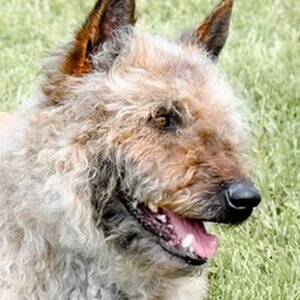
Credit: www.cuteness.com
Other Breeds With Rear Dewclaws
Some dog breeds have rear dewclaws, which are extra toes on their hind legs. These dewclaws serve various purposes, like providing extra grip on rough terrain. Though not all breeds have them, certain breeds do. Let’s explore the less common breeds that possess this unique trait.
Less Common Breeds
Several less common breeds have rear dewclaws. These breeds may not be as popular, but they have fascinating characteristics. Dogs like the Beauceron, Briard, and the Pyrenean Mastiff often have rear dewclaws. These breeds are known for their strength and agility, which the dewclaws enhance.
Noteworthy Traits
Dogs with rear dewclaws often have unique traits. These dewclaws help in providing better traction while running or climbing. In some breeds, they are considered a breed standard, meaning they are desirable traits. They might not always have a specific function, but they do add to the dog’s overall appearance.
Care And Maintenance
Taking care of your dog’s rear dewclaws might seem like a minor detail, but it plays a crucial role in their overall well-being. Not all dogs have them, but for those that do, neglecting these tiny appendages can lead to discomfort or injury. Understanding the grooming needs and health considerations for rear dewclaws will ensure your furry friend stays happy and healthy.
Grooming Needs
Regular grooming is essential for dogs with rear dewclaws. These nails can grow long and curl into the skin if not trimmed, causing pain or infection. Keep an eye on their length and shape. Trim them every few weeks, just as you would with their other nails.
Consider investing in a good pair of dog nail clippers or a grinder. It’s crucial to avoid cutting too close to the quick, which can cause bleeding and distress. If you’re not confident in doing it yourself, you might want to schedule regular visits to a professional groomer.
A personal tip: I found that reward-based training works wonders. Offering a treat after grooming can transform a potentially stressful event into a positive experience for your dog.
Health Considerations
Rear dewclaws are more prone to injury than front ones. Be vigilant during playtime or walks, especially if your dog is agile and active. Scratches or tears can happen easily, so inspect them regularly for any signs of damage.
If your dog is limping or showing signs of discomfort, it could be dewclaw-related. Injuries here can lead to infections, so consult a vet if you notice unusual behavior or swelling around the area.
Have you ever considered the importance of your dog’s paw health? It’s not just about mobility; it’s about their quality of life. Ensuring their dewclaws are in good condition can prevent unforeseen complications.
Evolutionary Insights
The study of dog breeds with rear dewclaws reveals fascinating evolutionary insights. Dewclaws, often seen as extra toes, can serve unique roles in certain breeds. Understanding their presence and function provides a window into how dogs have adapted over time.
Adaptive Advantages
Rear dewclaws may offer stability on rough terrain. They can act as anchors when dogs climb or run. In snowy regions, they help breeds like the Great Pyrenees gain traction. This additional grip is crucial in maintaining balance and agility.
- Enhanced climbing ability
- Improved traction on slippery surfaces
- Increased stability during movement
Genetic Predispositions
Some breeds inherit rear dewclaws through genetic lines. Breeds like the Briard and Saint Bernard often have them. These traits are passed down through generations. They serve as a reminder of ancient survival needs.
Selective breeding has emphasized these traits. Breeders often choose dogs with rear dewclaws for specific tasks. This practice helps preserve important characteristics in working breeds. It ensures these dogs remain well-suited for their traditional roles.
Frequently Asked Questions
What Are Rear Dewclaws In Dogs?
Rear dewclaws are additional claws located on the inside of a dog’s hind legs. Unlike front dewclaws, they are less common and can vary in size. Some breeds have functional rear dewclaws, while in others they may be vestigial and offer no practical purpose.
Regular trimming is recommended.
Which Dog Breeds Have Rear Dewclaws?
Certain dog breeds, like the Great Pyrenees and Briard, are known to have rear dewclaws. These breeds often have double dewclaws on their hind legs. They may serve a purpose in stability and movement, particularly on rough terrain. It’s important to monitor them for health issues.
Are Rear Dewclaws Common In All Dog Breeds?
Rear dewclaws are not common in all dog breeds; they are more prevalent in specific ones. Breeds like the Saint Bernard and the Pyrenean Mastiff may have them. In most dogs, rear dewclaws are vestigial and can be surgically removed if they cause problems.
Do Rear Dewclaws Require Special Care?
Rear dewclaws need regular care like trimming to prevent injury. They can catch on objects and tear easily, causing pain. Regularly check them for signs of infection or damage. Consult your vet for advice on trimming and care specific to your dog’s needs.
Conclusion
Rear dewclaws are common in certain dog breeds. They add charm and uniqueness. Breeds like Great Pyrenees and Briard often have them. These extra claws can vary in importance. Some owners choose to remove them for safety. Always consult a vet before making decisions.
Understanding your dog’s needs is crucial. This knowledge helps in better care. Love and attention remain key. Every dog is unique, dewclaws or not. Enjoy the quirks and traits of your furry friend. They bring joy and companionship. Keep exploring and learning about your pet.
It strengthens the bond.

Similar Posts