What is Breeding a Dog: Essential Guide for Beginners
Senior Canine Nutritionist & Dog Behavior Specialist at Cozy Dog Go Wellness Lab
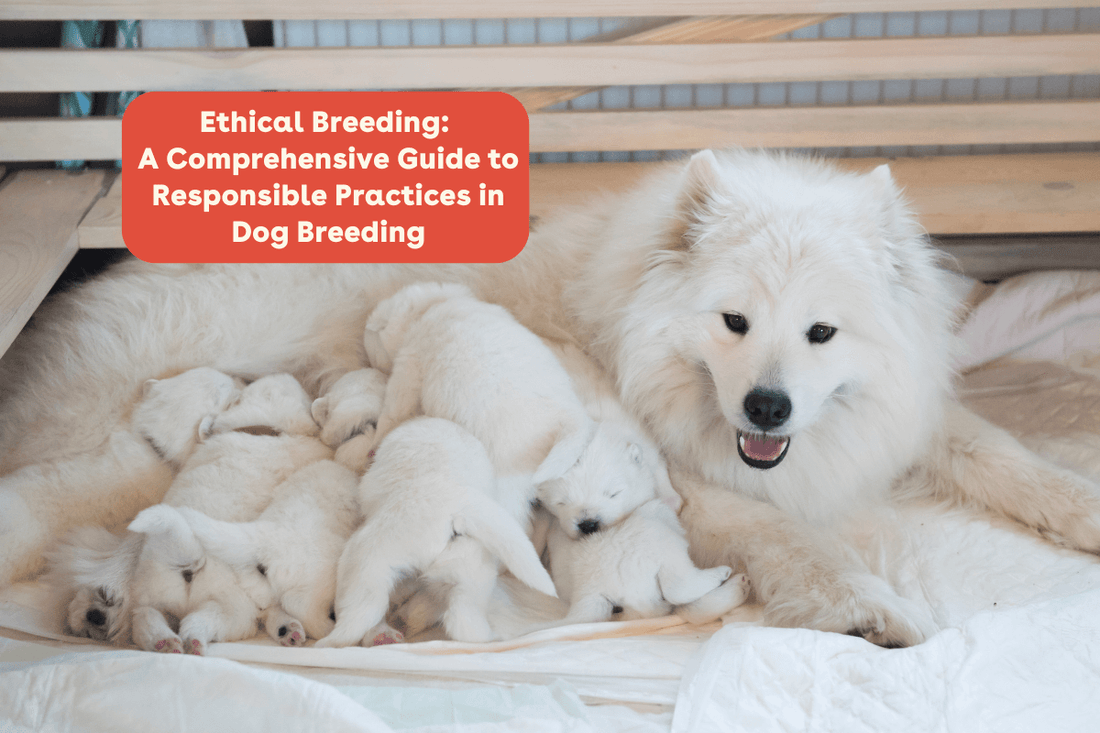
Have you ever wondered about the process behind breeding a dog? This topic is more fascinating and complex than it might seem at first glance.
Whether you’re considering becoming a breeder or just curious about how your favorite furry friends come into existence, understanding dog breeding is essential. Imagine having the ability to influence the traits and characteristics of the next generation of dogs. That’s the power breeding holds.
It’s not just about pairing two dogs together; it involves careful planning, knowledge, and responsibility. You have the chance to shape the health, temperament, and even the appearance of future puppies. But why should you care about the details of dog breeding? Well, knowing the ins and outs can help ensure the dogs are healthy and happy. Plus, it can prevent issues related to genetics and behavior. By understanding the process, you can be part of a community that prioritizes the well-being of these beloved animals. Dive into this article to uncover the secrets behind dog breeding. You’ll discover what it truly means to breed a dog responsibly, and why it matters for both the dogs and their future owners. Get ready to learn, understand, and perhaps even challenge your perceptions about this intriguing subject.

Credit: www.telegraph.co.uk
Understanding Dog Breeding
Dog breeding involves selecting specific dogs to reproduce. The goal is to enhance certain traits or characteristics. This process requires careful planning and knowledge of genetics.
Understanding Dog Breeding Dog breeding is more than just pairing two dogs. It’s about selecting the right traits to pass on to future generations. Breeders aim for specific characteristics like temperament, health, and appearance. This process demands a deep understanding of genetics and careful planning. It’s not merely a hobby; it’s a serious commitment. Knowledge and responsibility are crucial.Basic Concepts
Breeding starts with understanding dog genetics. Each dog carries genes that determine its traits. These genes come from both parents. Breeders study these traits to create better offspring. Health, behavior, and physical features are key areas of focus. Breeding also involves knowing the dog’s pedigree. This history helps predict future traits. Responsible breeders prioritize the welfare of their dogs.Common Myths
Many myths surround dog breeding. One myth is that any two purebred dogs can be bred successfully. This is not true. Compatibility goes beyond breed alone. Another myth suggests breeding is easy money. In reality, it’s costly and time-consuming. Some think breeding harms dogs. Responsible breeding ensures the health and happiness of dogs. Myths often spread misinformation, leading to misunderstandings.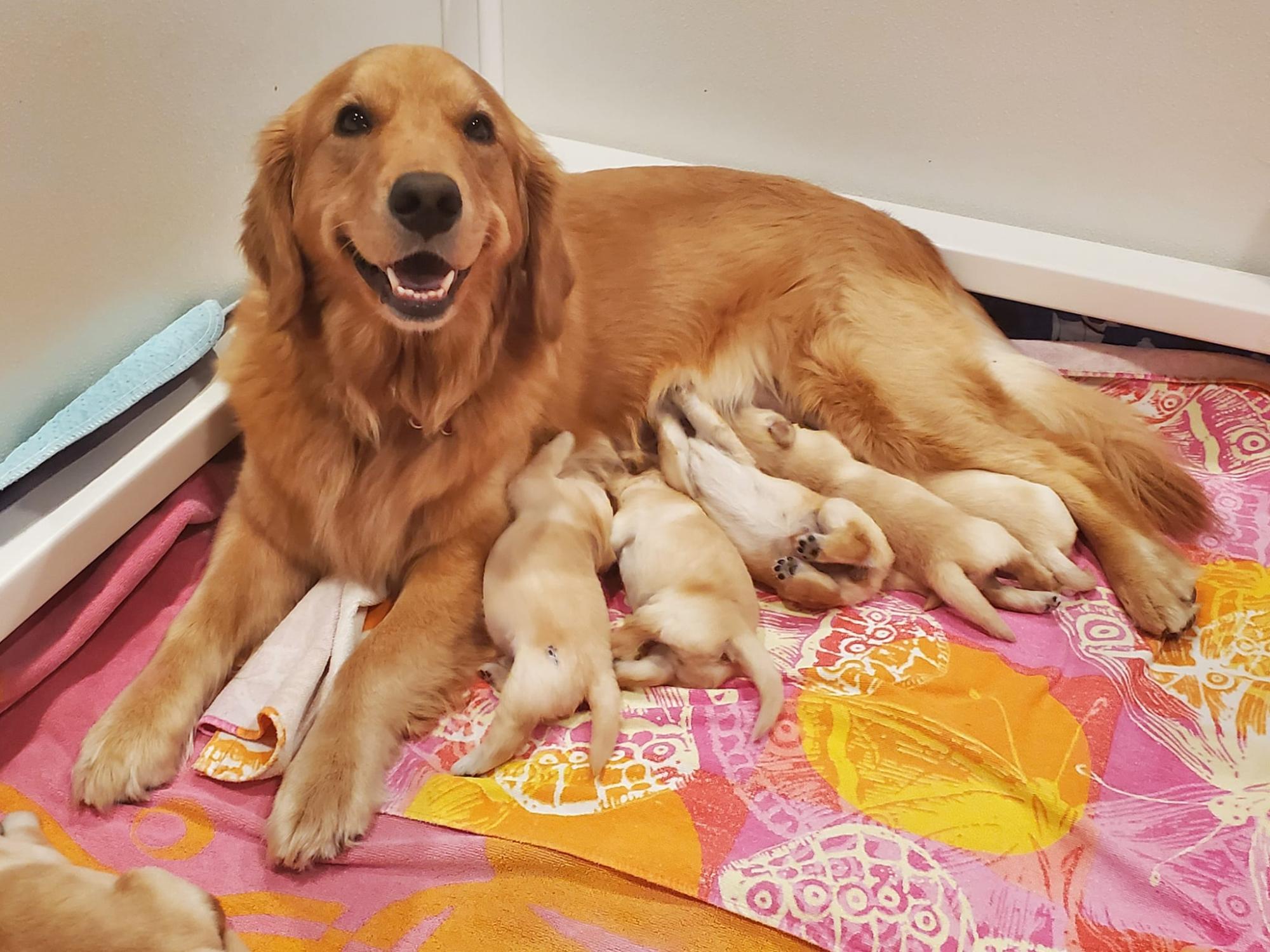
Credit: www.helpingpaws.org
Selecting The Right Breed
Choosing the right breed can affect your dog’s health and happiness. Consider size, energy, and family needs. Research well to find the perfect match.
Selecting the right breed is crucial in dog breeding. It affects the dog’s health, temperament, and compatibility with your lifestyle. Choosing wisely can lead to a rewarding experience for both breeder and dog. It’s not just about physical traits; emotional compatibility matters too.Factors To Consider
Several factors play a role in selecting a breed. Size is important; small breeds suit apartments, while larger ones need space. Energy levels vary; active breeds need lots of exercise. Consider grooming needs; some breeds require more maintenance. Temperament is key; friendly breeds are best for families. Health issues vary by breed; research common health problems. Lifespan matters; some breeds live longer than others.Popular Breeds For Beginners
Certain breeds are ideal for new breeders. Labrador Retrievers are friendly and easy-going. Golden Retrievers are gentle and intelligent. Beagles are curious and good with kids. Bulldogs are calm and require little exercise. Poodles are smart and easy to train. Each breed has unique qualities that suit different lifestyles. Picking a beginner-friendly breed can make the breeding journey smoother.Preparing For Breeding
Understanding dog breeding involves preparing the dog for mating. This includes checking health, genetics, and behavior. Proper preparation helps ensure healthy puppies and a smooth breeding process.
Preparing for Breeding Breeding a dog requires careful planning and preparation. It’s not just about pairing two dogs. Ensuring their health and environment is crucial for a successful process. The preparation phase lays the groundwork for healthy puppies. It involves several key steps to ensure the well-being of both parent dogs.Health Checks
Before breeding, health checks are essential. Both dogs should see a veterinarian. They need to be free from diseases. Genetic tests can be conducted to avoid hereditary issues. Vaccinations must be up-to-date. This ensures the safety of the puppies. Regular exercise and a balanced diet help maintain their health. A healthy dog breeds healthier puppies.Creating A Suitable Environment
The environment plays a vital role in breeding. It should be calm and comfortable. A quiet space reduces stress for the dogs. Ensure the area is clean and spacious. Provide a cozy bed for the pregnant dog. Adequate lighting and ventilation are important. Safety measures should be in place to prevent accidents. A nurturing environment leads to successful breeding.
Credit: www.aces-upakitas.com
Mating Process
Breeding a dog involves selecting healthy mates to improve specific traits. It’s a careful process requiring knowledge of genetics and health. Responsible breeding ensures the well-being of both parent dogs and puppies.
The mating process in dog breeding is a crucial step. It ensures the continuation of a breed’s lineage. Breeders aim for healthy and desirable puppies. Understanding the mating process helps achieve these goals.Timing And Signs
Timing is vital for successful mating. Female dogs, or bitches, have heat cycles. These cycles occur about twice a year. The best time for mating is during the estrus phase. Signs of estrus include a swollen vulva and a change in discharge color. The female may become more affectionate. She might also flag her tail to one side. Monitoring these signs is important. It helps determine the optimal mating window.Facilitating The Process
Facilitating the mating process requires careful handling. Introduce the male and female in a calm environment. Ensure both dogs are comfortable and healthy. Supervise the mating to prevent aggressive behavior. Sometimes, professional help is needed for successful mating. Experts can assist in guiding the dogs through the process. This ensures a higher chance of successful breeding. After mating, monitor the female for signs of pregnancy. Proper care and nutrition are crucial during this period.Pregnancy And Care
Breeding a dog is a rewarding journey, especially when you witness the miracle of pregnancy and the tender care that follows. As a pet owner, your role is crucial in ensuring your dog remains healthy and comfortable throughout her pregnancy. From monitoring her health to adjusting her diet, every step is essential for a smooth experience. But how do you ensure you’re doing the best for her? Let’s dive into the specifics.
Monitoring Health
During pregnancy, a dog’s health should be monitored closely. Regular vet visits are not just recommended; they are vital. These check-ups can help catch potential issues early and ensure both mom and pups are thriving.
Be observant of any changes in behavior, appetite, or physical condition. A dog’s body language can tell you a lot. Does she seem more tired than usual? Is she drinking more water? These subtle signs might indicate underlying health needs.
Dietary Needs
A pregnant dog’s nutritional needs change significantly. It’s time to ensure she gets a balanced diet that supports her and her growing pups. Consult your vet about the best food options, as they can recommend specialized formulas rich in essential vitamins and minerals.
Consider integrating high-protein foods and those rich in omega-3 fatty acids. These nutrients are crucial for the development of healthy puppies. Also, make sure she has constant access to fresh water to stay hydrated.
As her due date approaches, you might notice her appetite fluctuating. Adjust her food portions as needed, but always keep her diet nutritious and consistent.
Are you ready to provide your dog the best care during her pregnancy? Understanding her needs and being proactive can make all the difference. It’s not just about keeping her healthy; it’s about ensuring a safe and happy journey to motherhood.
Whelping And Newborn Care
Breeding a dog involves understanding the needs of both the mother and her puppies. Whelping requires a calm, clean environment for a safe delivery. Newborn care includes feeding, warmth, and regular health checks to ensure healthy puppy development.
Whelping and newborn care are crucial stages in breeding a dog. This period requires careful attention and knowledge. It begins with whelping, the process where a dog gives birth. Afterward, caring for the newborn puppies becomes essential. Each phase demands specific actions to ensure the health and safety of the mother and her puppies. Proper understanding and preparation can make this a rewarding experience.Whelping Signs
Recognizing whelping signs helps prepare for the birth. The mother might become restless and seek a quiet place. She may refuse food and start nesting behaviors. Watch for heavy panting or trembling. Her temperature may drop slightly before labor. These signs indicate that the birth is near.Caring For Puppies
Newborn puppies need warmth and safety. Keep their area clean and dry. Monitor them to ensure they are nursing regularly. Check that each puppy gains weight steadily. Handle puppies gently to avoid stress. Provide a quiet environment for the mother and her litter. Regular vet check-ups ensure their health.Legal And Ethical Considerations
Breeding a dog involves several legal and ethical aspects. These aspects ensure the welfare of both dogs and puppies. Understanding these considerations is crucial for responsible breeding.
Breeding Regulations
Many countries have specific laws for dog breeding. These laws protect animal welfare and maintain breed standards. Breeders must comply with local regulations to avoid penalties. Some regions require licenses for breeding dogs. Keeping records of the dogs’ health is often mandatory. Regular veterinary checks are also part of the regulations. These laws aim to prevent overbreeding and ensure healthy puppies.
Ethical Breeding Practices
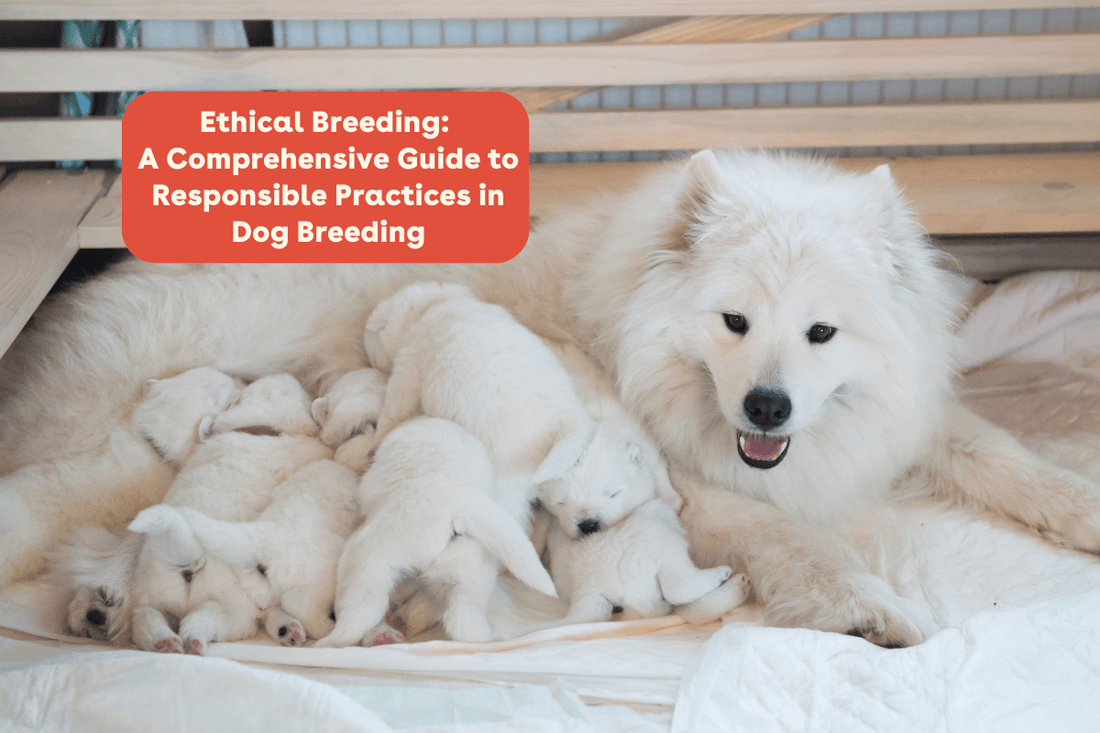
Ethical breeding prioritizes the dog’s well-being. It ensures puppies are healthy and well-adjusted. Breeders should avoid mating dogs with genetic issues. They should provide proper care for pregnant dogs and puppies. Ethical breeders focus on improving the breed’s health. They should also educate buyers about responsible pet ownership. These practices create a positive breeding environment.
Challenges In Dog Breeding
Breeding dogs is not just pairing them to produce puppies. It involves careful planning and understanding genetic factors. Challenges in dog breeding can make this process complex and demanding. Many breeders face issues that test their patience and expertise.
Common Issues
Genetic disorders are a major concern. Breeders aim to avoid passing these to puppies. Health screenings can help, but they are not foolproof. Also, maintaining breed standards is tough. Each breed has specific traits to preserve. Deviations can harm breed reputation and health.
Finding ideal breeding pairs is challenging. Compatibility in temperament and size is crucial. Missteps can lead to behavioral issues. Breeders must also consider environmental factors. Stressful conditions can affect breeding outcomes. Creating a calm setting is necessary.
Overcoming Obstacles
Education is key. Breeders should learn about genetics and breeding techniques. Workshops and seminars offer valuable insights. Networking with experienced breeders provides support. Sharing knowledge can lead to better breeding practices.
Utilizing technology can aid breeders. Genetic testing tools are improving. They help predict health issues and traits. Keeping detailed records is essential. Tracking lineage helps in making informed decisions.
Patience and dedication are vital. Breeding is a time-consuming process. Results are not immediate. Breeders must remain committed to improving their practices. Consistency and care ensure healthier puppies.
Resources For Dog Breeders
Breeding a dog is a rewarding journey that involves dedication. As a breeder, having the right resources is crucial. These resources help you make informed decisions and provide the best care. Let’s explore some valuable resources for dog breeders.
Books And Guides
Books and guides offer a wealth of knowledge. They cover topics like genetics, health, and behavior. Many are written by experts in the field. These resources help breeders understand the breeding process better. A few recommended books include “The Dog Breeder’s Guide to Successful Breeding and Health Management” and “Canine Reproduction and Whelping”. These guides provide step-by-step instructions and practical tips.
Community Support
Joining a breeder community offers immense support. Communities provide a platform to share experiences. Breeders can discuss challenges and solutions. Online forums and social media groups are popular choices. These platforms connect breeders worldwide. They offer advice, support, and encouragement. Local breeder clubs also hold events and workshops. These gatherings foster learning and networking among breeders.
Frequently Asked Questions
What Does Breeding A Dog Involve?
Breeding a dog involves selecting healthy parents to produce puppies. It requires knowledge of genetics, health, and temperament. Breeders ensure the dogs are compatible and healthy. Responsible breeding aims to improve the breed and reduce genetic issues. Proper care, nutrition, and veterinary support are essential throughout the process.
How Do I Choose A Breeding Pair?
Choosing a breeding pair involves assessing health, temperament, and genetics. Both dogs should be healthy and free from hereditary issues. Research pedigrees to ensure good lineage. Temperament should be stable and desirable. Consult a veterinarian for health checks and genetic testing.
Compatibility is crucial for healthy offspring.
What Are The Ethical Considerations In Dog Breeding?
Ethical dog breeding prioritizes the health and well-being of dogs. Breeders should avoid overbreeding and ensure proper care. Avoid breeding dogs with known genetic disorders. Socialization and proper environments are essential. Breeders should adhere to breed standards and maintain transparency with buyers.
Ethics prioritize the dogs’ welfare.
How Can I Ensure Healthy Puppies?
Ensuring healthy puppies involves selecting healthy parents and providing proper prenatal care. Regular veterinary check-ups are essential. Provide a nutritious diet and a clean environment. Monitor the mother’s health closely. Proper socialization and early training are crucial. Health screenings and vaccinations should be up-to-date.
Conclusion
Breeding a dog is a serious responsibility. It requires time and care. Understanding genetics is key to successful breeding. Healthy parents produce healthy puppies. Always consider the dog’s welfare first. Research and learn before starting the process. Seek advice from experienced breeders.
They can offer valuable insights. Remember, breeding isn’t just about cute puppies. It’s about improving the breed. Ethical practices are essential. Respect the animals and their needs. A responsible approach benefits everyone involved. Happy, healthy dogs are the goal. Take each step thoughtfully and with love.
Your efforts can make a difference.
Similar Posts