Does your dog bark, lunge, or growl at other dogs, people, or even cars? If so, you’re not alone.
Many dog owners face the challenge of having a reactive dog. It can be stressful and even embarrassing when your furry friend acts out unexpectedly. But don’t worry — you’re not stuck in this situation forever. There are effective ways to help your dog feel calm and confident.
Imagine walking your dog with ease, enjoying peaceful strolls without fear of sudden outbursts. You’ll discover practical steps to transform your reactive dog into a relaxed companion. Let’s dive into solutions that truly work and bring harmony back to your walks.
Identifying Reactivity Triggers
Understanding what triggers a dog’s reactive behavior is crucial. Common triggers include unfamiliar people, loud noises, or other animals. Identifying these can help in developing effective strategies to manage and improve the dog’s reactions.
Identifying reactivity triggers in your dog is a crucial step toward managing their behavior effectively. Understanding what sets off your dog’s reactive episodes can help you address the root cause rather than just the symptoms. But how can you pinpoint these triggers? Let’s dive into some practical strategies that can help you uncover them.Observe Your Dog’s Body Language
Pay attention to how your dog behaves in different situations. Notice changes in posture, tail position, or ear orientation. These subtle cues can indicate discomfort or agitation before an outburst occurs.Keep A Behavioral Journal
Document your dog’s reactions to various stimuli. Write down what happens before, during, and after a reactive episode. Over time, you’ll start to see patterns in their behavior.Identify Environmental Stimuli
Consider external factors like noise levels, crowded spaces, or unfamiliar animals. Often, reactivity is triggered by environmental changes that make your dog feel threatened or anxious.Recognize Emotional Triggers
Emotions such as fear or excitement can lead to reactivity. Understanding your dog’s emotional state in different scenarios can help you anticipate their reactions and manage them effectively.Consult A Professional
Sometimes, identifying triggers can be complex. Consulting a professional behaviorist can offer insights you might miss and provide tailored strategies for managing your dog’s reactivity. By focusing on these strategies, you empower yourself to better understand and support your reactive dog. What have you noticed about your dog’s behavior that might be a trigger?Understanding Dog Body Language
Understanding dog body language is key to fixing reactive behavior. Recognizing signs like stiff posture or intense staring can help identify triggers. Gaining this awareness allows for tailored training and improved communication, fostering a calm and confident canine companion.
Understanding your dog’s body language is crucial in addressing reactivity. Dogs communicate through subtle cues that reveal their emotions. Recognizing these signals helps you manage situations better. You can reduce stress for both you and your pet.Eye Contact And Gaze
Dogs use their eyes to convey feelings. Avoiding eye contact may indicate fear. Intense staring can mean aggression or threat. Soft eyes often show calmness and relaxation.Ear Position
Ears tell a lot about a dog’s mood. Forward ears suggest interest or alertness. Flattened ears usually mean fear or submission. Relaxed ears show comfort.Tail Movements
The tail provides clues about a dog’s emotions. A wagging tail doesn’t always mean happiness. Slow wagging might indicate insecurity. A high and stiff tail can signal aggression or excitement.Body Posture
A dog’s stance reveals its feelings. Tense muscles might indicate anxiety or aggression. A relaxed body shows a calm and content dog. Crouching or lowering the body often means submission or fear.Mouth And Facial Expressions
Dogs use their mouths to express themselves. A closed mouth might indicate tension. Panting can be a sign of stress or excitement. Lip licking often shows anxiety or submission.Vocalizations
Sounds are important in understanding dogs. Growling usually signals threat or discomfort. Whining often means distress or need for attention. Barking can indicate excitement or alertness.Paw Lifting And Movements
Paw actions tell about a dog’s intentions. Lifting a paw may mean curiosity or unease. Scratching or pawing at the ground can indicate anxiety or frustration. Understanding these cues helps in managing a reactive dog. It aids in creating a safer environment. You can improve your bond with your furry friend by being attentive to their signals.Creating A Safe Environment
Creating a calm space helps manage a reactive dog. Use positive reinforcement to encourage good behavior. Gradually expose them to triggers at a safe distance.
Creating a safe environment for your reactive dog is crucial. It can significantly reduce stress and help manage their reactions. A calm space allows your dog to feel secure. This can lead to positive behavior changes. Below are key strategies to create a safe environment for your reactive dog.Minimizing Stressors
Identify what triggers your dog’s reactions. Common stressors include loud noises and unfamiliar people. Remove or reduce these elements as much as possible. Use curtains to block outside views. This helps limit distractions. Consider playing soft music to mask disturbing sounds. Regular, predictable routines also help. They provide a sense of security and stability.Safe Spaces At Home
Create a safe space where your dog can retreat. This could be a quiet room or a cozy corner. Use a comfortable bed and favorite toys to make it inviting. Ensure this space is always accessible. Keep it free from foot traffic and noise. This gives your dog a place to relax when feeling overwhelmed. Consistent access to this space can greatly improve your dog’s comfort.
Credit: www.instagram.com
Training Techniques
Training a reactive dog requires patience and consistency. The goal is to help your dog feel calm and confident in various situations. Using effective techniques can transform your dog’s behavior over time. Let’s explore some training methods that can make a difference.
Positive Reinforcement
Positive reinforcement involves rewarding your dog for good behavior. This builds trust and encourages repeated actions. Use treats, praise, or toys to reinforce desired behaviors. For example, reward your dog when they stay calm around other dogs. This reinforces the idea that staying calm is beneficial.
Desensitization Methods
Desensitization helps your dog become less sensitive to triggers. Start by exposing your dog to the trigger at a distance. Gradually reduce the distance as your dog remains calm. This helps them adjust to the presence of the trigger without reacting. It’s crucial to move slowly and ensure your dog is comfortable at each stage.
Counter-conditioning Strategies
Counter-conditioning changes your dog’s emotional response to triggers. Pair the trigger with something positive, like treats or playtime. Over time, your dog associates the trigger with good things. This reduces anxiety and promotes a positive reaction. Ensure that the positive element is more appealing than the trigger itself.
Using Tools For Training
Training tools like clickers and leashes can help manage a reactive dog. These tools provide control and guidance, promoting calm behavior.
Training a reactive dog can be challenging, but using the right tools can make a significant difference. These tools are not just accessories; they’re your allies in shaping your dog’s behavior. Whether you’re dealing with a dog that reacts to other animals, people, or noises, the right equipment can help you manage these moments and guide your dog towards calmer responses.Leashes And Harnesses
The leash and harness you choose can drastically impact your training success. A sturdy leash gives you control, which is crucial when your dog starts reacting. Opt for a leash that’s comfortable in your hand and long enough to offer flexibility but short enough to maintain control. Harnesses can offer more security and comfort. Unlike collars, harnesses distribute pressure evenly across your dog’s chest and back. This reduces the risk of injury and gives you more control during tense moments. Have you considered a no-pull harness? They’re designed to discourage pulling, which is often a precursor to reactive behavior.Training Aids
Training aids can be game-changers in managing a reactive dog. Consider clickers and treat pouches; these tools can help reinforce positive behavior quickly. A clicker marks the exact moment your dog does something right, making it easier for them to understand what you’re rewarding. Treat pouches keep rewards accessible, allowing you to reinforce good behavior instantly. Quick access to treats can be the difference between a successful training session and a missed opportunity. Have you thought about using a treat pouch during walks? It keeps your hands free while ensuring rewards are always within reach. Using these tools effectively requires consistency and patience. What tools have you found effective in managing your dog’s reactivity?Building Confidence
Building confidence in a reactive dog involves understanding their triggers and practicing calm, consistent training. Use positive reinforcement to encourage desired behaviors. Gradually expose them to different environments, helping them feel secure and less anxious.
Building confidence in a reactive dog is like laying a sturdy foundation for a house. It’s essential for helping your dog feel secure and in control of their environment. Confidence allows your dog to handle new situations with ease and reduces the chance of reactive outbursts. But how do you instill this crucial trait in your dog? By carefully planned socialization and gradual exposure, you can transform their anxiety into calm assurance.Socialization Tips
Socialization is more than just introducing your dog to other dogs. It’s about exposing them to various environments, people, and experiences. Start with quiet places where your dog can observe without feeling overwhelmed. Take them to a park early in the morning when it’s less crowded. Let them watch people from a distance, rewarding them with treats for calm behavior. Slowly increase the complexity of the environments as they grow more comfortable. Involve friends and family in the process. Invite them over one at a time for short visits. This helps your dog learn to trust new people in a controlled setting. Remember, consistency is key, and patience will be your best ally.Gradual Exposure
Your dog’s confidence will grow as they learn that new experiences don’t have to be scary. Gradual exposure is about letting your dog face their fears in small, manageable doses. Identify what triggers their reactivity and create a plan to expose them to these stimuli gradually. If your dog reacts to bicycles, start by watching bikes from a safe distance. Reward calm behavior with treats and praise. Over time, decrease the distance, making sure your dog remains comfortable and relaxed. Think of this as desensitization in slow motion. It’s crucial to proceed at your dog’s pace. Pushing them too fast can backfire, causing more fear and anxiety. Always end each session on a positive note, so your dog looks forward to the next experience. Building your dog’s confidence takes time, but the rewards are immeasurable. As they grow more self-assured, you’ll notice a significant decrease in their reactivity. What small step can you take today to start building your dog’s confidence?Consistency And Patience
Building a calm environment for a reactive dog requires consistency and patience. Regular training sessions and positive reinforcement help in managing reactions. Over time, these efforts can transform a dog’s behavior.
Consistency and patience are crucial in fixing a reactive dog. Training a reactive dog requires time and commitment. Progress may seem slow, but persistence pays off. Consistent routines build trust and confidence in dogs. Patience helps maintain a calm environment during training.Regular Training Sessions
Regular sessions help reinforce positive behavior in reactive dogs. Aim for short, daily training to avoid overwhelming them. Consistency in timing creates a predictable routine. Use the same commands and rewards each session. This repetition helps reinforce learning and reduces confusion. Over time, dogs understand expectations and react less to triggers.Tracking Progress
Track your dog’s progress to understand improvements and setbacks. Keep a journal of training sessions and note reactions. Include details like date, time, and specific triggers. Record changes in behavior over weeks and months. This helps identify patterns and adjust training strategies. Celebrate small victories to stay motivated and encouraged.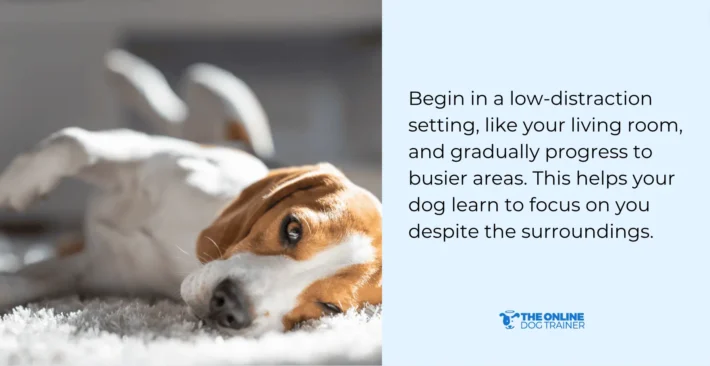
Credit: theonlinedogtrainer.com
Seeking Professional Help
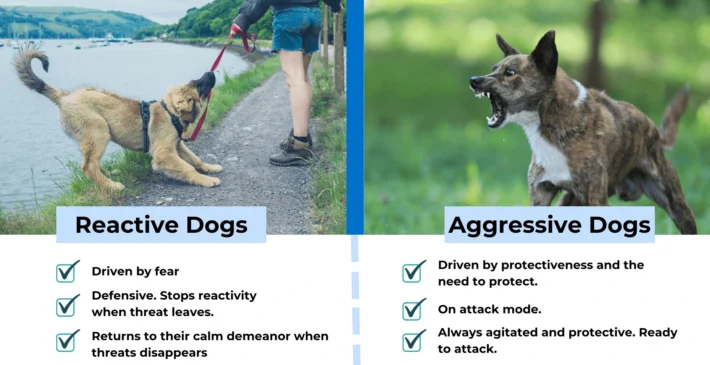
Dealing with a reactive dog can be challenging. Seeking professional help is a crucial step for many dog owners. It ensures you and your pet receive expert guidance tailored to your needs. This approach helps manage and reduce your dog’s reactivity effectively.
When To Consult A Trainer
Recognize signs of stress or aggression in your dog. Frequent barking, lunging, or growling at strangers or other dogs are key indicators. These behaviors might occur during walks or home visits. If these issues persist, a trainer can offer solutions. Early intervention prevents escalation, making training more manageable.
Choosing The Right Professional
Research trainers with experience in dog reactivity. Verify their credentials and training methods. Positive reinforcement techniques are effective and humane. Consider reviews and testimonials from previous clients. Ensure the trainer’s approach aligns with your values and goals.
Schedule a consultation to discuss your dog’s needs. Evaluate their communication skills and ability to handle your dog. Trust and comfort are essential for successful training. A good trainer empowers you to manage your dog’s behavior confidently.
Credit: theonlinedogtrainer.com
Frequently Asked Questions
What Causes A Dog To Be Reactive?
Reactive behavior in dogs can result from fear, lack of socialization, or past trauma. It often occurs when a dog feels threatened or overwhelmed. Understanding triggers and environments can help address the root cause. Training and patience are key to managing and improving reactive behaviors.
How Can I Calm My Reactive Dog?
To calm a reactive dog, maintain a calm demeanor and use positive reinforcement. Avoid situations that trigger reactivity and gradually desensitize the dog. Consistent training and a structured environment help in reducing anxiety. Seeking professional advice from a dog behaviorist can also be beneficial.
Are Certain Breeds More Reactive?
Some breeds are naturally more prone to reactivity due to their temperament and genetics. High-energy breeds like Border Collies and German Shepherds may exhibit reactivity. Early socialization and proper training can help manage these tendencies. Each dog’s personality and experiences play a significant role in their behavior.
Can Reactivity In Dogs Be Cured?
Reactivity can be managed and significantly improved with proper training and patience. While it may not be completely cured, consistent positive reinforcement helps. Understanding the dog’s triggers is crucial for effective management. Professional guidance from a behaviorist can enhance the process.
Conclusion
Helping a reactive dog requires patience and consistency. Small steps lead to progress. Celebrate every little success. Stay calm and confident during training. Dogs sense your energy and respond to it. Use positive reinforcement to encourage good behavior. Always remember, every dog is unique.
What works for one might not work for another. Seek professional help if needed. You and your dog can enjoy peaceful walks together. Invest time and effort, and the results will come. Strengthen your bond through understanding and trust. Happy training and happy tails!