Why Do Dogs Poop in Their Crate: Uncover Causes & Solutions
Senior Canine Nutritionist & Dog Behavior Specialist at Cozy Dog Go Wellness Lab
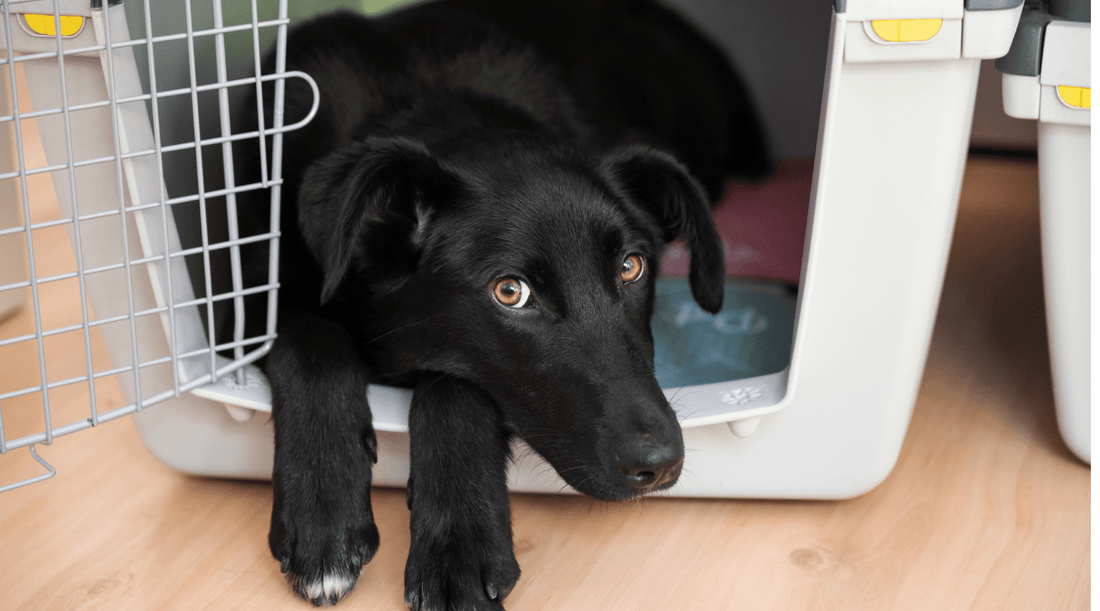
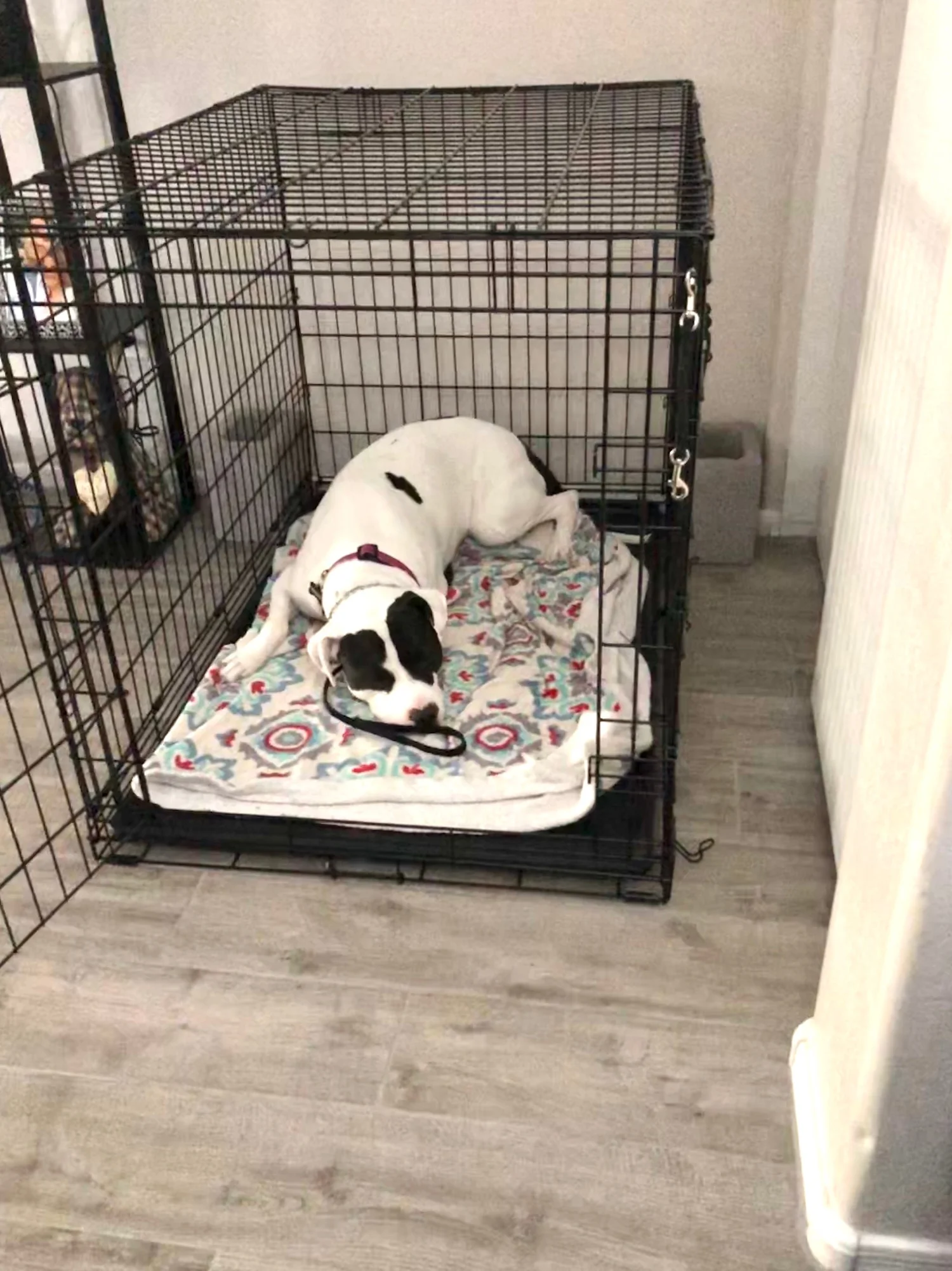
Have you ever walked into your home, greeted by an unpleasant surprise in your dog’s crate? You’re not alone, and you’re right to wonder why this happens.
Understanding why dogs poop in their crate can be frustrating, but it’s essential for maintaining a clean and happy home for both you and your furry friend. This behavior might seem baffling at first, but uncovering the reasons behind it will empower you to take effective action.
Imagine the relief you’ll feel once you know exactly why this happens and how to prevent it. By delving deeper, you’ll discover the secrets that your dog might be trying to tell you through their actions. Whether it’s a simple training issue or a sign of something more serious, identifying the cause is key. With this knowledge, you can transform your dog’s crate from a place of chaos to a haven of comfort. Stick around to learn the surprising reasons behind this behavior and the practical steps you can take to address it. Your dog’s well-being is on the line, and the peace of your home depends on it. Let’s dive in together and make your crate a clean, happy space once again.
Common Reasons For Crate Accidents
Dogs pooping in their crate can be baffling. Crate accidents are frustrating for pet owners. Understanding the reasons behind these mishaps is crucial. Several factors contribute to dogs soiling their crates. Let’s explore some common reasons for these accidents.
Health Issues
Health problems are a primary cause of crate accidents. Dogs may suffer from digestive disorders. Conditions like diarrhea or infections can lead to unexpected accidents. Some dogs have urinary tract infections. These make it hard for them to hold their bladder. If your dog frequently soils their crate, consult a vet. Health issues might be the underlying cause.
Anxiety And Stress
Anxiety plays a big role in crate accidents. Dogs can feel stressed in confined spaces. Thunderstorms or loud noises may trigger anxiety. Separation anxiety is common among dogs left alone. Stress can lead to bowel movements in the crate. Creating a calm environment helps. Toys or soothing music can ease their anxiety.
Improper Training
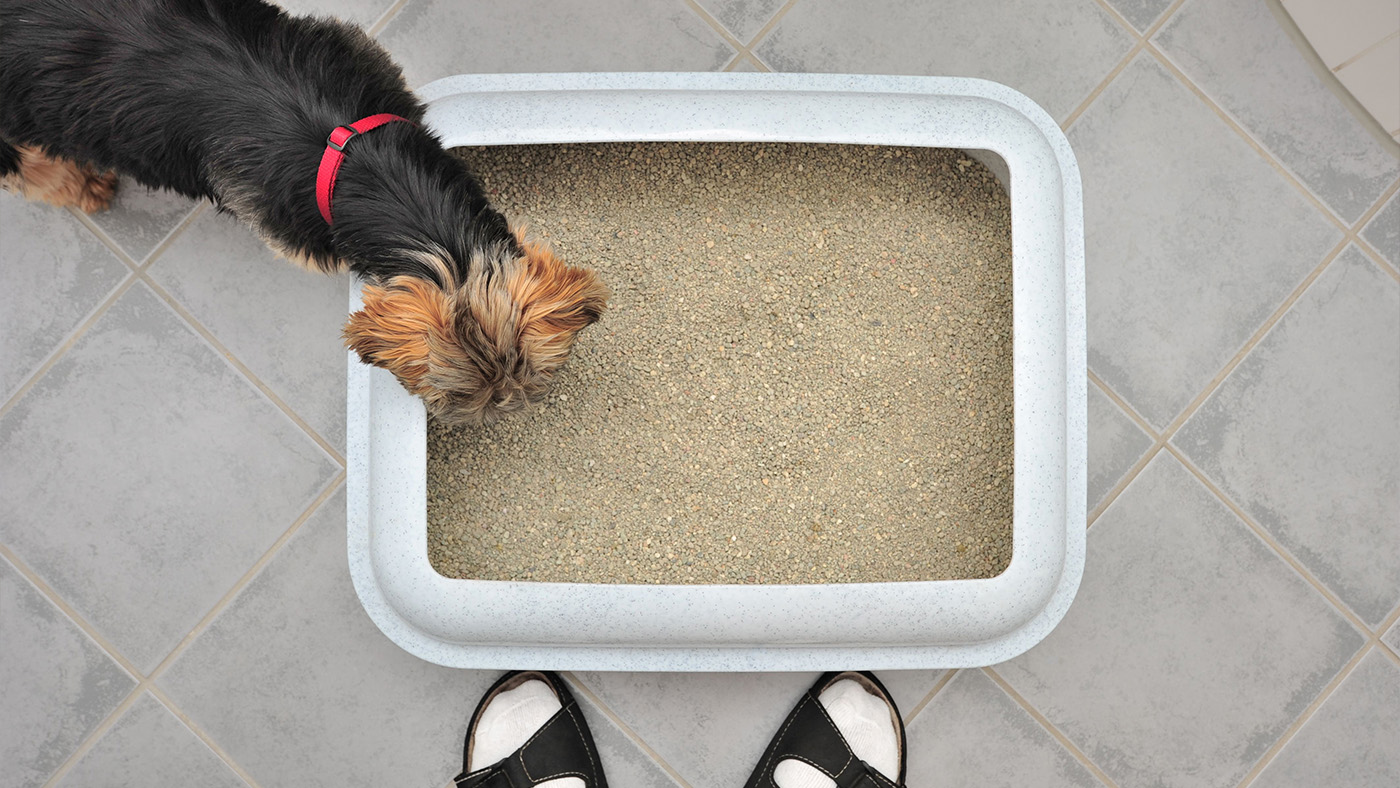
Training affects crate behavior significantly. Puppies need consistent potty training. Without proper guidance, they may not understand crate rules. Some dogs never learn to hold their bladder. Training mistakes lead to accidents. Regular outdoor breaks are essential. Positive reinforcement helps them learn faster. Proper training minimizes crate accidents.
Credit: www.petsradar.com
Medical Factors
Dogs may poop in their crate due to various medical factors. Understanding these issues helps pet owners address and resolve the problem effectively. Medical conditions can cause discomfort, affecting a dog’s bowel habits. Let’s explore some common medical factors that might lead to crate accidents.
Digestive Disorders
Digestive disorders affect a dog’s ability to process food. Conditions like irritable bowel syndrome or inflammatory bowel disease may lead to frequent bowel movements. A dog suffering from digestive issues may not be able to hold its poop. Symptoms include diarrhea, vomiting, and abdominal pain. Consult a vet for proper diagnosis and treatment.
Infections
Infections can disrupt a dog’s normal digestive process. Bacterial or viral infections may cause sudden changes in bowel habits. Dogs with infections often experience diarrhea or loose stools. These infections can be serious and may require medication. Regular vet check-ups can help in early detection.
Parasites
Parasites like worms can affect a dog’s digestive health. They can cause frequent and urgent bowel movements. Common parasites include roundworms, hookworms, and tapeworms. Symptoms might include weight loss, diarrhea, and a bloated belly. Deworming treatments are essential for controlling parasites. Regular fecal tests can help in monitoring parasite infections.
Behavioral Causes
Stress and anxiety often lead dogs to poop in their crate. Lack of proper training can also be a factor. Understanding the dog’s routine and providing comfort can help address this behavior.
Dogs pooping in their crate can be puzzling for owners. Understanding the behavioral causes may help address this issue. Dogs might not do this out of spite or rebellion. Instead, various factors can influence their behavior, leading to crate accidents. Here’s a closer look at some common behavioral causes:Separation Anxiety
Dogs are social animals. Being alone can cause them distress. Separation anxiety is a common reason for crate accidents. When left alone, dogs may feel anxious. This anxiety can trigger bowel movements in their crate. They may not be able to control their urge to poop. The crate becomes a place of anxiety rather than comfort.Fearful Environment
A fearful environment can lead to crate accidents. Loud noises or sudden changes can scare dogs. Fear can make them lose control of their bowel movements. A crate should feel safe and secure. If it doesn’t, dogs may poop due to stress. Providing a calm environment can reduce this behavior.Attention-seeking
Dogs crave attention from their owners. Pooping in the crate might be a way to get noticed. If a dog feels ignored, they may act out. This behavior can be a cry for attention. Dogs may learn that crate accidents get a reaction. Consistent attention and engagement can help prevent this.Training Mistakes
Improper crate training can lead dogs to poop in their crate. Unfamiliar routines confuse them, causing anxiety. Providing clear schedules and positive reinforcement encourages good habits.
Training mistakes can often lead to your dog pooping in its crate, leaving you puzzled and frustrated. Many dog owners unknowingly make errors in their approach, which can affect their dog’s behavior. Understanding these mistakes can help you rectify them, creating a more harmonious environment for both you and your pet.Inconsistent Routine
Dogs thrive on routine and predictability. If their potty schedule is erratic, they’ll struggle to hold it in until the next break. You might notice that if you take your dog out at different times every day, accidents become more frequent. Try setting a consistent schedule for feeding and potty breaks. This helps your dog learn when it’s time to go and reduces crate accidents. Have you ever tried noting down your dog’s potty pattern? It might reveal surprising gaps in your current routine.Crate Size Problems
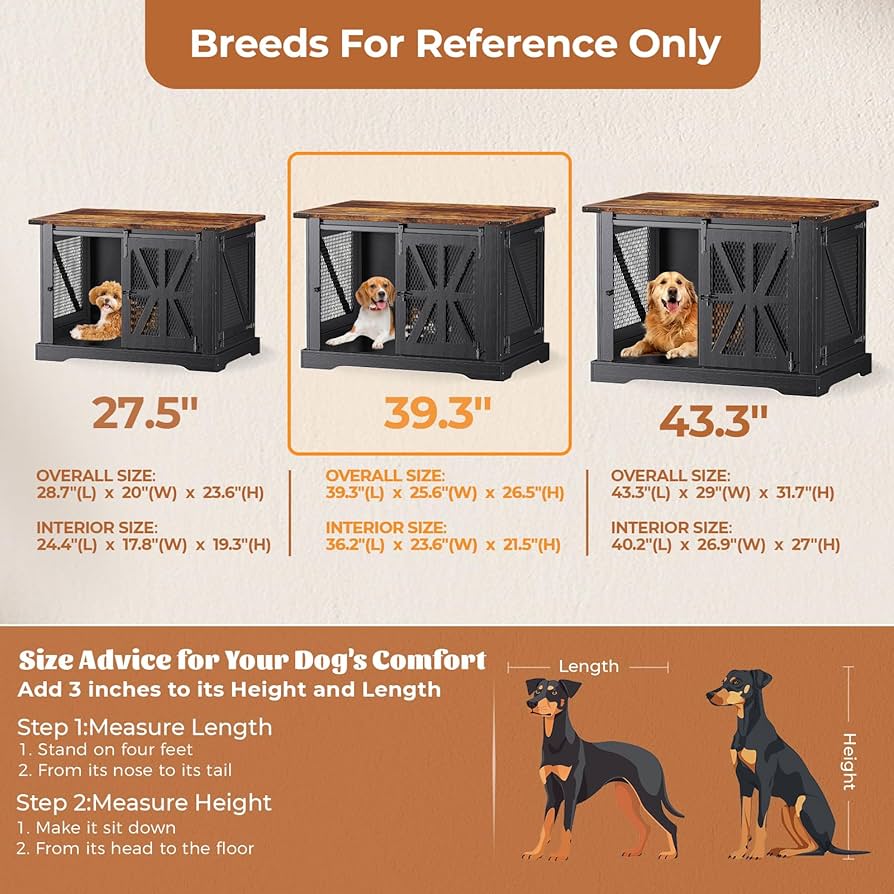
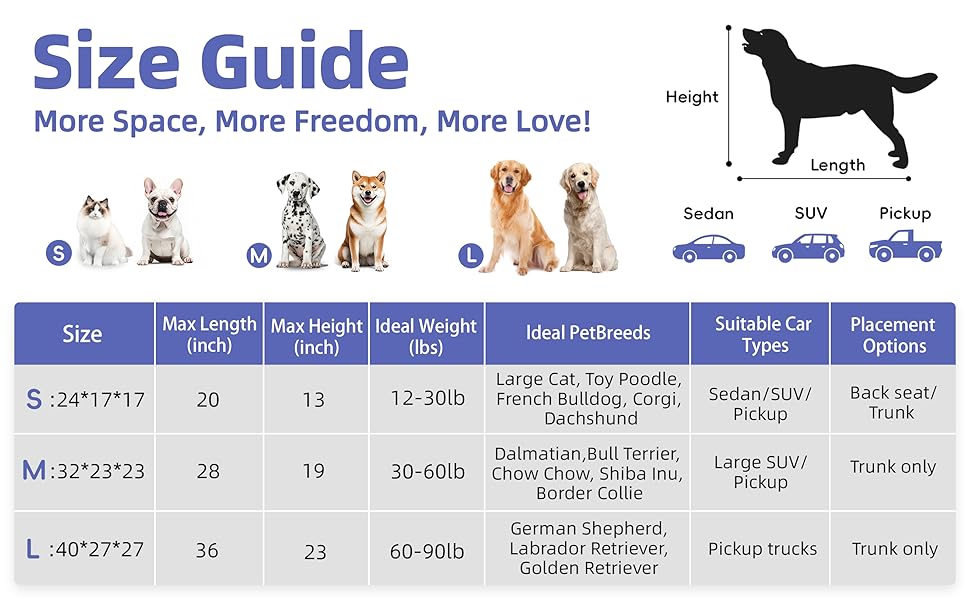
A crate that’s too large can inadvertently encourage your dog to poop inside. Dogs usually avoid soiling their sleeping area, but if the crate is spacious, they might designate a ‘bathroom corner.’ Ensure the crate is sized appropriately; it should be big enough for your dog to stand, turn, and lie down comfortably, but not so large that it becomes a multi-purpose space. Have you checked if your dog’s crate offers a snug fit? Sometimes the solution is just a size adjustment away.Lack Of Supervision
Young dogs, especially puppies, require constant supervision to learn proper behavior. If left unattended for long periods, they might resort to pooping in their crate out of desperation. Consider supervising your dog closely during training phases. Setting up a camera or checking in frequently can help you catch and correct mistakes early. Are you often away for extended periods? Perhaps a pet sitter or dog walker could assist during these critical moments. Addressing these training mistakes can dramatically improve your dog’s crate habits, ensuring a cleaner and happier living space for both of you. What changes will you make to help your dog succeed?Effective Solutions
Understanding why dogs poop in their crate is key to resolving the issue. Stress, diet changes, or insufficient potty breaks can be causes. Addressing these factors can help maintain a clean and comfortable crate environment for your furry friend.
When your dog poops in their crate, it can be a frustrating experience for both you and your furry friend. But don’t worry, there are effective solutions to help address this issue. By focusing on establishing a routine, using positive reinforcement, and adjusting the crate environment, you can create a more comfortable and poop-free space for your dog.Establishing A Routine
Consistency is key when it comes to training your dog. Establish a regular feeding schedule and take your dog out for bathroom breaks at the same times each day. This helps your dog learn when it’s time to relieve themselves. Make sure to take your dog outside immediately after they eat or drink. This reduces the chances of accidents happening inside the crate. Observe your dog’s behavior to identify any signs that they need to go.Using Positive Reinforcement
Reward your dog for pooping outside. This can be in the form of treats, praise, or playtime. Positive reinforcement encourages your dog to repeat the desired behavior. It’s crucial to be patient and consistent. If your dog has an accident in the crate, avoid punishment. Instead, focus on reinforcing the correct behavior when they poop outside.Adjusting Crate Environment
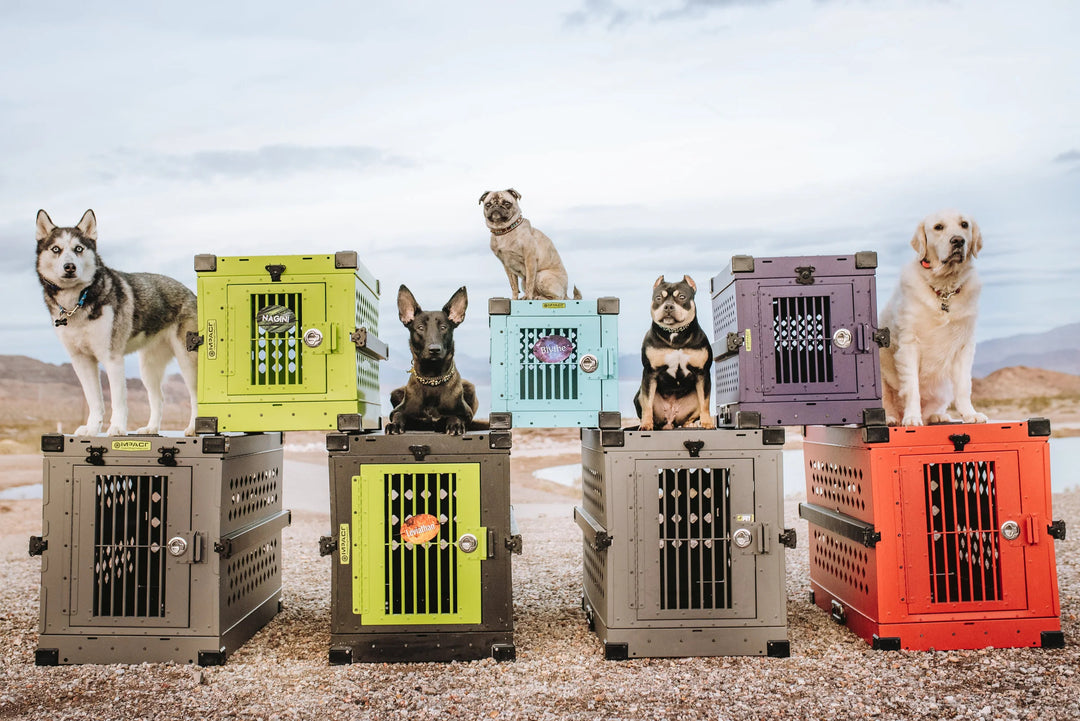
Ensure your dog’s crate is the right size. It should be large enough for them to stand, turn, and lie down, but not so spacious that they can poop in one corner and sleep in another. Make the crate a comfortable and inviting space. Add soft bedding and a few of their favorite toys. Avoid leaving your dog in the crate for extended periods, as this increases the likelihood of accidents. By implementing these solutions, you can help your dog learn to keep their crate clean. Remember, patience and consistency are your best tools in this process. What strategies have you found effective in addressing this issue?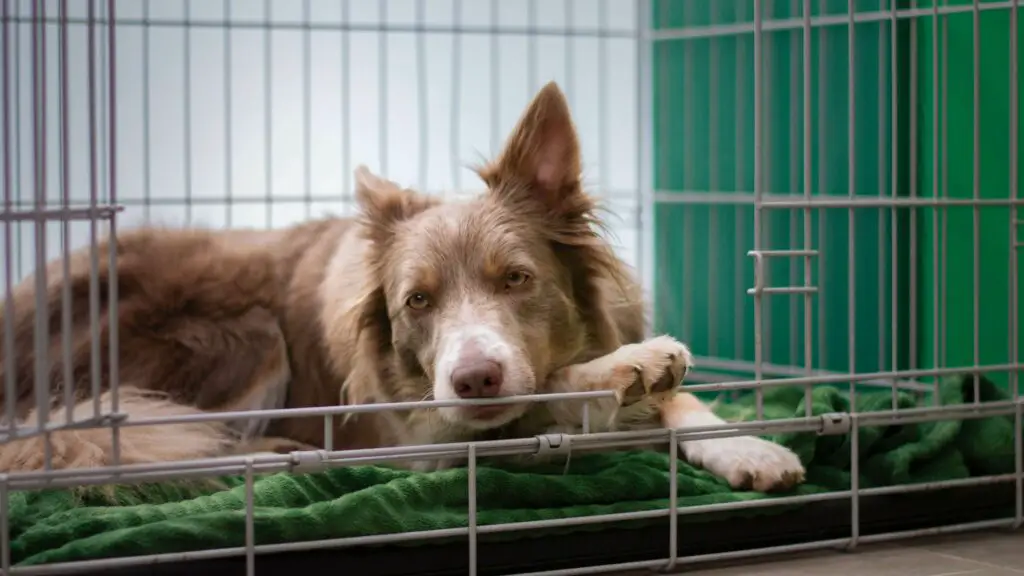
Credit: www.bulldogology.net
When To Seek Professional Help
When your dog consistently poops in their crate, it might be time to consider seeking professional help. While occasional accidents can happen, persistent issues may require a deeper understanding and intervention. Knowing when to seek expert advice can save both you and your furry friend from unnecessary stress.
Persistent Health Issues
If your dog seems to have ongoing problems, such as diarrhea or frequent urination, it could signal an underlying health issue. A veterinarian can help identify any medical conditions that might be causing discomfort. Regular check-ups can ensure your dog is healthy and reduce crate accidents.
Behavioral Concerns
Sometimes, crate accidents are more about behavior than health. Dogs can develop anxiety or fear related to their crate environment. Consulting a professional behaviorist can offer insights into your dog’s emotional state. They might suggest changes to make the crate a more comforting space.
Training Challenges
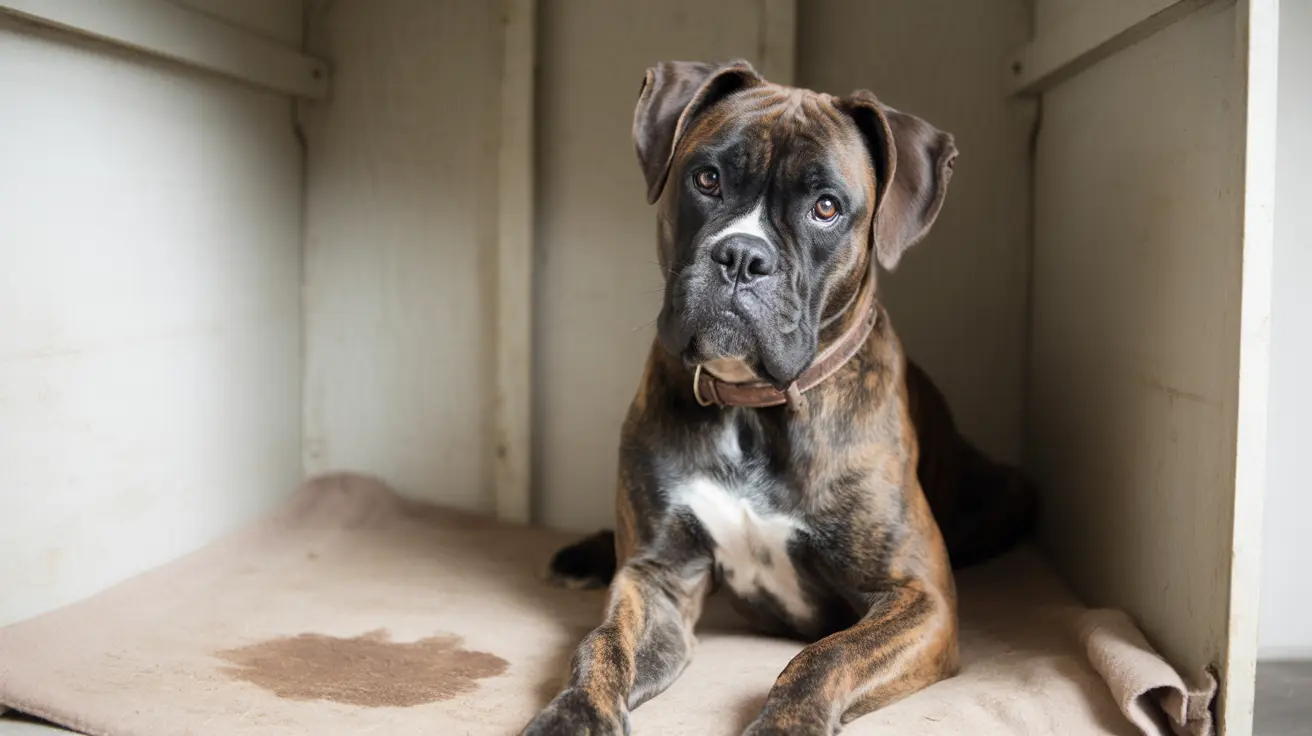
Effective crate training is crucial for preventing accidents. If your dog struggles with understanding where and when to relieve themselves, professional trainers can offer strategies tailored to your pet. They provide guidance to reinforce positive habits and correct training missteps.
Credit: www.petscare.com
Frequently Asked Questions
Why Do Dogs Poop In Their Crate?
Dogs may poop in their crate due to anxiety or stress. It could also be a result of insufficient training or not enough bathroom breaks. Health issues like diarrhea or digestive problems might also be a cause. Ensure the crate is comfortable and introduce regular potty breaks to address this issue.
How To Prevent Crate Pooping?
Ensure your dog has a consistent feeding schedule and regular bathroom breaks. Proper training and a comfortable crate environment are essential. If health concerns persist, consult a veterinarian. Reducing anxiety with toys or blankets can also help. Regular exercise will ensure your dog is less likely to have accidents.
Can Anxiety Cause Crate Accidents?
Yes, anxiety can cause crate accidents in dogs. Stressful situations might lead to loss of control. Separation anxiety or fear of confinement could also be triggers. Providing a calm environment, comfort items, and gradual crate training can alleviate anxiety-related accidents.
Consult a professional if anxiety persists.
Is Crate Size Important For Potty Training?
Yes, crate size is crucial for effective potty training. A crate that’s too large can encourage accidents. Dogs prefer not to soil their sleeping area, so a snug crate is ideal. Ensure the crate allows your dog to stand, turn, and lie comfortably.
Proper crate training techniques enhance success.
Conclusion
Understanding why dogs poop in their crate is crucial. It helps improve their comfort and health. Start by identifying the root cause. Anxiety, diet, or lack of training. Address each issue patiently. Consistent training and adjustments work best. Consult a vet if needed.
A clean crate keeps dogs happy. And healthy. A little effort goes a long way. You and your pet will benefit. Enjoy a cleaner, happier home. And a more comfortable dog. Keep learning and adapting. Your dog will thank you.
And you’ll enjoy the peace of mind. Together, you can overcome this issue.

Similar Posts